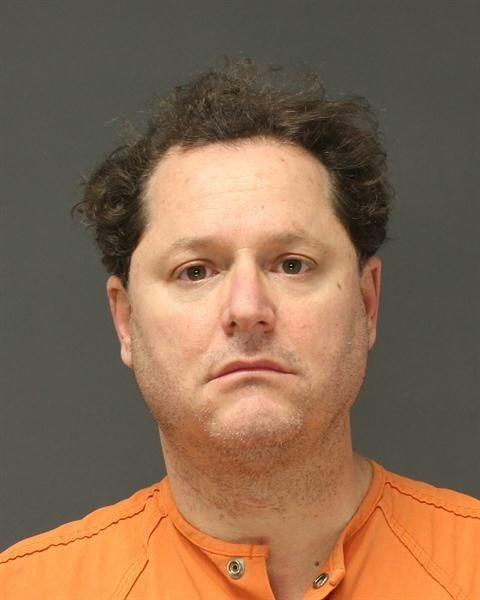
Former Los Angeles Rabbi Menachem (Mendy) Weiss was sentenced on Sept. 9 to six years in New Jersey state prison for aggravated sexual assault, with no possibility of parole for three years.
Weiss, 47, pled guilty to two counts of aggravated sexual assault on a boy between January and June 1999, when he was living in Woodcliff Lake, N.J. As part of his sentencing, Weiss also must register as a sex offender, is subject to parole supervision for life, and is to have no contact with the victim or his family.
The married father of nine moved to Los Angeles not long after the assault. He was living in the Pico-Robertson area at the time of his arrest in March 2018, and had been working as a faculty member and director of the Israel Center at Milken Community Schools and as an associate rabbi at Nessah Congregation. Upon news of his arrest, both organizations immediately suspended him. Weiss also previously served as the executive director of Sephardic Tradition and Recreation, a Sephardic youth organization in the San Fernando Valley.
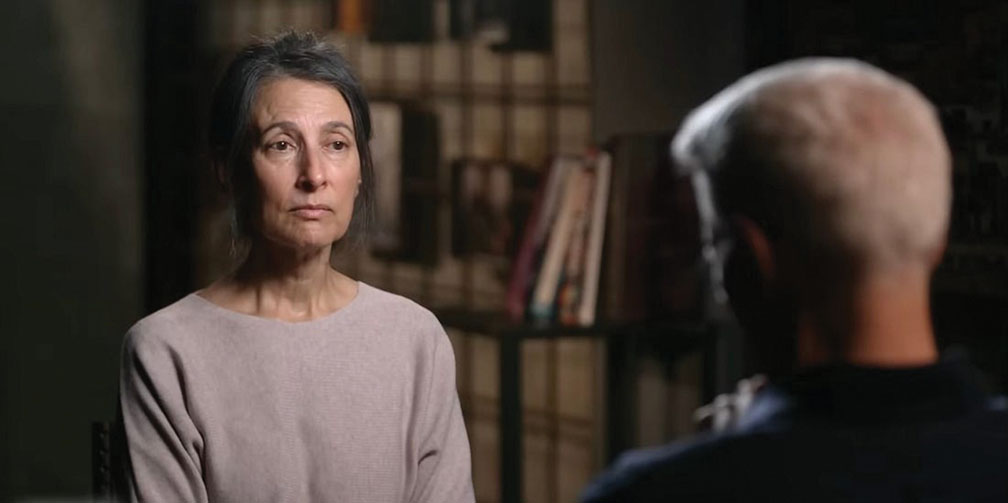
During the sentencing hearing, the victim read a statement describing the trauma he has lived with his entire adult life.
“Over the last 20 years, I have suffered tremendously,” he said in the statement, which was provided to the Journal by Jewish Community Watch, an organization dedicated to preventing the sexual abuse of children in the Orthodox community. “I have had severe depression. I acted out. I felt empty. I felt and continue to feel extreme shame. I had and still have difficulty with social relationships. I was confused about my sexuality. I had morbid, suicidal thoughts. A strong feeling of inadequacy and complete lack of confidence. Emptiness. Shame. Shy and introverted. Sexual dysfunction. Damaged goods. I abused drugs. I lost aspirations and dreams of accomplishing anything in life. I became closed and withdrawn.”
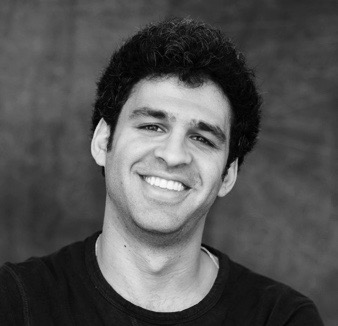
The Journal spoke with the victim by phone. He asked to be referred to by only his initials: M.A.
“I want people to know they can come forward and there is support and there is help and that you can get these people,” he said.
Meyer Seewald, founder and executive director of Jewish Community Watch, said in a statement, “It took superhuman courage for this victim to come forward.”
Seewald told the Journal Weiss could potentially have faced a longer sentence if he had chosen to go to trial. He added Jewish Community Watch took an active approach in supporting M.A. after Weiss’ arrest.
“We were supporting the victim. We were working with the police,” Seewald said. “We were involved.”