There is something different about making energy and water policy when 100,000 rockets are pointed at your family.
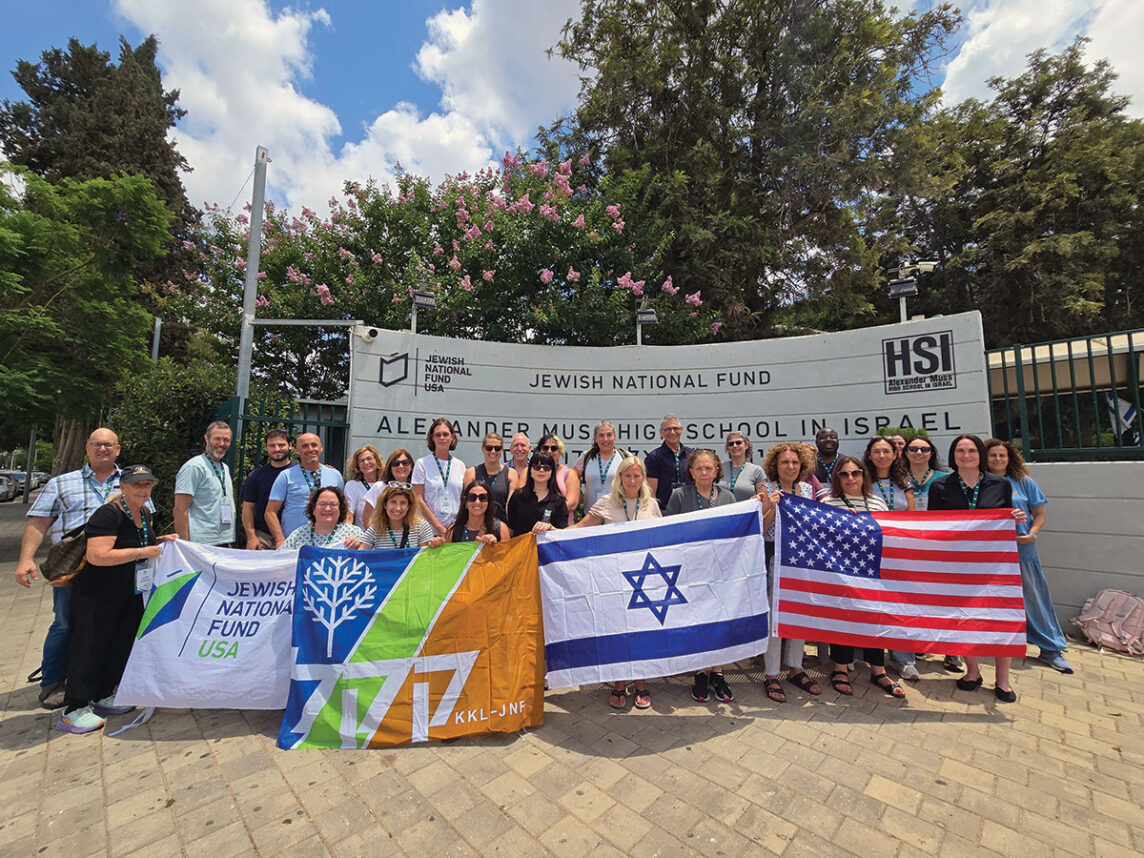
I went to Israel last month to exchange strategies on water and clean energy. I came home with an entirely new perspective on lawmaking.
In 2014, California and Israel signed a Memorandum of Understanding to collaborate on energy and water innovation. The mission of our California delegation to Israel was to put muscle behind the memo with funding and technical expertise.
Just as we were getting started in our clean energy lab at the Milken Innovation Center at the Jerusalem Institute, in a room packed with some of the top energy minds in Israel, a news alert sounded on my phone: “BREAKING: HAMAS TERROR TUNNEL EGYPT-ISRAEL DESTROYED.”
Israel Defense Forces had struck a tunnel only a short distance away by California standards. The news shook me silent. My mind went blank. I looked around the room for guidance.
This is what Israel does, day after day. No paralysis. It just moves forward.
The Israelis at the conference didn’t skip a beat. People looked down at their phones for a moment. Nodded. And dived right back into the work at hand.
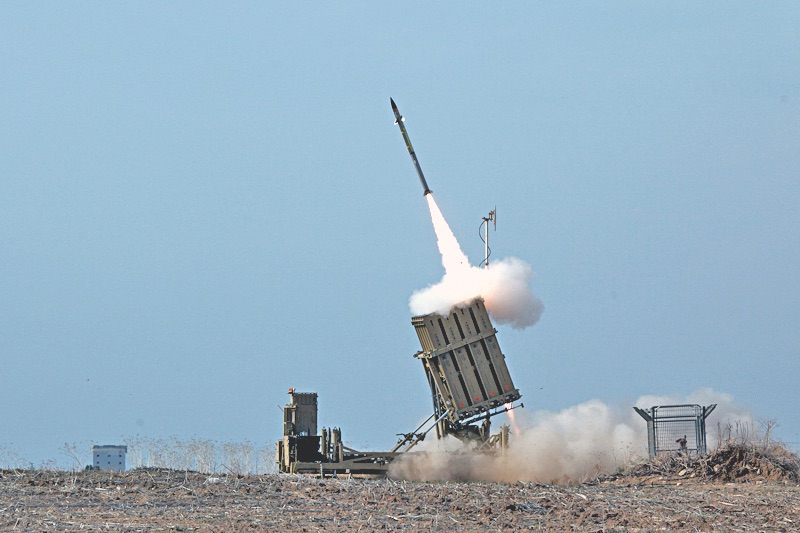
Every conversation in Israel is under the Iron Dome. In the fierce urgency that necessarily, although quietly, weaves itself into the texture of daily life, of relationships, of governing, one cannot help but be humbled by Israel’s fortitude.
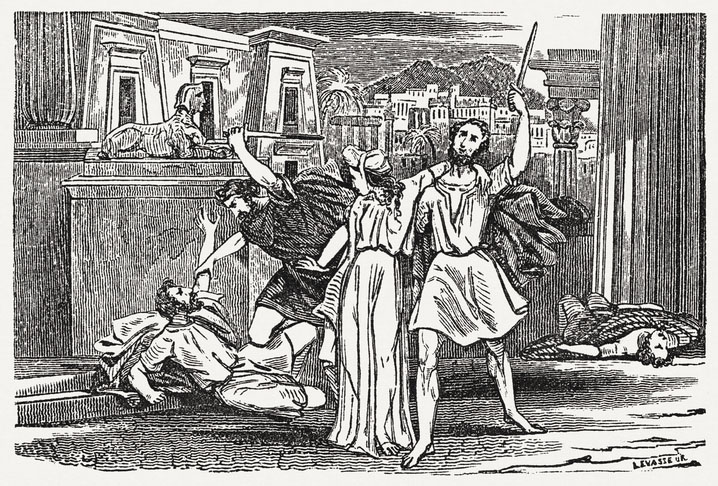
Where did this strength come from? I would submit that its origins are ancient. And that it lives in all Jews. As the Midrash relates, when the Jews made the Exodus from Egypt, their faith was shaken at the shores of the Red Sea, where they were trapped like sitting ducks, bracing for the oncoming Egyptian army, with no water and a range of bad options.
As some Jews attempted to micromanage Moses, one group suggested they turn and fight. Another thought to simply surrender and return to slavery. A third argued that ending it all would be more just, and they should just hurl themselves into the sea and die. And a fourth disagreed with all the others; the answer to their quandary was to pray for salvation from God.
Moses rose above his stutter, as he did in these moments, to deliver to the Jews a message from God: Let’s just go through the sea, faithful, unafraid, eyes on Mount Sinai. Rather than anticipate, plan or resist the seemingly impossible challenge ahead, the Jews just went through it.
This is what Israel does, day after day, no matter how many tunnels are discovered or rockets are stockpiled. No paralysis. It just moves forward.
And move forward we must. Energy and water are not just critical environmental challenges. They impact the security of Israel and California, and our respective states’ abilities to compete economically on a global stage, where self-reliance and sustainability are rewarded. Israel’s energy strategy currently relies heavily on fossil fuels — only 2 percent of its grid is renewable.
California, on the other hand, has a cleaner grid but a sea to cross when it comes to water. Israelis capture and recycle about 85 percent of the water they use. California wastes about 85 percent of all stormwater, failing, unlike Israel, to capture this valuable resource before it dumps into our coastal waters.
Israel is a nation at constant risk. Yet, Israel’s leaders find a way to diligently proceed with the work to modernize their nation.
Our joint efforts to secure a cleaner, more sustainable energy and water future for Israel and California must proceed, with California imagination and market power, and that deep fortitude that is ancient in origin, and alive and well in Israel today.
State Sen. Henry Stern (D-Canoga Park) is an environmental attorney and educator. He represents the 27th District, which includes parts of Los Angeles and Ventura counties.