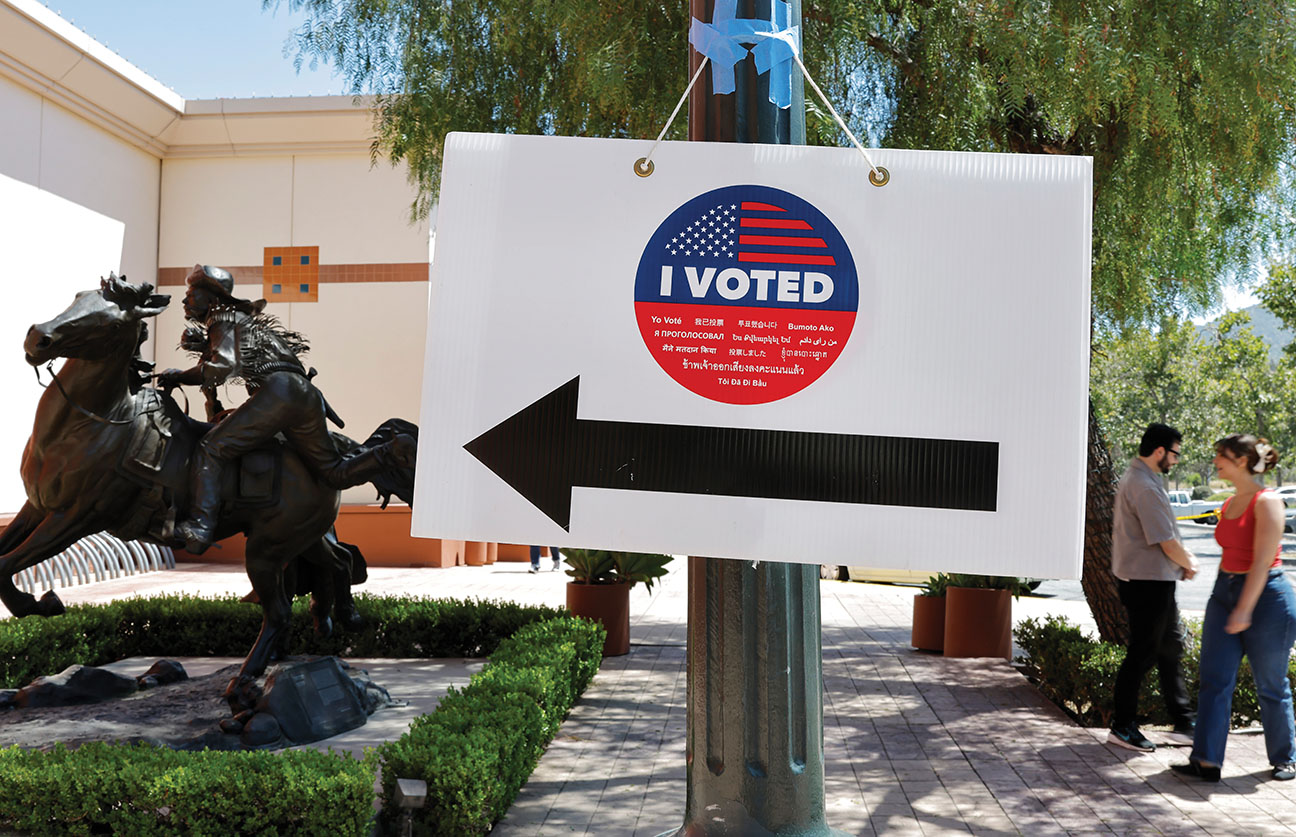
Whether backing long-shot candidates, weighing strategic votes or sitting races out altogether, many said they were still searching for leaders who reflected both their values and their concerns.
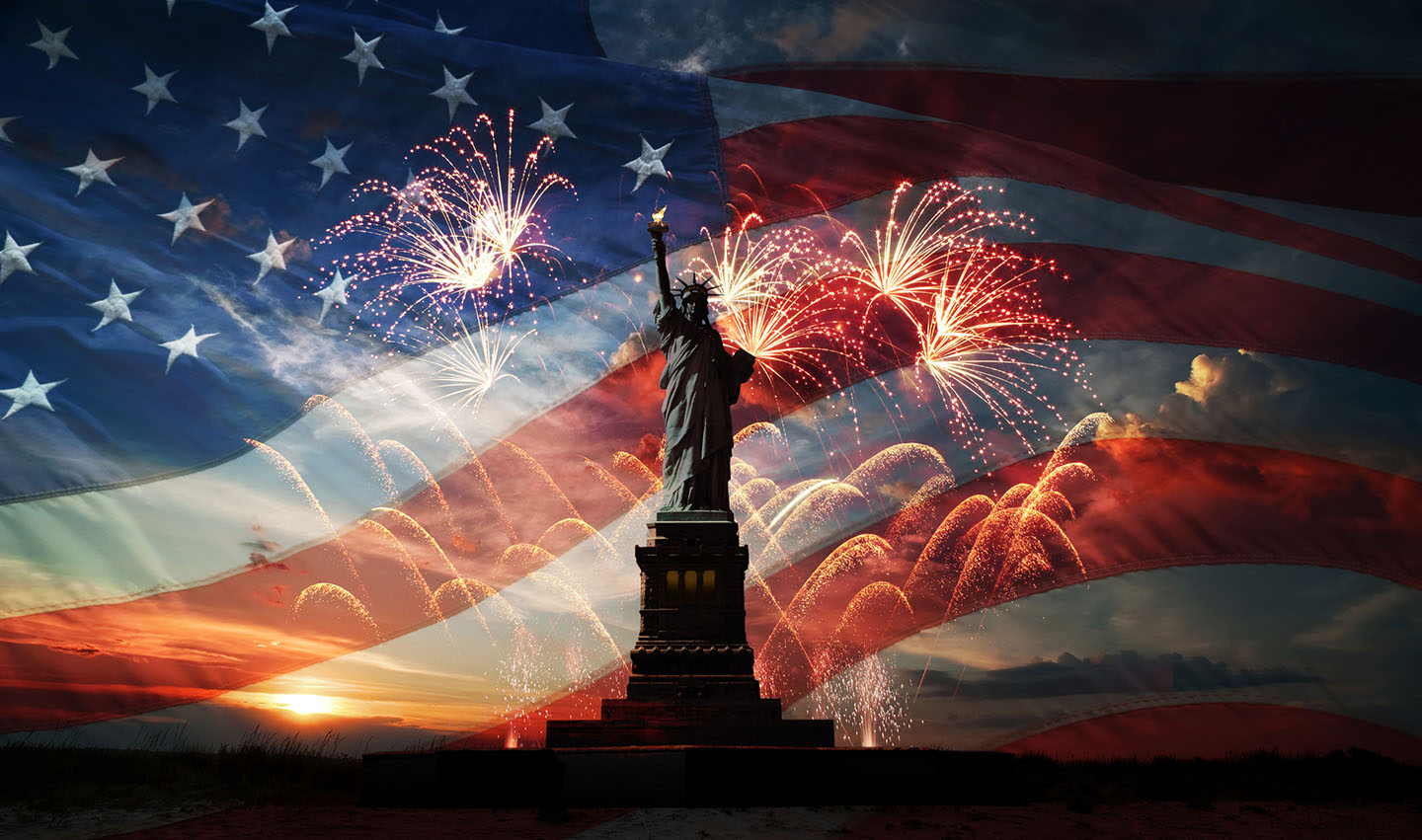
Maybe it’s because our 250th birthday is right around the corner. Or maybe it’s a statement of defiance, a way of telling Jew-haters I’m giving them the very opposite of what they want.
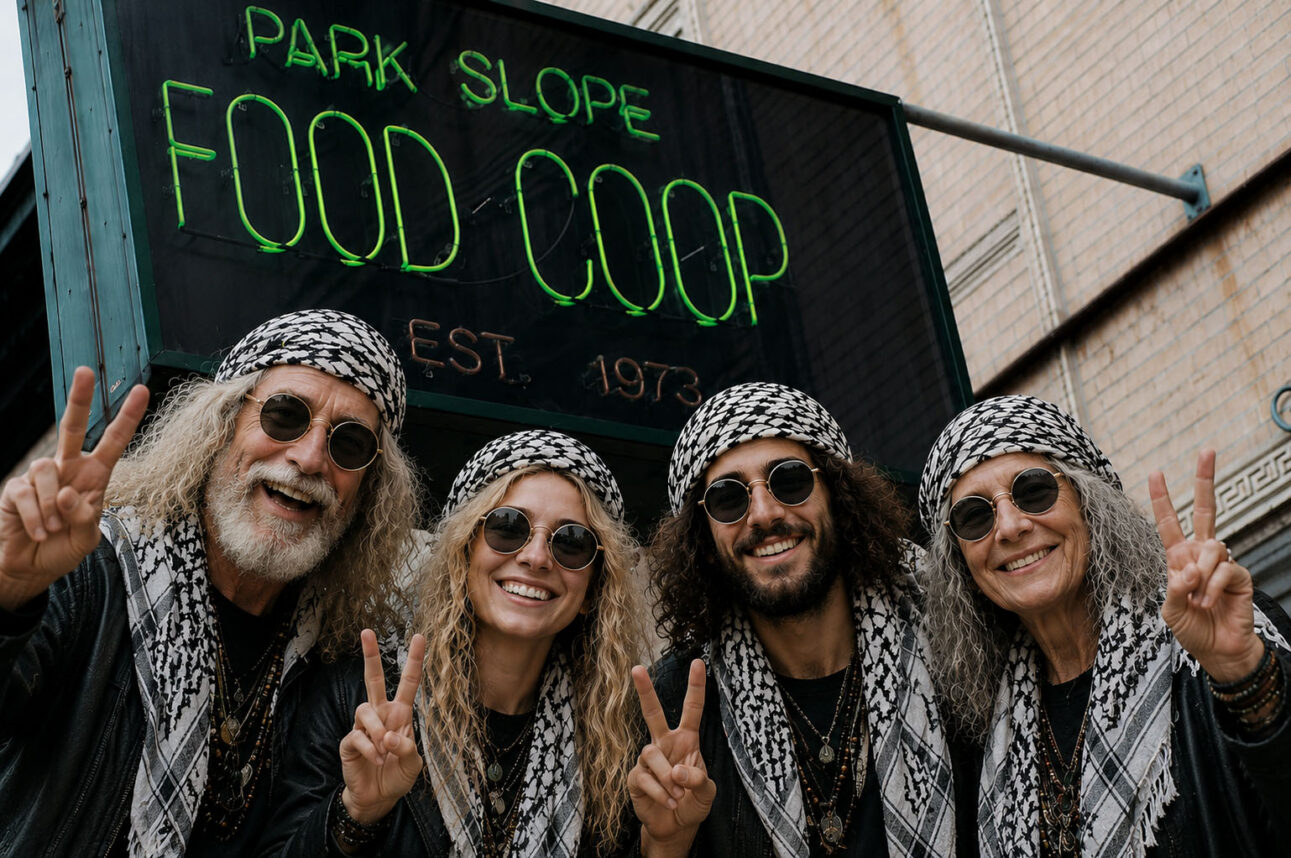
The one community that should have shown unwavering solidarity with Israel after October 7 was the Park Slope Food Coop. Unless they were tripping out on antisemitism last week, what could possibly have drawn them to the side of carnivorous barbarians?
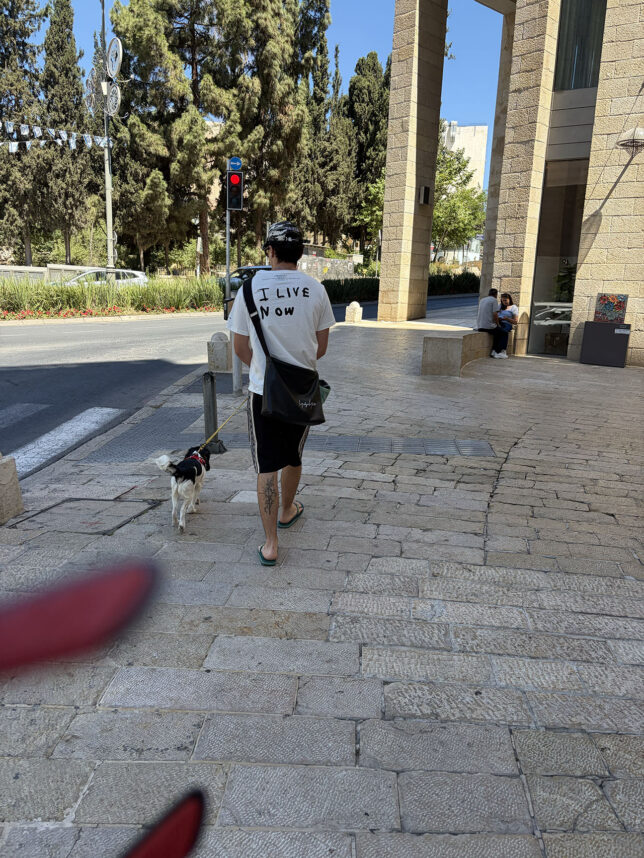
Israelis seem to have a special affinity for that electric energy of the here and now. Maybe that is how the country has made it this far— millions and millions of “What do we do now?”
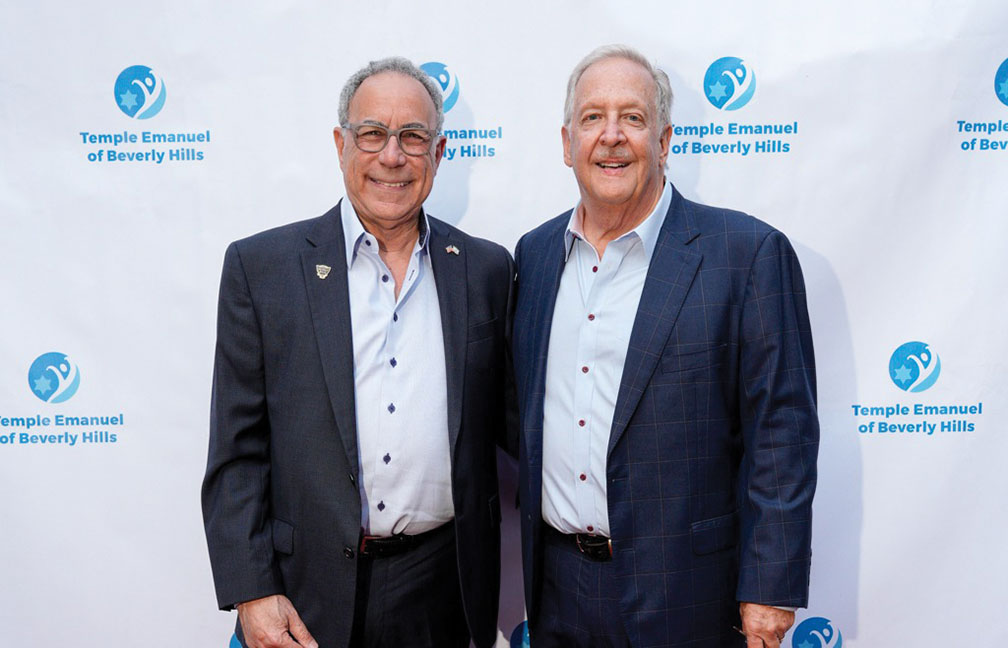
Notable people and events in the Jewish LA community.

AI is accelerating our decline into a monoculture, where everything sounds the same, a culture that is dull and unoriginal.

I wish I knew about this in the 90s when I had the confidence to strut around in a mullet.

As you search, God will likely find you.

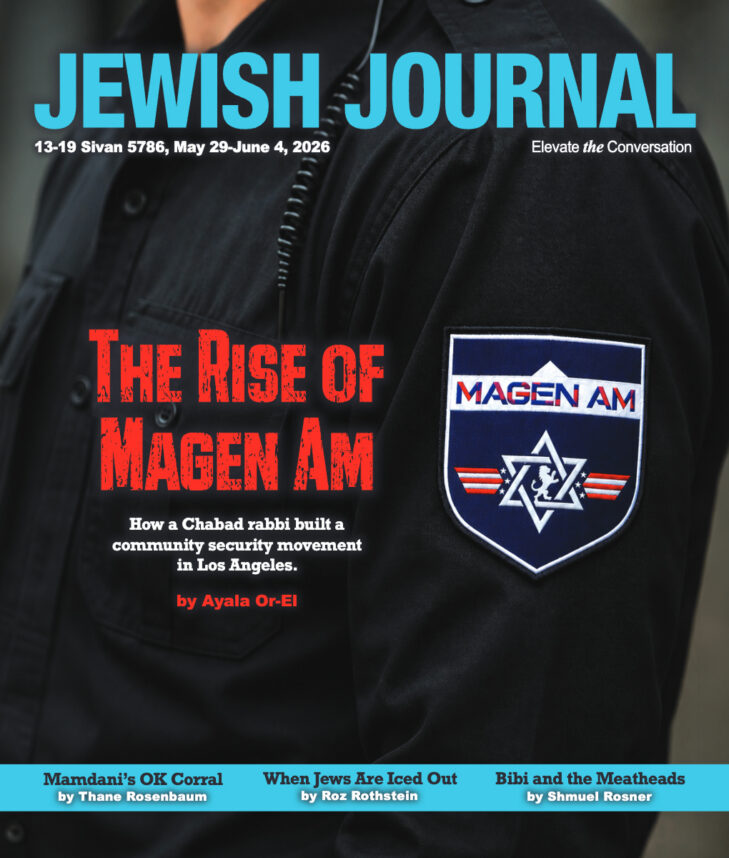
How a Chabad rabbi built a community security movement in Los Angeles.

In her debut book, “Girls®: Generation Z and the Commodification of Everything” Freya India presents a stinging indictment against those she blames for having turned normal girls into GIRLS®, an ideal target market for the social media, pharmaceutical, beauty and online therapy industries.
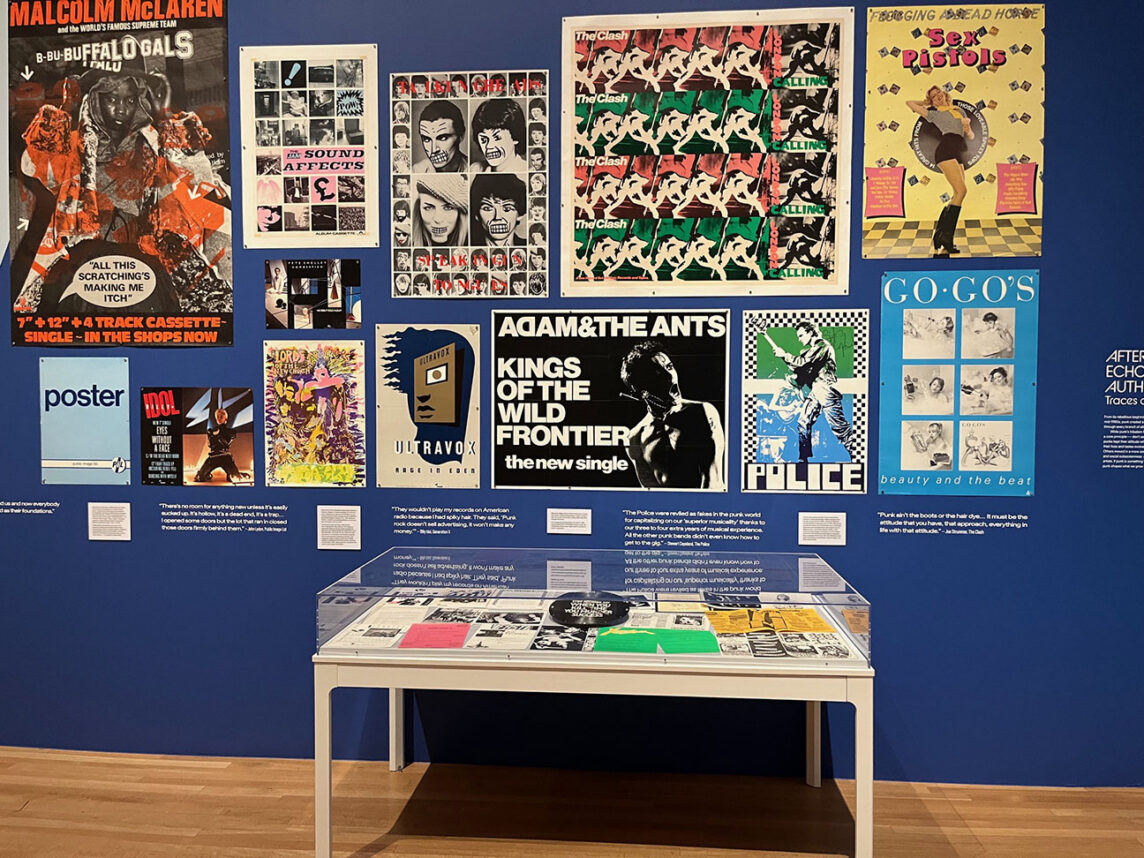
Three fascinating exhibitions now showing at the Skirball Cultural Center stand on their own, yet together they trace unexpected threads of Jewish identity, memory and cultural reinvention.
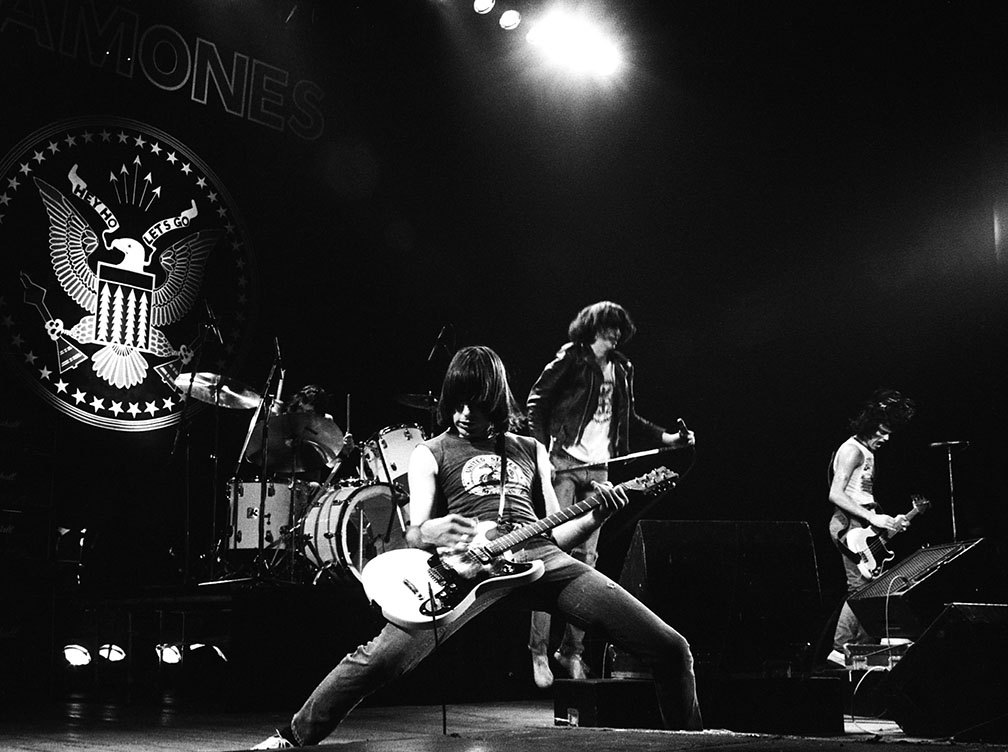
For Cate Thurston, the chief curator at the Skirball, the exhibit gives the museum a chance to “explore this sort of underserved story” about the Jewish relationship and participation and crafting the look of punk
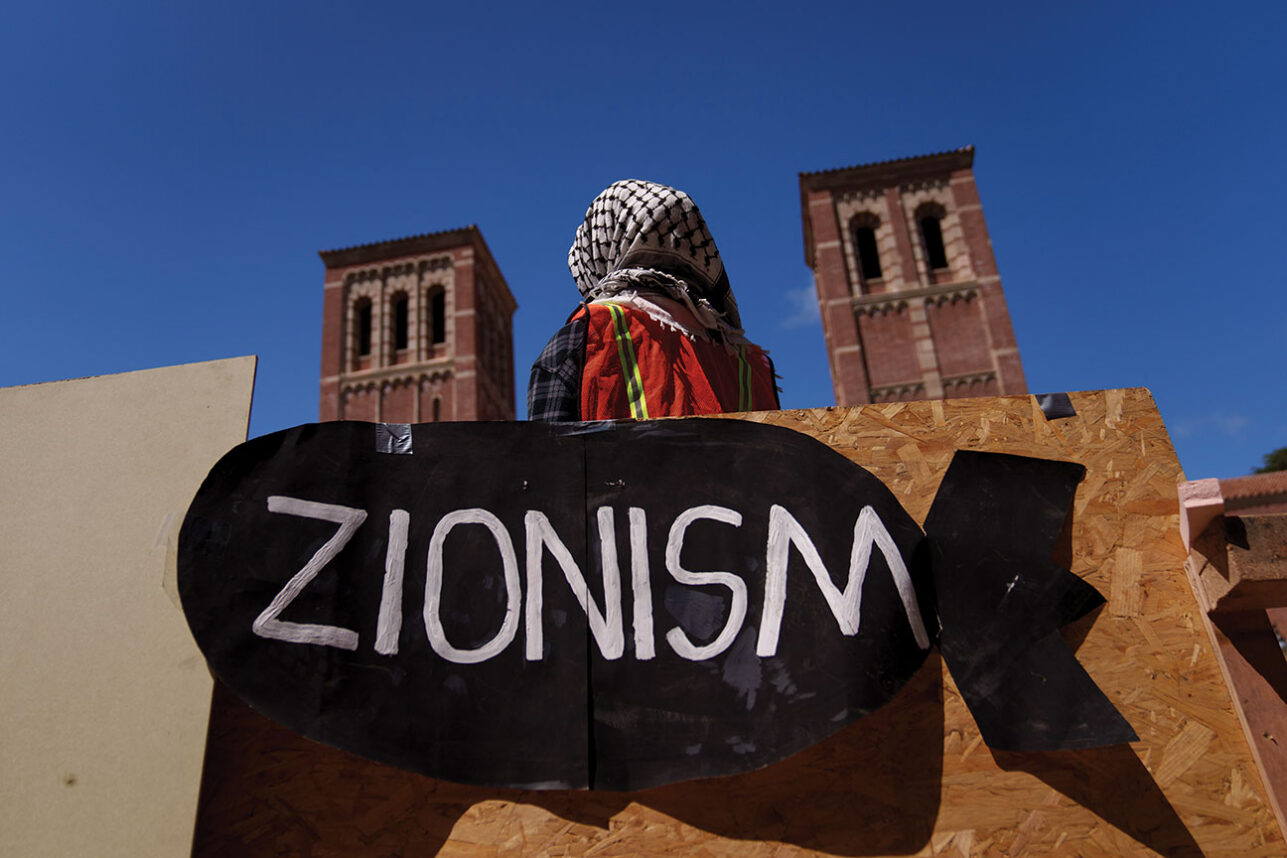
Universities are supposed to protect political free speech, but antisemitism stops being protected political expression when Jewish students are targeted, threatened, harassed, and blamed for the actions of the state of Israel.
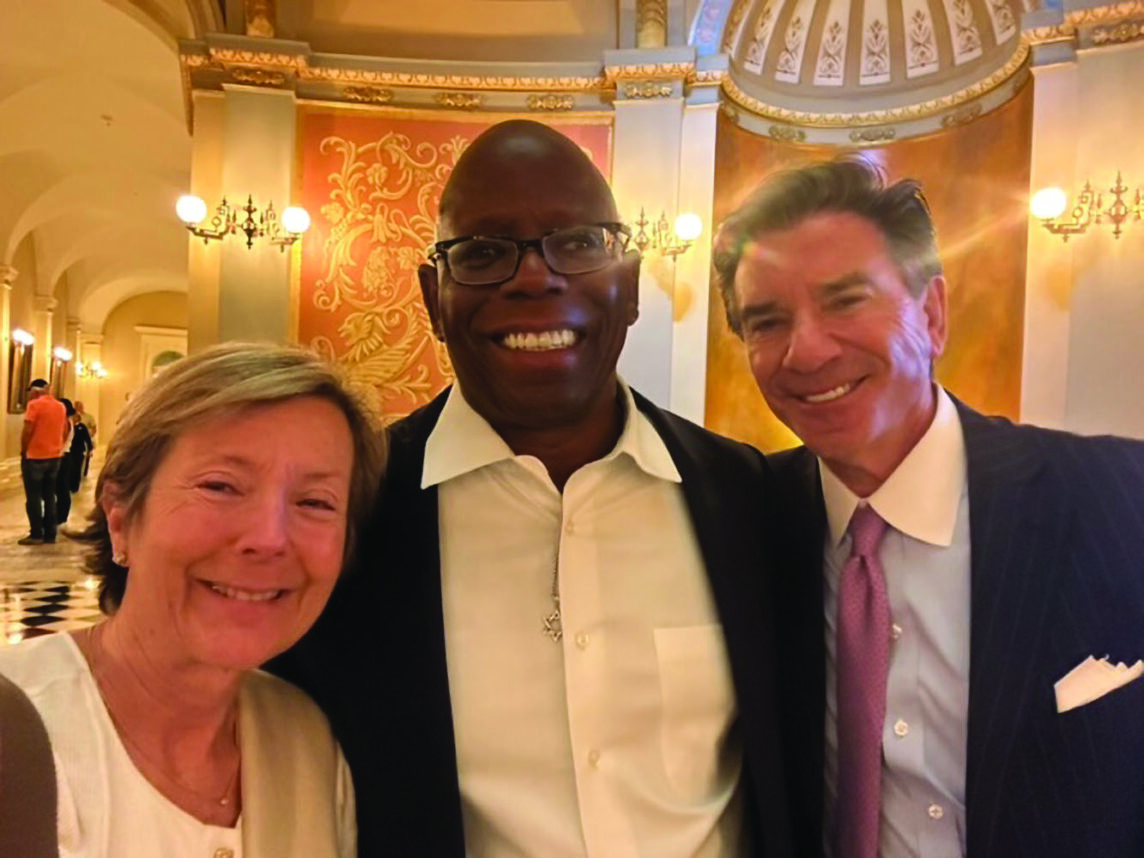
On this beautiful Sacramento morning, in the face, perhaps in defiance of, so much in the world that is painful, tenuous and deeply troubling, we convened and we lifted up what connects us – the promise of growth and healing, and the potent ability for people to endure, to create change, and to scaffold our communities in justice and truth.
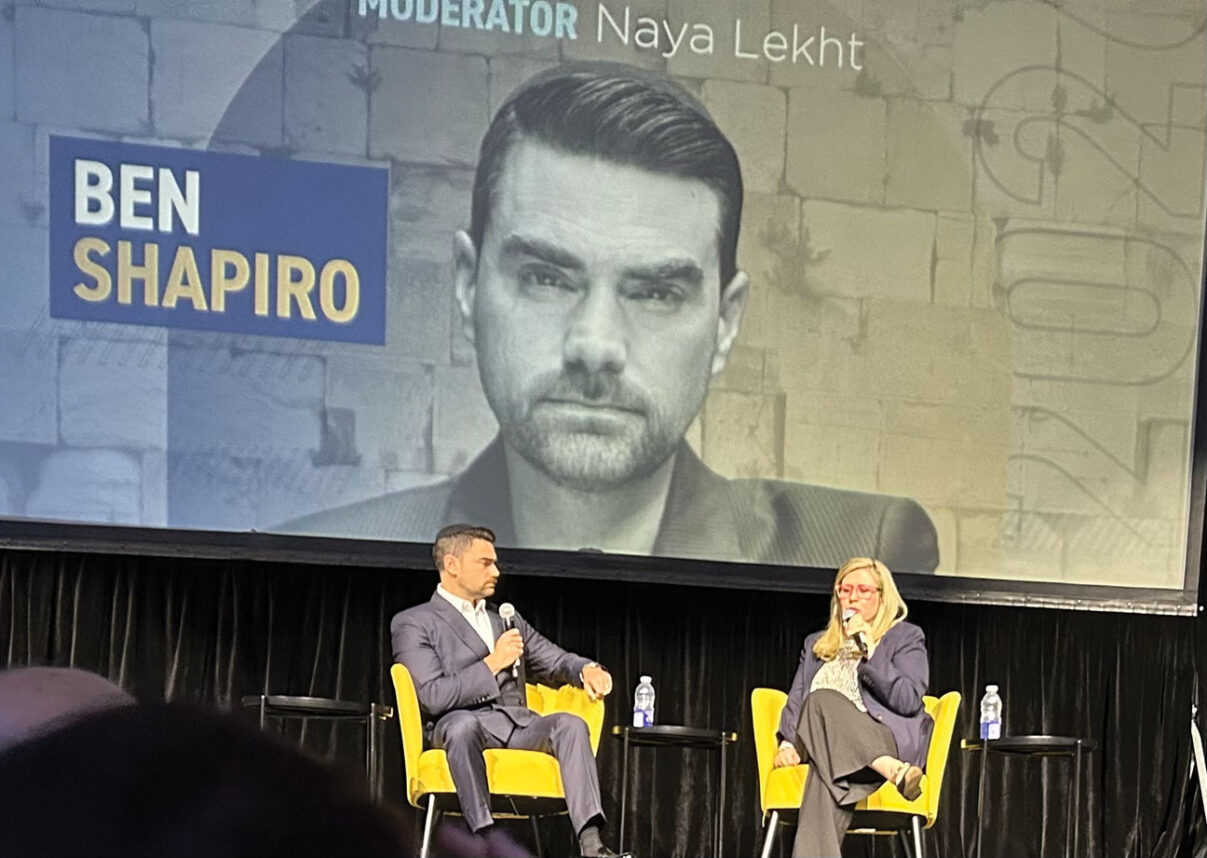
The inaugural World Symposium Against Antizionism reflected a meaningful shift in how some Jewish thinkers and advocates believe the community should engage with the forces arrayed against it.
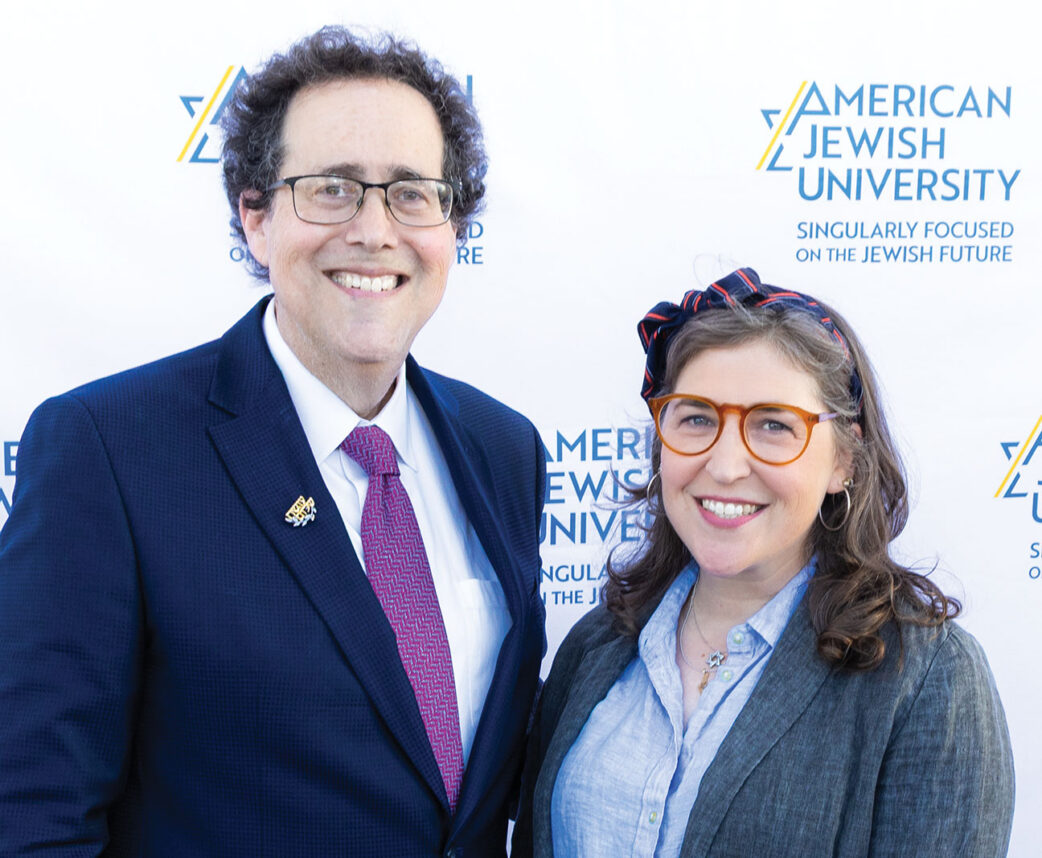
A leading voice in Conservative Judaism, Artson has long shaped Jewish thought and leadership far beyond the walls of AJU.
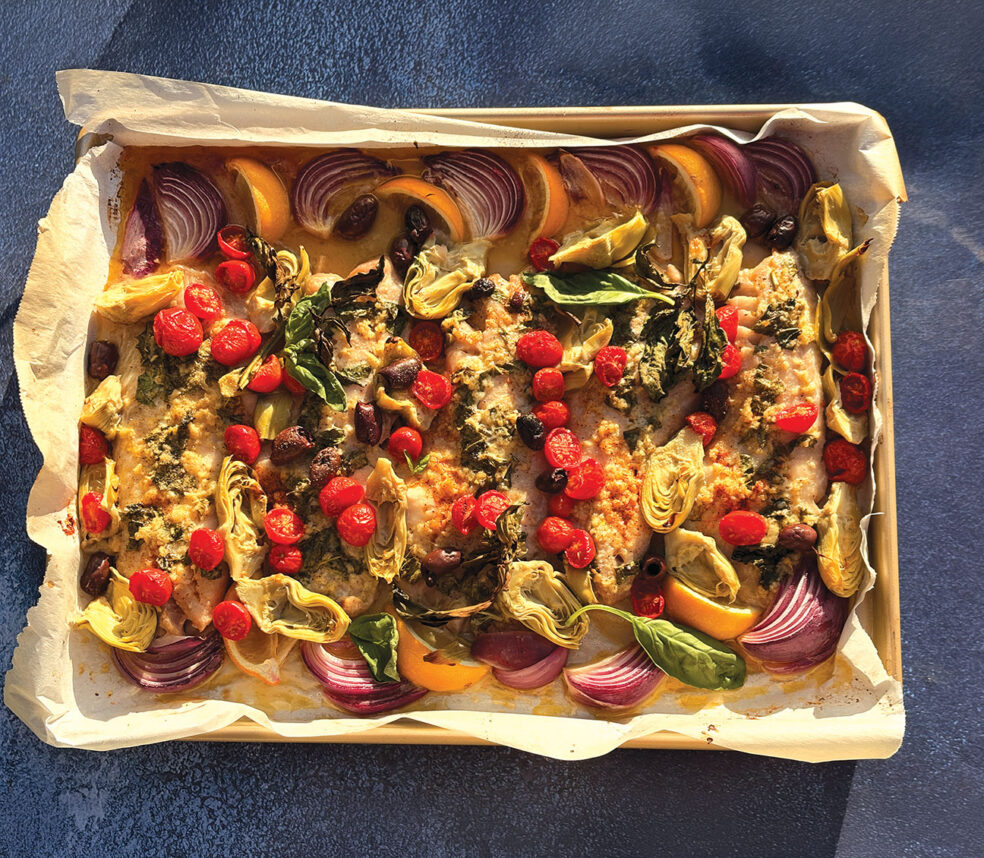
I especially love the way Kalamata olives play against fish, adding a perfectly intense and satisfying umami profile.