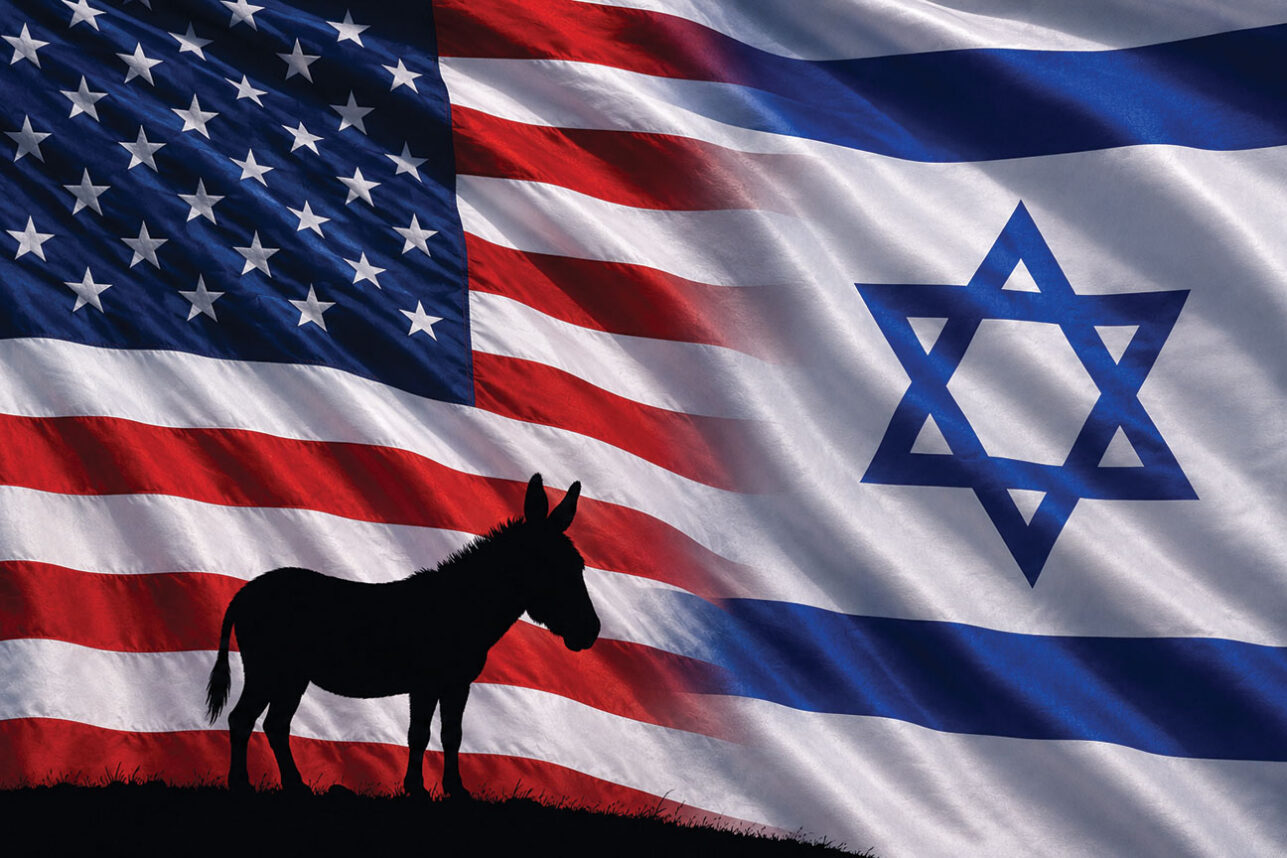
The panic in Democratic circles since the debate debacle is all about replacing an aging President Joe Biden. He performed so poorly in Thursday’s debate it was no longer possible to hide his declining state. The big question now is whether they can find and place a more electable candidate.
But even if Democrats find a way to solve their Biden problem, it still won’t solve a much bigger problem—their abandonment of the working class. Whether they like to admit it or not, the Democrats today are more a party of elites, cultural activists and cosmopolitan Wall Street globalists than hardscrabble American workers.
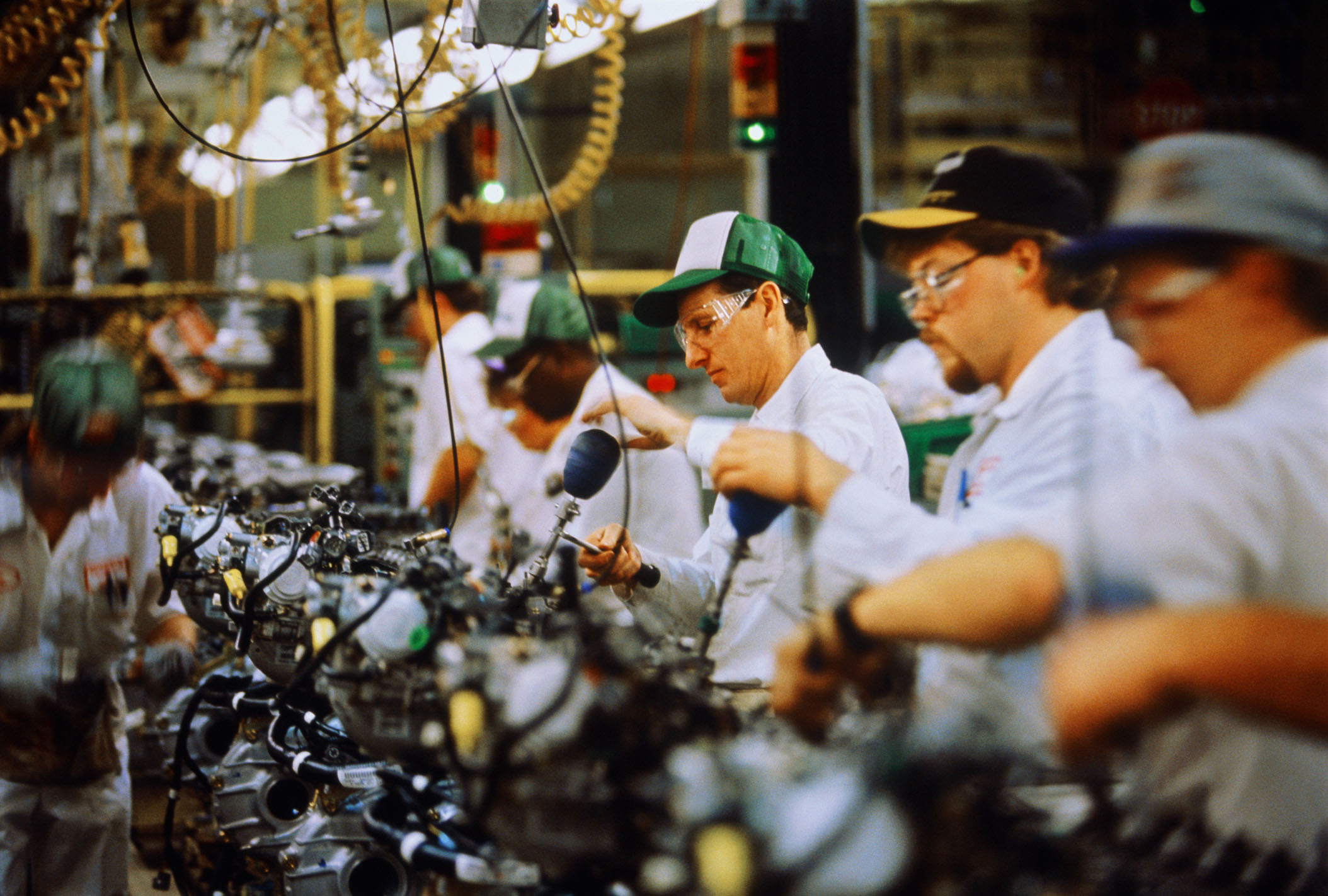
Harking back to the “New Deal” days of Franklin Roosevelt, the working class used to represent the soul of the Democratic party. At the center of that coalition, commentator Eric Sondermann writes, “was the steelworker, the iron-ore miner, the pipefitter, the electrical-line installer, the snowplow driver, the grocery clerk, the hospital orderly, the assembly-line technician, the dairy farmer.”
Today’s Democratic Party, Sondermann adds, has become “a wraparound coalition of many of society’s most affluent along with those on the lowest economic rungs. Accompanying all of this is the assortment of government workers, academics, nonprofit employees, those in therapeutic occupations, climate activists, gay advocates, and those who define themselves and others based largely on skin tone.”
This cultural evolution has taken Democrats farther and farther away from the concerns of working class voters and driven many of these voters into the populist camp of Donald Trump’s “America first” alternative, a more welcoming place where they feel their grievances are heard. You can totally despise Trump and think he’s a racist blowhard, yet still recognize that this is a serious threat to Democratic electoral prospects going forward.
In a recent essay in the leftist Jacobin titled, “Democrats Aren’t Campaigning to Win the Working Class,” Jared Abbott and Fred Deveaux examined the “Democratic rhetorical and campaigning failures that may help Republicans entrench their position as the new party of the American working class,” noting that if the trend continues, it’ll reshape American politics for generations. Why? Because there’s “no sustainable path to victory in national elections without these voters.”
Can Democrats win back these working class voters, which include a growing segment of Blacks and Hispanics who feel alienated from the party? Can the party do the honest soul searching and candid assessment of reality this will require?
As they confront this challenge, whether for this election or future ones, a good place to start would be this list of useful reminders from political scientist Damon Linker, in a recent post on his Substack:
- It is not the working class that sees the police as an unnecessary evil and opposes rigorous enforcement of the law for public safety and public order.
- It is not the working class that believes public consumption of hard drugs should be tolerated, with intervention limited to reviving addicts when they overdose.
- It is not the working class that believes many crimes like shoplifting should be decriminalized because punishing the perpetrators would have “disparate impact”.
- It is not the working class that believes you should never refer to illegal immigrants as “illegal” and that border security is somehow a racist idea.
- It is not the working class that believes an overwhelming surge of migrants at the southern border should be accommodated with asylum claims, parole arrangements, and release into urban areas around the country.
- It is not the working class that believes competitive admissions and job placements should be allocated on the basis of race (“equity”) not merit.
- It is not the working class that views objective tests as fundamentally flawed if they show racial disparities in achievement.
- It is not the working class that believes America is a structurally racist, white supremacist society.
- It is not the working class that sees patriotism as a dirty word and the history of the United States as a bleak landscape of racism and oppression.
- It is not the working class that thinks sex is “assigned at birth” and can be changed by self-conception, rather than being an objective, biological reality.
- It is not the working class that thinks it’s a great idea to police the language people use for hidden “microaggressions” and bias against the “marginalized”.
- And it is definitely not the working class that believes in “decolonize everything” and manages to see murderous thugs like Hamas as righteous liberators of a subaltern people.
If they’re serious about recapturing the working class, Linker concludes, Democrats will have to “move to the center” on all these issues.
This election, then, is about a lot more than the weaknesses of two aging candidates, as big as those are. The Democratic elites who run our legacy media, the political operators and donors who shape their party strategy, and the Democratic politicians who claim to represent the “people,” would all do well to pay closer attention to the people who don’t show up at cocktail parties in DC or fundraising events in Beverly Hills.
This is the silent majority of Americans who don’t consider themselves “deplorables” and couldn’t care less about Davos or identity politics. They care very much about things like public safety, secure borders, cost of living, keeping jobs in America, high quality, non-ideological education and economic progress for all Americans.
If the Democrats can’t speak to the interests of those Americans, it won’t matter who’ll be at the top of their ticket, now or in four years.