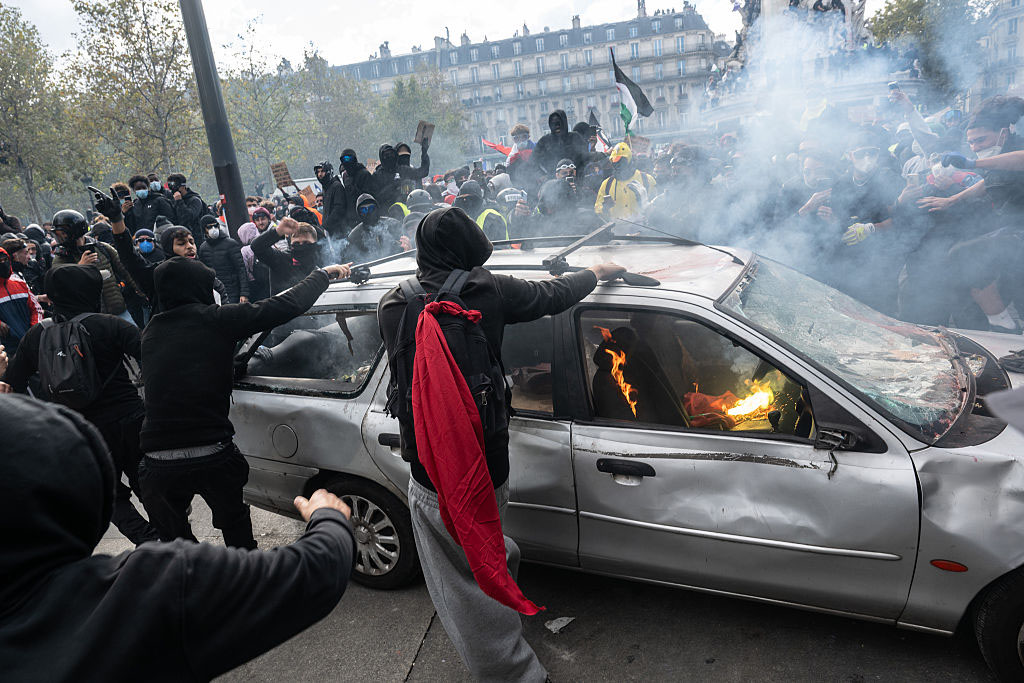
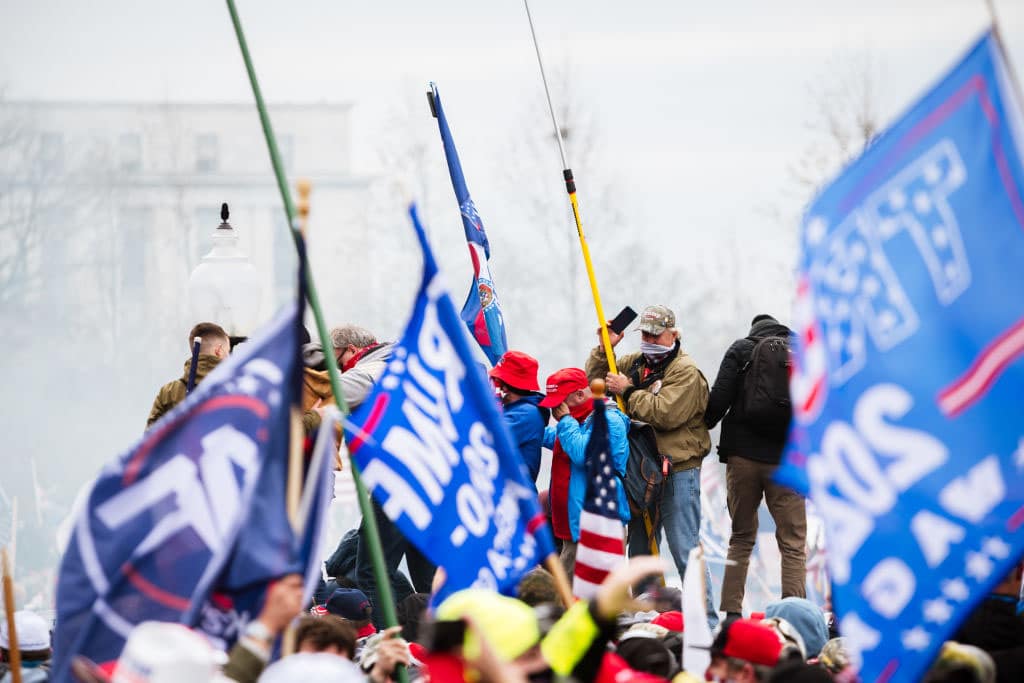
When emotions run high, it’s hard to find the right words. I’ve received hundreds of emails and seen countless social media posts trying to describe the horror show at the Capitol yesterday. People are outdoing themselves in expressing outrage. I’ve been especially interested in how people describe the actual event.
Is there a difference between a “mob,” a “riot” or an “insurrection”? Is “protest” too mild? Is “coup” too strong?
Is there a difference between a “mob,” a “riot” or an “insurrection”? Is “protest” too mild? Is “coup” too strong?
It turns out that the folks at the Associated Press Style Guide have been thinking about this, and they have some answers.
In a staff memo yesterday titled, “How to describe the events at the U.S. Capitol,” they wrote:
“We are being questioned about the correct language to apply to the protesters backing President Donald Trump in Washington and the dramatic events taking place today at the U.S. Capitol.”
So far, the memo explains, their coverage has spoken of a “chaotic protest aimed at thwarting a peaceful transfer of power,” a “melee” and a “raucous, out-of-control scene.”
But because armed protesters broke into the building and overwhelmed Capitol police, “protest” on its own is too mild. The AP guide suggests “surrounding it with strong adjectives and context, such as ‘violent protest’ or ‘rioting protesters.’”
Taking it a step further, the memo adds, “Calling it a ‘mob’ or a ‘riot’ would also be appropriate, especially when the protesters’ actions were wild, widespread, violent and uncontrolled. The term ‘insurrection,’ meaning the act of rising up against established authority, could also be justified.”
However, the Style Guide draws a line at the word “coup,” which they describe as “a sudden, organized seizure of political power or an attempt by a faction or group to seize political power suddenly outside of the law.”
The reason “coup” goes too far is that there’s no “conclusive evidence that the protesters’ specific aim was to take over the government.”
This is what you get when you gather a group of word nerds on a day when all hell broke loose. They stay calm. They look at every word with a cold eye.
But it was their final instruction that got my attention:
“Finally, reiterating our recent Standards message: Please refrain from expressions of personal opinion about these political events in your social media or contacts with others. Let’s let the facts in AP’s reporting speak for themselves.”
Refrain from expressions of personal opinion? Let the facts speak for themselves? Describe madness without emotion? For us mere mortals, that world doesn’t exist.
Still, it’s worth taking a moment to appreciate the singular meaning of individual words, even when all hell breaks loose and all we want to do is scream.