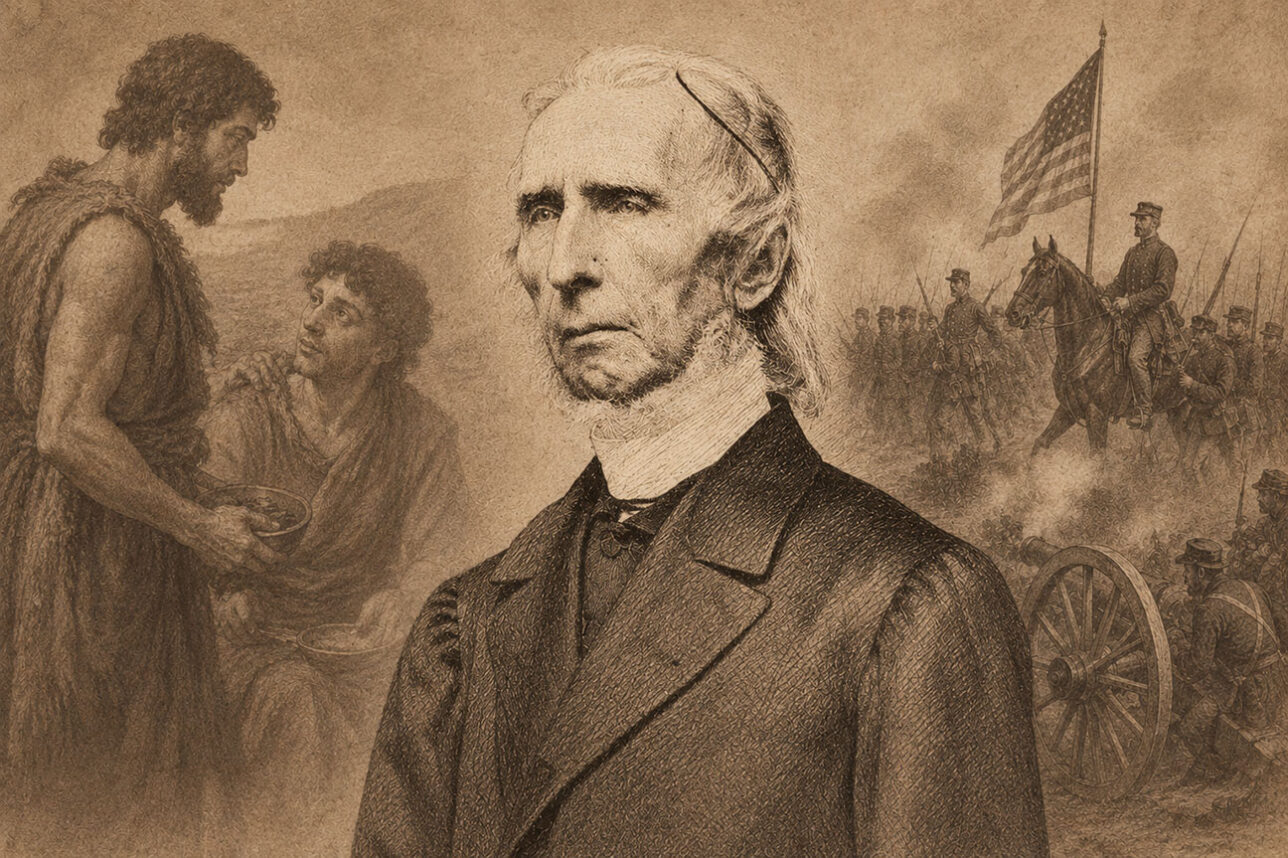

Ever wonder why Joseph’s brothers threw him into a pit, and then sold him into slavery? Maybe it was jealousy. Their father, Jacob, made no effort to hide the fact that Joseph was his favorite son, signifying Joseph’s exalted status by presenting him with his legendary coat of many colors.
But there is another reason: The Torah reveals that 17-year-old Joseph was simply insufferable. He had recurring dreams extolling his own superiority, and he wasn’t shy about sharing them with his family. He reported that in his dreams not only did his brothers prostrate themselves in front of him, so did “the sun, the moon, and eleven stars.” Even his loving father was put off by his son’s self-importance: “What is this dream that you dreamt? Your mother, your brothers, and I – must we really come to bow down to the ground before you?” (Genesis 37:10). No surprise his brothers could no longer stand the sight of him.
However, two decades later when Joseph reunited with his family, he was a different man. Having worked his way up from being a slave to becoming the equivalent of Egypt’s Prime Minister, you might expect that Joseph would have been more arrogant than ever. So when Joseph unveiled his identity to his brothers, they “recoiled in fear of him.” But instead of exacting revenge, Joseph expressed his forgiveness, kissing them, and promising to provide for them and their families. I don’t know about you, but I would be hard pressed to forgive siblings who threw me into a pit, even if I deserved it.
There are many biblical characters who changed for the better over the course of their lives. King David, for one, ordered the death of Uriah so that he could then marry Uriah’s wife Bathsheba. We all sin, but that one is a doozy! Yet, not only did King David eventually pray for absolution, he devoted his life to repentance, vowing never again to transgress. His legacy was assured, and he is rightfully recognized as Israel’s greatest king.
If Joseph and David can improve themselves after such spectacular failures, perhaps there is potential for us all.
The subject of personal growth has long been of interest in the field of psychology. An extensive literature focuses on why some traits change throughout one’s life, and others do not. A critical element is individual desire. Those who wish to develop in a specific way may succeed if they put in the effort. And the aging and maturing process can be a catalyst, especially if it involves being exposed to new ideas and reevaluating past actions. That finding isn’t exactly shocking. In ancient times, Aristotle argued that insight and growth arise from a lifetime of experiences, and a century ago, the essayist William George Jordan wrote that “mistakes are the growing pains of wisdom.”
That gives me hope for myself, and for others. And I have particular people in mind.
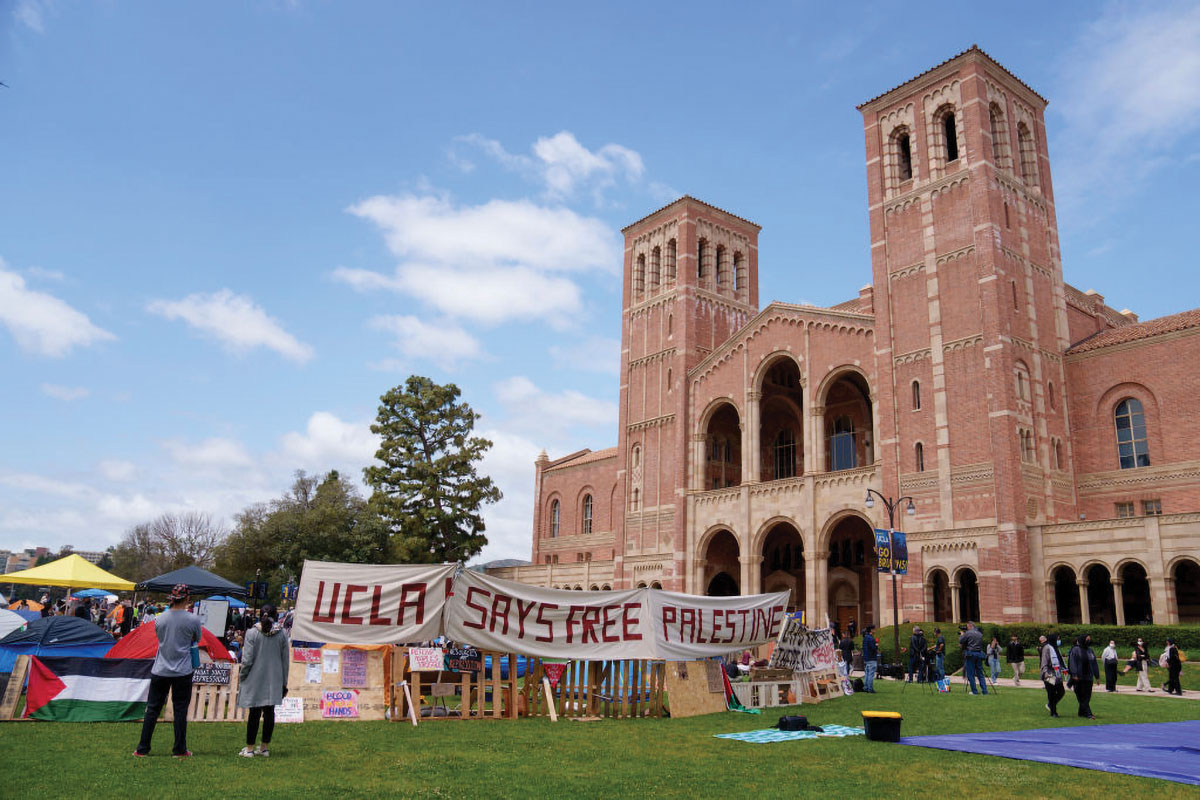
One of the most disturbing aspects of the aftermath of the Oct. 7 massacre is observing self-identified Jews acting in solidarity with those who seek the demise not just of Israel, but of Judaism. I am beside myself trying to comprehend why any Jew would stand alongside individuals who gleefully tear down hostage posters, and chant about globalizing the intifada “by any means necessary.” Are they so taken up in the mob mentality, and in their desire to prove they are bona fide “progressives,” that they are okay with aligning with those who have been calling for the death of all Jews, themselves included?
I have to believe that they can change, that one day they will reassess their actions, reflecting with remorse how they provided comfort to our mortal enemies. You might think I am hopelessly naïve. To paraphrase Winston Churchill, if some people walked down the street and tripped over the truth, they would get up, dust themselves off, and continue down the road as if nothing had happened.
Judaism compels us not only to make the world a better place, but to make ourselves better as well. The stories of Joseph and David should inspire us to do exactly that.
But as Rabbi David Wolpe reminds us, Judaism compels us not only to make the world a better place, but to make ourselves better as well. The stories of Joseph and David should inspire us to do exactly that.
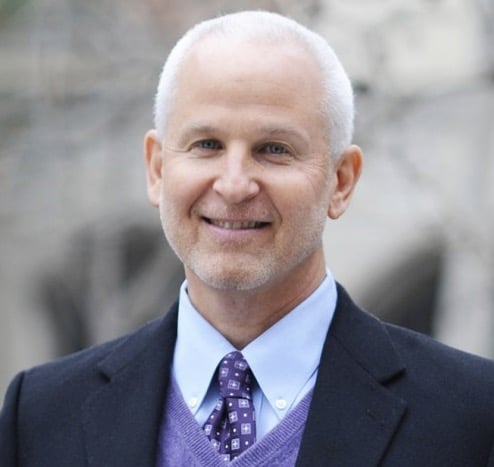
Morton Schapiro is the former president of Williams College and Northwestern University. His most recent book (with Gary Saul Morson) is “Minds Wide Shut: How the New Fundamentalisms Divide Us.”