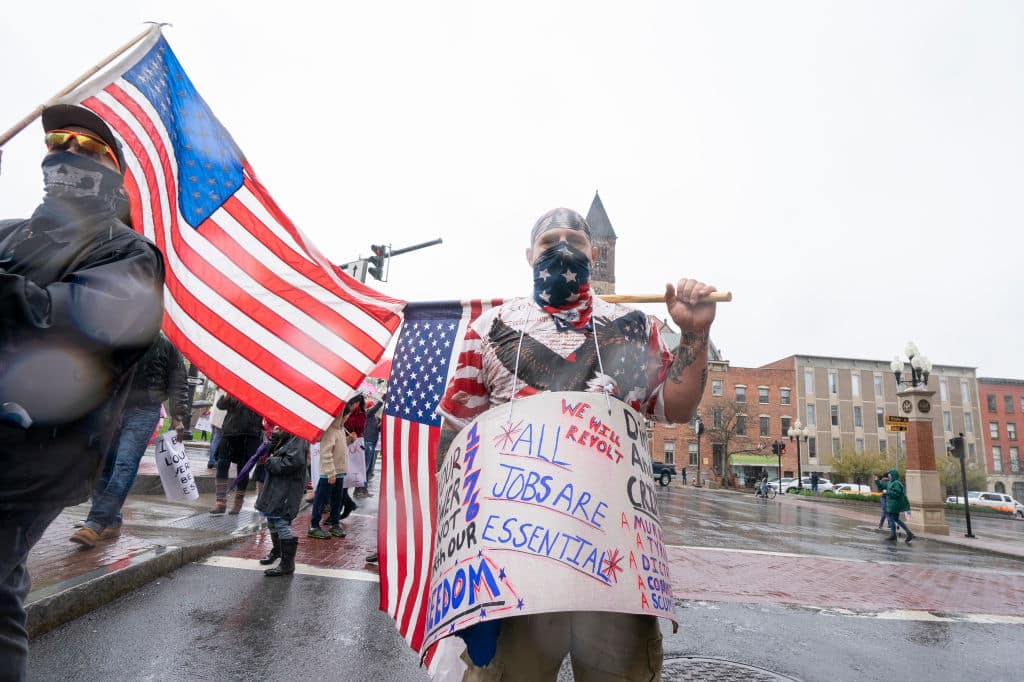
Change always triggers our emotions. Whether it’s confusion, pleasure, joy, concern, anger or sadness — anything that causes a blip in our expectations sets off activity in our brains. It makes sense that people have strong emotions regarding government-implemented restrictions during the coronavirus pandemic. What doesn’t make sense is the verbal violence and physical actions many protesters have utilized. It is clear these people either haven’t read a history book, didn’t pay attention when they did, or believe in revisionist history.
It makes sense that people have strong emotions regarding government-implemented restrictions during the coronavirus pandemic. What doesn’t make sense is the verbal violence and physical actions many protesters have utilized.
I understand that the government telling you what to do chafes. And yes, there is a curtailing of what Americans think to be freedom. Mentally, it is driving me up a wall, too. However, there’s a difference between wearing face-masks and not shopping at Macy’s, and true government seizure of human freedom.
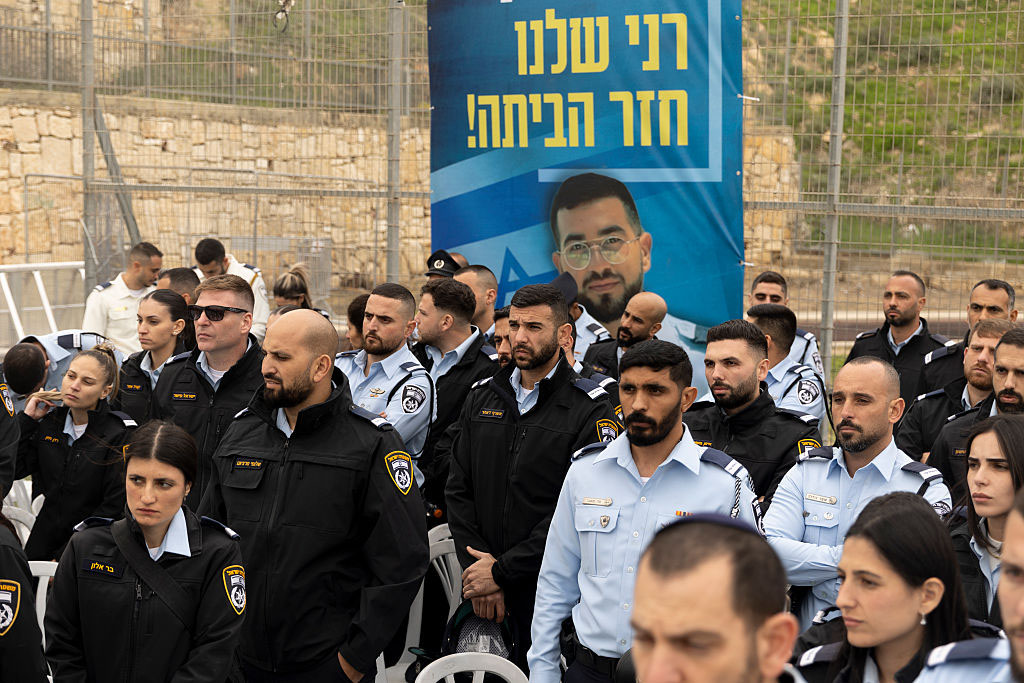
When I look at a gathering of “freedom” protesters, I see people fully clothed. There are no government-required uniforms. Nothing is tattered (unless it’s a fashion statement). Everyone wears shoes. There apparently is enough disposable income to afford jewelry, sunglasses and specially manufactured hats and the occasional face-mask. I also see the cars and motorcycles in which the protestors arrived. I assume they are owned or leased, not stolen from a government facility. I also assume these protesters have arrived from the same homes they lived in last week; homes they own, rent or lease. I see cell phones. This means you are communicating with anyone you want. You are exchanging information about yourself and your views on the government.
Everyone appears robust and healthy. Men have chosen to sport beards or not. Some protesters have screamed in the faces of the men and women who are working to protect them and others, and no one has been executed via hanging or a bullet to the head for it.
I vehemently disagree with the way the federal government has withheld information, disseminated incorrect information and downplayed the severity of this pandemic.
Don’t get me wrong. I vehemently disagree with the way the federal government has withheld information, disseminated incorrect information and downplayed the severity of this pandemic. Right now, I abhor the current presidential administration. If I had known about COVID-19 in January, I would have hoisted my seriously ill father — who looking back, had all the symptoms — over my shoulder and dragged his stubborn rear end to the ER. Of course, at that time, the ER doctors might have had no idea what was wrong, either.
However, wearing a mask, having to buy new socks and undies at Target or Walmart instead of browsing for them at a shopping center, and using Zoom and FaceTime to connect with relatives are small prices to pay for making sure you can continue to FaceTime those relatives next month — because they still are alive.
When I look at a gathering of “freedom” protesters, I don’t see pajama-style uniforms, numeric tattoos on forearms and yellow Stars of David sewn onto clothes. I don’t see distended stomachs or prominent ribcages indicating starvation. I don’t see men forced to shave off facial hair, or women forced to cover their arms, ankles and hair.
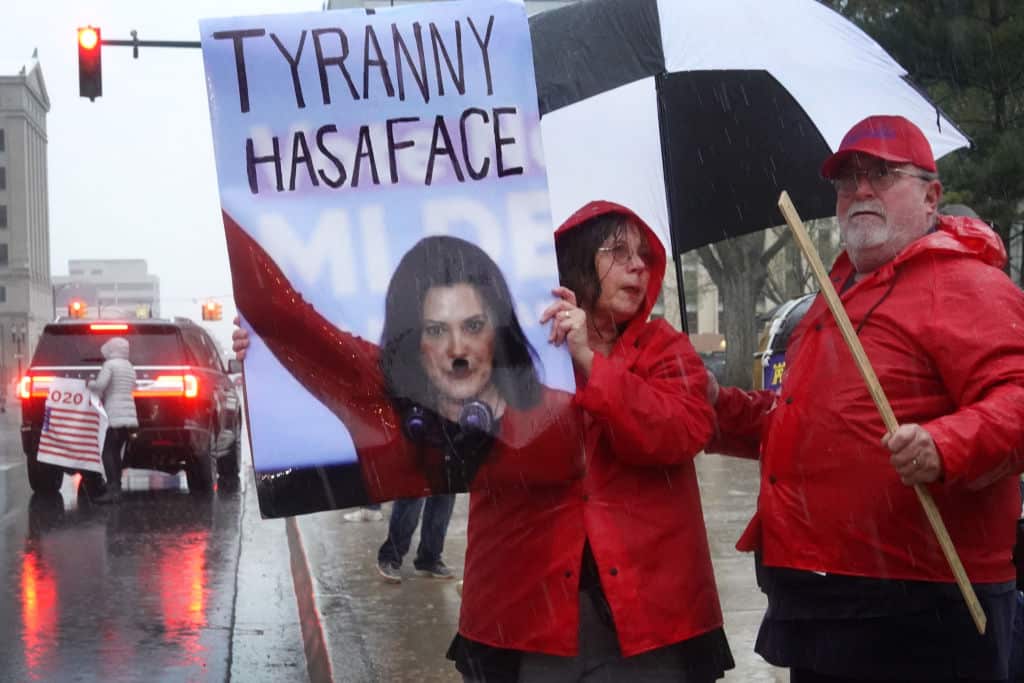
I don’t see armed guards forcing protesters into overflowing paddy wagons overflowing to be driven to a work camp or to be murdered at a death camp. I don’t see chains on your ankles or around your neck. I don’t see anyone preventing you from driving or walking back home. I don’t see children being ripped from your arms.
I see protesters in their homes, not behind barbed wire. I see them having access to the same medical care those wearing masks are granted. I see them in the grocery store and pumping gas. I don’t see their possessions being seized. I don’t see their land being seized. I don’t see anyone being forced into ghettos. I don’t see the government cutting off Wi-Fi so no one can pass on information. I don’t see mass book burnings.
I recently watched a YouTube video produced by a couple of South Koreans. One of the hosts brought up a good point: Americans likely are so bothered by and uncomfortable with face-masks because unlike in Asia, masks are not an everyday occurrence. I agree. It takes getting used to, as does social distancing. However, these masks are not suffocating us. Social distancing does not mean we are trapped in solitary confinement in prison or in a concentration camp. We have means of communication.
Social distancing does not mean we are trapped in solitary confinement in prison or in a concentration camp.
I understand the economic effect mandatory closures have on small businesses. I have seen layoffs and experienced pay cuts. I struggle to pay bills. I have had to cut luxury services such as cable and movie streaming sites. I have donated to those in need. I make frequent grocery runs for the elderly, immuno-compromised neighbor down the street. I support local charities and point people toward the best local restaurants and small businesses. I mourn when I learn someone has passed away. I worry about my family members working outside the home contracting the coronavirus.
However, no protester is slated by the government for death or forced labor. You are not being beaten into submission. You are not penned in like animals. You are not being systematically starved or tortured.
This is not the Holocaust. This is not the internment of Japanese Americans during World War II. This is not the slavers’ selling blocks. This is not the border camps.
This is not the Holocaust. This is not the internment of Japanese Americans during World War II. This is not the slavers’ selling blocks. This is not the border camps.
Unless you find yourself in the same situation as any of the aforementioned government-caused situations, stop complaining about your “freedom” being taken away by your local or state government. By protesting the actions necessary to stop the spread of COVID-19, you only demonstrate that you don’t have a clue what “freedom” really means.
Sarah Hannah is a writer, editor and religious school educator on the East Coast.