Social media is partly to blame for the election of Donald Trump. It may sound far-fetched, but hear me out.
This all started back in 2009, when Facebook, and pretty soon Twitter, Instagram, and a host of other distractions, began to feel ubiquitous. Suddenly, if you weren’t on the social network, it could feel like you were out of step with the times. Or put another way: if you had no digital presence, you had no clout.
But before Snapchat allowed us to filter our faces with deer antlers, before Kim Kardashian “broke the internet” with her comely behind, there was its precursor: reality television. And guess who jumped on that bandwagon faster than he just upset the U.S. election?
Reality TV, which gave rise to Trump’s national celebrity, offered us our first taste of self-involvement and snap judgment as a form of nightly entertainment. We became fascinated by the “characters” on these cheaply made, wildly successful psycho-dramas, which replaced actors with “real people,” and blurred the lines between fiction and reality.
For Trump, it was a natural leap from The Apprentice, where he rated and berated his revolving cast of contestants, to Twitter, where he ripped apart his growing list of foes. Armed with more than 13 million followers on the sound byte-based platform, he could spew innuendo and insults with the unfiltered rage of a four-year-old.
There is no fact-checking on Twitter, no editor to point out flawed arguments, so Trump’s lies could go unchecked and his echo chamber of followers proved willing to digest his simplistic tirades in bite-size morsels of 140 characters or less. Needless to say, our national dialogue has been dumbed down as a result.
And then there’s our (and Trump’s) vanity.
Social media relies on vanity as a central component of its success: it asks us to consider the way we look at every moment, living our private lives in public and blanketing the web with “selfies.” The art of self-portraiture has been bastardized, such that instead of pointing the lens at the deepest part of our souls, we instead aim our iPhones for our most flattering features, our prettiest smiles, our best attempts to look acceptable and then some.
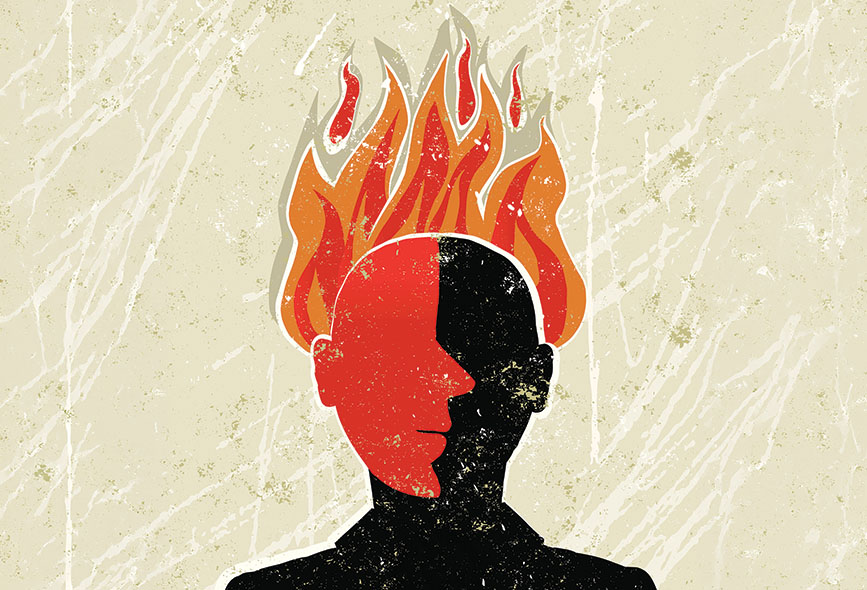
Trump is not alone in his need for constant (and instant) praise, attention, and adulation. In 2016, we are all Narcissus staring into the pool. The man with the neon orange hair–who is, sadly, the next American president–is merely our reflection.
Rebecca Spence is a writer, editor and teacher based in Los Angeles.
www.rebeccaspence.com