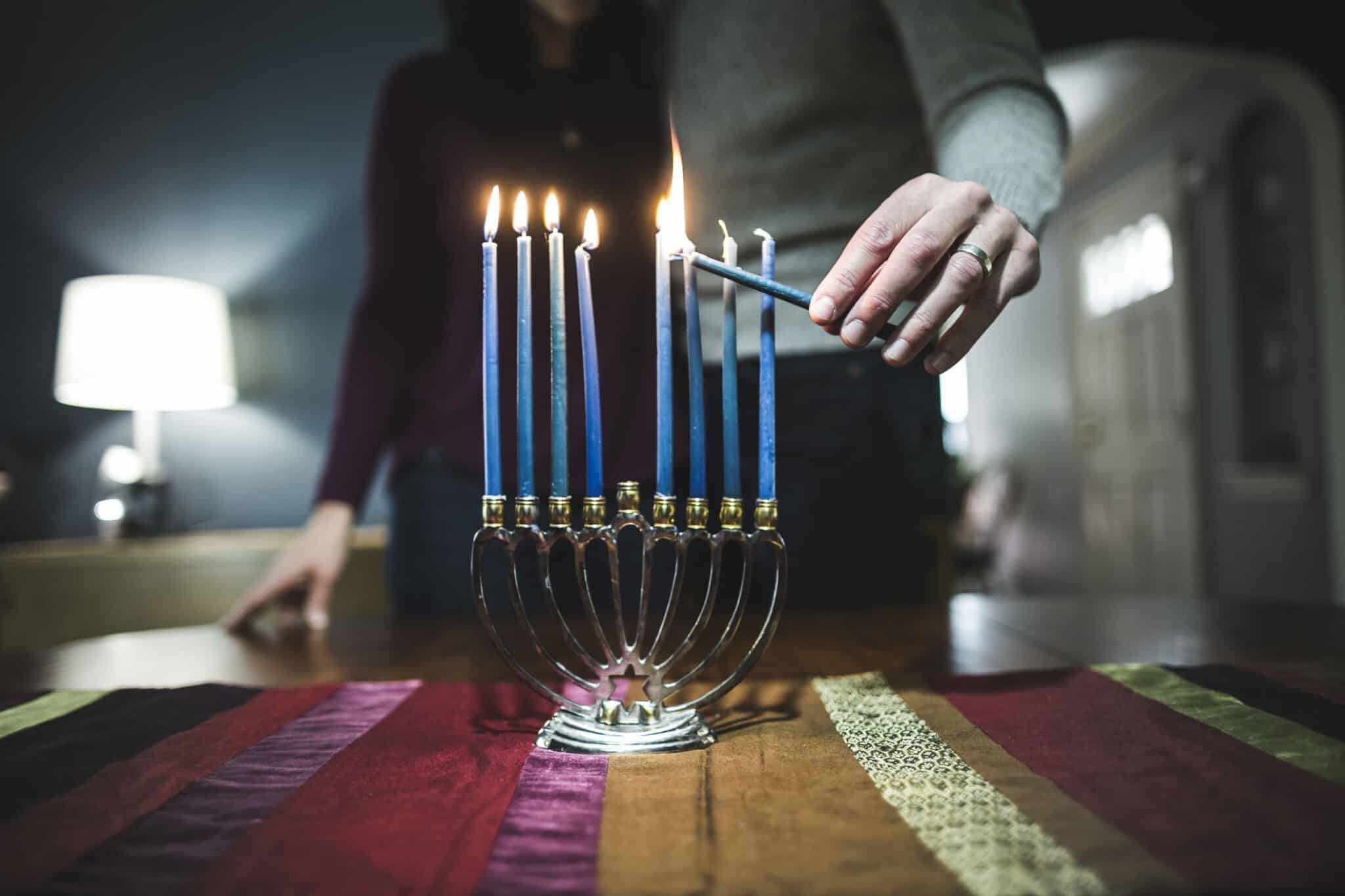
Tonight, Jews around the world will dust off their nine-branched candelabras and begin lighting the Hanukkah menorah for eight days. Despite the ever-escalating danger of identifiable Jewish pride and practice, this 2,000-year-old tradition will continue. The message it conveys could not be more relevant for Jews and the entire Western world.
Consistent with Jewish convention, the Hanukkah lighting procedure is the topic of fierce debate in Talmudic texts. This ancient rabbinic dialogue provides an insightful framework for considering the American past and future. Two prominent sages in Talmudic literature, Hillel and Shammai, suggest contrary notions regarding the proper method of lighting. Perhaps Jews should begin with a single candle on the first night and kindle an additional candle each of the eight nights as Hillel suggests. Alternatively, every Jewish home should begin with eight candles and detract one by one as Shammai advises. Ostensibly, this debate seems inconsequential. Why bother deliberating about trivial ritual? However, as is the case with all Talmudic thought, there is a fundamental inquiry at hand.
Candles signify the Jewish spirit, as is stated in Proverbs 20:27, “The soul of man is God’s candle.” While the devout individual’s elation increases with the spirit of the holiday, the average Jew may be disheartened to find their enthusiasm dwindling as the repetitive ceremony continues. Underlying these two Talmudic approaches is a psychological query; should one project the person one aspires to be or is one doomed to the grim reality of one’s current inadequacies? Talmudic discussion concludes with the acceptance of Hillel’s approach, and therefore every Jew models the righteous adding one candle each night. Awareness of our shortcomings serves as a springboard for renewed spiritual commitment and growth. Acknowledging our flaws does not doom, it demands and motivates us to continue striving — not simply on the individual level, but for society at large.
Rabbinic law mandates that the Hanukkah lighting be done in the presence and purview of others; ensuring that the light of moral clarity permeates public spaces and reaches every individual.
America can learn from the Festival of Lights. American exceptionalism rests in our nation’s ability to admit its errors and move forward with resilience and pride that we can do better. Particularly in this age of moral decay, when our founding Judeo-Christian values are under attack and barbaric ideology threatens our very humanity, it’s more important than ever to glance at the Hanukkah lights and remember the good we strive towards.
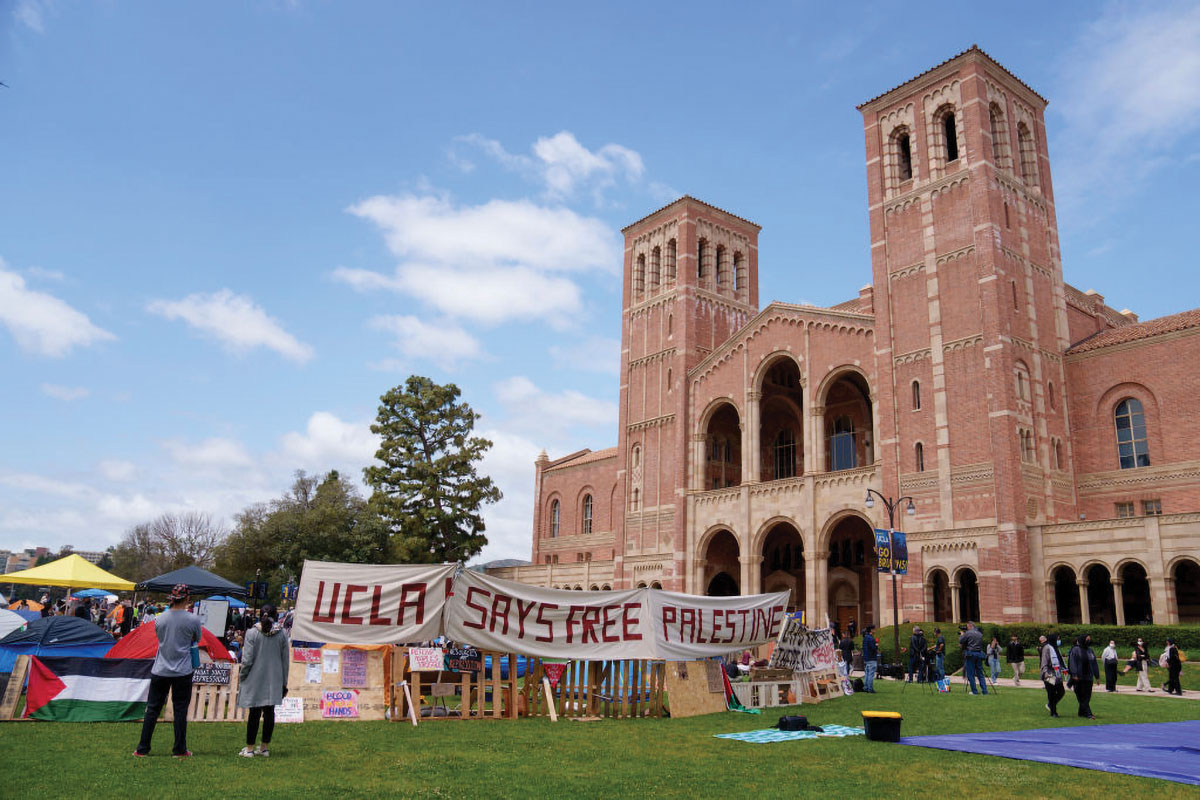
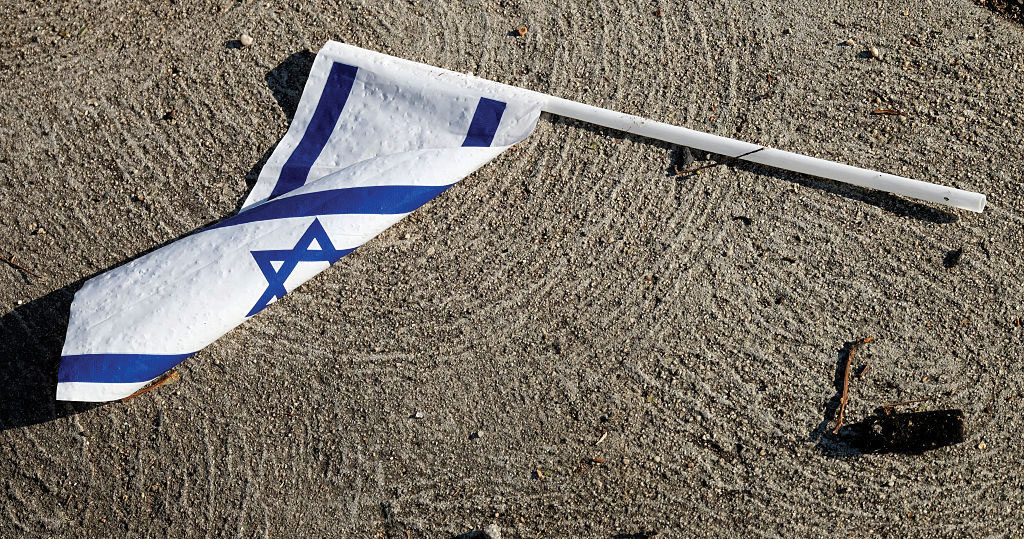
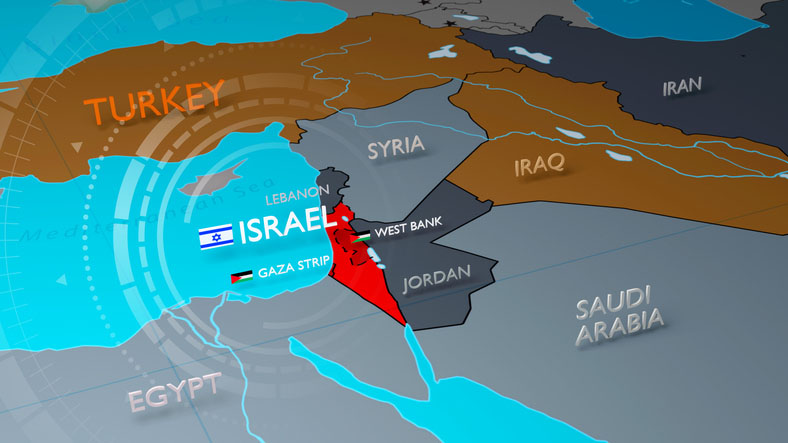
Israel, the homeland of the Jewish people and the backdrop of the Hanukkah story, is at the front lines waging this moral war. Hamas stands against all we hold dear: the sanctity of life and morality. Hamas’ leader, Ismail Haniyeh, aptly summarized the moral irreconcilability: “We love death like our enemies love life!” We protect children; Hamas straps them to explosives. Israel has the misfortune of being geographically surrounded by barbaric, tyrannical entities, and stands like the Hanukkah candles, a beacon of moral light in the Middle East; but this isn’t Israel’s war to wage alone. Proxy battles of this decisive moral war unfold on every college campus, on each social media platform and in virtually every public arena. Hamas seeks Israel’s physical destruction, but make no mistake, they seek the West’s moral slaughter as well.
The Hanukkah story is often misportrayed as a political victory. Truthfully, it is a celebration of the Jews’ spiritual triumph, rejection of nihilism and the reinstatement of moral practices. The Maccabean fight has found a new front in America. We must constantly assess, “What values do our actions advance?”
If Jews are tasked with being a “light amongst the nations,” America has no less of a mandate as a light unto the world. It is tasked with securing society’s moral future. Granted, America has flaws; it flails and stumbles and errs but keeps striving. King Solomon, whose renowned wisdom drew global attention, noted, “Seven times the righteous man falls and gets up, while the wicked are tripped by one misfortune.”
Reflecting on the past while remaining committed to a brighter future is what defines us.
Fixating on “founding sins,” rioting to uproot American institutions, and dismissing
American Judeo-Christian values as obsolete or evil is hopeless and destructive. The “Beit Hillel” American acknowledges the discrepancy between our ideals and practices, but works harder to minimize the gap rather than surrender to despair.
Hillel, through discussion of the menorah lighting procedure, teaches us how to respond to looming darkness. Jewish law specifies that the Hanukkah lights be kindled precisely at nightfall — when the sun slips away and darkness reigns supreme. It is at this moment that the Jewish people strike a match and kindle the flames of moral fortitude. Hassidic Jewish thought teaches, “A little light dispels much darkness.” America faces a moral reckoning. Will we sulk over past grievances or resolve to pursue our higher ideals with greater determination toward a brighter future? The Jewish stance is clear – we mustn’t forget it.