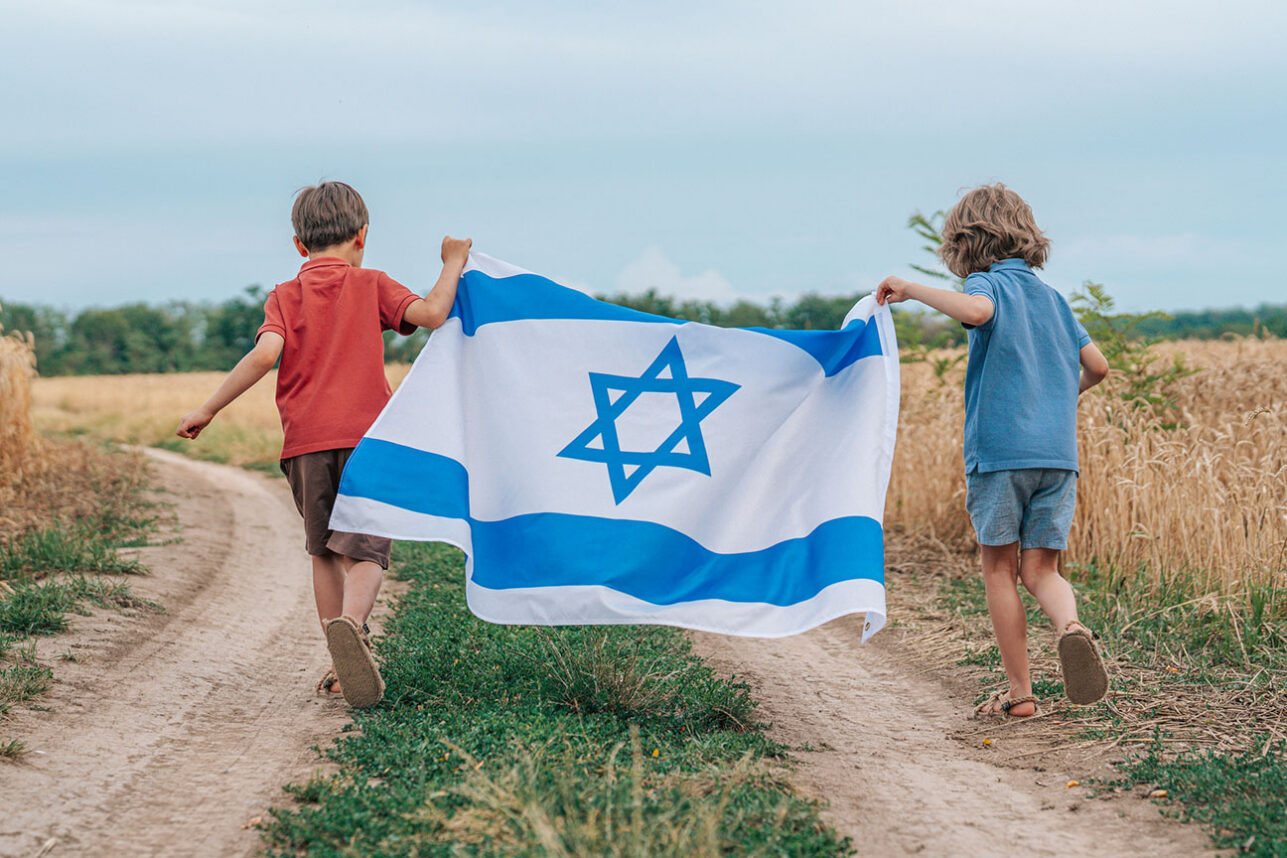
Generation J is Lisa Schiffman’s shorthand for American Jews born after World War II who feel connected to their Jewishness in some way they can’t explain and, at the same time, feel ambivalent about that connection.
“We were a generation of Jews who’d grown up with television, with Barbie, with rhinoplasty as a way of life,” she writes. “Assimilation wasn’t something we strove for; it was the condition into which we were born.”
Her book, “Generation J” (Harper San Francisco) is a personal memoir, a travelogue of her adventures exploring Judaism. She gives voice to the yearnings of many Jews, and also speaks to those who don’t yet know they are yearning.
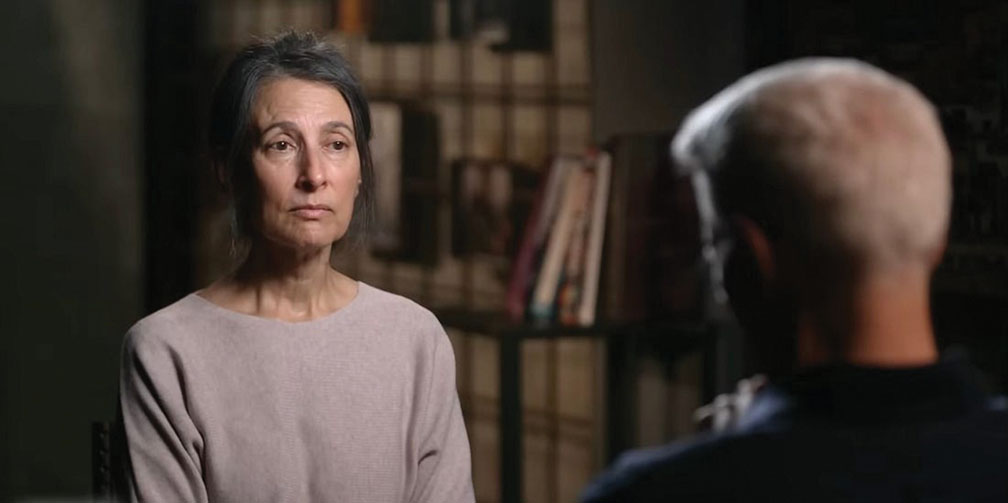
In an interview, Schiffman, 35, explains that the book was inspired when she hit her 30s, a time when she expected she would have “had things figured out.” She didn’t feel comfortable with the Jewish part of herself. “It was like carrying around an old piece of baggage. I couldn’t see going forward without reconciling.” She began to keep a diary, seeking out “Jewish experiences” and writing about them: The diary grew into this book. And she grows from a reluctant participant to an authentic seeker, from apathy to engagement with the tradition, in her own untraditional way.
Schiffman writes well, often with humor and irony. She says that she doesn’t mean to be disrespectful, rather, that she uses irony as a device to get people to laugh, to keep them involved in the story. “Humor is an essential character trait of being Jewish,” she says.
The book opens at a conference on Jewish identity in Berkeley, Calif. where Schiffman and others are asked to fill in the blank, “I am a Jew, and to me that means_____” in the words of their grandparents, parents and themselves.
She finds her own Jewish identity “impossible to map” — and realizes she is not alone.
Unlike others who’ve discovered longings to understand Judaism, Schiffman, who grew up in Levittown, L.I., doesn’t enroll in a yeshiva, doesn’t begin attending synagogue regularly; instead she forges her own path, attending Jewish workshops in northern California where she lives, and using her training as an anthropologist to interview people who are themselves engaged in Judaism — rabbis, teachers, writers, the mikveh ladies who have their own wisdom.
Schiffman is totally honest about her own ignorance of Judaism, wondering at a service she attends about whether the candles are for the living or the dead. She explains that she learned from writer Anne Lamott “not to be ashamed of what you don’t know. You have to go to the core.” When she stumbles upon the klezmer music of Andy Statman for the first time, she thinks that he must “know something about the life of the sacred,” so she calls him, and he tells her that “music is a way of experiencing God’s goodness and having an experience of God.” He talks to her about living according to halacha, about mitzvot, repairing the world. Although she respects his wisdom, she “couldn’t follow his lead.”
To figure out what keeping kosher means, she questions many Jews about why they feel comfortable eating shrimp but not pork. She wonders whether keeping kosher is a mystical path, “a way to nurture the essence of God.” With a bowl of ice cream she notes is labeled kosher, she tackles Leviticus, reprinting most of chapter XI in her chapter “Kosher — Me?”, running her “favorite compulsions” in bold face. She then devises her own experiment: eating non-kosher every day for a week — pork fried rice, chicken and prosciutto in cream sauce, pastrami and cheese sandwiches. Later she muses that if she kept kosher, “it would be about finding holiness in the small, mundane places. It would be about being aware.”
The author, who is married to a non-Jew, also writes about her quest to find a rabbi to perform their marriage, and is disappointed by the negative reactions she encounters. “We were a hybrid couple, like hundreds of thousands of interfaith couples. We were an expression of love. We were an expression of Judaism. We had to be, because I’m Jewish. We, and others like us, were part of a Judaism that no one had yet named.”
About intermarriage, she says that she’d like to see the Jewish community recast its questions, “from ‘how long before intermarriage dilutes Jewish culture’ to, ‘given that it’s happening, whether there’s some way it can benefit the culture and religion.'”
She imagines the future, and suggests the “One Tribe Card.” Through an annual contribution to the Jewish community, one would gain access to membership in all the synagogues in the area, Jewish museums, library, film festivals, courses at any Jewish institution. “The lines of demarcation between Jews might begin to melt.”
Now a Jew “by choice as much as by birth,” she continues to nurture her Jewish identity. She’s beginning to study Hebrew. And she now thinks about God — she says she couldn’t even use the word two years ago. “I don’t have anything like a cohesive practice; it’s still evolving.
How would she now answer the question posed at the Berkeley conference?
“I am a Jew and to me this means I’m interested in continuing to evolve my Jewish identity.”