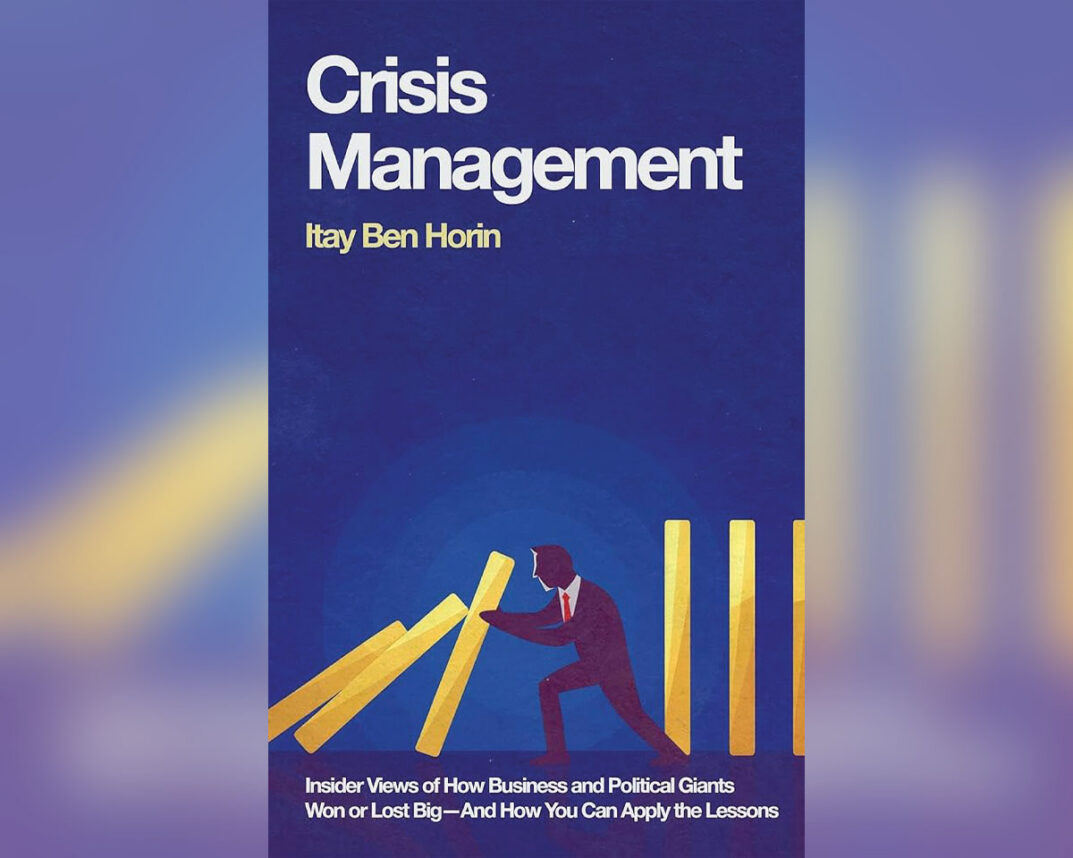
For businesses and public figures, a crisis is not a question of if, but when. Leaders must be prepared to respond in the way each dilemma demands. The right crisis response, Ben-Horin argues, depends on timing and the leader’s nerve to act.

Some have reportedly hired private security, while others avoid interviews or limit commentary on Israel and the war altogether due to fear of backlash, harassment or professional repercussions.
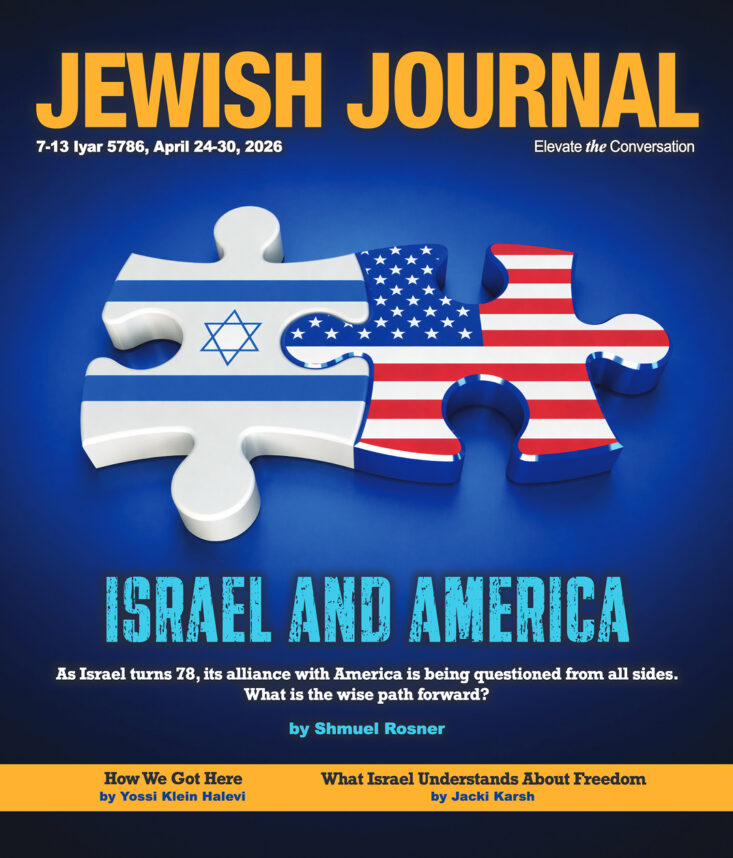
As Israel turns 78, its alliance with America is being questioned from all sides. What is the wise path forward?
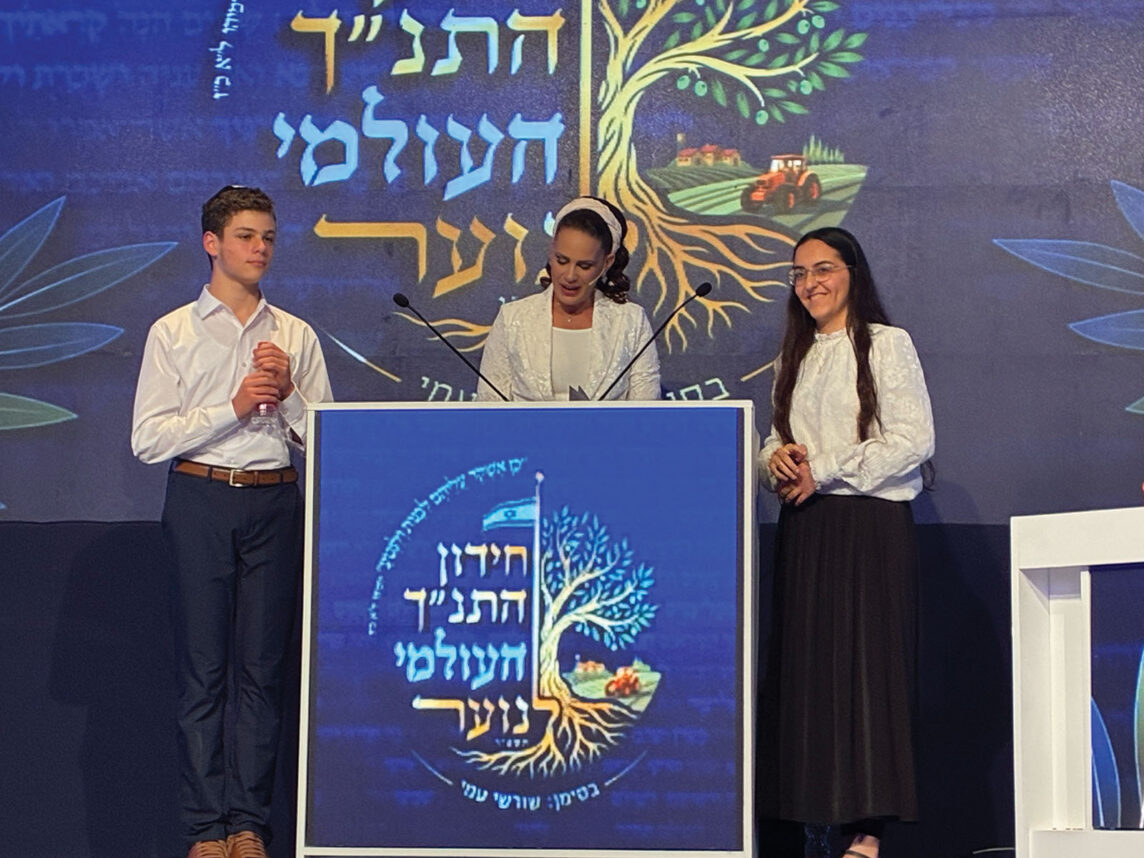
This second place is the highest that an American has won in 13 years.
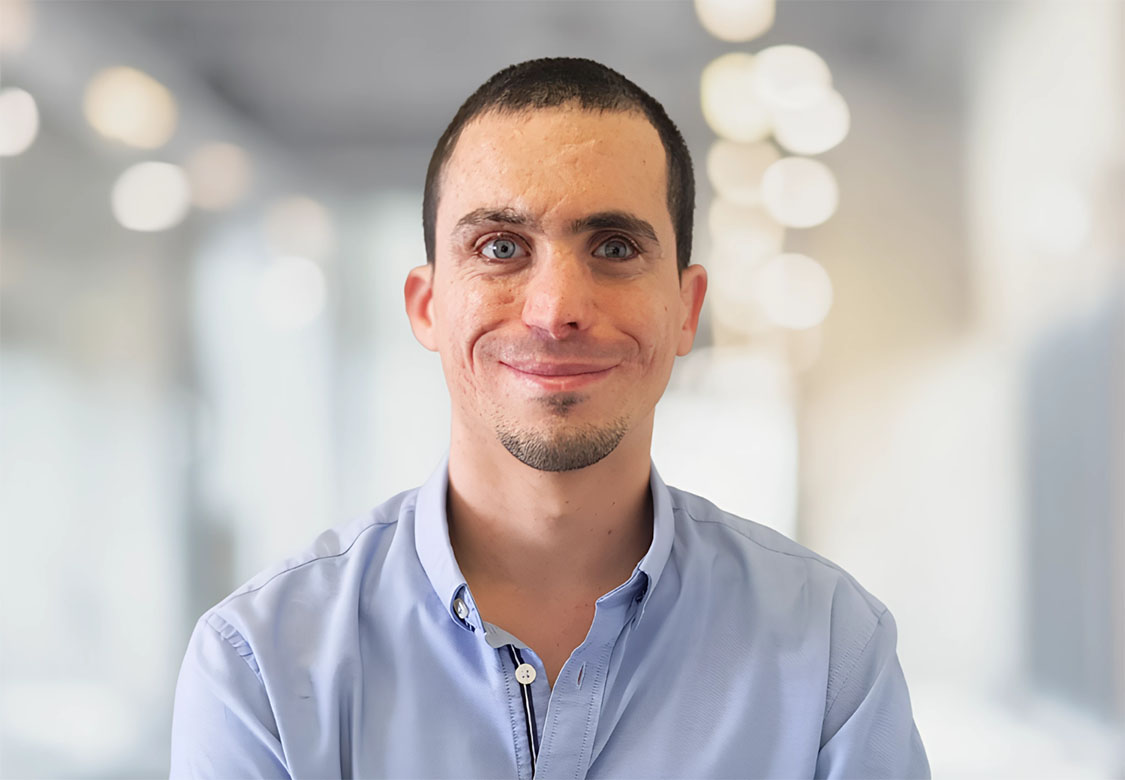
Oran Almog, who lost his eyesight and five family members in a terror attack in 2003, describes the delicate process of helping fellow survivors and bereaved families continue with their lives.

The updated HEAR Act will not guarantee victory for every claimant, but Congress has now made its message unmistakable: Nazi-looted art cases should not be dismissed because Survivors and heirs could not find what was deliberately hidden from them.
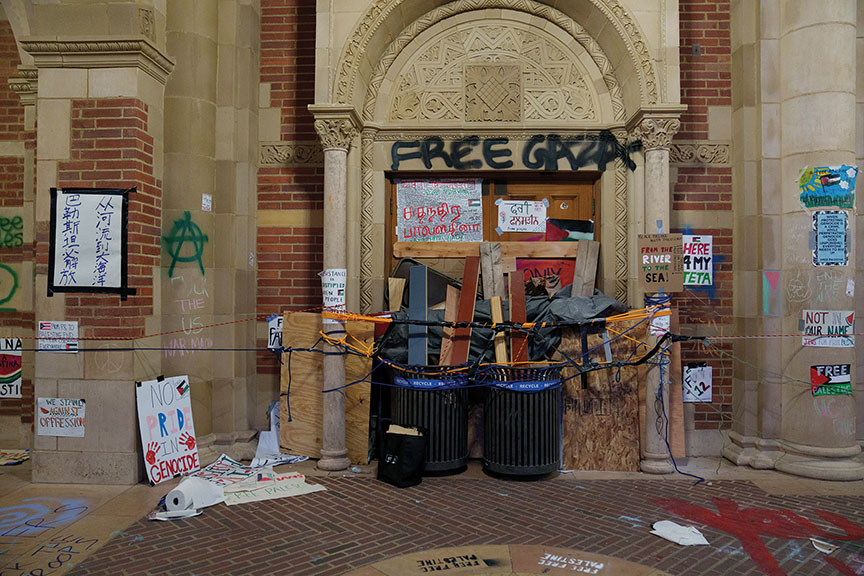
For those involved, the lawsuits are not only about past incidents, but about whether they will lead to meaningful accountability and lasting change on campus — so that Jewish faculty and students can feel safe, visible and protected within the university.
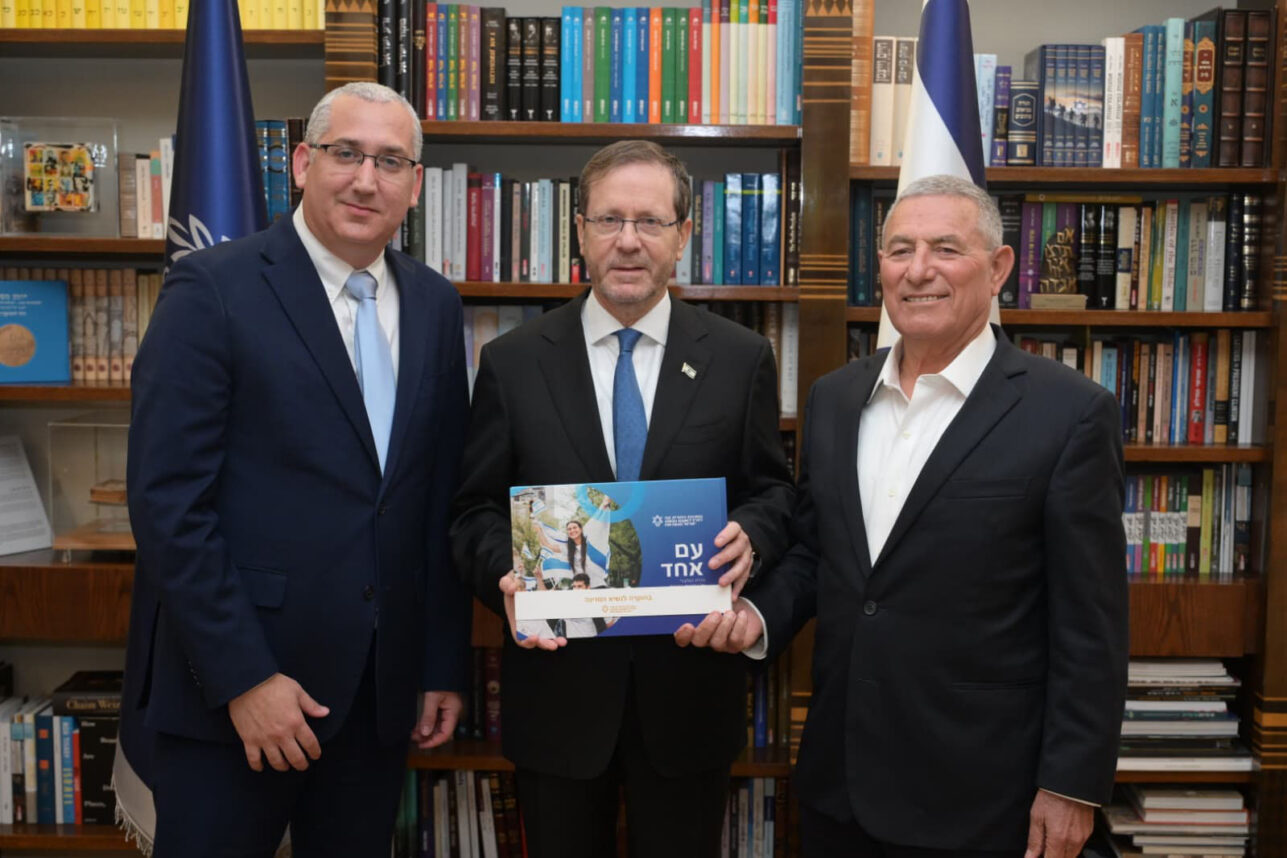
The report revealed that nearly three-quarters, 74%, of Jewish young adults (ages 18-28) worldwide and two-thirds, 67%, of young adults in Israel believe they can positively influence the future of their communities.

Nowadays, most Fridays find me breading and frying schnitzel.

Like many enduring recipes – traditional rugelach dates back centuries in Eastern Europe – it was passed down, adapted and refined in kitchens through multiple generations.

Holy Living

We are so very fortunate that the diaspora shows up when Israel is under rocket fire and we are in shelters. The harder question is whether they will show up when Israel is underpriced.
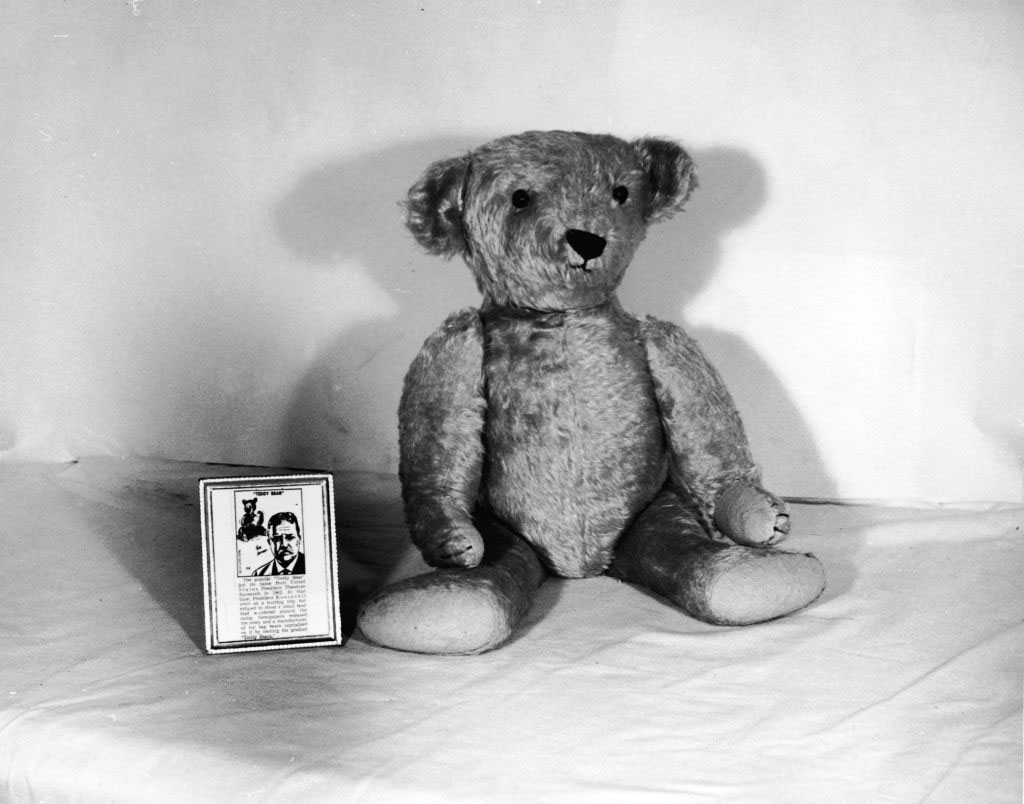
A U.S. president’s mercy had helped give the Michtom family the means of substantively supporting the eventual rebirth of the State of Israel.
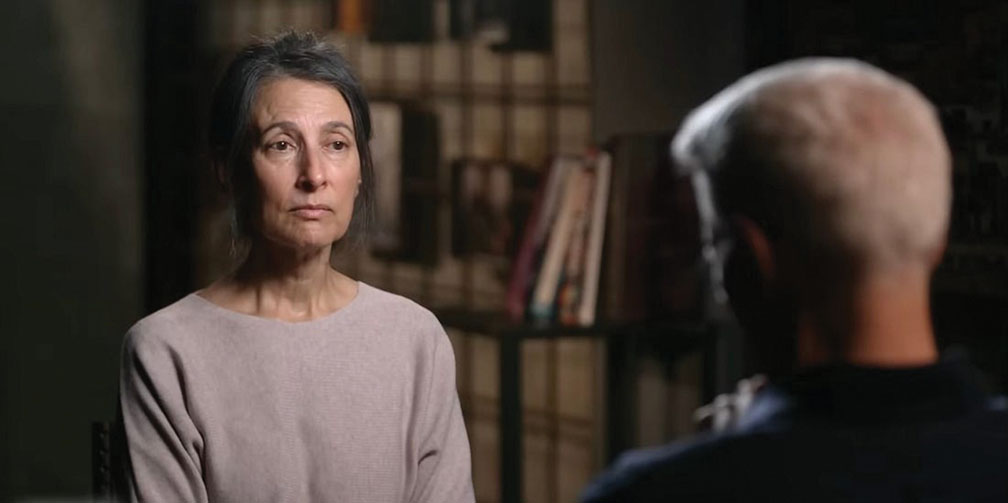
Rachel is a gifted woman who has been chosen to carry a burden. And in turn, she has chosen, by her own telling, to write and to speak about that burden.
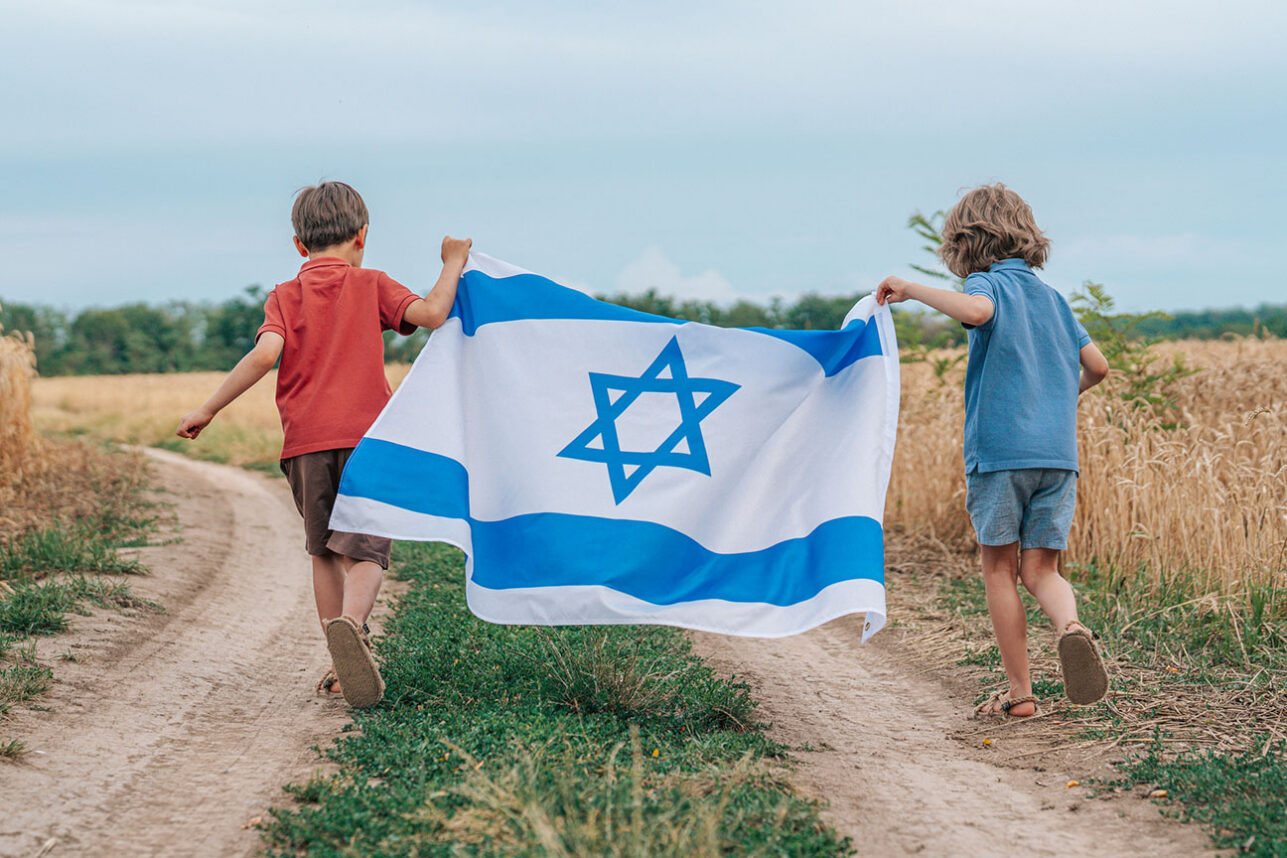
A Jewish state means what international law has long recognized, what the moral logic of self-determination requires, and what the law of indigenous rights confirms.
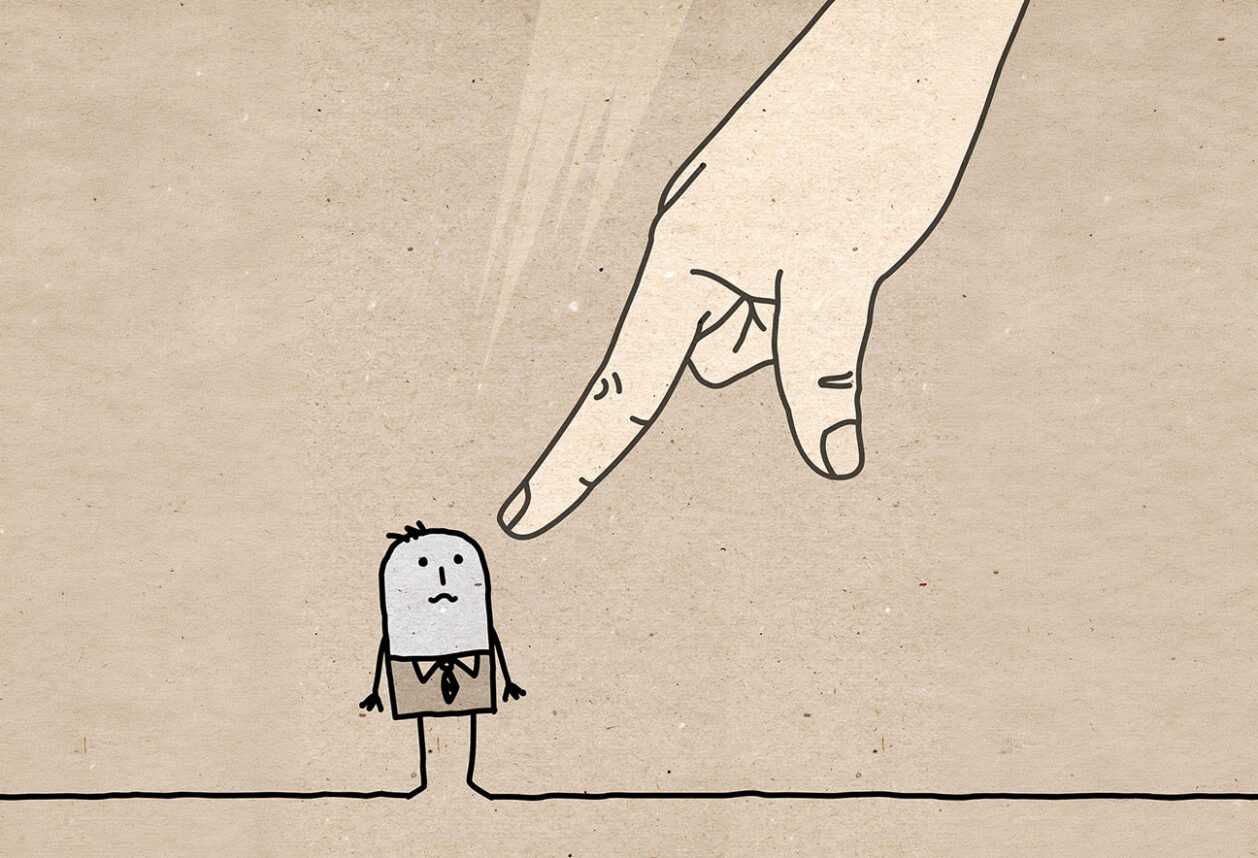
When it comes to judging other people, we cannot believe all we see.

Our nation’s leaders should exclude those whose behavior violates America’s fundamental moral values. That will send a message to athletes and aspiring athletes around the world that the United States rejects bigotry.
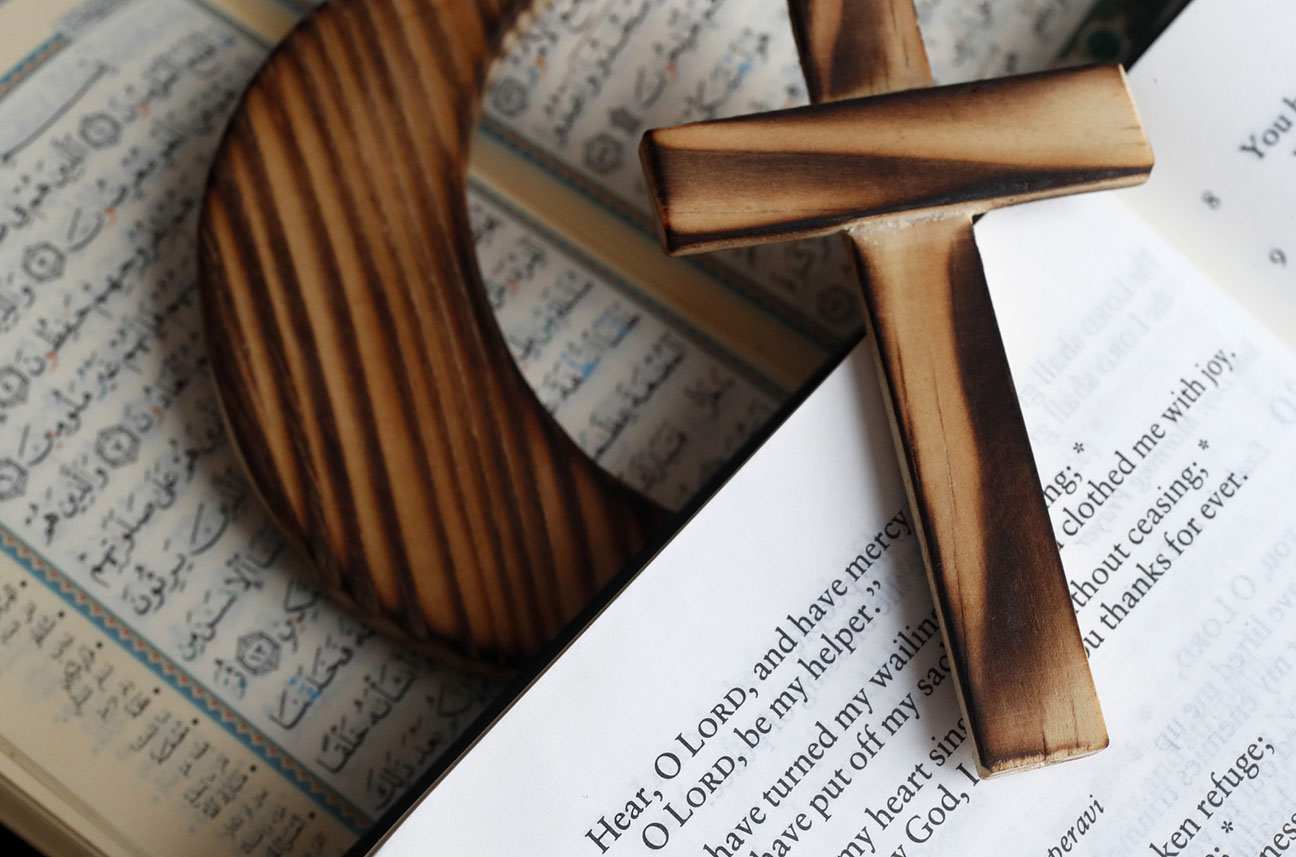
Christianity and Islam make fundamentally different claims about Jesus.

We are being commanded to be kind to others, but we are not being asked to be angels, especially when dealing with those who do not share our values, including those who are our enemies.