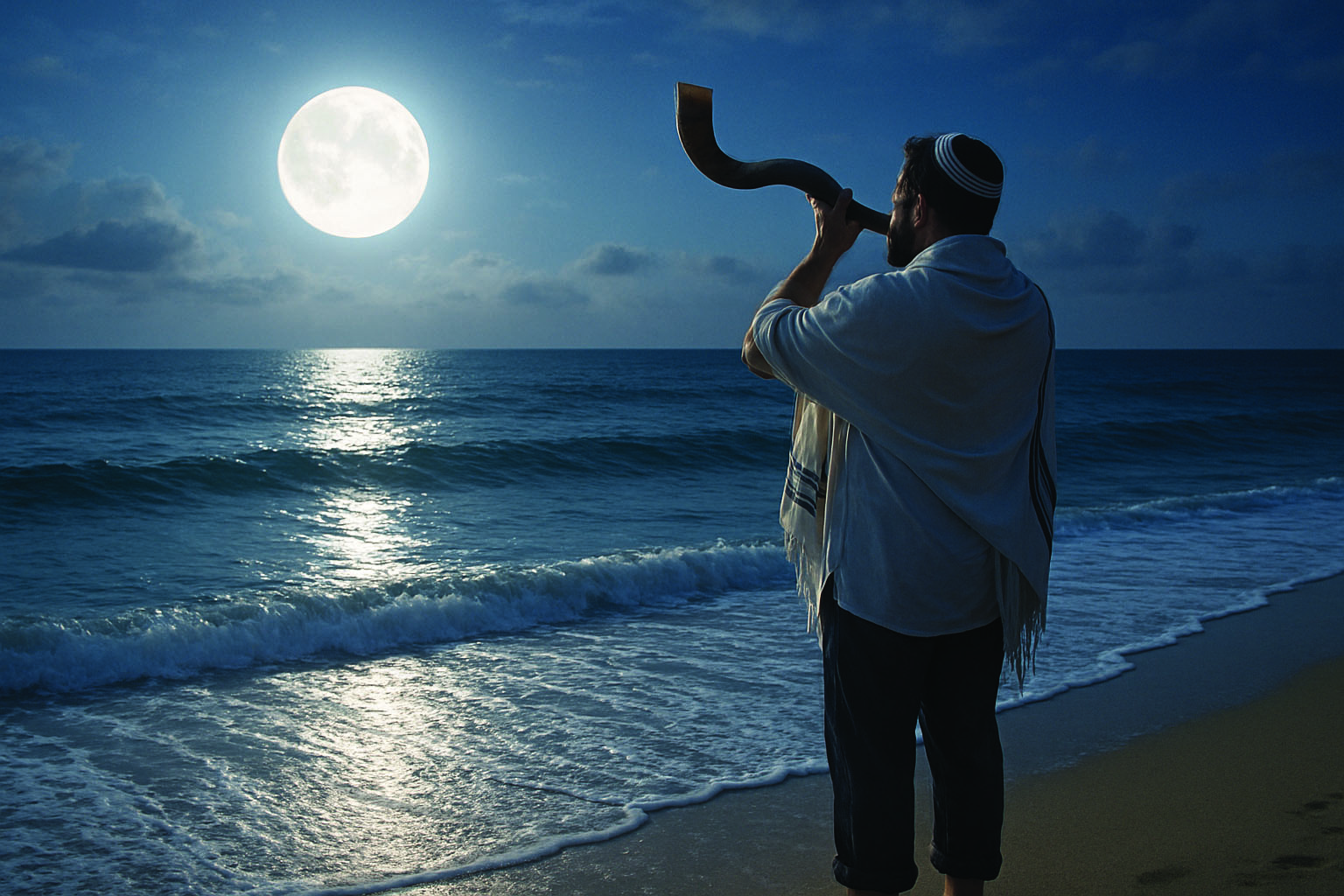
For my wife, when the blast of the shofar cuts through everything else, that ancient sound isn’t just a religious ritual — it’s a reigniting of who she is as a Jewish person. It’s more than ceremony; it’s a state of being, a call that reminds us not just of our obligations, but of our identity itself.
As we enter 5786, this season of teshuvah — of washing away what clings to us and beginning anew — we face a profound challenge that goes beyond personal reflection and renewal. The story of the Jewish people is being rewritten, and we are not the ones holding the pen.
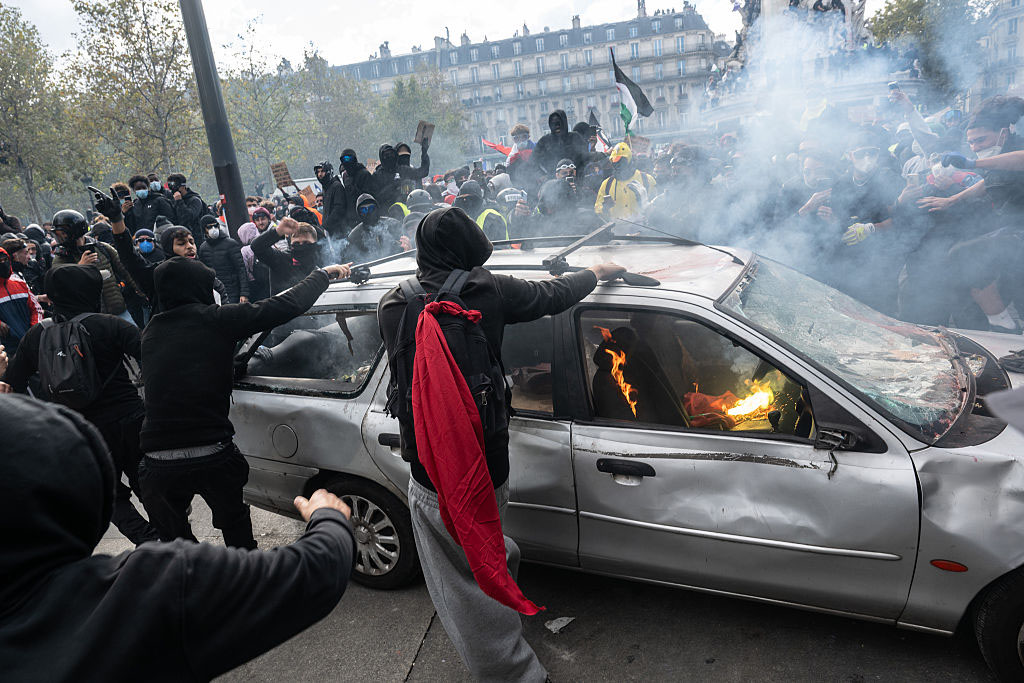
The power of antisemitic narratives has seeped into mainstream discourse with alarming effectiveness. To the uninformed and ill-intended the stories are believable and palpable, and leave many Jews feeling bereft and uncertain. When the entertainment industry boycotts Israeli filmmakers, when the International Association of Genocide Scholars passes resolutions against Israel, we respond as we must — with counter-narratives, with counter-facts, with our own scholars and creatives pushing back. But the genie is out of the bottle and there is no putting it back.
The uncomfortable truth: countering a narrative you didn’t write is not a strategy for success. It is not about Jews being bad at PR, or being outspent. When we exert all our energy reacting to hatred and lies, we cede the fundamental power of something we mastered millennia ago — storytelling itself.
I liken the current situation to a storm on the ocean. Do not underestimate it, it has the power to kill. Its violent force consumes every moment with its battering waves and howling winds. But not far below the surface, the deep ocean currents continue their ancient circulation around the globe.
Those currents take approximately 500 years to circumnavigate the earth. The last time the same body of water touched the eastern seaboard of America, Christopher Columbus was sailing the surface. It seems like a long time — until you realize the Jewish people have made that journey at least seven times in our documented civilization. We have weathered many storms. We know something about moving through deep waters.
This is the power of the Jewish story: it’s not about memes or tweets or moments of viral gratification. When the shofar blows, it is about who we are at a fundamental level, rooted in 3,500 years of values, tradition, and enduring identity. As brand guru Eitan Chitayat says, “The Jewish people have the best brand.” The solution therefore isn’t to fight harder against the narratives of inferior and hateful brands, it’s to tell our own story better.
Every Jewish person has a story. Whether you can trace your lineage back to Maimonides through centuries of learning and tradition, or you converted to Judaism in Los Angeles two years ago and are celebrating your third Rosh Hashanah as a Jew (me), you are an inheritor of the same long history. Everyone has their own unique story to tell as a Jew living in the world today.
When I converted and Rabbi Adam Kligfeld insisted I take the name David Ben Avraham v Sara, I protested. I had other ideas. But he reminded me there is no greater honor than to be the son of Abraham and Sarah—not just inheriting Abraham’s lineage as the first person to choose Judaism, but becoming an inheritor of the entire Jewish story that began right there.
That’s who we all are: inheritors and authors simultaneously. We carry forward an ancient narrative while writing new chapters with our own lives, our own choices, our own ways of being Jewish in this moment.
This Rosh Hashanah, as the shofar calls us back to ourselves, we need to remember that we are more than our reactions to antisemitism. We are more than they care to identify by. We are more caring than indifferent, more embracing than exclusive, more healing than harming, more building than breaking, more living than surviving, more hopeful than afraid.
This is who we are. We are the Jewish people — many stories, but one people. We flow in the same deep enduring current.
It is time to stop letting others define us and start defining ourselves — to be authentic, confident, and never hide who we are. We may need to defend ourselves but the Jewish story is not a counter-narrative, it is the foundational and defining narrative of West European civilization.
As we enter this new year, let the sound of the shofar remind us: we are not just responding to the storm on the surface. We are the deep current itself, and we have been moving through these waters for thousands of years.
The question isn’t whether we’ll survive this moment. The question is: what story will we choose to tell?
L’shanah tovah u’metukah — may this be a good and sweet year, filled with our own authentic voices.
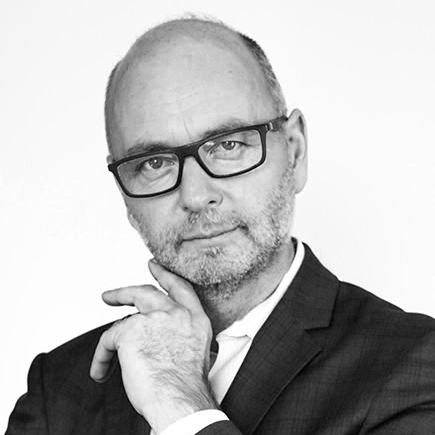
Stephen D. Smith is CEO of Memory Workers and Executive Director Emeritus of USC Shoah Foundation.