
There is a concept in psychology known as vicarious trauma. It was first identified in mental health care professionals who were repeatedly exposed to their patients’ traumatic experiences. By witnessing or hearing about the fear, pain, distress and terror of others, our own well-being can be deeply affected.
I suspect many of us can relate to the concept of vicarious trauma. Since Oct. 7, we have, as a community, felt the weight of the horrors of those heinous attacks and their aftermath — including the plight of the hostages and the bloody, devastating war that has followed. Although most of us have not personally endured this violence, repeatedly witnessing the suffering of others over these many months has left us with painful residual consequences. Social media can be especially harmful as all-too-vivid images and videos appear on our feeds again and again.
Vicarious trauma can manifest as excessive worry, loss of sleep, mood changes, and difficulty managing one’s emotions.
For those of us living in Southern California, there is currently an additional layer of distress caused by the fires. Some members of our community have lost their homes. Others have been evacuated. All of us have been affected by the often dangerous air quality. Emergency alerts — some sent in error — have heightened our fears and triggered feelings of insecurity. This is real trauma.
We see images of cherished places we have visited, now decimated. We hear heartbreaking stories of those who couldn’t escape in time, of lives lost. We think of the exhaustion of first responders. It’s not just overwhelming — it can feel like too much entirely.
So, how can we cope with all this pain? We don’t want to become numb, heartless people who stop noticing or responding to the suffering of others. At the same time, we don’t want to be paralyzed by vicarious trauma, unable to function or support those who desperately need our help.
The Torah portion we read last week offers a model.
In this part of the Exodus narrative, we read about the terrible oppression of our Israelite ancestors. In suffering and desperation, they cry out to God. The Torah then tells us that God hears their voices, God remembers the covenant, and God responds by setting into action the plan for the Israelites’ rescue.
These are three steps that can nurture empathy while protecting us from being overwhelmed by vicarious trauma. We need to listen, to be aware of the suffering of others. We need to recognize our role, our responsibility as helpers. And we need to act.
That being said, the Torah does not call on us to obsess over it or to dwell in it unreasonably. The human experience includes suffering, natural disasters and, unfortunately, cruelty. However, it also includes kindness, generosity, beauty and blessings beyond measure. Our task is to hear the voices of those in need, to recognize our connections, and to act in ways that improve life for others and ourselves as well.
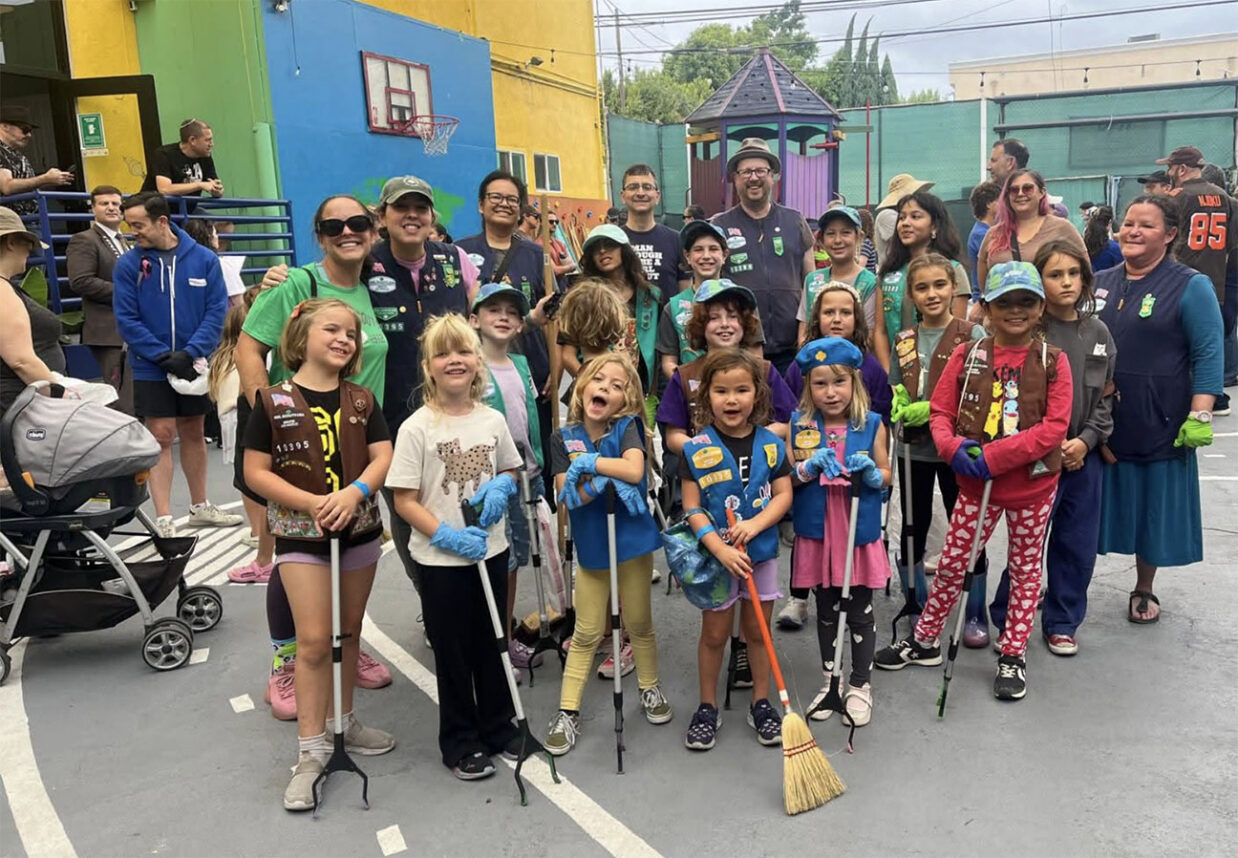
When you feel distressed by external trauma, don’t stew in it. Stop scrolling. Instead, reach out to a loved one with a phone call. Volunteer at a soup kitchen. Drop off clothing at a shelter.
When you feel distressed by external trauma, don’t stew in it. Stop scrolling. Instead, reach out to a loved one with a phone call. Volunteer at a soup kitchen. Drop off clothing at a shelter. Make a donation. Care for your own spirit, soul, and heart by joining your community in prayer. Write a gratitude list of the blessings in your life. Create a list of blessings you wish for others.
In my experience, this is the best way to respond to the pain that is an inevitable part of life. We can best manage our distress by working together to make things better for our community and our world.
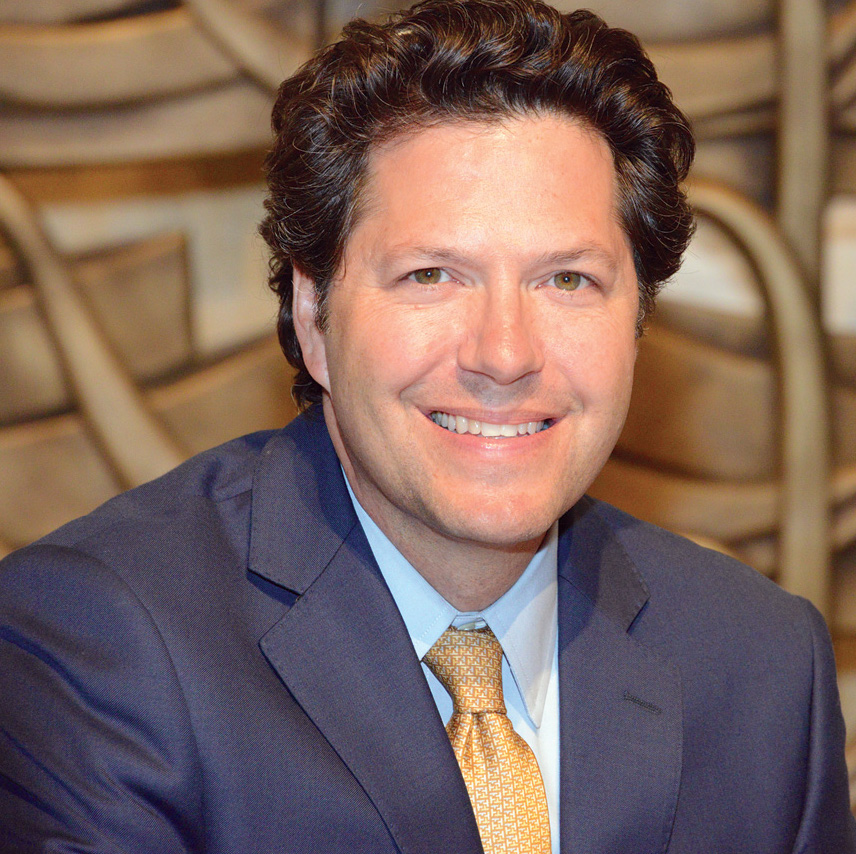
Rabbi Yoshi Zweiback is the Senior Rabbi of Stephen Wise Temple in Los Angeles, California.