
Why Are We Even Here?
When we’re tempted to ask, Lamah zeh anochi? — Why am I here? What’s the point? — we can remind ourselves of the extraordinary goodness that exists in the world. And, even more importantly, we can become part of it.

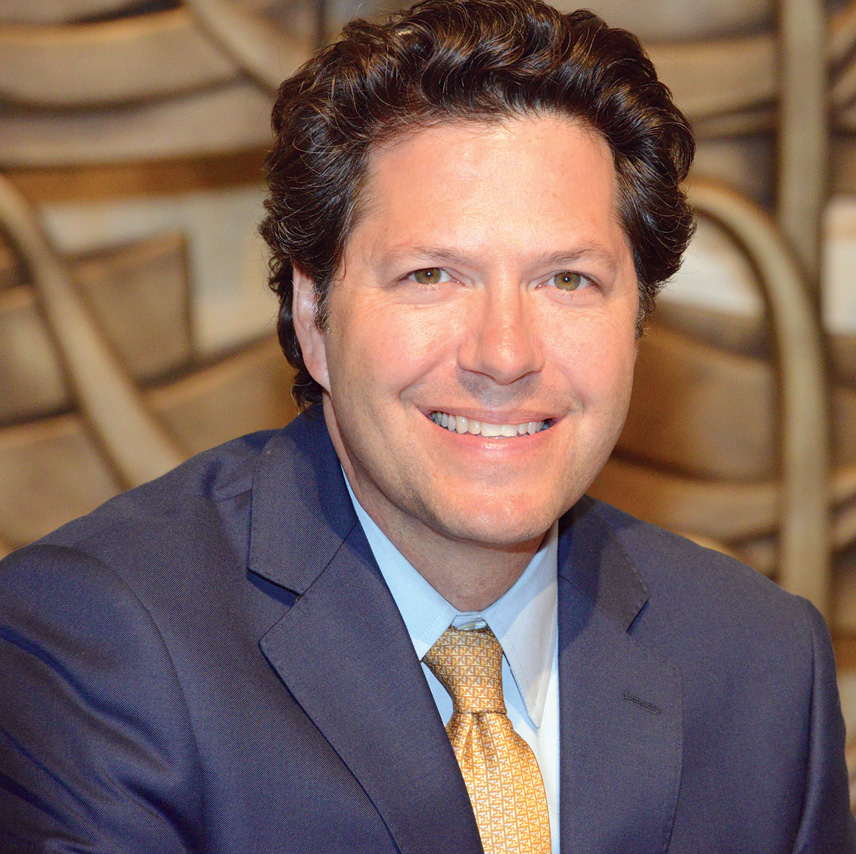
When we’re tempted to ask, Lamah zeh anochi? — Why am I here? What’s the point? — we can remind ourselves of the extraordinary goodness that exists in the world. And, even more importantly, we can become part of it.

That is my hope: that by finding things we can do together, by recognizing each other’s humanity, we might come to see each other more fully.

My journey to the ballot box was circuitous. The path I hope Israel will follow is derech Adonai: the way of righteousness and justice.
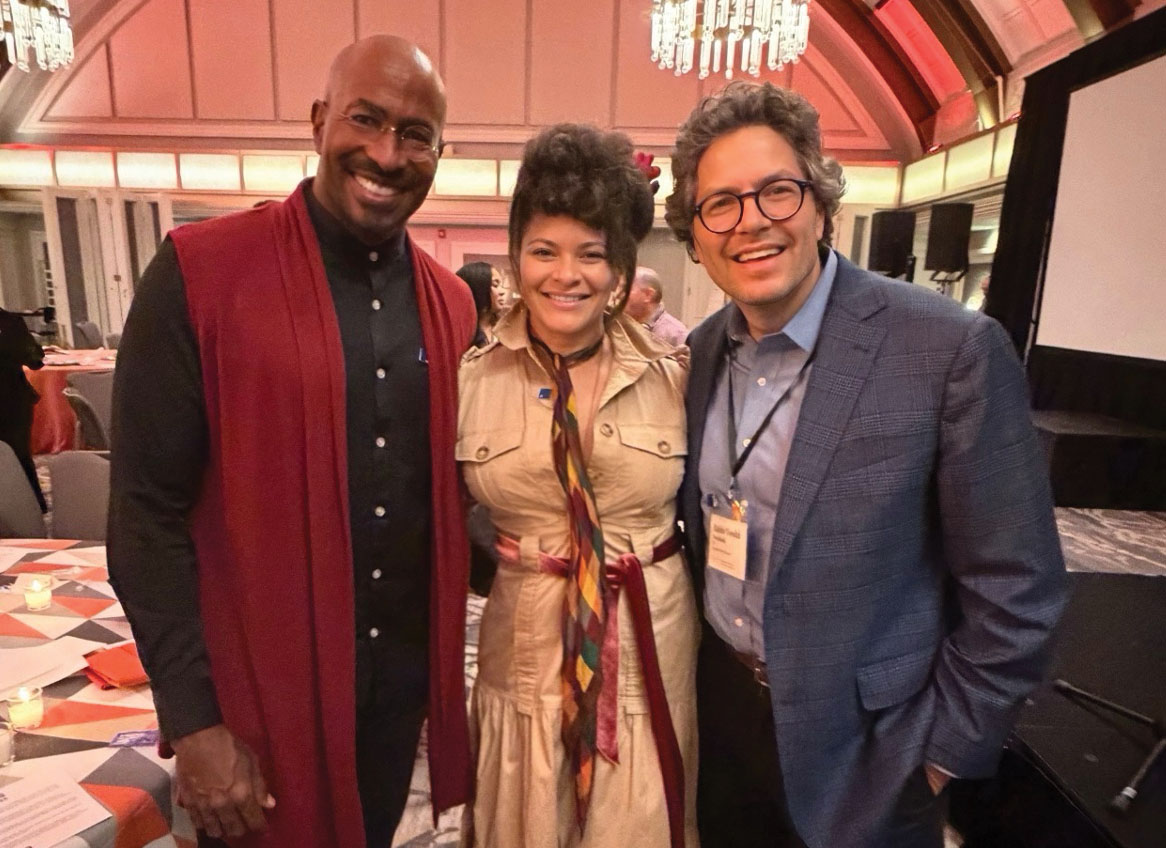
The Tower of Babel reminds us how easily language can divide us. Our shared history reminds us of what becomes possible when we find ways to understand one another.
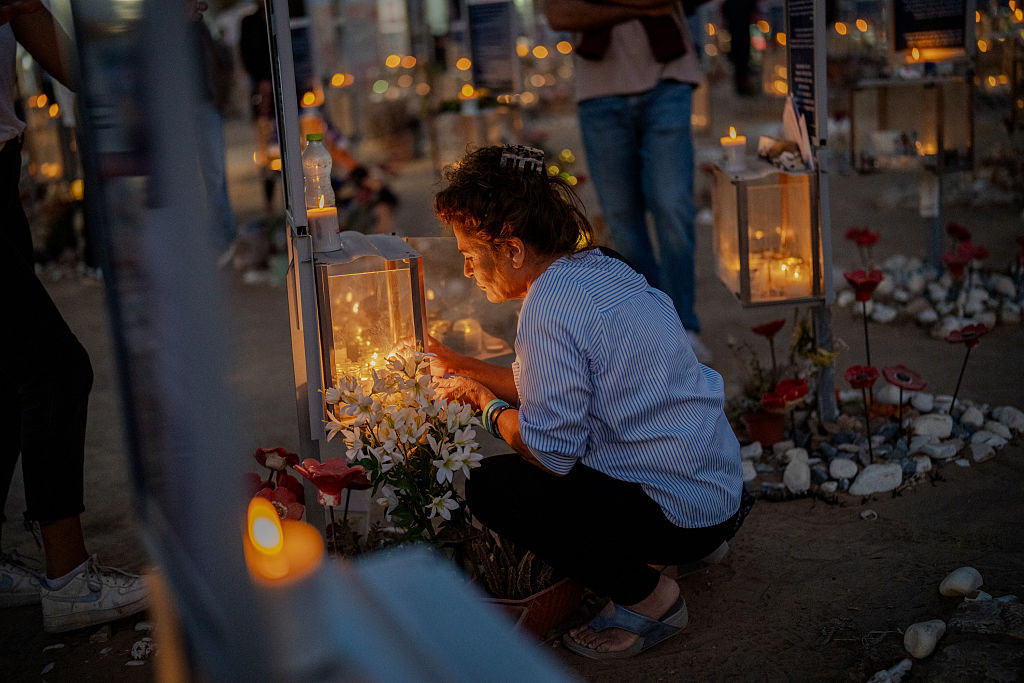
Even as we mourn everything we’ve lost, let us also remember the moments of hope and healing — moments that restore our faith in humanity’s promise.

Sukkot asks us to receive the harvest that has actually come in—not the one we imagined or wished for.
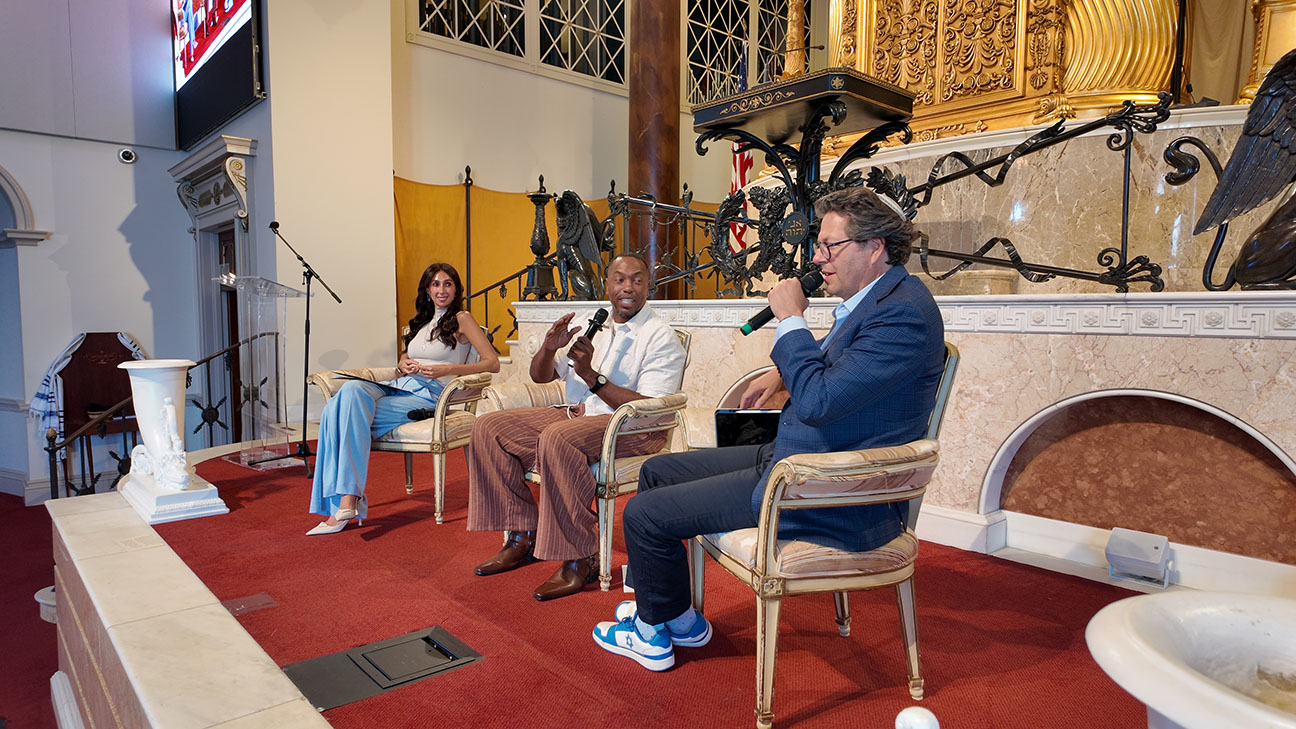
Our shared stories of hatred, humiliation, oppression and slavery obligate us to show up for one another.

In the book of Isaiah, God calls the prophet to comfort the Jewish people. But we know this is really something we must do for one another.
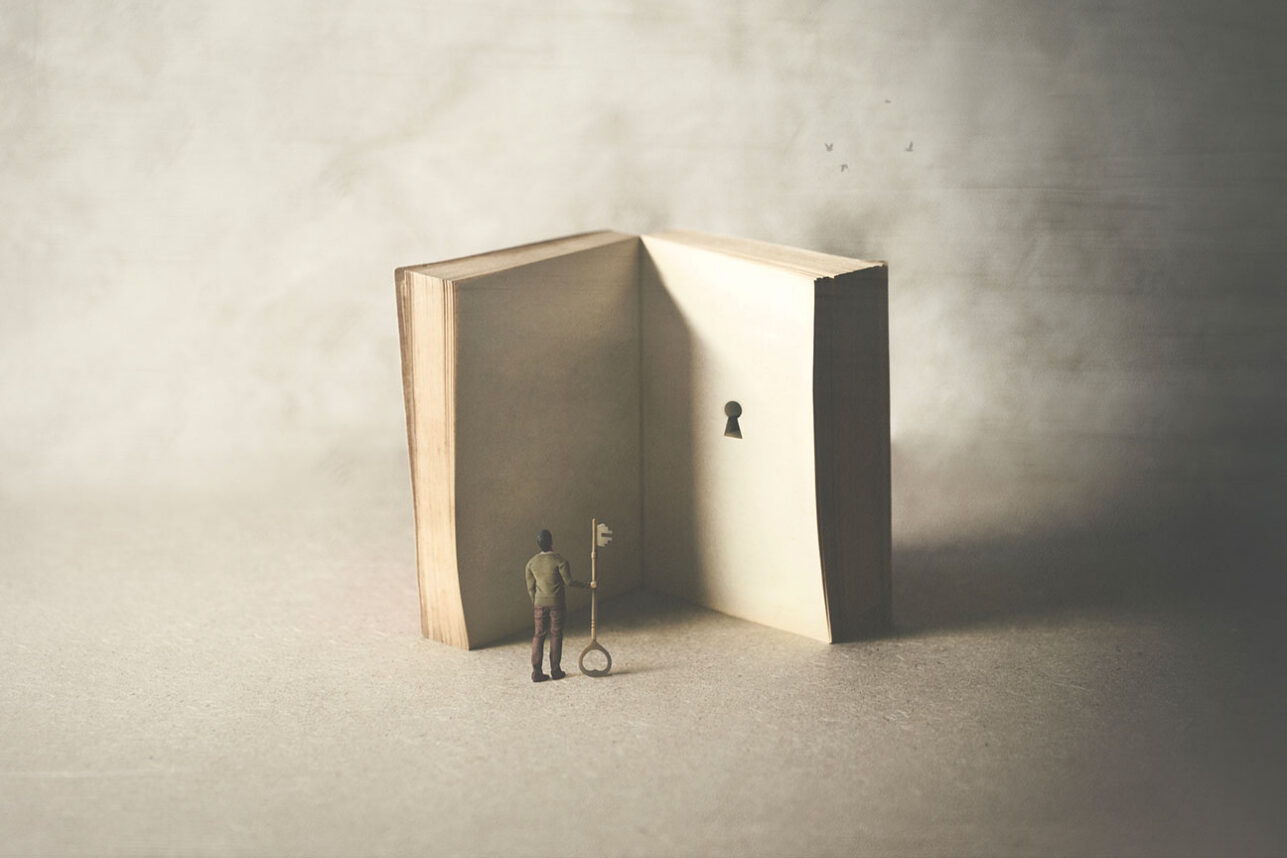
In this moment of rising antisemitism, I’ve noticed that the way I remember, and retell, my own childhood has changed too.
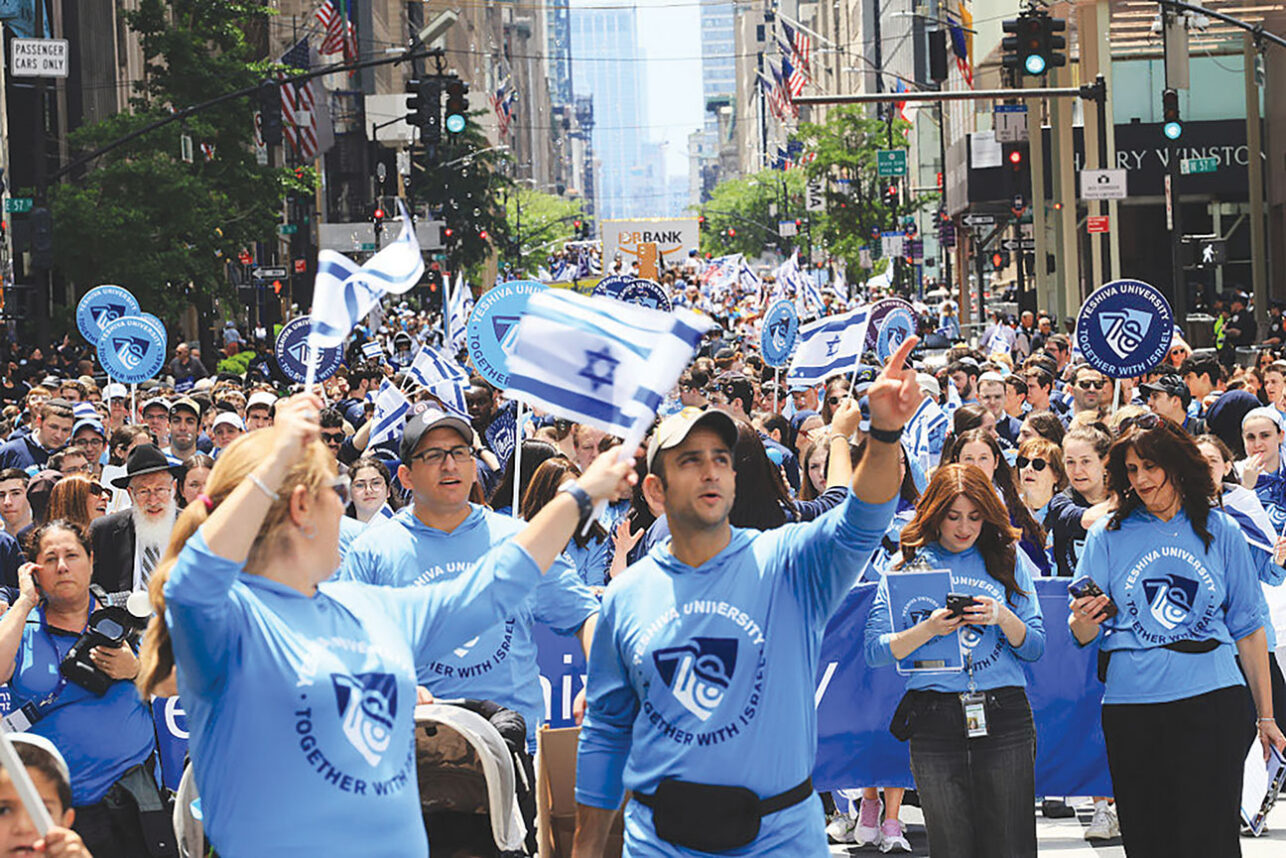
The work, the ancient, urgent, irreplaceable work of Jewish community, is the answer. Not as retreat. Not as consolation. But as the most powerful response available to us.
