Every year, about a month before Pesach, I start to see the anxious updates from friends on my newsfeed. “I have sooo much cleaning to do,” they say, or “Pesach is so expensive,” or “I wish I could afford a Pesach resort and leave this all behind!”
I get where they are coming from. I’m sure, especially when you have kids, that it’s extremely tough to find the time to clean the entire house and the money to afford expensive Pesach groceries. It’s stressful to host dinner parties while still looking fabulous and getting to shul on time. I hear many people say that they feel like slaves to the holiday, which completely defeats its purpose.
When I’m purchasing overpriced Pesach salad dressing, hauling in the special dishes from the garage, scrubbing down the countertops or finishing my tenth hour of cleaning, I do start to get wound up. If I decide to combine my Pesach cleaning with my spring cleaning or I forget to take breaks, I get very overwhelmed.
But then I take a step back and focus on what I love about it. Pesach has always been my favorite holiday. It was the first Jewish holiday I ever celebrated, in high school, years before I converted. I enjoyed sitting around the table with my high school boyfriend’s family and learning about this fascinating part of Jewish history.
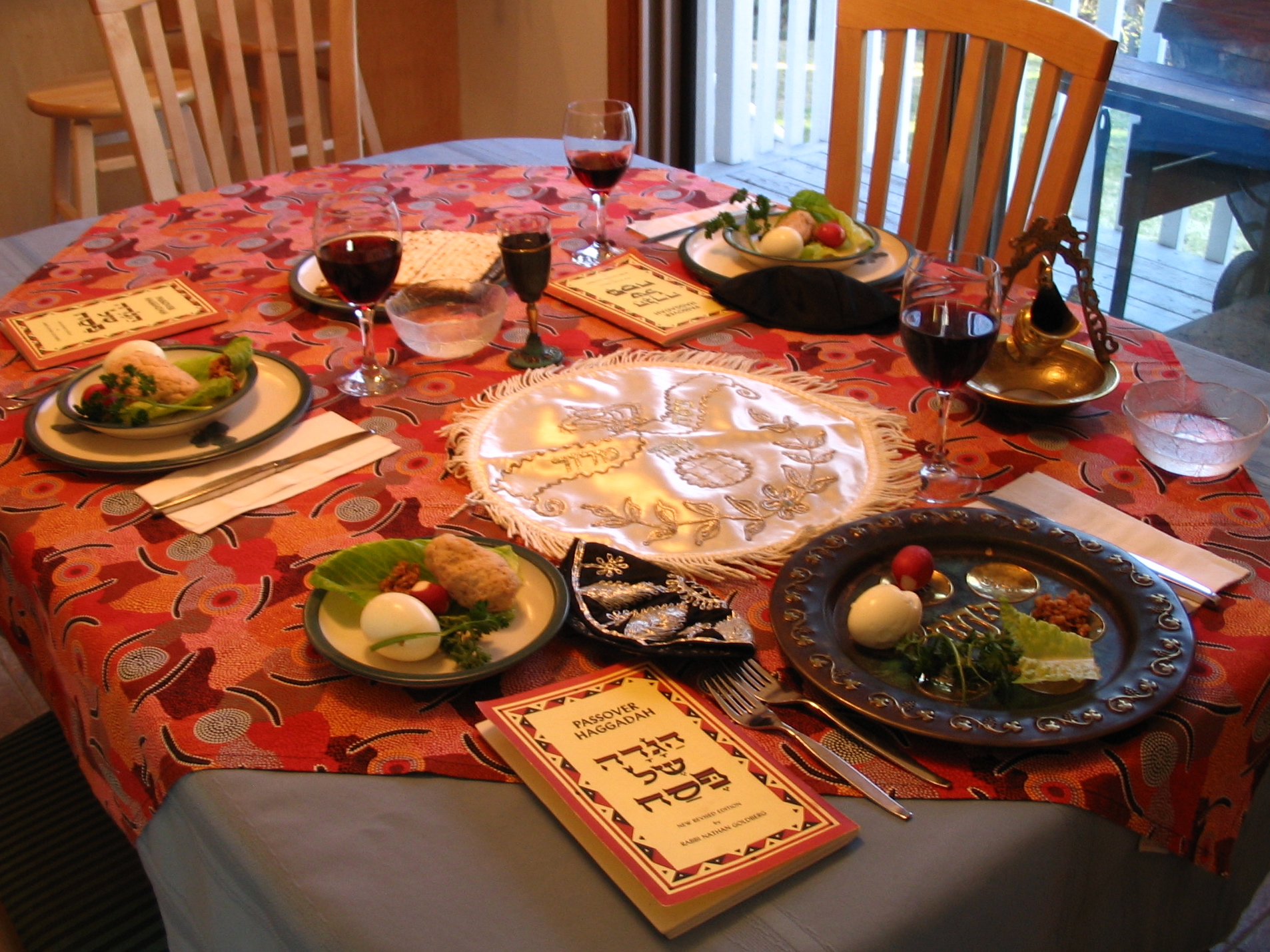
Today, I love being at the meals with my own family and friends, hearing the amazing story of our Exodus and tasting that incredible first bite of the Hillel sandwich. When my husband gets so much joy out of that special lamb dish I make for him once a year, it makes me happy. I love inviting over a bunch of our secular friends to experience the joy of Judaism, and taking sunny walks around the neighborhood, because when else do I have the time? I fully take in the prayers at synagogue and this different way of existing, if only for a few days.
“I connect with the story of Pesach on a metaphorical level, because I believe that we still are not free.”
I connect with the story of Pesach on a metaphorical level, because I believe that we still are not free. We are not free from society’s expectations of us and anti-Semitism, which seems to be prevalent more and more lately. Our bank accounts and our mobile devices and our fears and our stress are traps. Thankfully, Pesach shows us that no matter if we’re experiencing slavery on a literal or a metaphorical level, we can break free from it.
If you’re getting anxious just thinking about the holiday, keep in mind that Pesach only happens once a year, and it usually goes much faster than we expect. We spend so much more time worrying about it and building it up in our heads than actually experiencing it.
We have to remember that this holiday is a blessing. It’s when God directly intervened to free us and ensure we could reach our potential and become the Jewish nation. That wasn’t the only miracle of Pesach. It’s also the most celebrated Jewish holiday, and even the most disconnected Jews go home to their families to sit around the seder table and learn a little bit of Torah.
This holiday, when you’re disgusted by dusting, moping while mopping or trying to hold back your discomfort at the checkout line, keep in mind the positive parts of the holiday. As soon as it starts, it’ll be over, and you’ll be eating another slice of pizza again in no time. You won’t have the opportunity to do Pesach for another 12 months. Soak in the time with God and the experiences with loved ones. Cherish the cleaning. Be delighted by the delicious food.
After all, next year you might not even have the opportunity to clean your home or invite people over. You very well may be in Jerusalem, dancing in the streets with your fellow Jews and celebrating the arrival of peace around the world.
Chag sameach.