fbpx

Excess Should Be Diminished by Dayyenu, Restraint

[additional-authors]
March 26, 2026

Excess and restraint will not tear you apart
if you make quite sure you apply each modality
in a way that’s restrained, so that each plays a part
in preventing excess that distorts your totality.

That restraint should supersede excess
is a rule regarding what may pain you
should be observed for things we love, to love more less
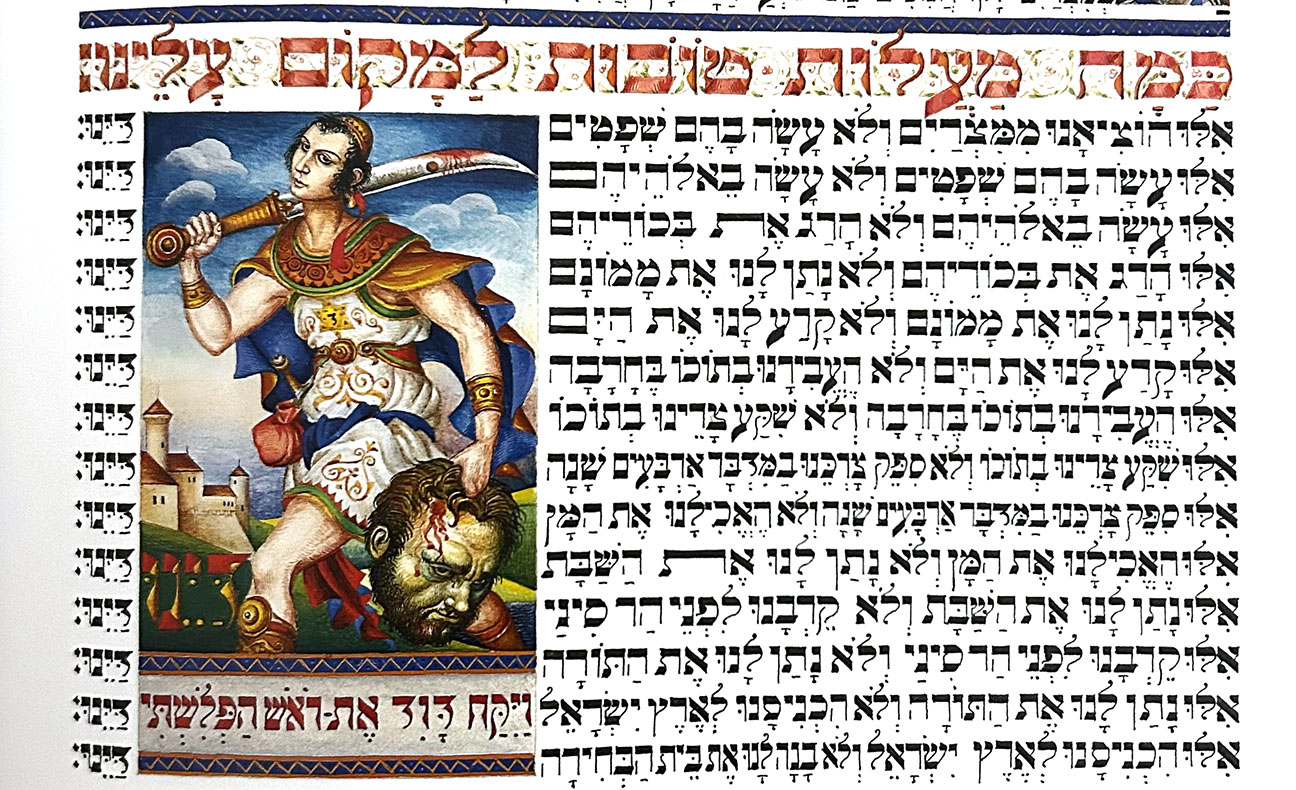
than what’s enough according to the haggadah’s “Dayyenu,”

the opposite of the  afikoman’s message,
which encourages the finder of what once had been concealed
instead of asking for some more requesting lessage,
“enough” the ace he’s hoping to him will be dealed.

Zachary Woolfe (“Astringent Modernist Meets Instrument of Old,” NYT, 3/9/11) reviews a recital at the Austrian Cultural Forum:

In the second of seven poems set by Gyorgy Kurtag for voice and cimbalom in 1981, Amy Karolyi writes, “Excess and restraint: these two will in the end tear me in two.” It’s the kind of despairing text that has always appealed to Mr. Kurtag, but it’s not true of him. His defining characteristic is to bring together excess and restraint to revel in their simultaneous presence — not to tear his work in two, but to give it unremitting tension.


Gershon Hepner is a poet who has written over 25,000 poems on subjects ranging from music to literature, politics to Torah. He grew up in England and moved to Los Angeles in 1976. Using his varied interests and experiences, he has authored dozens of papers in medical and academic journals, and authored “Legal Friction: Law, Narrative, and Identity Politics in Biblical Israel.” He can be reached at gershonhepner@gmail.com.


Did you enjoy this article?
You'll love our roundtable.

Editor's Picks

Latest Articles

Post-Passover Pasta and Pizza

What carbs do you miss the most during Passover? Do you go for the sweet stuff, like cookies and cakes, or heartier items like breads and pasta?

Freedom, This Year

There is something deeply cyclical about Judaism and our holidays. We return to the same story—the same words, the same questions—but we are not the same people telling it. And that changes everything.

A Diary Amidst Division and the Fight for Freedom

Emma’s diary represents testimony of an America, and an American Jewish community, torn asunder during America’s strenuous effort to manifest its founding ideal of the equality of all people who were created in the image of God.

More than Names

On Yom HaShoah, we speak of six million who were murdered. But I also remember the nine million who lived. Nine million Jews who got up every morning, took their children to school, and strove every day to survive, because they believed in life.

Gratitude

Gratitude is greatly emphasized in much of Jewish observance, from blessings before and after meals, the celebration of holidays such as Passover, a festival that celebrates liberation from slavery, and in the psalms.

Freedom’s Unfinished Journey

The seder table itself is a model of radical welcome: we are told explicitly to invite the stranger, to make room for those who ask questions and for those who do not yet know how to ask.

Thoughts on Security

For students at Jewish schools, armed guards, security gates, and ID checks are now woven into the rhythm of daily life.

More news and opinions than at a Shabbat dinner, right in your inbox.