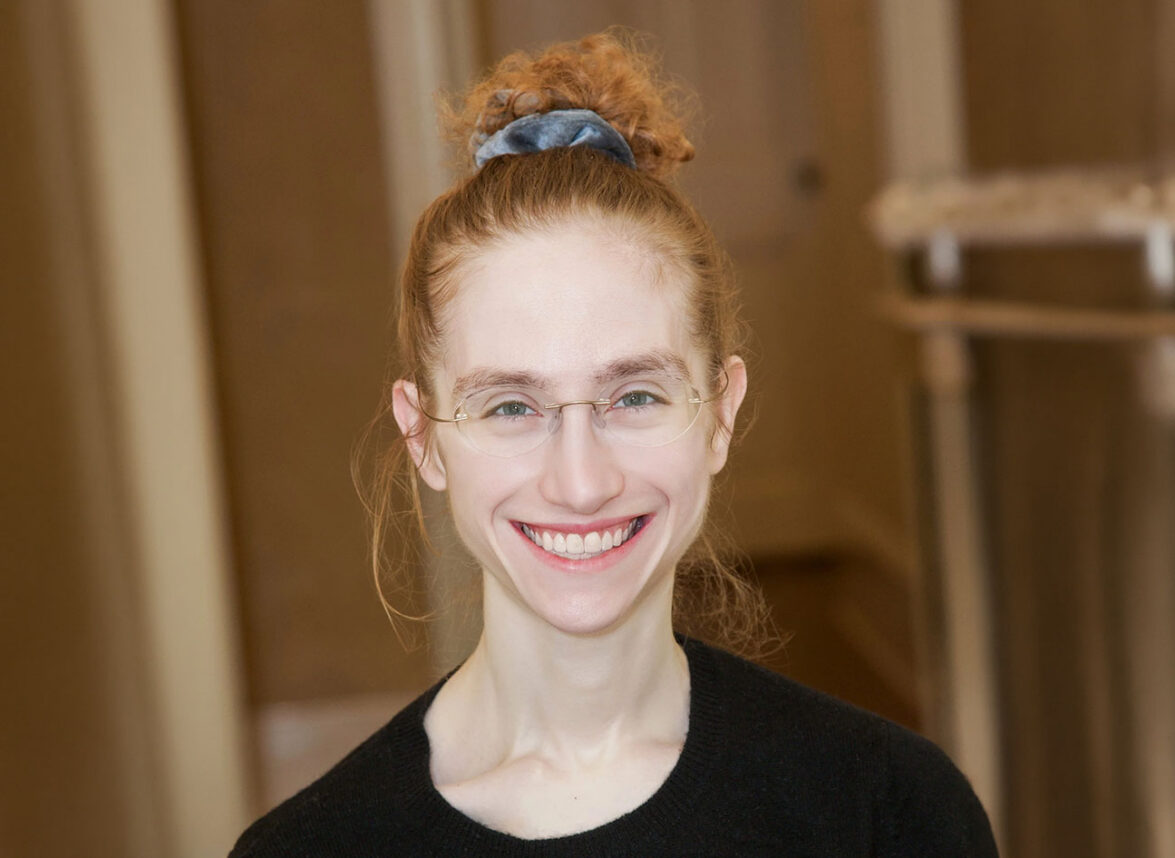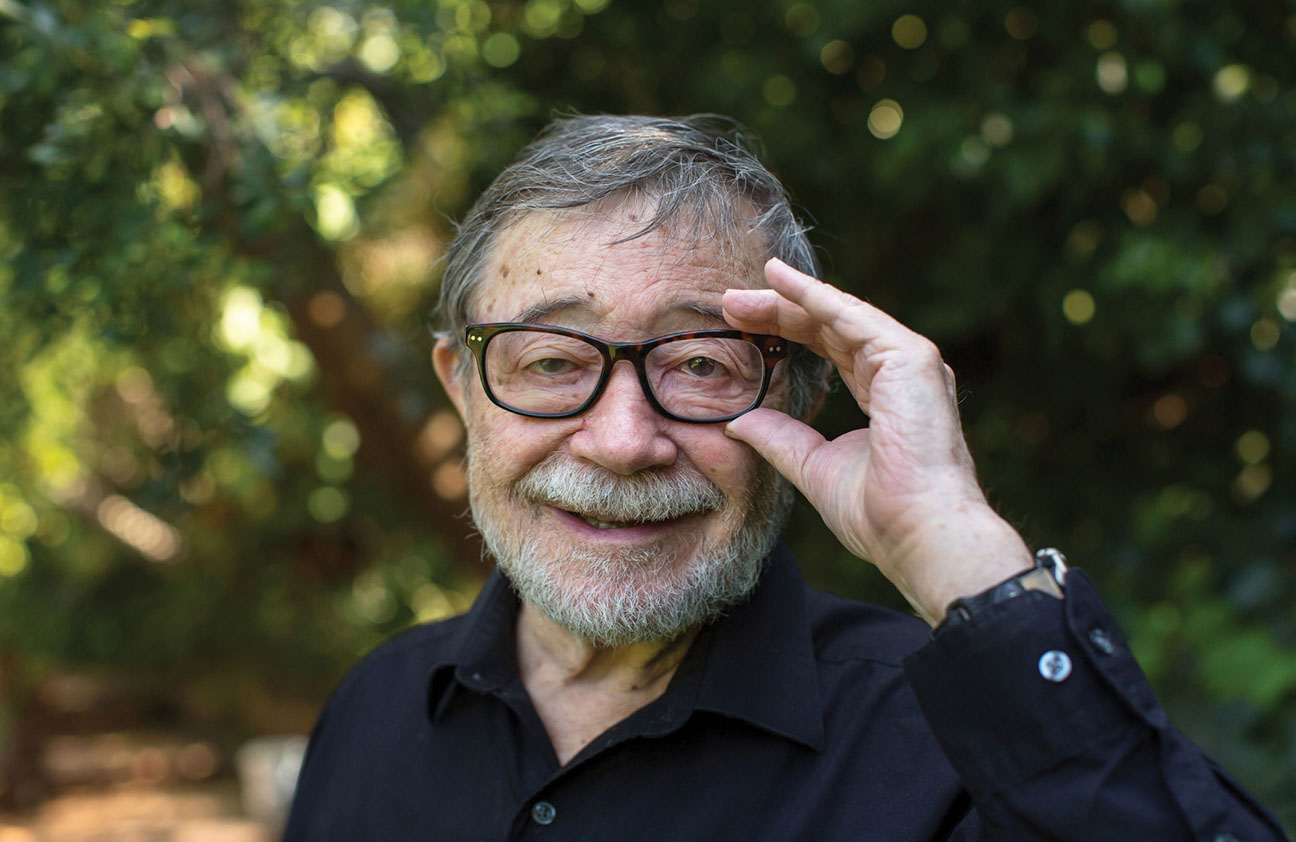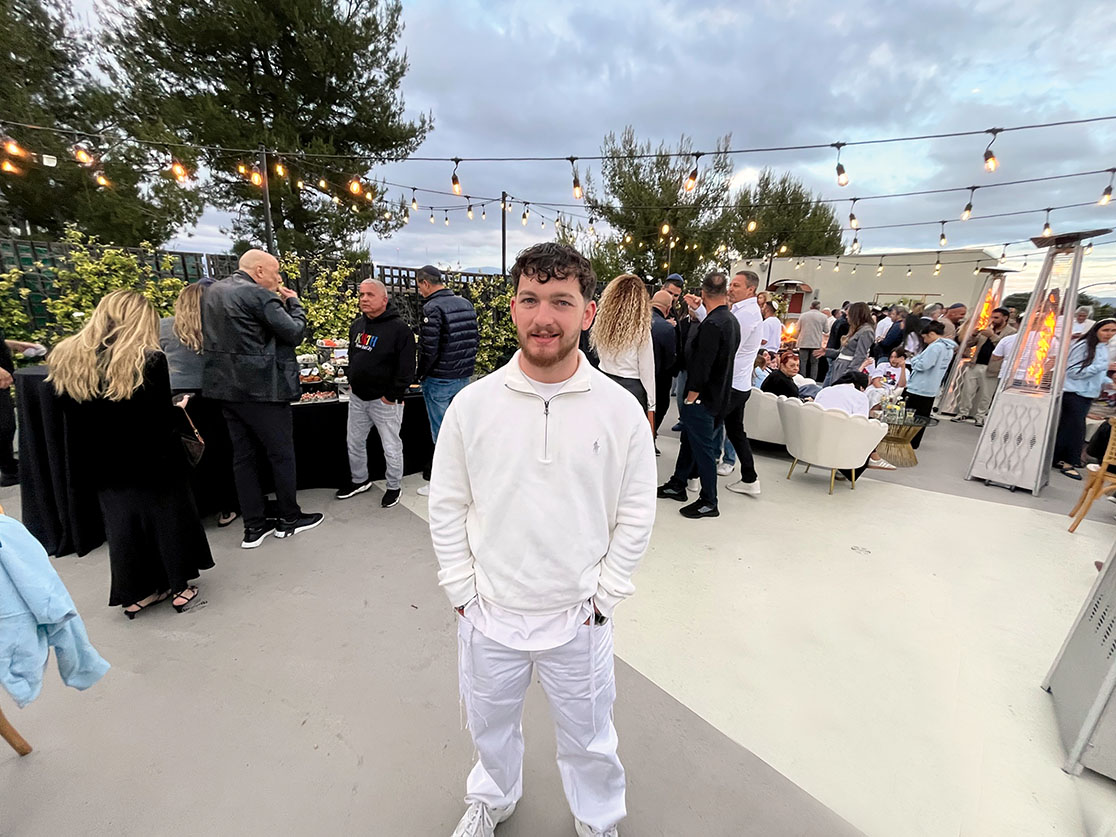
Less than a year ago, he did not know if he would live or die. While working as a security guard and paramedic at the Nova music festival, Bar Kupershtein stayed behind under fire to evacuate the wounded and save lives. He was then abducted by Hamas militants and endured 738 days of captivity marked by violence, starvation and psychological abuse. Now, Bar Kupershtein finds himself in a very different place.
On a recent afternoon at Magic Mountain, he was laughing on a roller coaster, surrounded by children battling cancer — all of them screaming with joy as the ride twisted through the air. Hamas tunnels in Gaza had never felt so distant.
Kupershtein, 24, who was released from captivity on Oct. 13, 2025, joined the group as part of a trip organized by Lehosheet Yad, an organization that brings Israeli children battling cancer from Israel to Los Angeles for a brief escape from hospitals and treatments.
The contrast was almost impossible to grasp. Just months earlier, survival was uncertain. Now, he and the children, each carrying their own unimaginable burden, were simply kids and young adults, chasing a moment of normalcy, their laughter free, real and contagious.
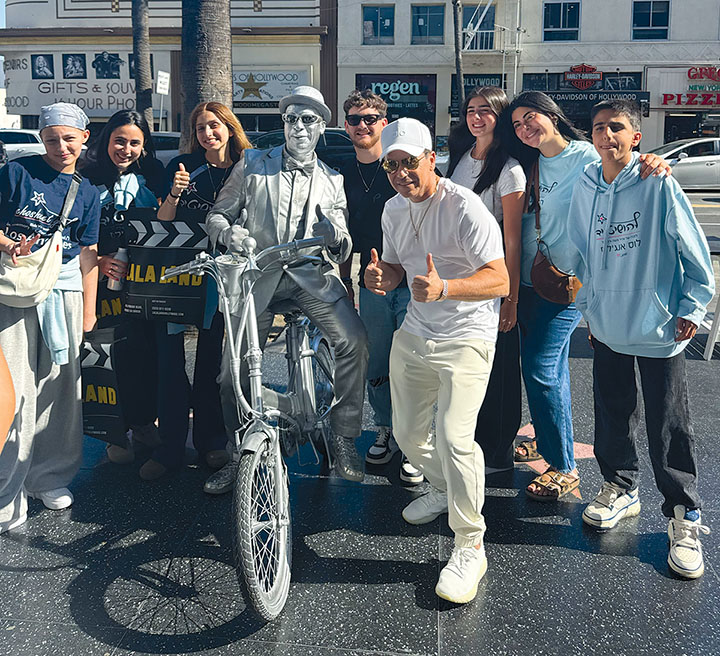
Kupershtein had originally come to the United States as part of a speaking tour, sharing his story with students, synagogues, churches and anyone willing to listen. Avraham Atar, the founder of the nonprofit organization, invited Kupershtein to join the children in Los Angeles. At first, he declined because of his speaking tour engagement, but when he learned the children would be in Los Angeles at the same time, he decided to join them.
“It felt like it was meant to be,” Kupershtein told The Journal. “We want to give them a moment to disconnect from everything they’re going through, just to be happy, to feel free.”
Dressed in a simple shirt with his tzitzit visible, Kupershtein said how much the experience of being with the children had meant to him. “Every day here is an experience,” he said. “It doesn’t matter if we’re at an amusement park or just riding the bus singing together, the goal is to bring joy. That’s the most important thing.”
In many ways, the connection between Kupershtein and the children felt unspoken. Both had faced moments where life hung in the balance, where uncertainty was constant and survival was not guaranteed. Yet neither defined themselves by those experiences.
Drawing on this parallel, Kupershtein said, “It’s not the same. Being sick is something very difficult to deal with, but when you’re taken hostage, there is also the constant uncertainty of whether you will come back alive.”
Since arriving in the United States, he has spoken before Jewish and Christian communities and visited Indiana University. He said he hopes to raise awareness of what Israel is facing, and to share what he endured during two years of captivity. Faith, he said, is what kept him going. While trying to put the past behind him, the need to tell the story time and time again keeps it alive for him.
“It stays with me. You can’t forget it,” he said. “You can’t really erase it, but you learn how to live with it.”
He said that while revisiting what he endured is difficult, he feels a strong sense of purpose in telling his story. “It takes me back a little each time, but it also gives hope to the people who hear it, because people can endure the most difficult things and come out strong. It gives me a sense of meaning.”
After every lecture, people donate money and tell him how grateful they are to see him alive and well. He said his hope is to buy a house one day. “Their words give me strength to continue, especially now with all the antisemitism in the world. It’s terrible,” he said.
His schedule is intense. After the trip with the children, he is set to join an IDF delegation, then fly to New York for more lectures, return to Los Angeles and eventually head back to Israel. One question he is frequently asked is whether there were any “good ones” among his captors. His answer is simple: “No, there were none.”
Kupershtein often hands out bracelets inscribed with: “I am in the hands of the Creator of the world.” People tell him, “I’m never taking this off.” They say that because of what he went through, he gave them strength and they want to be proud Jews. “I feel like I have a mission, and that’s the direction I’m going in.”
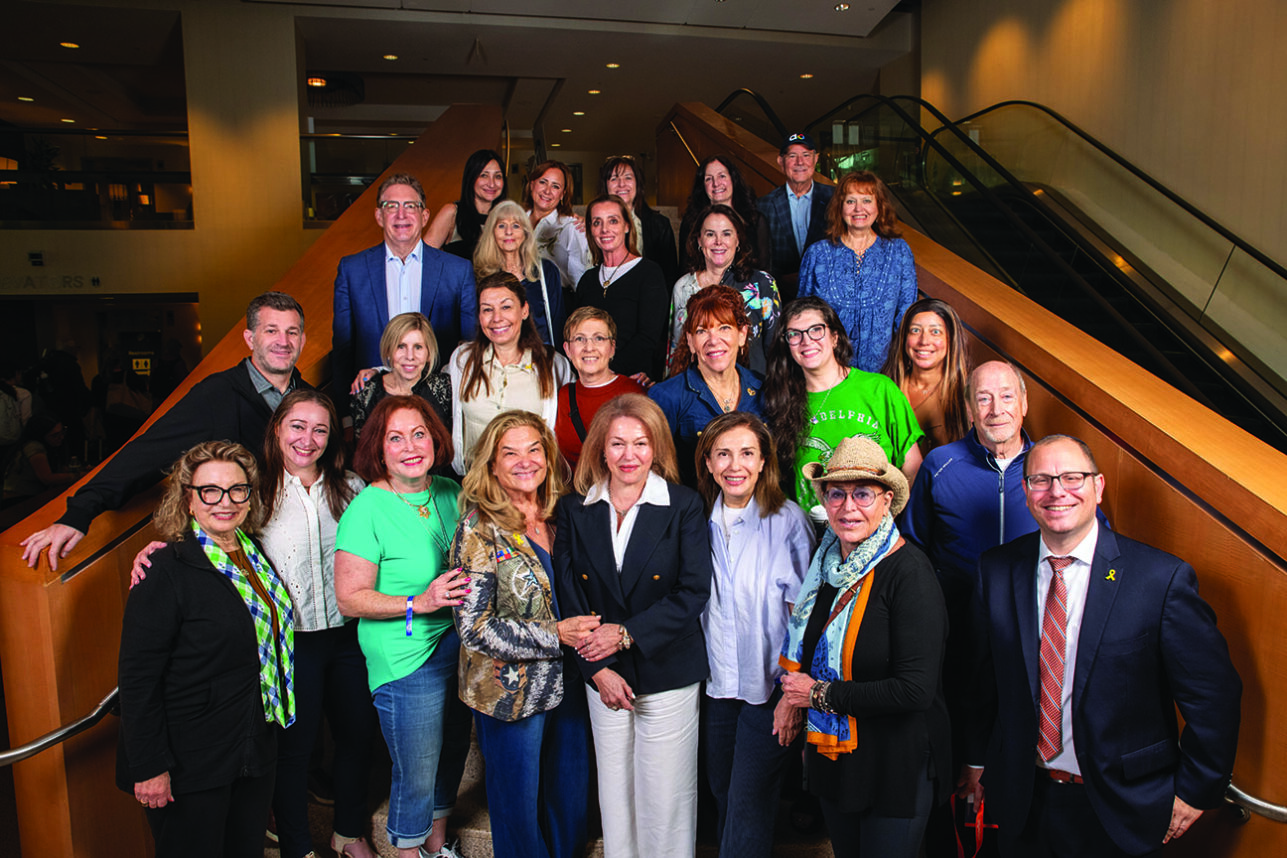
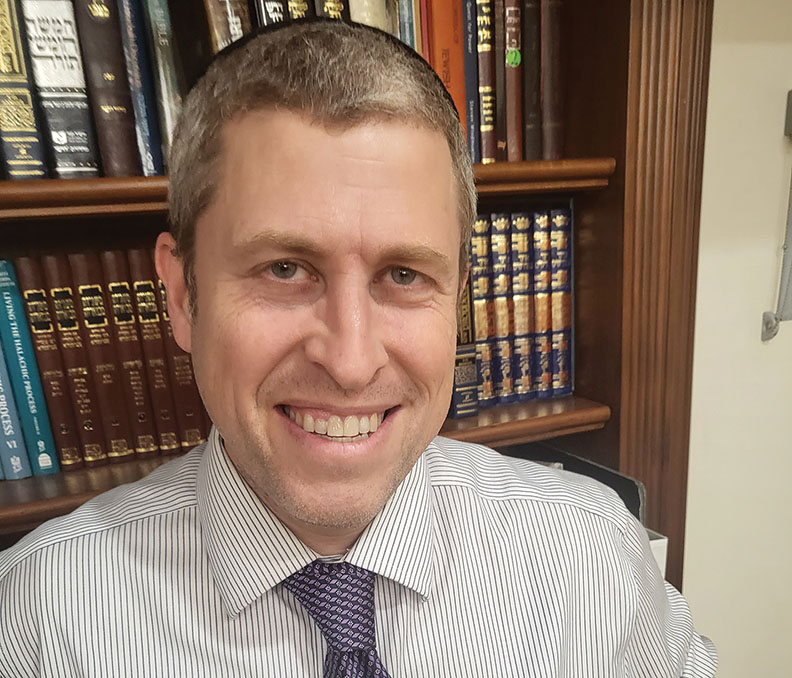
Behind the scenes, the trip is the result of 17 years of dedication by David and Esther Vered, Kobi and Lilach Shirazi, along with Rabbi Nachman and Elkie Abend. They have been organizing, funding and hosting this 10-day “dream vacation” for Israeli children battling cancer, many of whom have spent months — sometimes years — moving between hospitals and treatments. What began as a small initiative has grown into a carefully orchestrated annual journey, with every detail planned to give the children not just a break, but an experience filled with joy, dignity and a sense of being truly seen.
During the evening’s gala at Chabad House, a Torah scroll was completed and dedicated in memory of the children who had passed away after their battles with cancer, as well as Adir Vered, who was killed in a car accident 16 years ago. As it was brought into the hall, volunteers, supporters and the children stood together in a circle, dancing and singing as music filled the room. In that moment, it was almost impossible to tell what each of them had endured — they were simply joyful, laughing and embracing the chance to be children again, if only for a while.