fbpx

Rosner’s Torah Talk: Korach with Leora Londy Barash

[additional-authors]
June 10, 2021

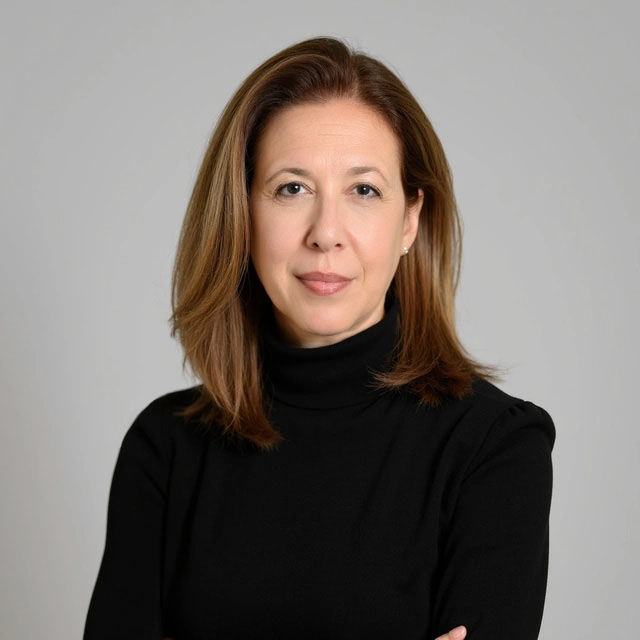
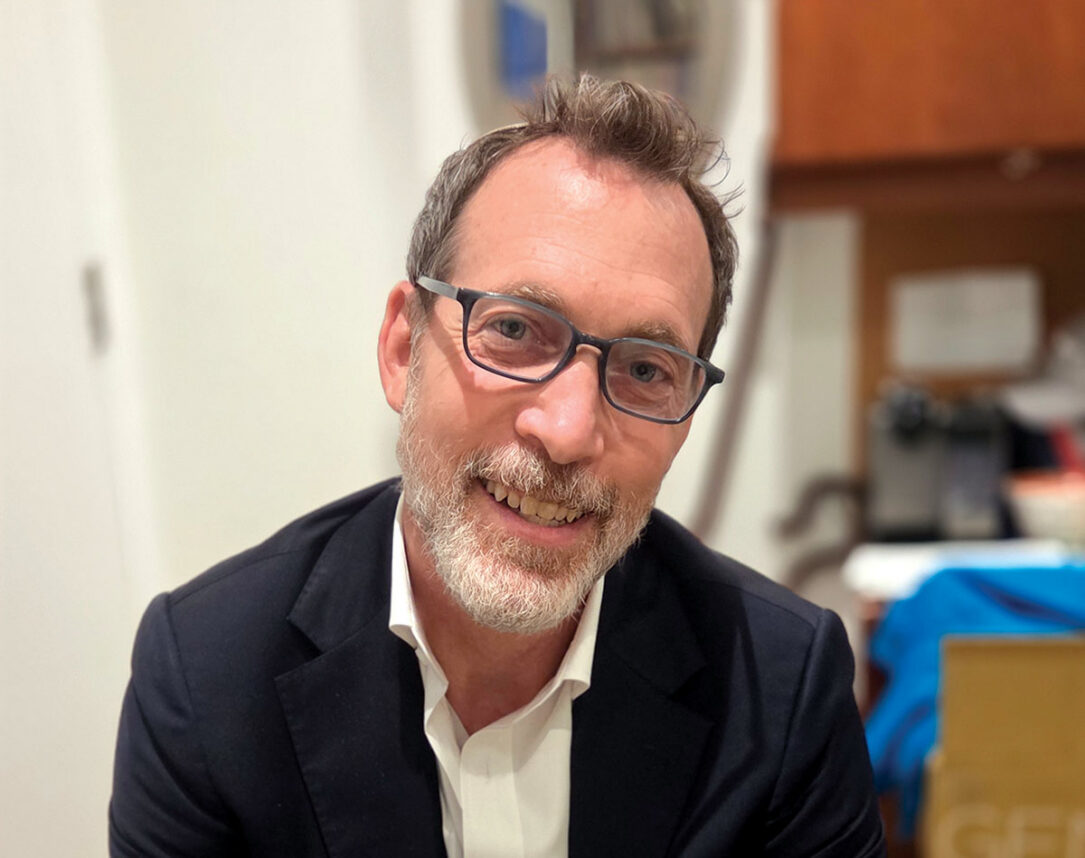
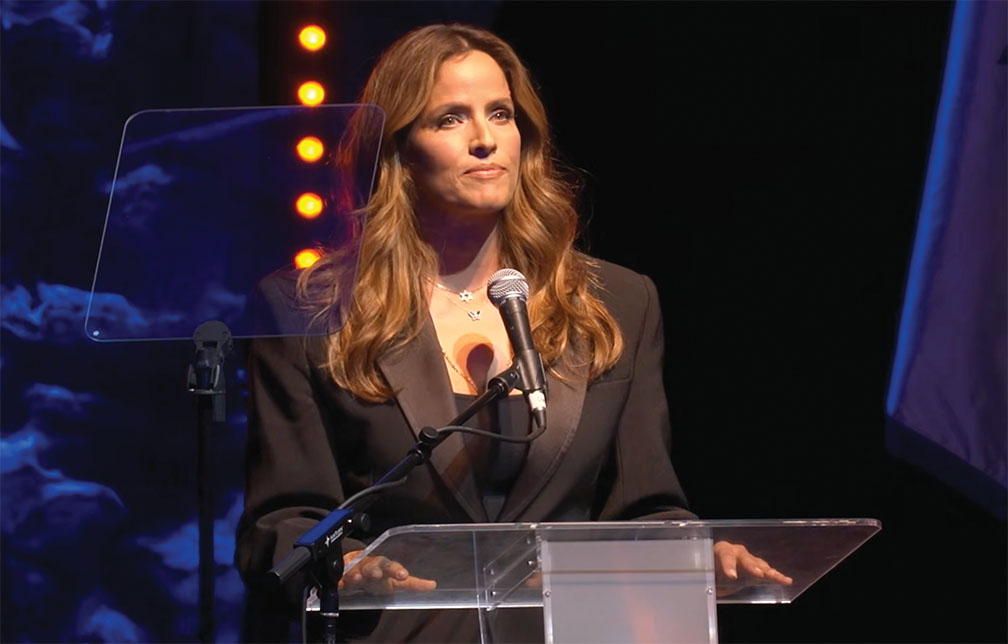
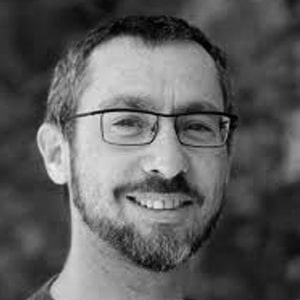
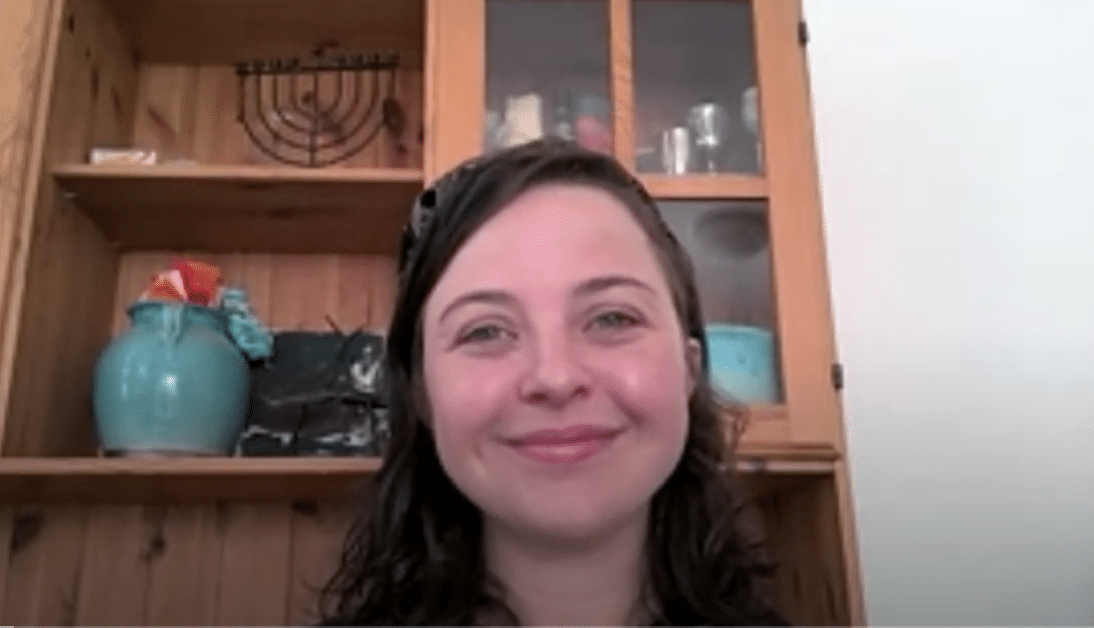
Leora Londy-Barash is a 4th year rabbinical student at the Jerusalem campus of the Hebrew Union College Jewish Institute of Religion. Leora grew up in the Conservative movement in the United States and after a gap year program decided to stay in Israel to explore her Jewish identity. During that time she was exposed to an array of Jewish experiences and was particularly moved by the role of the Reform movement in shifting the public’s perception of what Judaism can be and what its role in society should and should not be. Today is the rabbinic leader at a Reform congregation in Ramat Aviv, part of the Daniel Centers for Progressive Judaism, where she uses her platform to expose Israelis to the beauty of liberal egalitarian Judaism. She lives outside of Tel Aviv with her family.

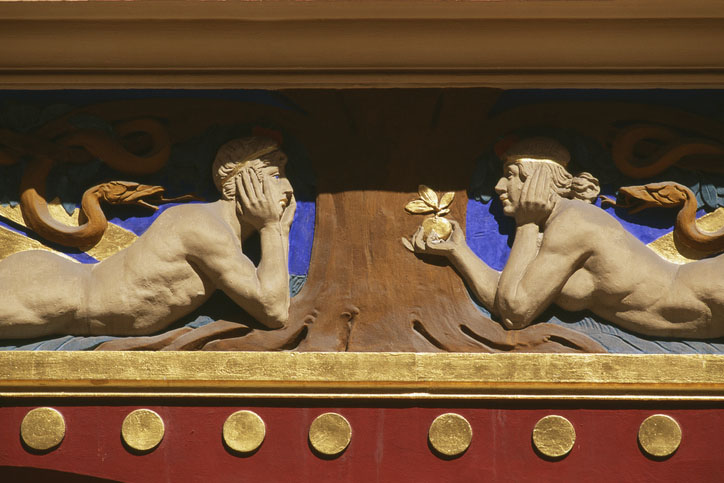
In parshat Korach, a Levite, along with two sons of Eliab, decided to rise up against Moses with the support of 250 community leaders. When Moses heard this, he fell on his face. Then the ground under Korach, the sons of Eliab and their followers split, and the earth opened its mouth and swallowed them and their houses and all of their property.

Previous Torah Talks on Korach

Rabbi Daniel Nevins

Rabbi Susan Silverman

Rabbi Joshua Katzan

Rabbi Rachel Bregman

Rabbi Shawn Zevit

Rabbi Raysh Weiss

Rabbi Dan Ain

Rabbi Daniel Lapin


Did you enjoy this article?
You'll love our roundtable.

Editor's Picks

Latest Articles

A Ka’ak By Any Other Name

A symbol of hospitality, families bake batches for holidays, family celebrations and visits with friends and relatives.

The Story That Never Goes Away

Rachel Goldberg-Polin, mother of slain hostage Hersh Goldberg-Polin, can’t stop speaking about her pain and the public love her body cannot always receive. She talks to the Journal about her son’s legacy and her new book.

Rosner’s Domain | A Dime-Store Abe: The Karhi Crisis

This week’s “Constitutional Crisis” is typical of the way the government operates. It issues a statement, or a tweet and then walks it back. Oops, we did not mean it. Or rather, we did, but we also meant to deny that we did.

Why Can’t We Be Friends?

If we want to see a less polarized society, both internally and beyond, we must emphatically reject the idea that political alignment is the predominant commonality for friendship.

Ruth-less, the Enigma of a Name

Jews spoke in two voices about Ruth, a kind of national schizophrenia, one with joyous chanting on Shavuos as the Book of Ruth was read; the other, removing her name from the chain-link of repeated names throughout the generations.

Honoring My Father: Saying Kaddish with Men

Saying kaddish every day tested my faith and commitment. It made me realize that there is no room for excuses. It taught me how to show up. It taught me that my voice can be heard, even when not expected.

More news and opinions than at a Shabbat dinner, right in your inbox.