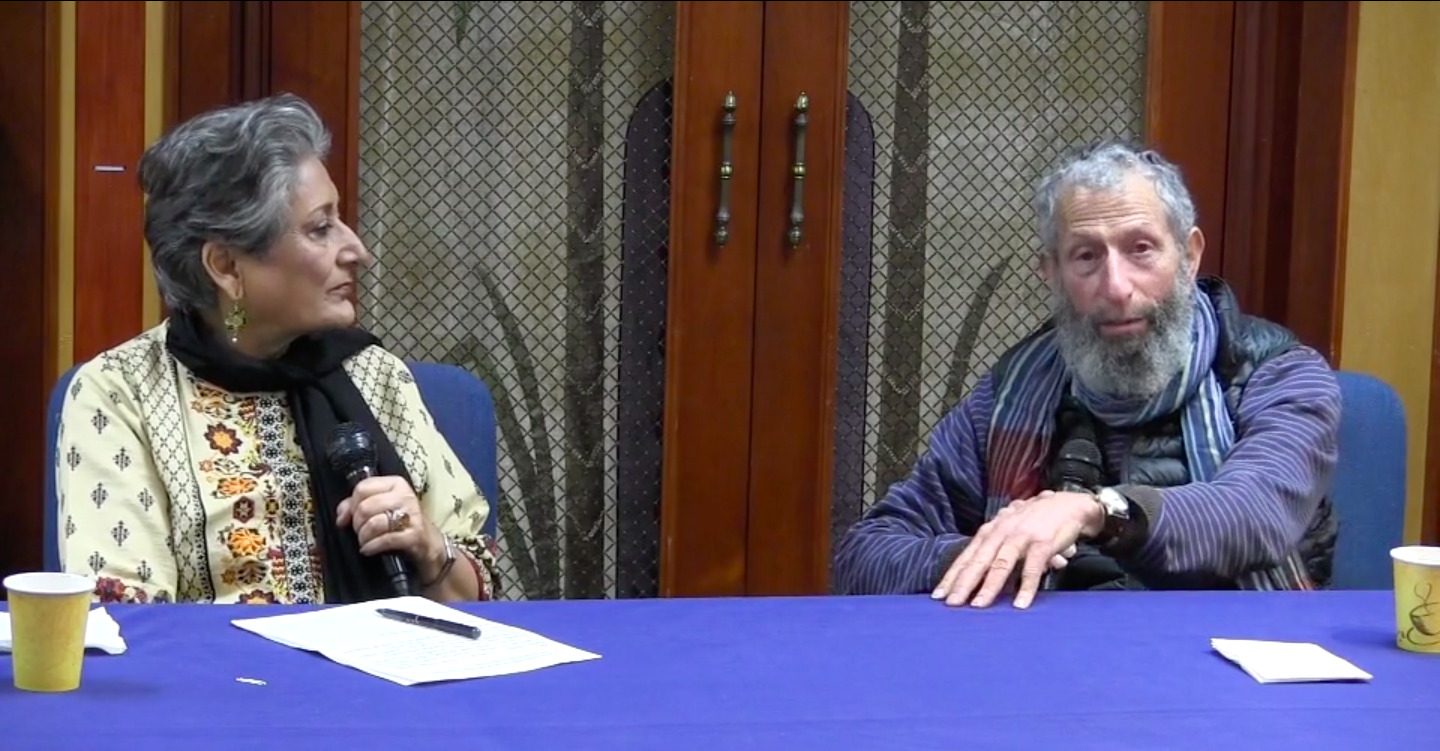
A rabbi and a Muslim author-activist walk into a room. The rabbi discusses Islamophobia in the Jewish community and the author speaks about anti-Semitism in the Muslim world.
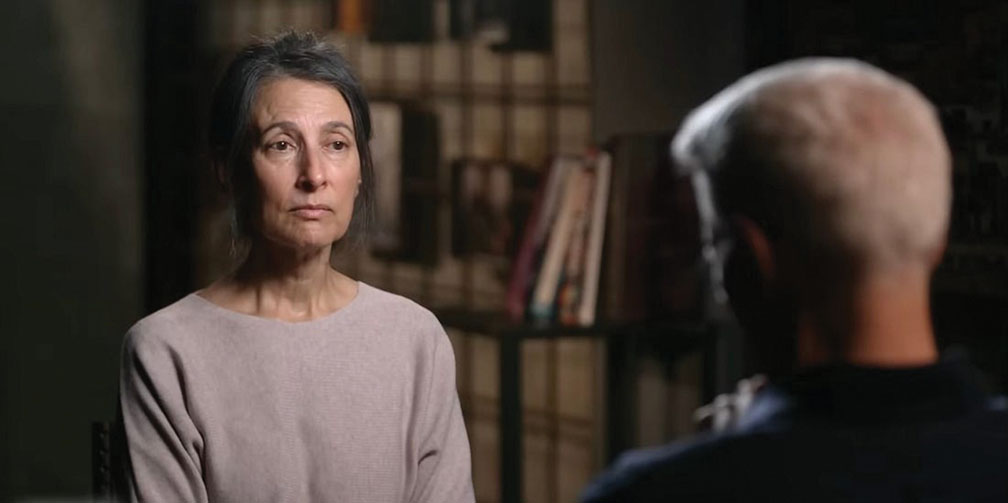
This was not the beginning of a joke. Rather, it was a discussion with Raheel Raza, president of the Toronto-based Council for Muslims Facing Tomorrow, and Rabbi Reuven Firestone, professor of medieval Judaism and Islam at Hebrew Union College-Jewish Institute of Religion.
Around 30 people braved heavy rain to attend the Jan. 15 conversation titled, “Hate, Fear and Distrust,” which was hosted by the Orthodox Westwood Kehilla congregation.
During the discussion, Raza denounced anti-Israel statements made by newly elected Muslim Congresswomen Rashida Tlaib and Ilhan Omar as examples of Muslim anti-Semitism. “They have very clearly put out on Twitter their hate against Israel and their anti-Semitism, yet they are representing the Muslim community. They are representing Americans in Congress,” Raza said. “So this is something that worries me a lot.”
Firestone said Islamophobia in the Jewish community stems from anger among Jews over the anti-Israel Palestinian movement. “The Zionist-Israel-Palestinian conflict has morphed into one in which we Jews are buying into and furthering a kind of anti-Islamic perspective from the West, and it’s unfortunate,” Firestone said.
“The ultimate takeaway was that it’s too easy to ignore inappropriate comments when made in our presence,” Smith said, “and that the best way to combat the Jewish or Muslim ‘anti’s’ is to not let inappropriate comments pass uncontested.”
As the head of Muslims Facing Tomorrow, Raza said she attempts to raise awareness about the differences between Islam, a monotheistic faith tradition, and Sharia law, a legal-political system. She argued there is no basis for anti-Semitism in the Quran and said that mosques and school curriculums are responsible for the widespread hatred of Israel — and Jews — among Muslims.
“Even today, if you go into the rural areas [in Muslim countries] and ask a small child, ‘What do you think about Israel or Jews?’ they will show their hatred without any idea of who they are talking about,” Raza said.
When she was a child growing up in Pakistan, Raza said she had few encounters with Jews but read about them in the library. Today, books about Jews are no longer available in Pakistan, which became engulfed by extremist Islam in the late 1970s, she said. Around this time, she and her husband immigrated to Canada, unable to cope with the changes in their native country.
Firestone traced Islamophobia — which he called the fear of, or anxiety about, Islam — to the 8th century, when Christians tried to denounce the prophethood of Mohammed and demonstrated that the Quran was not a true revelation of God. “Jews were doing the same thing, by the way,” he said.
Following the event, Westwood Kehilla’s former president Greg Smith, who moderated the discussion, wrote in an email to the Journal that both Raza and Firestone reinforced how important it is to not let hate against either Jews or Muslims go unchallenged.
“The ultimate takeaway was that it’s too easy to ignore inappropriate comments when made in our presence,” Smith said, “and that the best way to combat the Jewish or Muslim ‘anti’s’ is to not let inappropriate comments pass uncontested.”
See full video of the conversation here.