

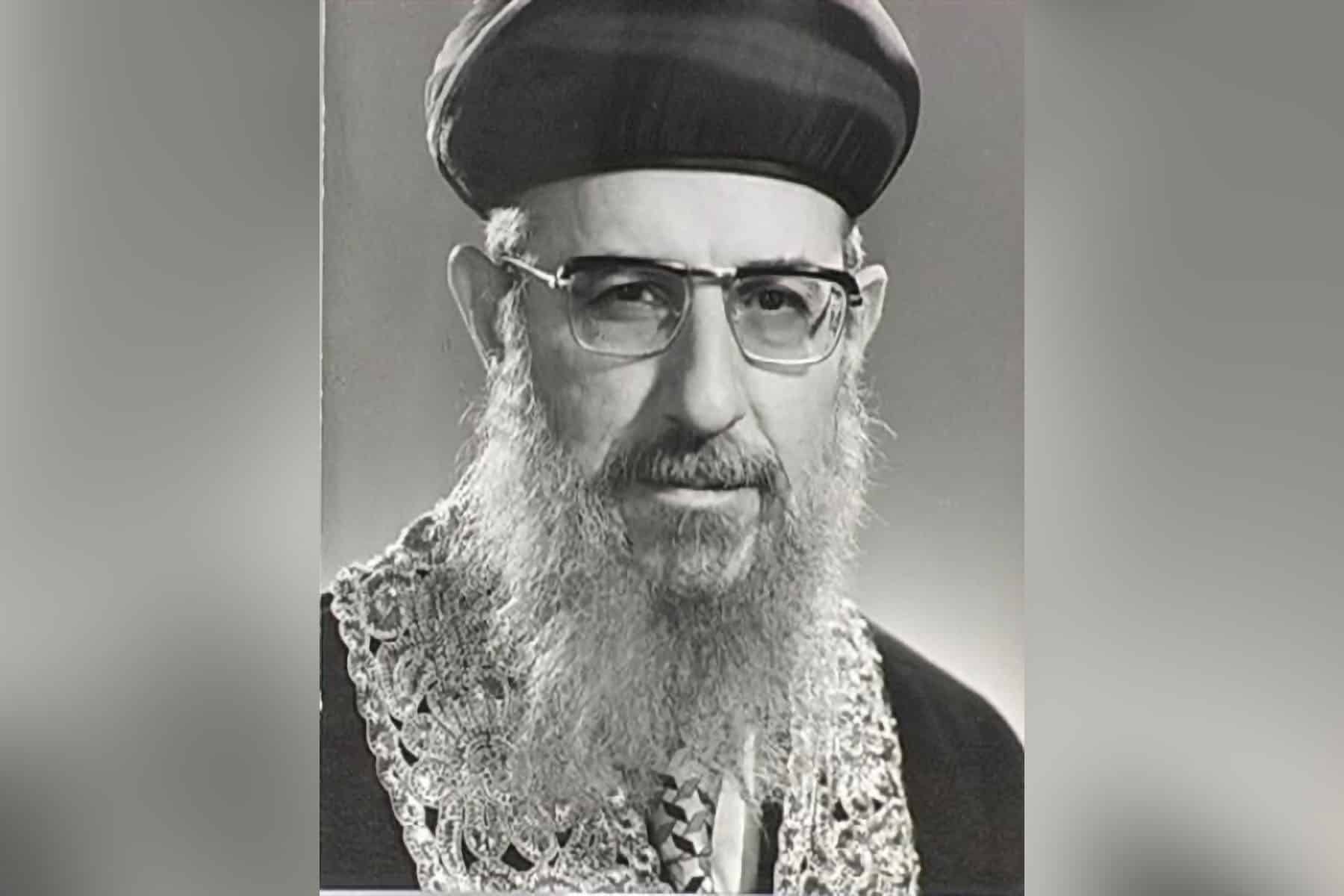
This week, let the words of three major Sephardic halakhic authorities speak for themselves.
Rambam/Maimonides
“The redemption of captives takes precedence over sustaining the poor and providing them with clothing. There is no greater mitzvah than the redemption of captives, for a captive is in the same category as those who are hungry, thirsty, and unclothed, plus the captive’s life is in danger. One who avoids redeeming captives violates the following negative commandments in the Torah: ‘Do not harden your heart or close your hand’ (Deuteronomy 15:7), ‘Do not stand by when the blood of your neighbor is in danger’ (Leviticus 19:16), and ‘You shall not oppress a person with exhausting work in your presence’ (Leviticus 25:53). Additionally, one who avoids redeeming captives violates the following positive commandments in the Torah: ‘You shall surely open your hand to him’ (Deuteronomy 15:8), ‘And your brother shall live with you’ (Deuteronomy 19:18), ‘Love your neighbor as yourself’ (Leviticus 19:18), and many other decrees of this nature. There is no mitzvah as great as the redemption of captives.”
(Maimonides, Mishneh Torah, Laws of Gifts to the Poor, 8:10)
Rav Yosef Karo/Shulhan Arukh
“Every moment that one unnecessarily delays the ransoming of a captive, it is as if they are shedding blood.”
(Shulhan Arukh, Yoreh Deah, 252:2)
Rav Haim David Halevy (former Chief Sephardic Rabbi of Tel Aviv)
“With regard to the idea that a negotiation deal will strengthen the numbers of terrorists because we are releasing trained terrorists, etc., this is true. But there is another point to consider: the soldiers’ morale. When a soldier knows that if he should fall captive, the whole State of Israel will stand behind him to redeem him, then he will fight fearlessly. But if he thinks that he won’t be ransomed, he will likely say, ‘I would rather fall back than be taken captive.”
(From a halakhic position paper written in response to the 1985 ‘Jibril Agreement,” when Israel released 1,150 security prisoners in exchange for three Israeli soldiers held hostage by a terrorist organization during the first Lebanon War. Rabbi Halevy concluded that the then-government of Israel was not in violation of Halakha).
Bring Them Home.
Shabbat Shalom
Rabbi Daniel Bouskila is the international director of the Sephardic Educational Center.
































