In my Rosh HaShanah column last week, I taught that suffering often compels us to change. If you have a conscience, you want to change because you cause suffering in others. If you have a soul, you will want to reduce the suffering others cause you and also reduce your own self-inflicted inner suffering. Many people have both conscience and a soul.
No spiritual tradition addresses suffering as directly as Buddhism. My paraphrase of Buddhism’s Four Noble Truths is: Life involves suffering. We suffer because we want some intractable reality to change. There is a way out of suffering. Here is the path (the Eightfold Path)
The key word is “want.”
We know that some difficult realities will not change. But when the difficult reality is a person who matters to us, there usually remains at least an ember of hope that they might change. We often feel qualified to effect that change in others.
Let us assume that your desire for this person to change has some validity — that an impartial observer would agree that change is necessary. Often people refuse to change because they do not want to endure the painful path of transformation, or even the discomfort of apologizing. They are avoiding suffering. They will let you suffer so that they will not have to.
A key feature of the Jewish Eightfold Path is the Days of Awe. Rosh Hashanah tells us to stop the suffering you cause others. The journey though the Days of Awe is a major guilt trip. Words such as “sin” abound. This is a guilt trip in a good sense. We might call the Days of Awe a journey of accountability. If we take these days seriously, especially as reflected in the liturgy, we must at least face ourselves.
Have I been unable to change? Stubborn? Thoughtless? Perhaps even mean?
The liturgy tells us that God knows and that we will not get away with it. I have my doubts about that last part, but who knows?
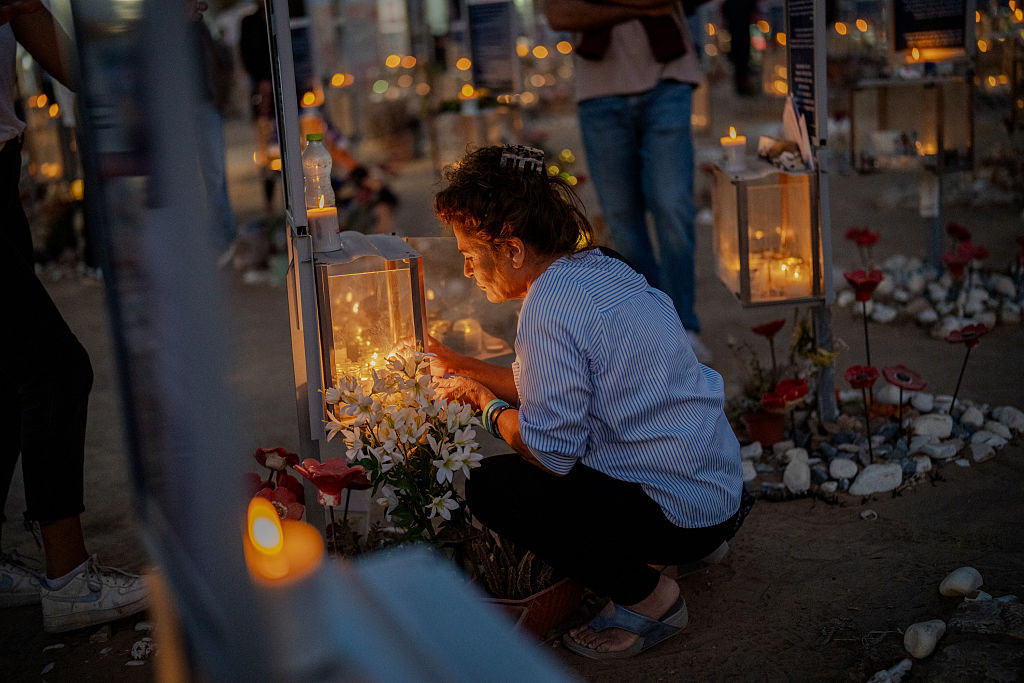
Who by fire, and who by water?
We are at Shabbat Shuva, the fulcrum between Rosh HaShanah and Yom Kippur, the movement from morality to spirituality.
I do not think the desire for reality to be different is the sole cause of inner suffering. The desire to suffer less is certainly present, but it is not necessarily the root of the pain.
I once compiled a list of 20 ego states associated with inner suffering: anger, resentment, guilt, shame, victimhood, fear, lack of meaning, lack of fulfillment, the compulsion to accommodate others and the desperate need to be understood.
Some of these states are forms of defense. Sometimes they are ways of defending our hearts.
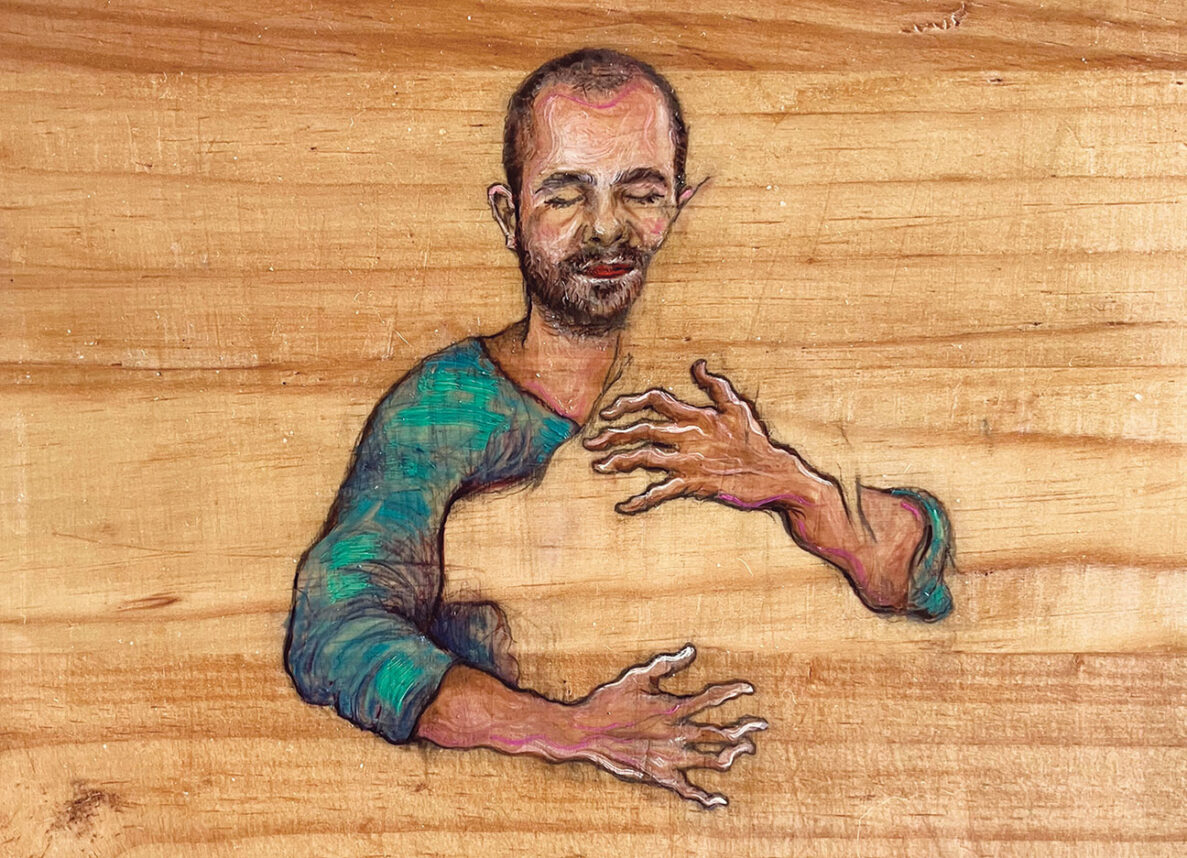
This suffering should not be understood merely as something that happens to us, like a painful tooth that sends us to the dentist. At a certain point, suffering can begin to organize our character. It becomes symbolic of something deeper taking place within us.
Often, that deeper reality is grief.
We can learn adaptive skills that help us cope, and those skills have real value. Yet beneath them, the suffering may continue to simmer.
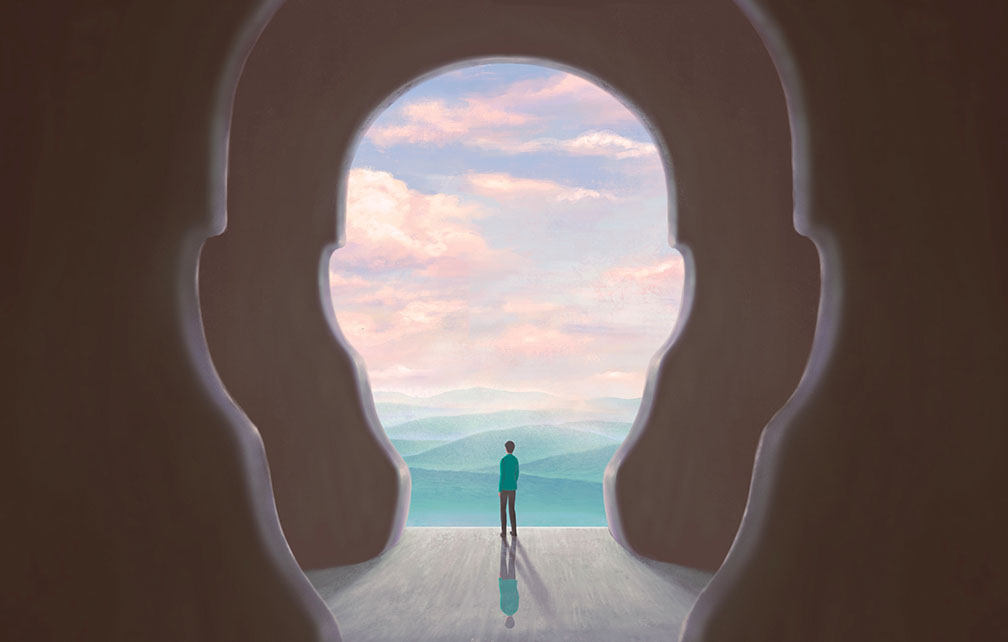
Here is an image that has been useful to me: the expansion of the soul.
An unhealed wound can produce pain that spreads throughout the entire system of our inner life. We may not be able to remove the wound. We may not even fully understand it. But we can enlarge the life surrounding it.
When we expand the soul, the size of the wound is proportionately diminished.
Insight alone rarely produces change, at least not quickly. Understanding the source of our suffering is important, but understanding is not transformation. More durable change requires growth of character — the gradual expansion of the soul around the wound.
You have heard me say, perhaps many times, that personality is roughly what we were born with. Character is what we do with it.
How, then, do we expand the soul?
Here is a starting place: Clown around. Have a good time. Look forward to something every day. Don’t take yourself and your suffering too seriously. Give your own needs a rightful place, at least for part of the day.
If you cannot be a comic, watch comedy. Memorize jokes.
In a phrase: lighten up.
Do this in spite of suffering — or, more pointedly, to spite the suffering.
Clowning does not deny the wound. It refuses to let the wound become the entire soul.
There is a struggle within us between constriction and expansion, between despair and vitality. Good humor can be a powerful ally against the constriction that suffering creates.
When I look back upon my life from the vantage point of my casket, I do not think I will regret the time I spent clowning around.
The things I regret, I am working on. Perhaps more intensely than usual, because I must admit that I really do not know, who by fire, and who by water?
Poetry, liturgy, holy texts are the flip side of humor. As we move toward Yom Kippur, with our souls sufficient lightened, we will study poetry and texts that sear our expanded soul and propels us toward transformation.
Rabbi Mordecai Finley is Rabbi of Ohr HaTorah Synagogue.