
Chametz is something that our tradition teaches must be removed from our homes in order to prepare for Passover. It is all the tiny particles of anything that is sourced from leaven/yeast that adds air for expansion, the way our bread puffs up with lots of tiny little holes giving it the expanded, soft texture we all love. It is also particular grains that when wet can sour, expand, and can be described metaphorically as “growing on their own”; something we lose control over. The tradition requires we become detectives, searching every crevice and corner of our physical environments, gathering all these particles and preparing them the next day to be burnt. The search is done the night before Passover begins, using a feather to sweep them up and a spoon to collect them. For families it is the treasure hunt children crave, navigating their homes by candlelight, gleefully calling out,”We found some more!” And when our children are grown, we discover there can be new ways to mine for hidden treasures of enlightenment and self-discovery.
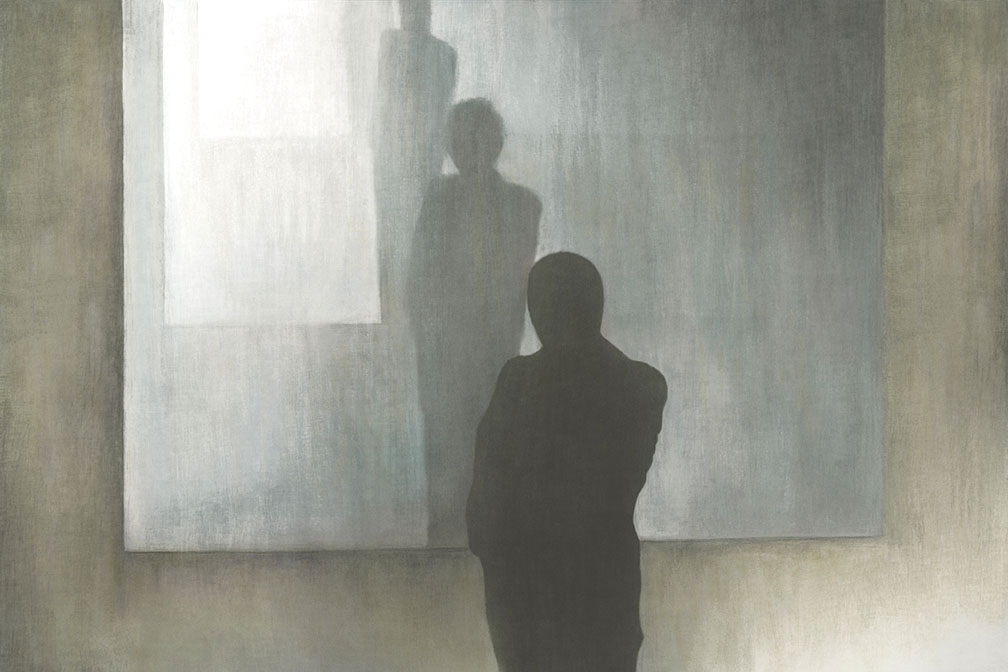
As times have opened to new and creative interpretations of our customs and traditions, we now see those little crumbs as not only physical and edible chametz, but something deeper and more spiritual. Even traditionalists now see this as an important part of Passover preparation. Beyond cleaning and purifying our environments for the Passover holiday, it is an opportunity to also look within, searching for those places in our souls, in our hearts and in our minds. With intentional and focused examination, it is a way to begin the first Seder cleansed, renewed and ready to immerse oneself in the history of our people, in identifying with one of the most awesome moments of liberation.
Chametz is also something that gathers in the corners of our being, the spiritual chametz that, like the physical particles we gather the night before Passover, can infect, wither, influence and sabotage us as we engage with others, at work, in families, in friendships and our own intra-psychic life. We search our minds, hearts, souls, for the parts of our lives, the chametz that fills us with false pride, inaccurate perceptions, inordinate judgments. They prevent us from moving forward or fulfilling our dreams; they can undermine our behavior and/or the ability to feel pain, grief, or fear. We search for those unresolved issues or emotions that prevent us from being free and liberated: the psychospiritual particles that puff us up, inflate the false self, our egos, our stubbornness and/or arrogance or the inner Pharaoh we sometimes hold, totally unawares. What about the chametz of fear and insecurity, of regaining strength, courage and purpose. These too are important in these moments when confronted with uncertainty, chaos, and war. We begin with purpose, before we sit at our seders, just like our ancestors did in Egypt, by preparing an offering.
Not unlike the work we do during the coming seven weeks when we “Count the Omer,” a deep dive into the Kabbalistic inner workings of our “middot,” qualities of character and behavior, and the work we do before the High Holy Days, with “Cheshbon haNefesh,” accounting of our soul, this is another time in the Jewish calendar for focused and intentional searching and personal growth. The Jewish calendar is one of the greatest journeys of transformation and a pathway to sanctification and elevation available to us.
This time we write down on small pieces of paper that which we want to discard, clear out and/or change, then fold them into tiny pieces, an offering we burn along with the physical chametz by noon of the first Seder. It can be a welcome and renewing moment that prepares us for receiving and reigniting our tradition’s greatest gift, freedom, in a very wholistic and “holistic” way. Here is the blessing one says upon burning the Chametz: “Blessed are You, our God, Ruler of the world, who sanctifies us with mitzvot and calls upon us to remove chametz.” “Baruch atah Adonai, Eloheinu Melech haolam, asher kid’shanu b’mitzvotav v’tzivanu al biur chametz.”
May this Passover support all forms of liberation, physical and emotional/spiritual to move forward with pride, resilience and joy.
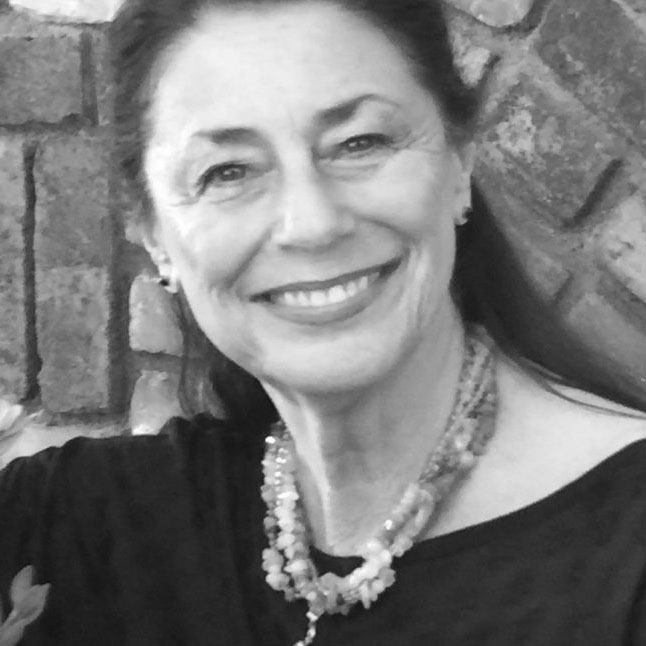
Eva Robbins is a rabbi, cantor, artist and the author of “Spiritual Surgery: A Journey of Healing Mind, Body and Spirit.”