In her early 20s, Sharon Yitzhaki boarded a plane in Bolivia carrying a suitcase she believed belonged to the man she was in love with. She had no idea that the decision would change her life forever.
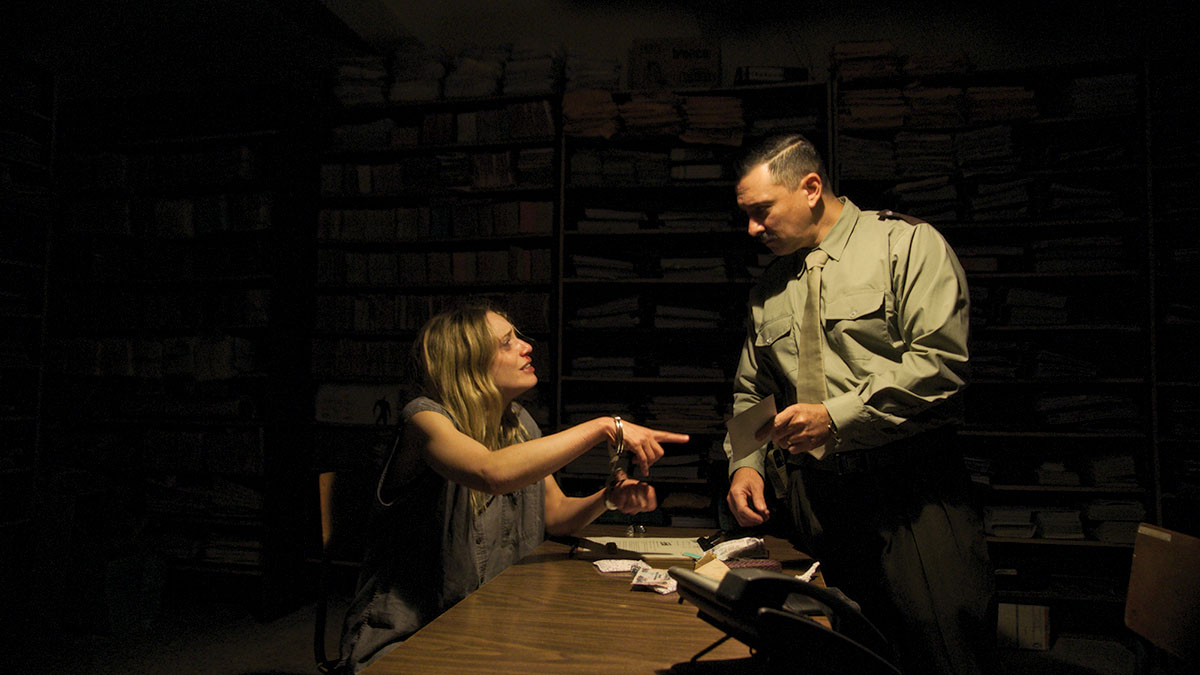
Police pulled her off the plane and accused her of attempting to smuggle 10 kilos of cocaine. Yitzhaki, who says she was framed, was arrested, interrogated in a language she did not understand and eventually sentenced to five years in Bolivia’s notorious Miraflores women’s prison.
The film follows the torture she endured there, her romance with the head of a drug cartel, an unlikely love story with a transgender woman and the creation of a family with a baby they adopted — all inside the prison walls.
Yitzhaki also descended into drug addiction before eventually turning her life around and escaping Bolivia. She later turned her extraordinary experience into the bestselling memoir “10 Kilos of Cocaine.”
The story made headlines in Israel when Yitzhaki was arrested in Bolivia in 1997. But it was decades later, when Israeli filmmaker Doron Eran read her book, that he decided he had to bring her story to the screen.
From the beginning, Eran said, he knew the story was more than a conventional prison drama. He also wanted audiences to see a side of the Bolivian prison system rarely portrayed on screen, where mothers can raise their children behind bars.
“There is a law in Bolivia that prohibits separating mothers from their children,” Eran said. “Because many of the fathers have been killed in cartel wars, the children remain with their mothers. There are babies born in prison who stay there with their mothers for many years. This is the first time a prison of this kind has been portrayed on the big screen.”
The award-winning director initially considered filming in the Dominican Republic but abandoned the idea after learning that productions there were routinely approached for protection money by local gangs. He then decided to film in Guatemala, which offered a workable alternative, although it came with its own extraordinary complications.
“We discovered that almost everything we were using belonged to the same crime family in Antigua,” Eran said. “The house, the school, the catering, the hotel where the crew stayed. Basically, there was one person who controlled the entire production. It was amazing.”
Guatemala is considered one of the most violent countries in the world, so Eran was accompanied by three bodyguards. During the second week of filming, he was confronted with an unexpected demand: $5,000 in cash in exchange for being allowed to continue filming at the school. With the production already underway, he had little choice but to pay.
The production itself was enormous, with approximately 1,000 Indigenous women from surrounding villages working as extras. After 14-hour shooting days, Eran found himself sitting with a pile of cash, paying the women individually.
Despite the fear and pressure, however, he says he never regretted filming there.
“The people in Guatemala are very nice,” Eran said. “They love Israelis — perhaps more than anywhere else in the world.”
The casting of Yitzhaki was another lengthy process. Eran said the production conducted more than 100 auditions before a casting agent contacted him about Daniella Kertesz, the Israeli actress known for playing Segen in “World War Z,” in which she starred alongside Brad Pitt.
At the time, Kertesz was living in Paris, so they scheduled a Zoom meeting. However, it did not go smoothly.
“She started asking me about the nudity in the film, which is a part of the story, and we began to argue about it,” Eran said. “I told her, ‘You know what, just forget about it.’ We hung up, and then she called me back and said, ‘Let’s start the conversation over. This part is mine.’”
Kertesz read the book and felt a special connection to the character. Determined to win the part, she sent Eran five audition clips. “They were perfect,” Eran said.
Yitzhaki herself remained closely involved throughout the production and flew with the crew to Guatemala for the shoot. “It was the first time I met her, right there on the set on the first day of shooting,” Kertesz recalled. “It was extremely stressful. We had just filmed the scene depicting the abuse in the showers, followed by the week of her withdrawal from drugs — very difficult scenes. It’s unsettling to portray someone while she is standing there watching you play her.
“It wasn’t easy for her either, because it brought her right back to that place. After the shoot, we went outside, got to know each other and hugged. She was very encouraging.”
At one point, after the crew shot a scene in a dungeon, Yitzhaki turned to Eran and said, “The smell of this place is killing me.” The experience transported her back to the Bolivian prison.
“After that, she left,” Eran said.
The director hopes the film will serve as a warning to young women who can be manipulated by the men they trust. “Prisons across South and Central America are filled with American and European women who have been turned into drug mules,” Eran said. “It’s always the same story: they fall in love with someone, and then they are used as pawns and handed over to the local authorities.”
After completing the film, Eran took it to the Cannes Film Market, where the response initially seemed extremely promising. The film generated enthusiastic reactions from distributors, and Eran thought he was finally on the verge of finding international buyers. But the timing was difficult. It was shortly after Oct. 7, 2023, and, Eran said, distributors did not want to touch a film with Israel attached to it.
“They would come out of the screening and say, ‘Wow, what a movie,’” Eran recalled. “And then they would go online and start Googling. Suddenly they realized that the story and the director were Israeli. And then they walked away. Nobody wanted to cooperate.”
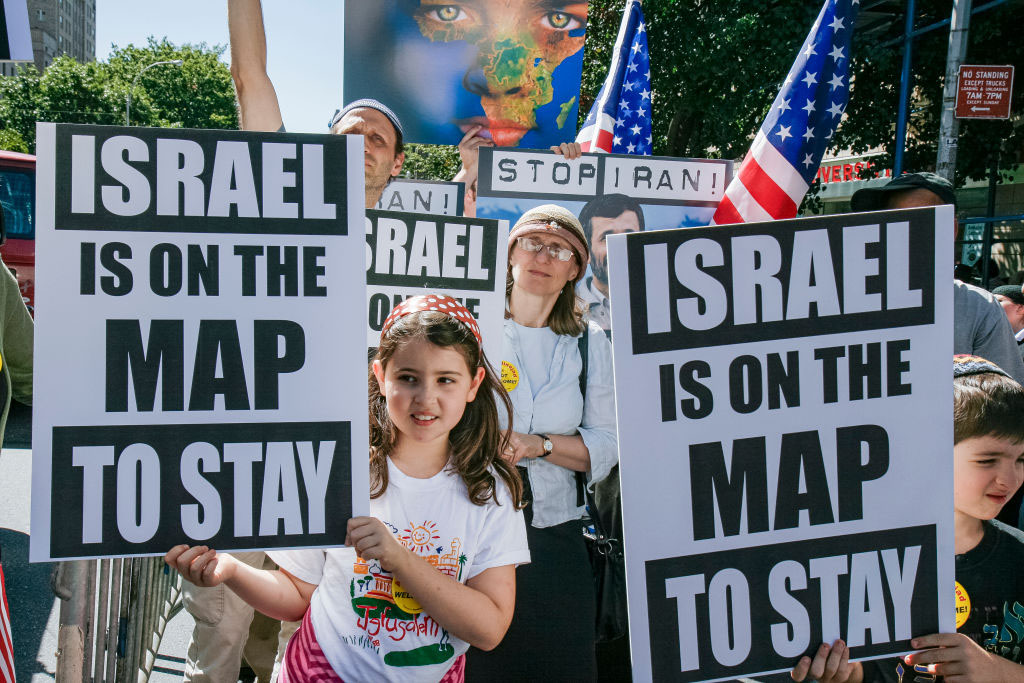
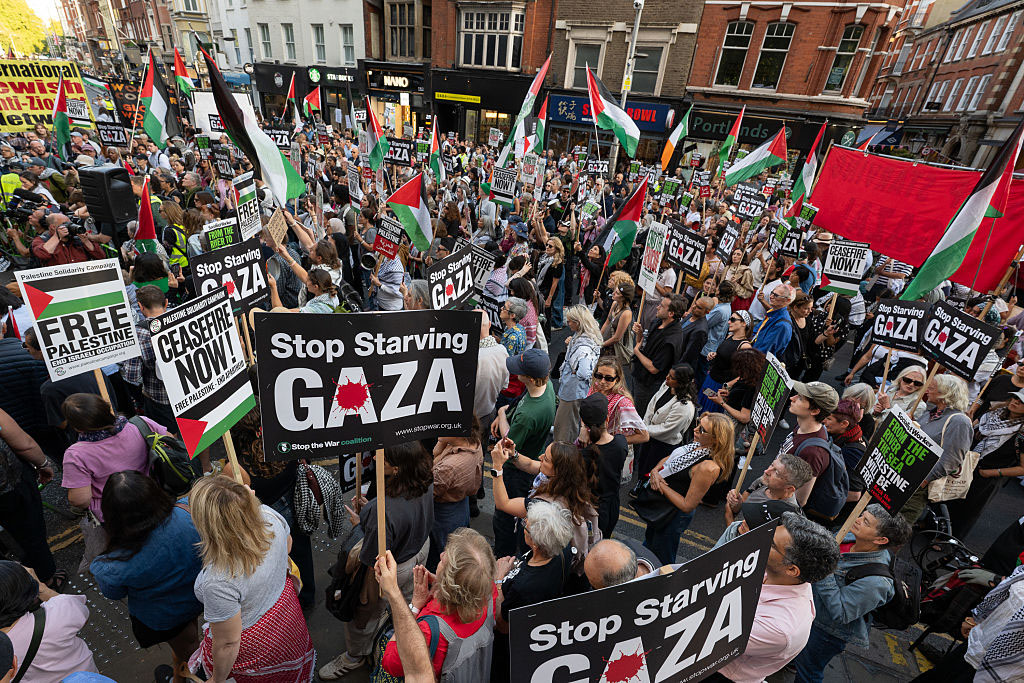
There was another obstacle. In September 2025, a group calling itself Film Workers for Palestine launched “Film Workers Pledge to End Complicity” with an open letter signed by thousands of actors, filmmakers and other entertainment professionals who pledged to boycott Israeli film institutions and productions they considered complicit in Israel’s policies toward the Palestinians. The pledge specifically called on film workers to refuse to work with Israeli production and distribution companies, sales agents, cinemas and other film institutions.
“For three years I chased distribution companies,” Eran said. “And then I reached Breaking Glass Pictures. They are a very experienced, professional company. They went crazy for the film and decided to bring it here.” The company ultimately acquired the U.S. distribution rights, giving “10 Kilos” a path to American audiences.
Eran also edited additional footage into a four-part television series, incorporating material that was cut from the theatrical version. The series is currently in talks with Netflix for potential acquisition.
“10 Kilos” premiered at the TCL Chinese Theatre last month and is now screening at Laemmle theaters in Los Angeles. On Sept. 4, “10” Kilos will screen at Laemmle Town Center 5 in Encino, followed by a Q&A. Additional screenings are planned in Miami, New York and Toronto.