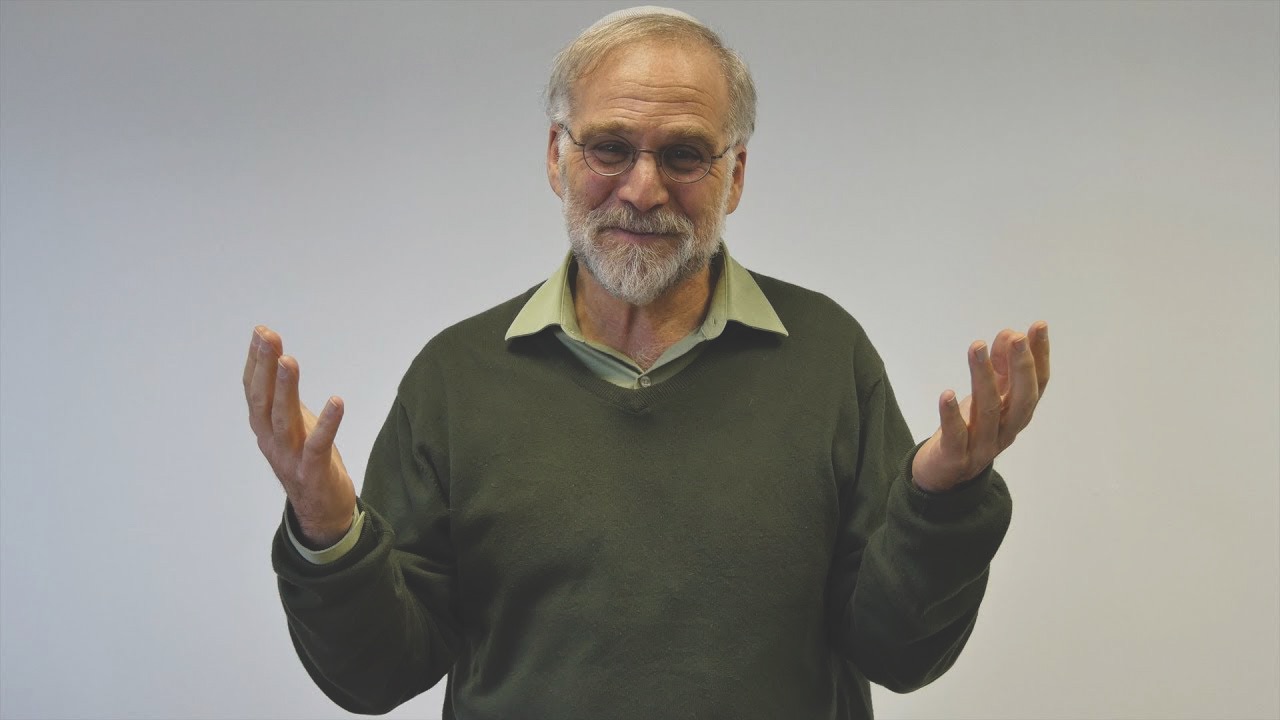
That the story of how Shalom Schwartz became a rabbi is well-oiled, doesn’t make it any less thrilling.
It was the Toronto native’s senior year of high school and he had been selected as quarterback for an all-star East-West football game in Canada. His coach kept him on the bench. Halfway through the third quarter, an indignant friend of Schwartz’s began a chant from the bleachers that quickly grew more raucous. Soon, half the stadium was chanting, “We want Schwartz! We want Schwartz!”
Schwartz was sent into the game and thousands of pairs of eyes, including those of eagle-eyed American scouts, watched in anticipation as he lofted a pass downfield. The ball soared into the air, in entirely the wrong direction.
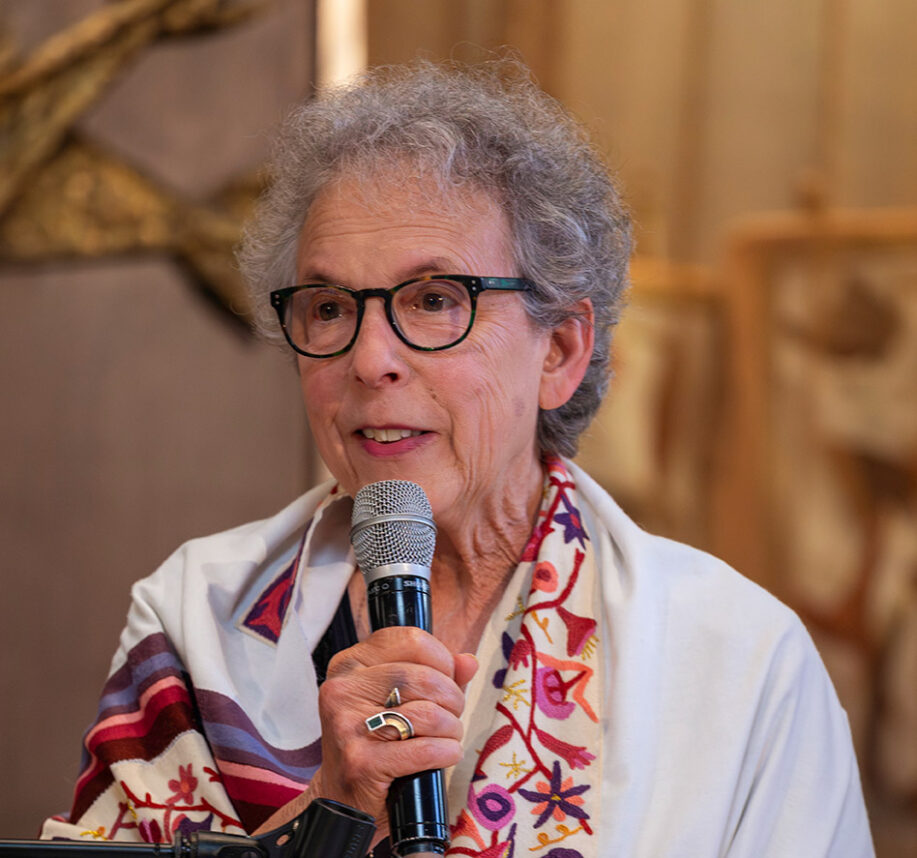
“The ball just hung there,” the 60-something Schwartz said with his trademark joviality. “And I thought, if all of these hundreds of hours that I had spent leading up to this moment could slip away with one throw of the ball, how valuable could it be? So I became a rabbi.”
The question of identity is one that has preoccupied Schwartz for most of his life, and led him to his eventual calling as the founder of Project Aseret, a series of workshops that explore the Ten Commandments as the core tenets of Jewish and Israeli national identity.
He credits his Jewish feeling to his maternal grandmother, whom he described as having been deeply religious but not observant. She had a very strong relationship with God, he said, despite having lost her entire family in the Holocaust.
Yet it wasn’t until he was in his 20s that Schwartz tapped into his heritage.
“Before they were imprinted on the tablets, the Aseret Hadibrot were imprinted on our souls.” — Shalom Schwartz
During Yom Kippur in 1973, Schwartz found himself in a remote fishing village in northern Scotland. When news broke out of the war in Israel, Schwartz’s fellow travelers turned to him as the source of knowledge because he had been to the Holy Land.
“They’re looking at me and they asked, ‘Are you a Jew?’ ” He said he never had to answer this question publicly before. “I said, ‘Yeah, I guess I am. The ‘I guess I am’ disturbed me to no end.”
Schwartz assuaged his guilt by traveling to Israel to volunteer in the war effort. But his swirling feelings of identity were further compounded when, on the night of his arrival at a kibbutz, the man in charge told his group, “Being Jewish means nothing to me. I’m Israeli.”
The lure of a free place to stay in Jerusalem brought Schwartz to Ohr Somayach and Rabbi Noah Weinberg, the founder of that yeshiva and Aish Hatorah. A promise to give Judaism two weeks of his time turned into seven years, rabbinical ordination, and eventually circled back to his hometown of Toronto, where he spent a decade as head of the local branch of Aish. However, the wave of Russian immigration in the early ’90s brought him back to Israel to establish the Former Soviet Union’s Aish.
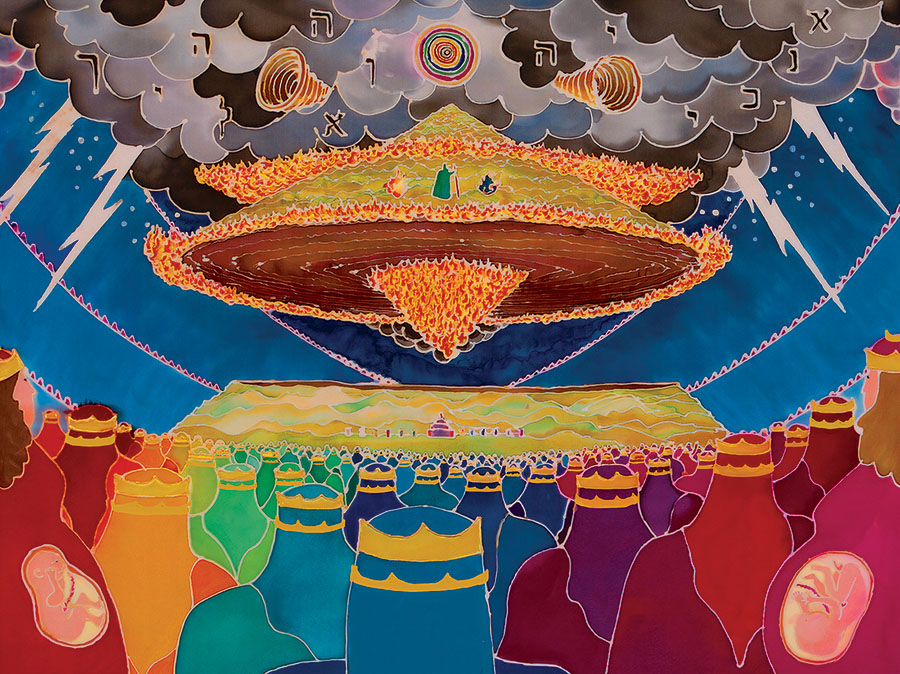
In 2007, a meeting with another secular kibbutznik who suggested that the Aseret Hadibrot — the Ten Commandments — were the blueprint for uniting the Jewish people changed Schwartz’s trajectory once more. He founded Project Aseret to teach secular Israeli schoolchildren about the commandments as a system of universal values for bettering the world.
“[The Ten Commandments are] our founding national mandate. It cuts to the core of our national identity,” he said.
The program — or movement, as Schwartz would prefer — has reached some 50,000 Israelis and its success has spread to the United States, Panama, South Africa, the United Kingdom and Australia.
The commandments, Schwartz said, are not something outside of us. His program aims to awaken an identification of values that already exists. “Before they were imprinted on the tablets,” he said, “the Aseret Hadibrot were imprinted on our souls.”