As we find creative ways to honor our mothers during the COVID-19 crisis, it’s also worth wishing a Happy Mother’s Day to the extra parent in the household: the television. Although Hollywood has manufactured many stereotypes about mothers in general, few are as prevalent as the overbearing Jewish mother. But not every Jewish mother on television was or is a needy, disruptive mess. Quite a few upended the perceptions of Jewish women. Here are some of television’s groundbreaking — and iconic — Jewish mothers.
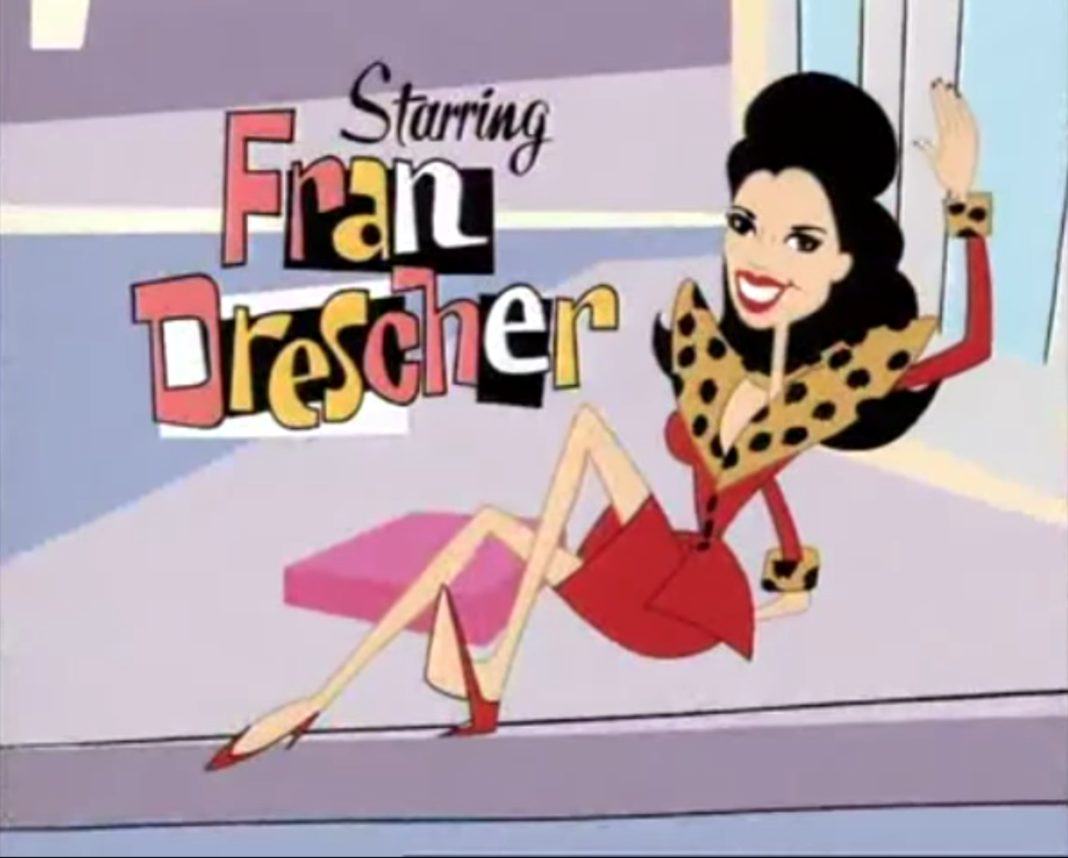
Fran Fine, “The Nanny”
Fran Drescher’s role as the “flashy girl from Flushing” is notoriously Jewish, but “The Nanny” also offers an insightful outlook on motherhood. The 1990s sitcom subverts the pure Catholic governess image Julie Andrews cemented in our minds in “The Sound of Music,” with the crass, stylish and unapologetically Jewish Fran. While both Andrews’ Maria and Dresher’s Fran share a troublemaking spirit and eventually become doting stepmothers, “The Nanny” rebels against Maria’s saint-like image. Nasally voiced Fran didn’t come from a church but her ex-boyfriend’s bridal dress shop. In 2020, Drescher revealed that network executives wanted her character to be Italian rather than Jewish, and the actress-producer fought tooth and nail to showcase her heritage on the show. If the character wasn’t iconic enough, the fight to make her Jewish earns her a spot on this list.
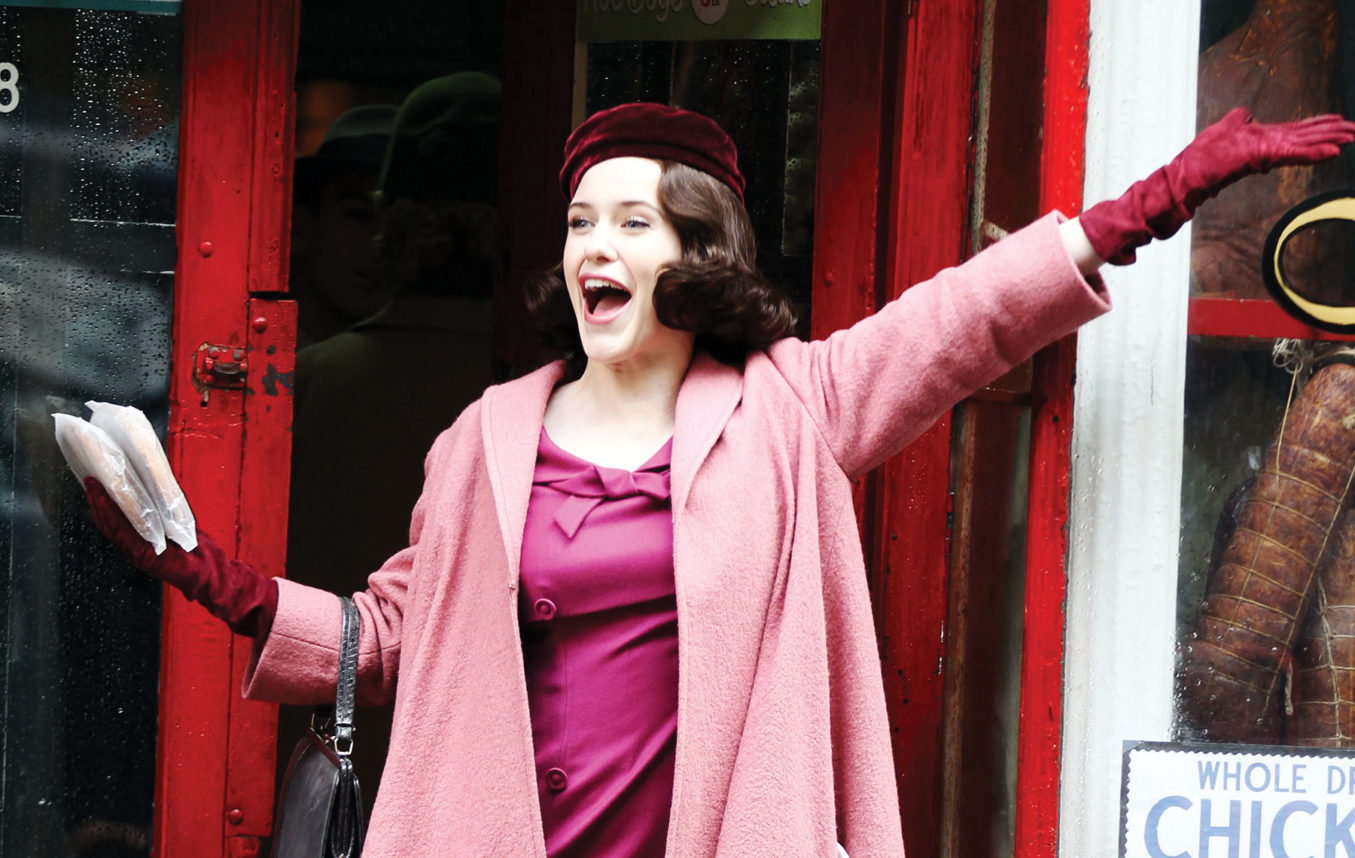
Miriam Maisel, “The Marvelous Mrs. Maisel”
Rachel Brosnahan’s Emmy-winning portrayal of the 1950s comedienne embraces all things Jewish, from getting good seats on Rosh Hashanah to cooking a mouthwatering brisket. Midge is outspoken, outrageous, stylish, silly and intrinsically Jewish. The depiction of a working mother who is unfazed by her era’s expectations is powerful, but even more so is its real-life origins. “The Marvelous Mrs. Maisel” is at its core a tribute to Joan Rivers, a firebrand Jew and survivor of countless setbacks. What these two iconic comics share is at the heart of Jewish motherhood: persistence.
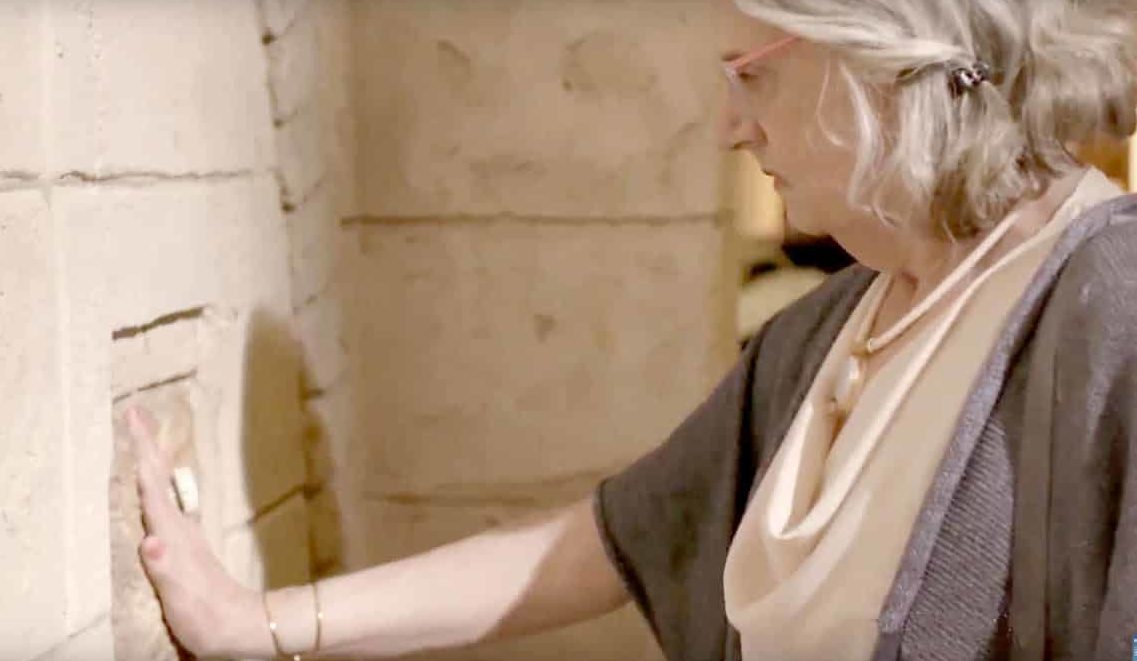
Maura Pfefferman, “Transparent”
The first trans matriarch to hit television, Jeffrey Tambor’s portrayal of Maura humanized transgender people while rooting her realism in the sunny neuroticism of Los Angeles Jewish culture. Maura is a woman of sacrifice. When her daughter is born with a medical condition, she chooses to shelve exploring her gender identity to prioritize parenting.

Charlotte York, “Sex and the City”
As we follow the uptight, non-Jewish preppy girl through the beloved series, Charlotte (played by Kristin Davis) battles with living up to the image of who she should be versus whom she wants to become. In her first marriage, Charlotte nabs the idealized wealthy, handsome, gentile man and is left entirely unsatisfied. It’s not until she falls hard for her bald, chunky and sweaty divorce attorney that she feels valued. But to get her happy ending, Charlotte must convert to Judaism. As she becomes more passionate about Jewish identity than the husband who demanded she join the tribe, her all-in approach is a love letter to Jews by choice. Charlotte’s fertility struggles, given the pressure Jewish women have to conceive, is the icing on the cake.
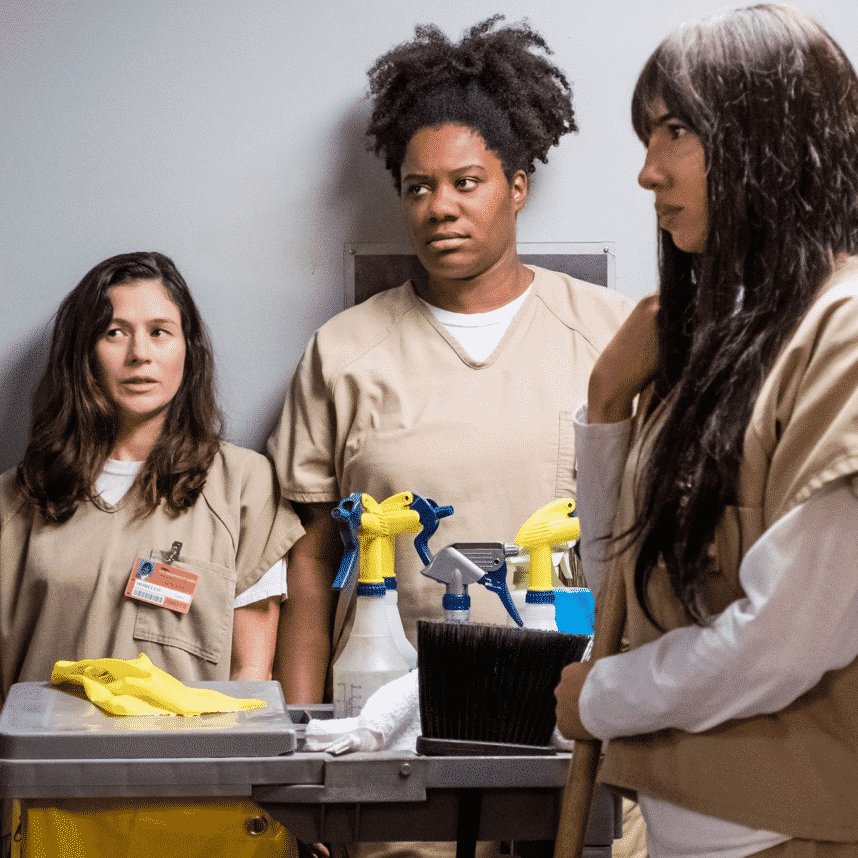
Cynthia Tova (“Black Cindy”) Hayes, “Orange Is the New Black”
Speaking of Jews by choice, few are as memorable as Black Cindy from “Orange Is the New Black.” While incarcerated, Cindy (played by Adrienne C. Moore) fights hard to convert to Judaism. “Why she would want to go from a hated minority to a double-hated minority is beyond me,” says a Jewish cellmate when Cindy approaches a rabbi to help her convert. “I was raised in a church where I was told to believe and pray, and if I was bad, I would go to hell and if I was good, I’d go to heaven. If I’d ask Jesus, he’d forgive me and that is that. And here y’all are saying there ain’t no hell, ain’t sure about heaven and if you do something wrong, you got to figure it out yourself,” Cindy tells the rabbi, tears streaming down her face. As a teenage mom who abandoned her daughter, Cindy uses Judaism to hold herself accountable for her actions, get out of prison and eventually own up to the ways she’s wronged her child – and herself.
Frankie, “Grace & Frankie”
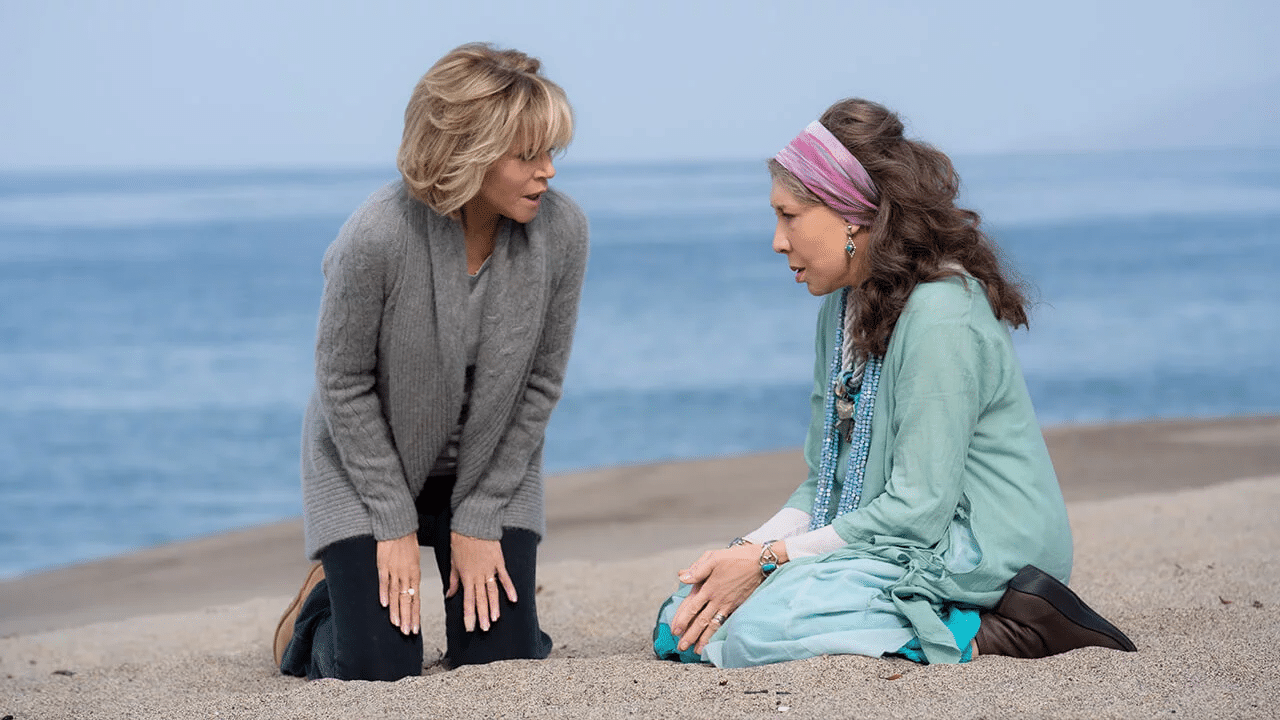
Lily Tomlin’s portrayal of the all-accepting elderly hippy pays homage to secular Jews who see inclusivity as a religious value. Frankie supports her ex-husband as he comes out as gay and her son as he finds his way out of addiction. She gives space for her adopted children to develop relationships with their biological mothers and is firm in her role in their lives. Yes, Frankie is more at home smoking cannabis and praying to an Indian goddess than at Yom Kippur services. However, she leads her family in lighting Shabbat candles to remind them that even as their lives become profoundly disrupted, they will always be part of a Jewish home.
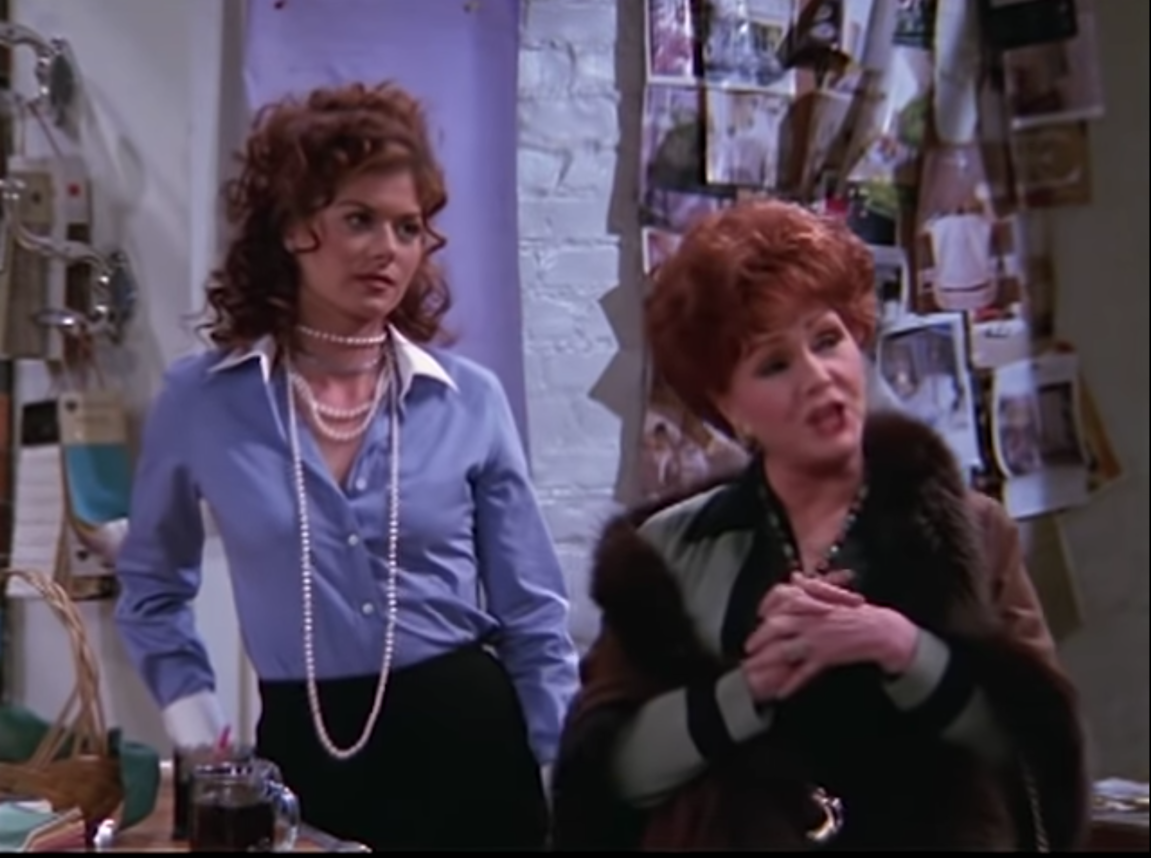
Bobbie Adler, “Will & Grace”
- The late Debbie Reynold’s portrayal of Grace’s bubbly Jewish mother shines in its relatability. Bobbie drops in on her daughter to ensure she is celebrating Jewish holidays and sends out a monthly mailer to her family “with three colors and a Yiddish word jumble.” Her playful motherly criticism and meddling nature are authentic, while her love of feminist local theater productions such as “Queen Lear” and “The Music Person” prevent her from becoming a shrill cliche. She smells like “brisket and Aqua Net,” and her dying wishes include for her daughter to finally get breast implants. What could be more characteristic of a Jewish mother than making demands from the grave?

Hannah Horvath, “Girls”
Lena Dunham’s chaotic character is a mess, and that’s why she is so important. Her Jewish 20-something nightmare is insecure, insatiable and incorrigible. She struggles with her weight, her mental health disorders and most of all, her worth. Rather than the picture-perfect Mrs. Maisel, Hannah is a poignant portrayal of the Jewish woman who is better at childhood than motherhood. As we watch her be humiliated over and over, it makes us feel less alone.
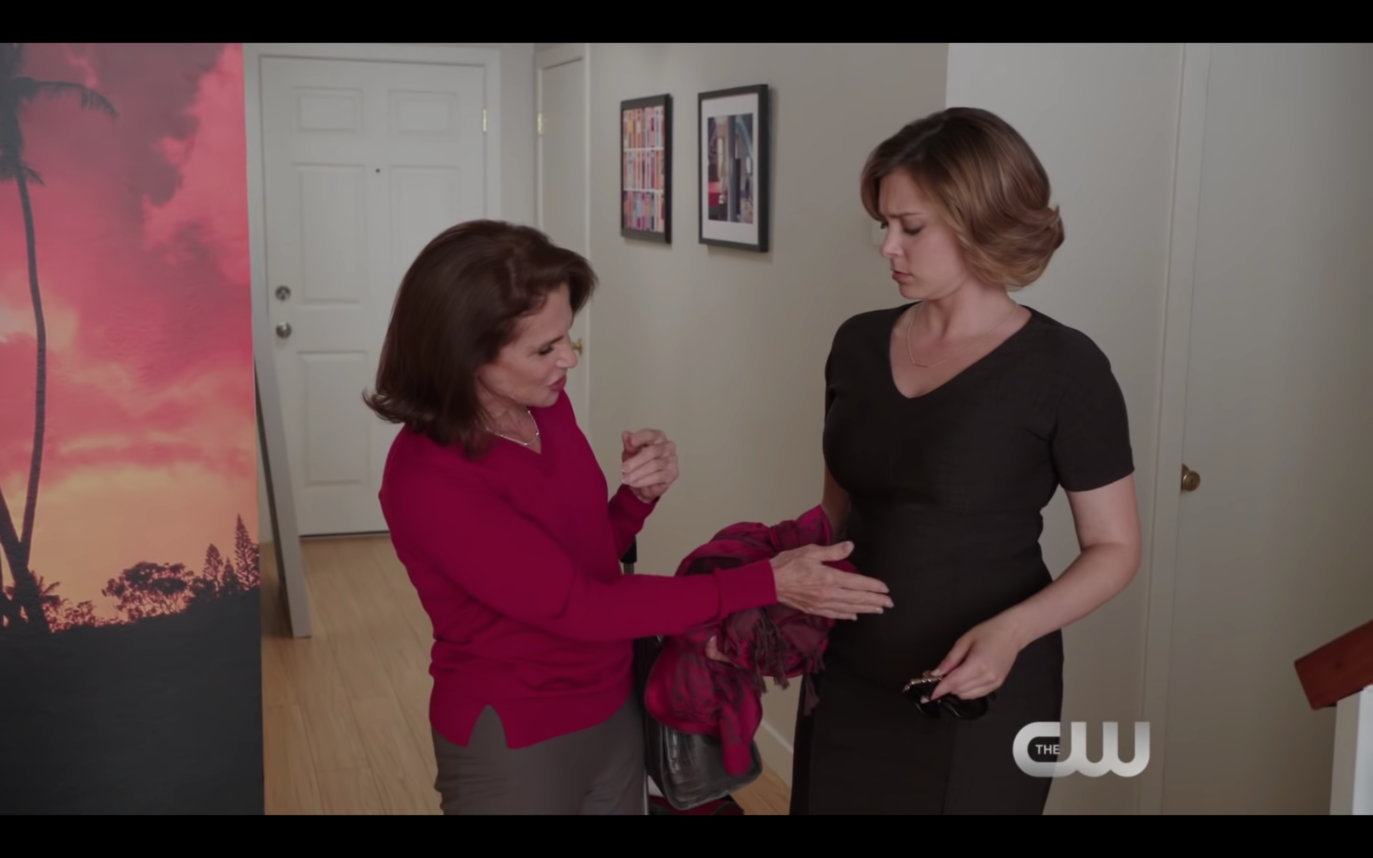 Naomi Bunch, “Crazy Ex-Girlfriend”
It’s the classic Jewish mom, in song. Tovah Feldshuh is Scarsdale-based Naomi — the hilarious, overbearing matriarch in Rachel Bloom’s musical world. Naomi’s numbers establish her as a Jewish mom icon from “Where’s the Bathroom?” to “Remember That We Suffered.” Her line “A bishop in Wisconsin has said something anti-Semitic so the temple has decided to boycott cheddar cheese” provides flashbacks to Jews everywhere.
Ariel Sobel is the Journal’s social media editor.