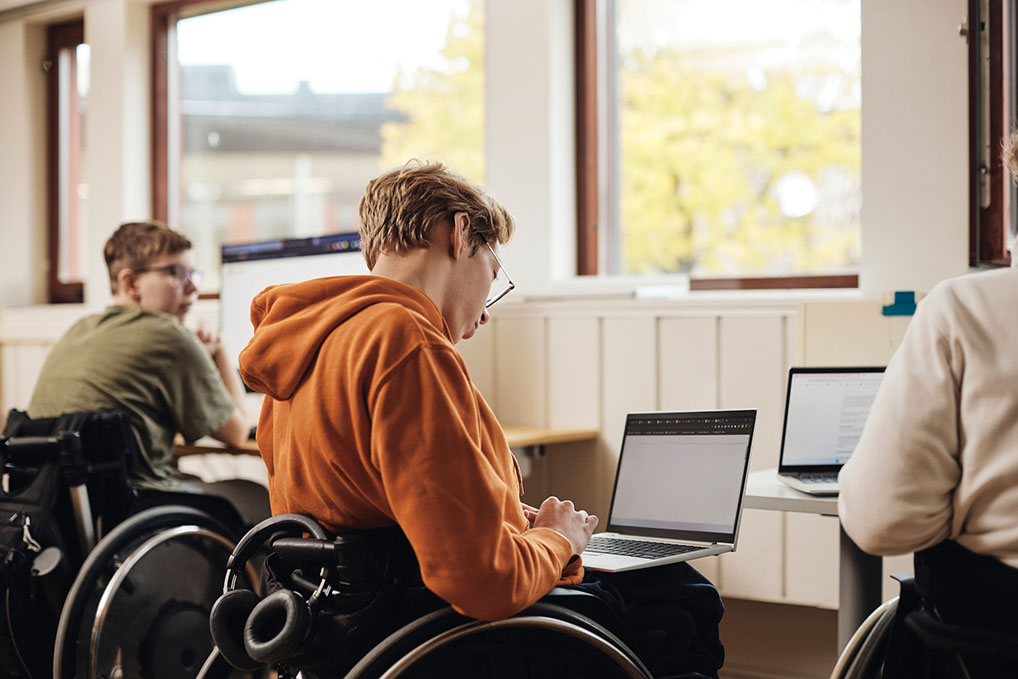
Under the Trump Administration, the U.S. Department of Education has laid off most of the staff responsible for special education oversight, and many disability-related programs across agencies face uncertainty about future funding and management. As we honor Jewish Disability Awareness, Acceptance and Inclusion Month, the Jewish community must step up to support its members by making proactive, genuine commitments to inclusion – not because external pressure demands it, but because our values do.
When a synagogue elevator breaks down, some congregants simply take the stairs. Others stop coming. When a Jewish day school tells a family, “We’re not equipped to meet your child’s needs,” that family loses a community. When Jewish organizations design programs without considering accessibility, we send an unspoken message about who is, and isn’t, meant to belong.
Over the past 35 years, our country has made real strides toward inclusion, from the landmark Americans with Disabilities Act to the Individuals with Disabilities Education Act. These laws have helped to reshape schools, workplaces and public life. Yet, Jewish communal life has too often remained stagnant. Surveys have found that less than one-in-five American Jews with disabilities felt Jewish institutions were doing “very well” or “extremely well” in including disabled people; more than 20% report being turned away due to lack of accommodations; and nearly 20% identify synagogues as having the most challenges regarding accessibility. In addition, Jews with disabilities are twice as likely to live in poverty and only 15% can name a disabled leader in their faith institutions.
This failure isn’t just a missed opportunity, it’s a contradiction of our Jewish values of justice, dignity and belonging that we teach and treasure. And as changes in federal priorities now threaten to roll back hard-won gains on disability inclusion, the urgency for Jewish communities to lead, not follow, has never been greater.
“Disability” includes a wide range of experiences including neurodiversity, developmental and cognitive disabilities, mental and chronic health conditions, sensory challenges and more. Whether visible or invisible, each one shapes how people engage – or don’t engage – with Jewish life.
The COVID-19 pandemic forced Jewish life to adapt quickly, and for many people with disabilities, that shift was a revelation. Virtual services, online learning, and “Zoom meetings” opened doors that previously had been closed, especially for people with disabilities who finally had access to Torah study, community events, and leadership opportunities from home.
These innovations showed us what true inclusion could look like. But many have abandoned the adaptations that made Jewish life more accessible, jeopardizing relationships built with a generation of Jews who finally felt welcomed.
Today, approximately one-in-four people in the United States lives with a disability. Inclusion isn’t charity – it’s smart communal planning.
Studies show that only a small minority of Jews with disabilities feel included, with many reporting that their access needs go unmet. These are not merely data points. They are our friends, parents, children and neighbors who want to belong and to participate in Jewish life, but who are stopped by avoidable barriers. As we celebrate Jewish Disability Awareness, Acceptance and Inclusion Month right now, we should remember that these barriers are not inevitable — they are choices.
Inclusion is not a special-interest cause or an act of kindness. It’s a fulfillment of our deepest Jewish commitments: that every person is created b’tzelem Elohim, in the image of God, and that the strength of our community depends on everyone’s participation. Disability inclusion enhances our synagogues, schools, JCCs, and agencies. When spaces are designed for a broader range of human experience – including sensory, cognitive, emotional and physical needs – everyone benefits. From parents pushing strollers, to older individuals with hearing loss, to anyone who has ever needed flexibility or understanding – inclusion isn’t about “them,” it’s about “us.”
Disability inclusion must be treated with the same urgency as any other communal priority. Disability is universal: it touches every corner of our community, in moments of joy and in times of crisis. It includes people who are young and old, Ashkenazi and Sephardi, queer and straight, interfaith and observant, liberal and conservative. When we exclude people with disabilities, we diminish the whole. That means, as a Jewish community, we must:
• Make inclusion a core value by embedding it into your mission statement, budget and strategic plan. Include specific, measurable goals for access and belonging in annual priorities, solicit feedback, and report progress publicly.
• Build capacity at every level by training all staff, clergy, and lay leaders in accessibility, communication, and universal design principles; incorporate inclusion training in onboarding for new employees and volunteers; create cross-department “access teams” that regularly review policies and practices through an inclusion lens.
• Prioritize representation by recruiting, hiring and promoting people with disabilities in all areas of professional and lay leadership, and ensure that advisory boards and committees include individuals with lived disability experience. Compensate consultants with disabilities for their expertise, just as you would any other professional voice.
• Design for access from the start, planning programs, spaces and events that anticipate and assume a wide range of access needs. Use inclusive design checklists for physical, sensory and communication access (captioning, lighting, printed materials, etc.); build flexibility into programming by offering hybrid options, quiet spaces, visual supports and multiple ways to participate.
The time for slow progress is over. With essential disability-related programs now under threat across the nation, the Jewish community has an opportunity to lead – to demonstrate that inclusion, especially disability inclusion, is a timeless Jewish value. The Jewish community must commit to action, not only because people with disabilities deserve to belong, but because the future of the Jewish community depends on it.
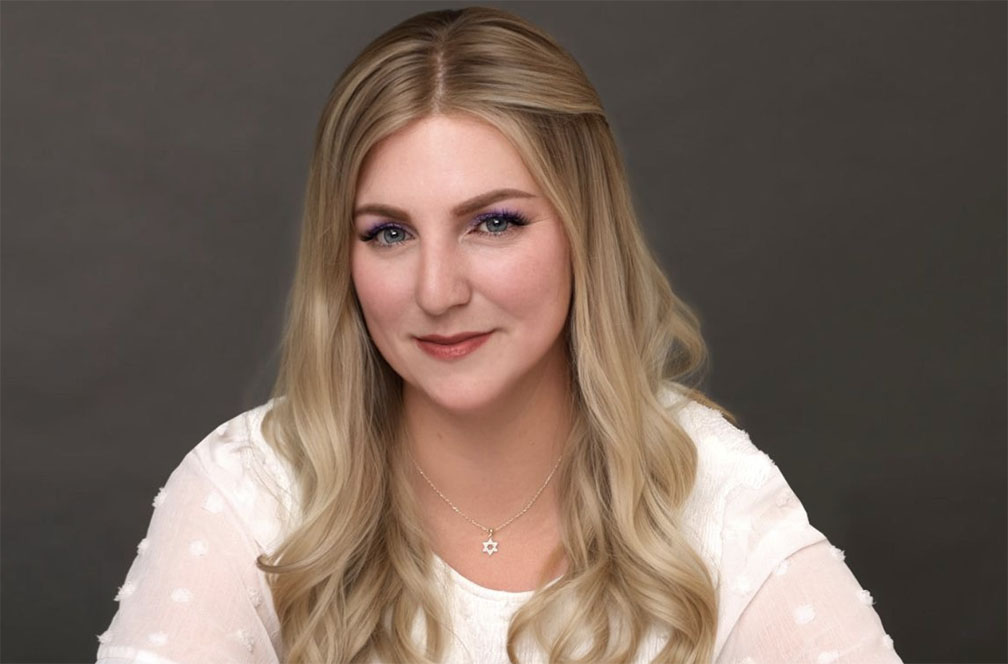
Meredith Polsky is the executive director of Matan, a non-profit that helps Jewish organizations take the necessary steps to be inclusive of individuals with disabilities.