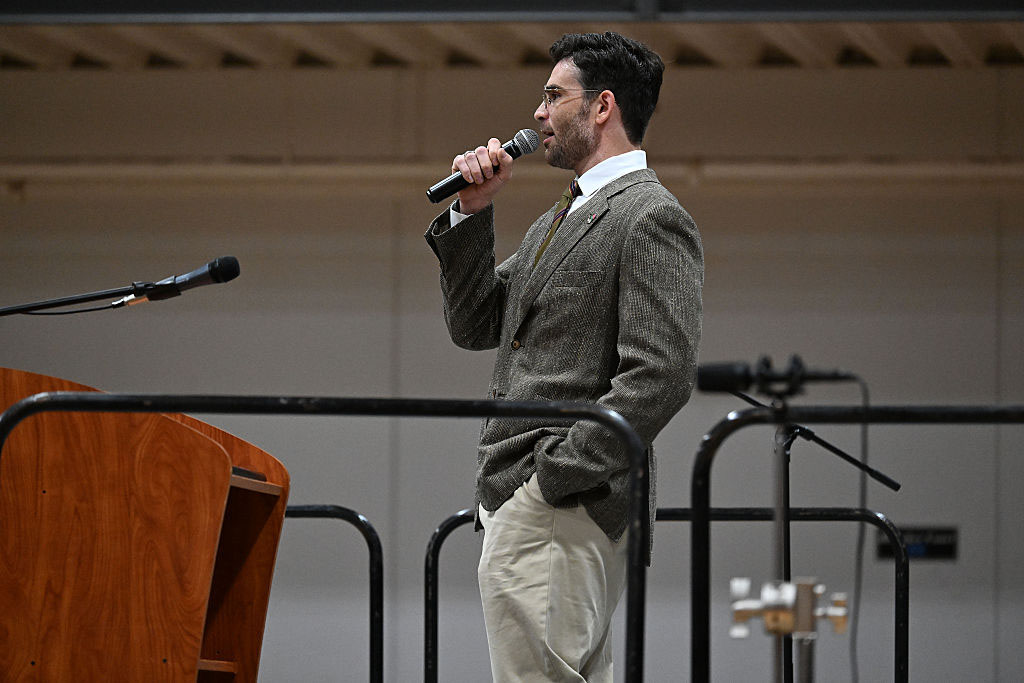
At Pressman Academy, today’s lunch becomes tomorrow’s garden treasure. Nothing goes to waste. Just steps from the cafeteria, banana peels, pizza crusts, and half-eaten apples aren’t destined for the trash — they’re transformed into nutrient-rich compost, thanks to California farmer and composting pioneer Steven Wynbrandt.
His innovative on-site system, known as The Wynbrandt Method, turns food waste into a hands-on lesson in sustainability.
There are few things Wynbrandt enjoys talking about more than composting. Passionate about his work, he can go on endlessly about the method he developed — one that eliminates everything people typically associate with composting: unpleasant smells, pests and labor.
The first school he convinced to participate in the program was the Wesley School in North Hollywood.
“They took a huge leap of faith,” Wynbrandt said. “They saw what I’d done and said, ‘We’re going to take this risk and step into the unknown with you.’ They’ll always have a special place in my heart — they signed on when no one else was doing it.”
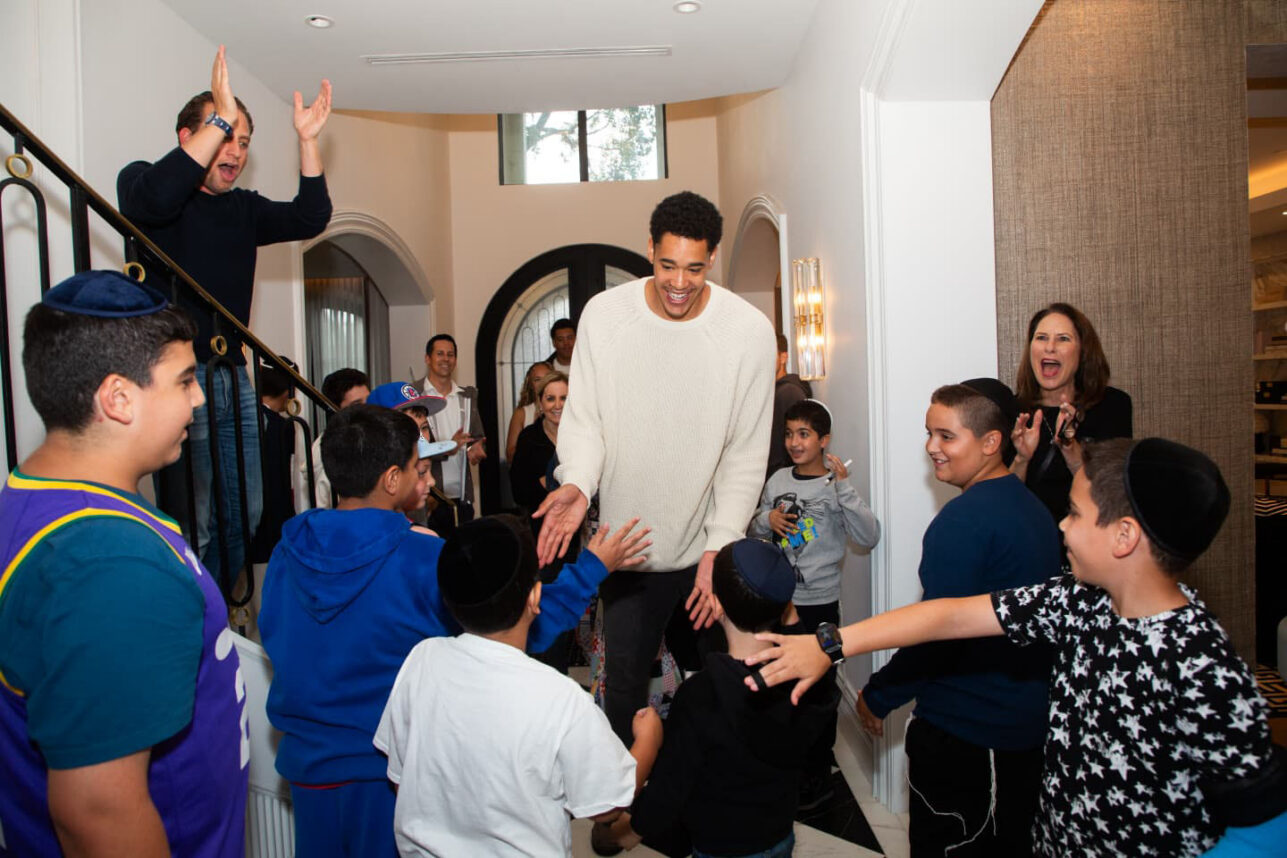
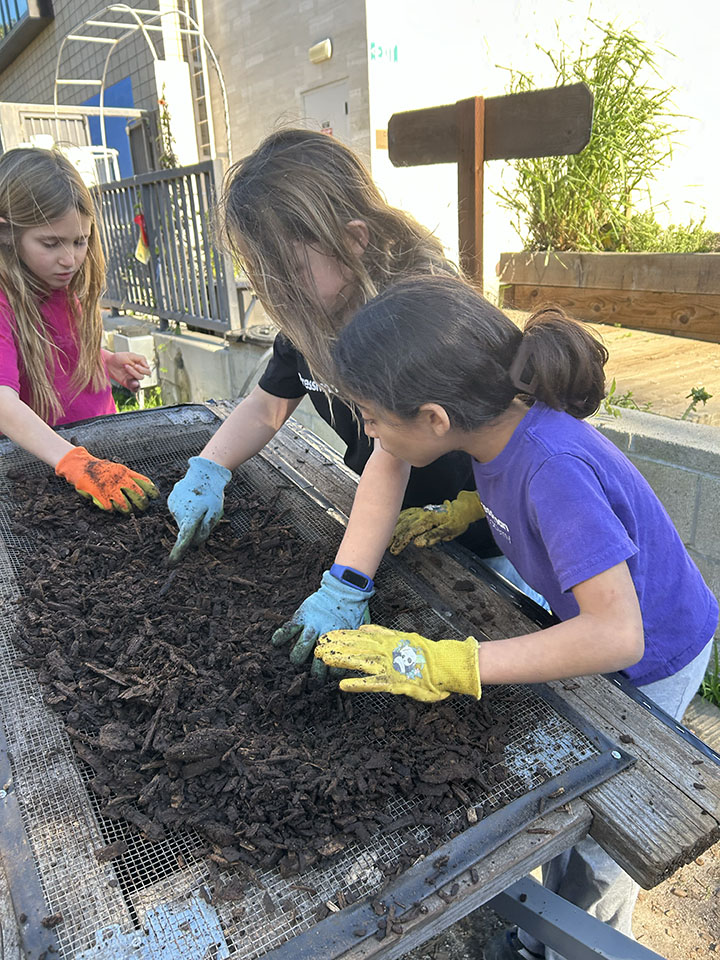
Pressman Academy became the first Jewish school to adopt the program during the 2024-25 school year. Last month, students, families, and community members gathered to celebrate the first harvest, adding compost created on campus directly into the school’s garden beds.
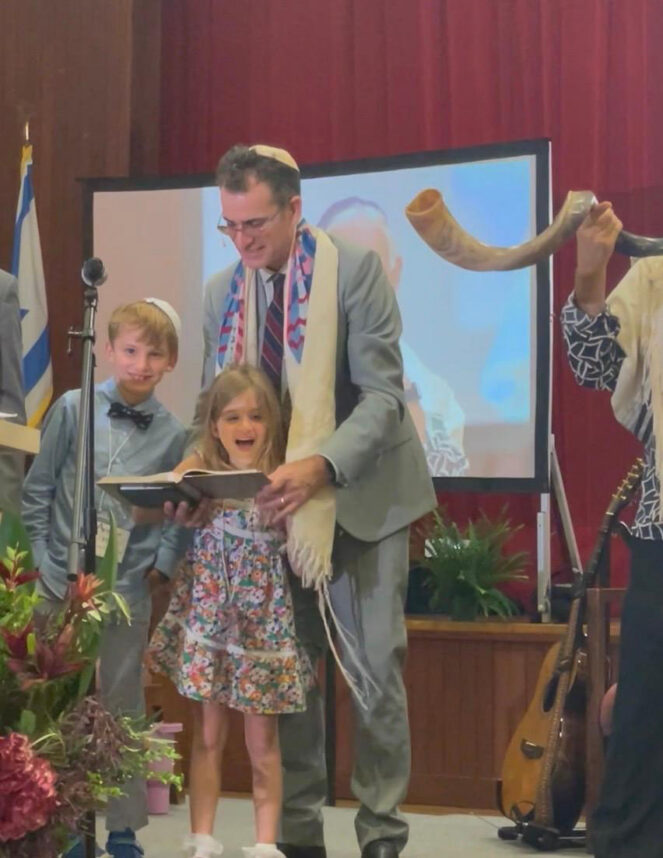
“The idea for our garden started a few years before we met Steven Wynbrandt,” Yonatan Rosner, Judaic Studies Principal told The Journal. “There are social and emotional benefits to working with the land. The routines involved in caring for the land and animals help students learn about themselves and build resilience.”
After the school committee adopted the Wynbrandt Method, the entire community became involved — students, families, teachers, and members of Temple Beit Am, the synagogue with which the school is affiliated.
“We started with three compost containers, and now we have four,” Rosner said. “We’re able to compost between 2,000 and 3,000 pounds of food waste.” Rosner explained that the containers are tightly sealed, which keeps pests and insects out. Following Wynbrandt’s instructions, wood chips are added to the mix — they help maintain airflow, absorb excess moisture and provide a slow-release carbon source that feeds the compost over time and improves its texture.
Wynbrandt’s compost program is designed as a turnkey, on-site solution for schools and organizations seeking to eliminate food waste. The system promises a no-turn, low-tech approach — requiring no moving parts or electricity — while still being capable of composting 100% of the school’s food waste.
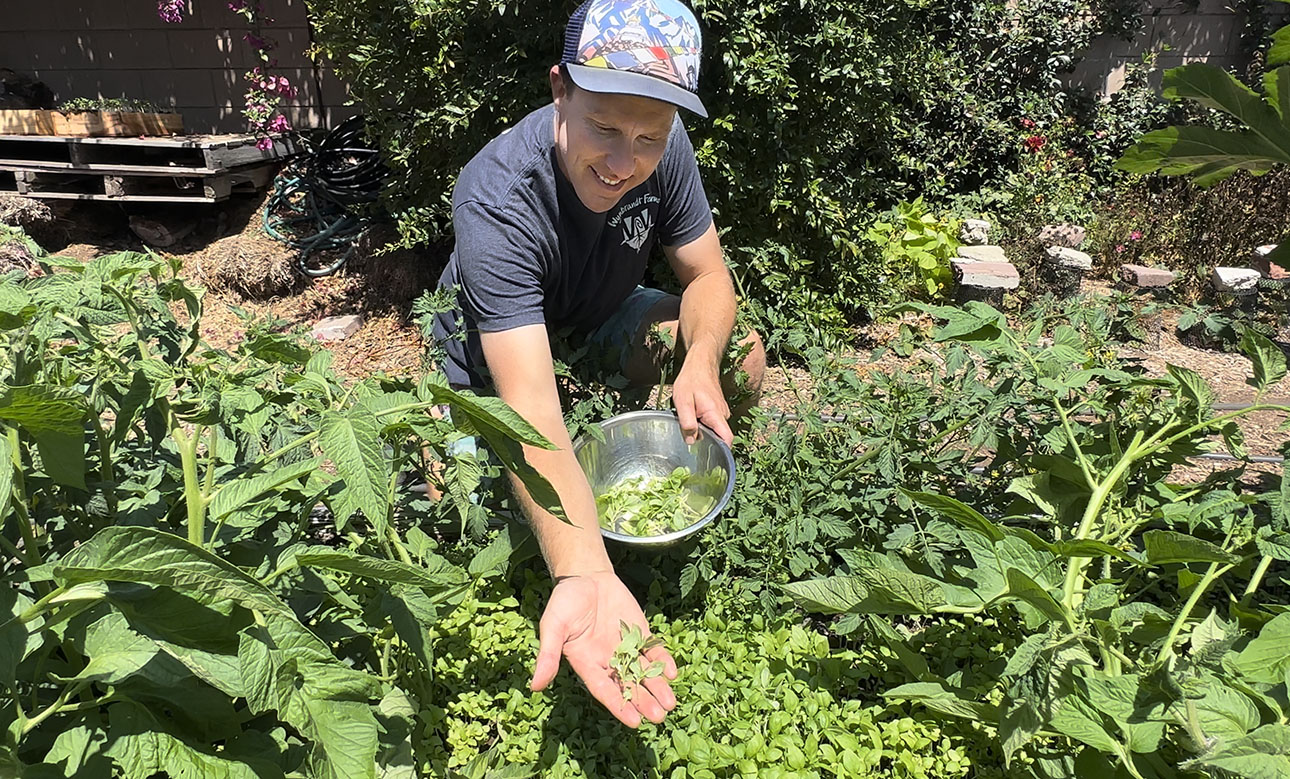
Students learn early on the importance of composting and how it contributes to creating healthy soil for the garden, which in turn helps grow fruits and vegetables. A group of students manages the composting twice a week, while a synagogue group takes over on Sunday mornings.
Composting has been steadily gaining popularity in the U.S. as more people realize that food waste doesn’t have to end up in landfills — it can become a valuable resource. Unlike typical store-bought soil or synthetic fertilizers, compost made from food scraps is packed with nutrients and microbes that naturally enrich the earth. It improves soil structure, helps retain water, and creates an environment where plants can thrive. Essentially, it turns what would have been trash into a powerhouse for healthier gardens, stronger plants, and more sustainable growth.
Despite its benefits, many people are hesitant to compost. The biggest concerns are the smell, the mess, and the pests — nobody wants a pile of rotting food attracting flies or rodents in their backyard. It can also feel complicated: what can go in, what can’t, and how often do you have to turn it? For these reasons, composting has often been seen as a time-consuming chore rather than a fun or useful project.
Wynbrandt is trying to change this concept and make it as effortless as possible.
He started his professional composting career around 2012, producing over a million pounds of compost by hand in his Los Angeles backyard. The LA Times featured him in a 2012 story calling him “The King of Compost,” and a decade ago, the subject of The Jewish Journal. As he expanded to farmlands in the Santa Monica Mountains and Sonoma County, Wynbrandt honed his artisanal techniques with heavy machinery, always keeping quality and sustainability front and center.
Today, Wynbrandt Farms is recognized across California for some of the state’s highest-quality compost, and in 2022, it launched the first and only hand-composted, Demeter-certified biodynamic compost available commercially in the U.S.
According to Wynbrandt, the compost he creates is nutrient-rich and strong, helping plants grow bigger and more nutritious. It also improves the soil’s ability to hold carbon, making it better for the environment and a natural tool against climate change. Wynbrandt treats the compost like a fine wine or aged cheese, letting it mature for a full year to ensure it’s rich and ready to use, and capable of growing food directly in it. “The healthier the soil, the more nutrient-dense the plants we grow in it.”
“At the end of the process,” he said, “when we hold the compost in our hands, we say, ‘Oh my God, we can’t believe this was the last bite of a hamburger or a bit of burrito mush,” said Wynbrandt. “Now it’s just like medicine that restores and heals the living skin of the earth.” He also emphasizes the environmental impact: “This high-quality compost makes the soil healthier, which in turn allows it to store more carbon — an incredibly effective strategy against climate change.
Pressman Academy sees composting not only as something good for the environment, but also as a way to teach students how to grow a garden and perform mitzvahs by sharing the produce with those in need.
“Our Judaic values remind us of both our blessings and our responsibilities — of caring for others and giving back,” said Rosner. “We wanted our garden to be more than a resilience project; we wanted it to be a sustainability effort that serves the community around us. After the pandemic, as we continued to see the challenges of homelessness, poverty, and hunger, we committed to growing food not only for ourselves, but to share with those in need.”