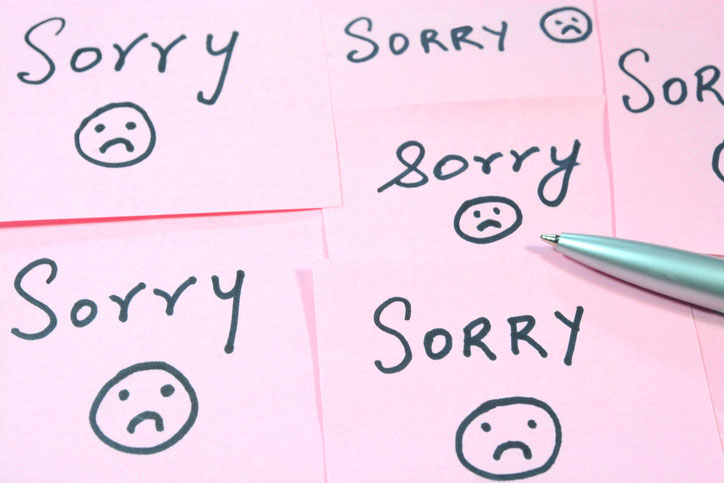
We have grown accustomed to the guidance, “Live with no regrets.” But I’m not sure that is possible or even advisable. Throughout our personal and communal journeys, we disappoint, we hurt, we make mistakes. Sometimes, apologies are easy to extend, some much harder. We look back and wonder how we might have done things differently, and often, that is when regret finds room within our hearts to settle in.
However, this isn’t necessarily a negative thing.
Daniel Pink, author of “The Power of Regret,” believes having regrets leads us on a more positive pathway forward. He writes, “Leaning into regret improves our decision-making process—because the stab of negativity slows us down.” Meaning, if we regret the way we spoke with someone, we will take more time in the future to weigh out our words. If we regret a financial decision, we will be more careful with the ways we spend our money. If we regret spending time in one area of life versus another, we will meticulously plan out our days with a sense of meaning and precision. Having regrets, if utilized wisely, may lead us to make better, kinder, more productive connections, commitments, and choices.
Rabbi Mordecai Finley writes, “Defending ourselves by saying ‘I know I’m no angel’ and ‘I’m not saying I’m perfect’ are ways to avoid saying, simply, ‘I did something wrong.’” He continues, “I think if we do teshuvah correctly, we can feel distinctly uncomfortable in our own skins for a period of time.” In other words, it can be the discomfort of regret which leads us to spend more time with those we love, examine our purpose and how we are making a positive impact, or determine a different path to walk upon.
Yom Kippur isn’t about having no regrets. Yom Kippur is admitting our plentiful regrets and summoning and building our inner determination and drive to be better people, regrets, and all.
G’mar chatimah tovah
Rabbi Nicole Guzik is senior rabbi at Sinai Temple. She can be reached at her Facebook page at Rabbi Nicole Guzik or on Instagram @rabbiguzik. For more writings, visit Rabbi Guzik’s blog section from Sinai Temple’s website.