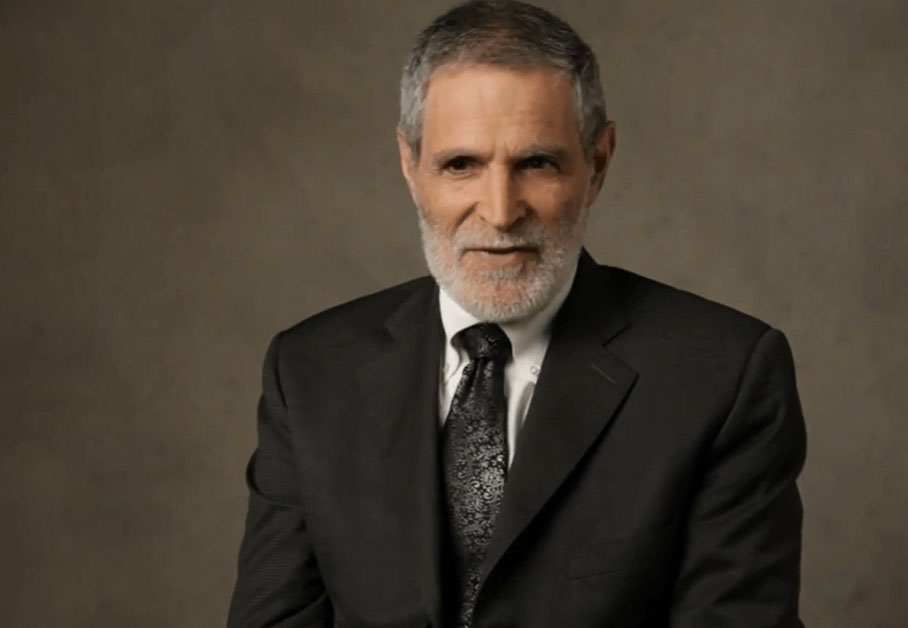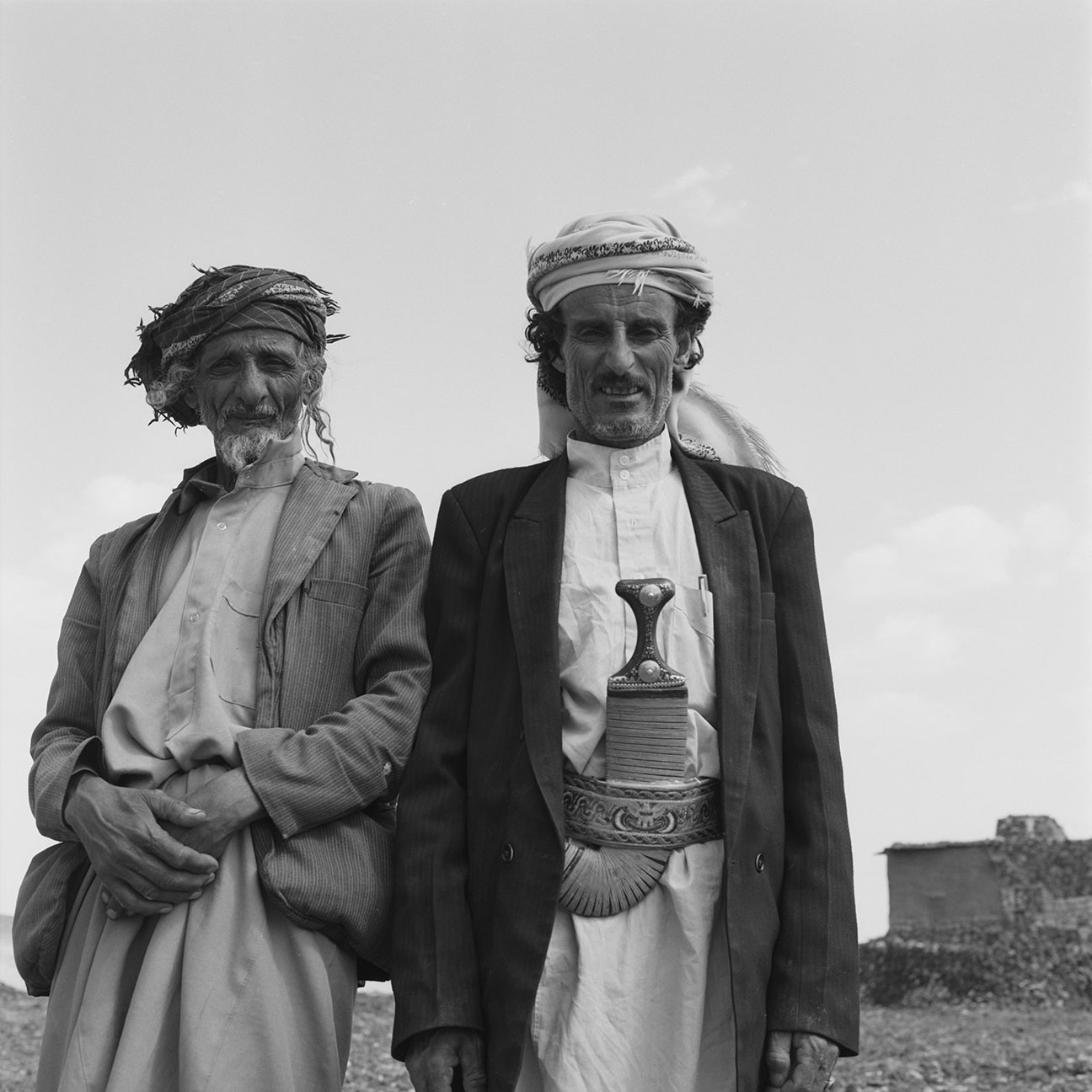
They say a picture is worth a thousand words, but in photographer Zion Ozeri’s case, his photographs tell entire stories. From Yemen and Tunisia to Russia, India and Uzbekistan, his images capture the many faces of Jewish identity, documenting communities around the world and challenging assumptions about what Jews look like.
Ozeri’s recent exhibition, “Jewish Identity/Jewish Diversity,” was displayed at the library of Loyola Marymount University, where he also delivered a lecture on Oct. 20. The exhibition invited students to look beyond familiar stereotypes and discover the richness of Jewish life around the world. His photographs portray Jews shaped by different cultures, histories and traditions while revealing the connections that unite them.
The idea of using photography to challenge misconceptions about Jews took shape during a Zoom lecture Ozeri gave to Columbia University students toward the end of the COVID-19 pandemic. Their professor had asked him to explain how photographers approach people they have never met and compose their shots. The students had also been assigned to document a social issue of their choice.
During his presentation, Ozeri realized that many students held stereotypical views of Jews.
“Many Americans of European descent think we’re all white, privileged and that we control the banks,” he said. “They think of Jews as businesspeople, bankers and professionals, but they don’t associate us with farmers and manual laborers.”
Ozeri showed the students photographs whose subjects challenged those assumptions.
His work spans communities from Uzbekistan to Tunisia and India to Argentina, exploring how Jews have absorbed elements of the cultures in which they live while maintaining their ancient traditions. The black-and-white photographs also convey more universal themes: the search for belonging, the experience of displacement and loss, and the human connections that cross cultural boundaries.
The Columbia presentation led to an exhibition at the university in 2023. Ozeri was invited by a professor who wanted him to speak about his work and have students write an assignment on a social issue of their choosing.
“She wanted me to speak about how I approach people I’ve never met before, from different backgrounds and cultures,” Ozeri said. “I showed them photographs of Jews who are farmers, American soldiers, and many other kinds of professionals they don’t usually associate with Jews.”
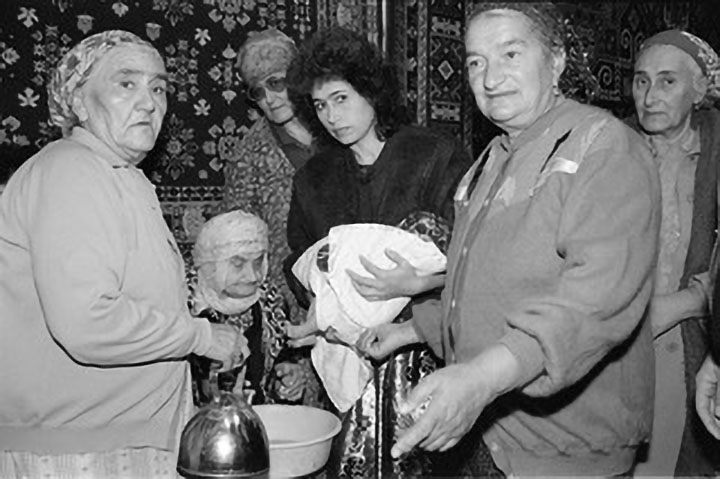
The photographs depicted Jews of different appearances and ethnic backgrounds, including an Indian woman lighting Shabbat candles, Bukharian Jews wearing traditional clothing, and an Ethiopian boy sharing a secret with a friend.
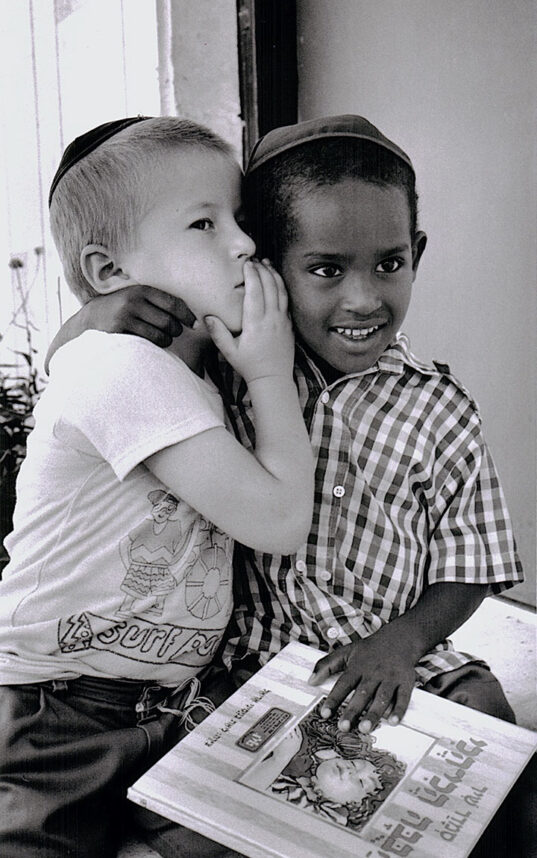
Photo by Zion Ozeri
The exhibition proved so successful that the professor asked the dean to extend its display so more students could see the photographs and learn about Jewish communities around the world. It remained at the university for nearly 15 months.
“It was only 10 days before Oct. 7 [2023]. If we had done it after the war started, they wouldn’t have allowed it because of all the ‘balagan’ and anti-Israel demonstrations that started afterward,” Ozeri said.
He recalled that when Jewish students began experiencing antisemitism on campus, some people at the university pointed to the exhibition as evidence that it could not be antisemitic. “We have this exhibition, how could we be antisemitic?” he said.
Ozeri was born in Israel to parents who immigrated from Yemen. The family initially lived in a ma’abara, a transit camp made up of rows of huts and tents, before moving to an apartment.
Growing up between mainstream Israeli society and the Sephardi margins he came from shaped Ozeri’s identity and became the foundation of his work.
After attending Bar-Ilan University and studying photography and art in New York, he began traveling the world to document Jewish communities in the Diaspora, often in small, remote villages. He also traveled to Yemen twice.
“I realized that it was not only my own close, ancient Yemenite family that needed to be cherished and documented, but also many other Jewish communities,” he said.
Ozeri eventually founded The Jewish Lens, an educational program that uses photography to help students explore Jewish identity, values and the diversity of Jewish communities around the world. Students examine his photographs, discuss the stories they tell and connect them to Jewish texts and traditions. They also use their own phones to take pictures expressing their personal connections to Jewish life.
Ozeri recognized that in an age when students are immersed in smartphones and social media, photography could offer a way to reach them. Rather than relying solely on traditional teaching methods, he sought to engage students through a medium they already understood and enjoyed.
Another exhibition, “The Jews of Yemen: The Last Generation,” was shown last year at ANU – Museum of the Jewish People in Tel Aviv. This fall, a new curriculum, “Picturing Israel: History, Heritage and Homeland,” is being introduced in schools across the United States.
For more information, email Zion Ozeri at zion@zionozeri.com