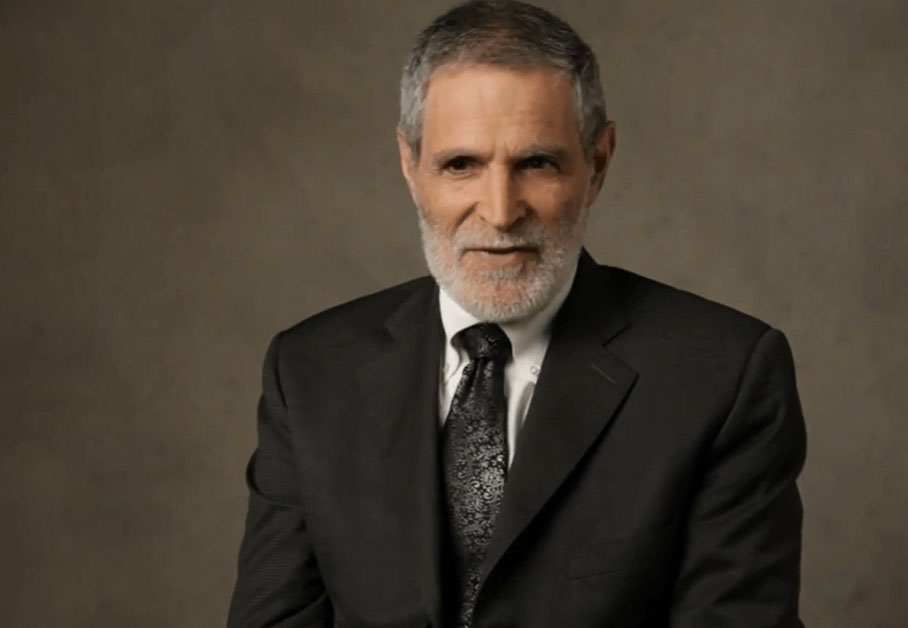

If you are upset with JD Vance for scapegoating Israel for his party’s midterm election losses and trying to connect convicted sex offender Jeffrey Epstein to Israeli military intelligence, you can always vote for his opponent.
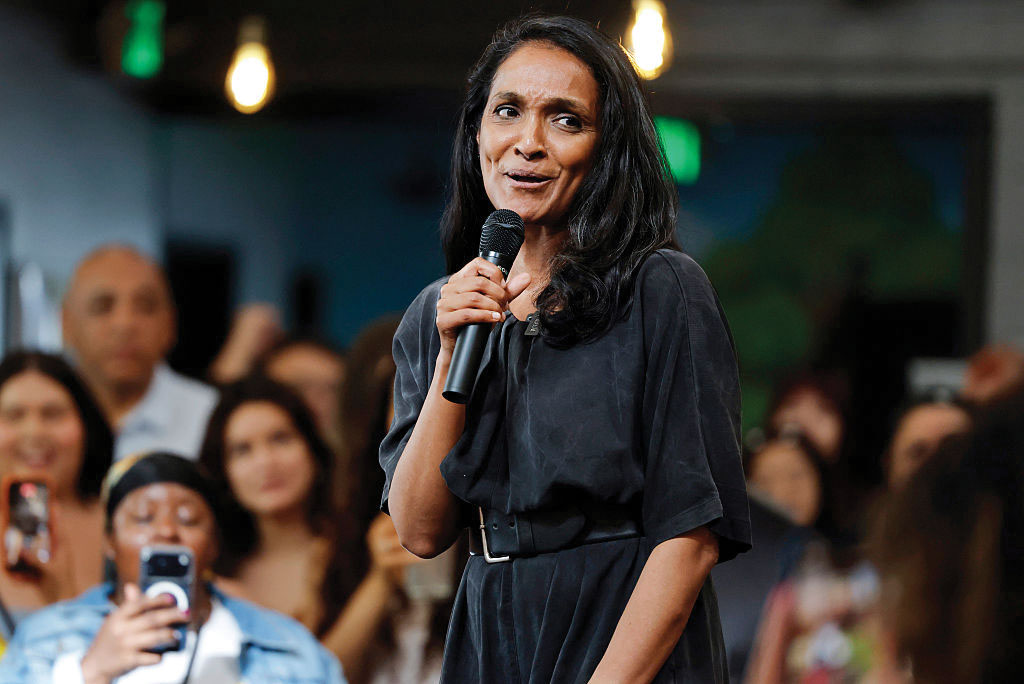
If you object to Abdul El-Sayed’s refusal to publicly support the existence of a Jewish state or to say whether he believes that Israel or Iran represents a greater threat, you can vote for the other party.
But if you find both Vance and El-Sayed to be unacceptable as elected representatives in our democracy, given these odious examples and countless others, then you are literally a person without a party. And that’s just fine. Because as American Jews, we do have other options. If we are willing to take advantage of them.
The goal here today is not to establish a hierarchy of hate. El-Sayed‘s beliefs are more extreme and therefore of greater immediate danger. Vance seems to arrive at his opinions based more on calculation than conviction, which may make them more insidious. Most of us will decide which of these two men is the slightly lesser of these two evils based on their feelings about abortion, immigration and Donald Trump rather than Iran, Hamas or the West Bank.
Last week, I wrote about the outcome of the midterm elections and about the challenges that Jewish Americans and other supporters of Israel face on this current inhospitable political landscape. I concluded that piece by promising to provide a path forward for a community that is facing increasingly hostile challenges from the ideological extremes of both parties. The answer is a simple and straightforward one: if neither of the nation’s two dominant political parties is willing to commit to us, then we are under no obligation to commit to them. Just as we did in May of 1948 and at countless other times in our history as a people, we must declare our independence.
When a voter group is taken for granted by one party or the other, their voices are no longer heard. Many Latino voters shifted from longtime Democratic allegiance in 2024 to instead supporting Trump. Rural and small-town Americans abandoned their longtime GOP home in this month’s elections. The Democrats have since successfully renewed their efforts to win back Latinos. Republicans are already scrambling to bring rural America back to their side. The lesson for the Jewish community: a little independence goes a long way.
Many Jews, like many other Americans, find the other party to be so objectionable that they decide to tolerate the bigots in their own ranks rather than join with those with whom they disagree on many other policy and cultural matters. But rather than switching sides, the better answer is to instead reject both. We can embrace pro-Israel candidates in both parties without also assuming an obligation to defend the antizionists and antisemites in either.
As independents, we no longer will have to swallow our pride in the interests of a partisan outcome that no longer serves our needs. We can instead pick and choose individual women and men who will stand with us rather than stand under the banner of a party that makes room for our enemies as a matter of political convenience. Jewish voters have a decision to make: do we continue to place habitual partisan allegiance over our safety and welfare? Or do we begin to explore other alternatives altogether?
It’s been said that the worst number of political parties to have in a country is one. But the second worst number of parties to have is two. As we see every day, the unnatural binary nature of a two-party system forces false choices, extremism, tribalism and a growing necessity for both parties to kowtow to their most ideologically extreme members.
El-Sayed spreads hatred for the most fanatical extremists on one side of the aisle. Vance contorts himself to appeal to the equally prejudiced zealots on the other side. Rather than pretending that we can tolerate one or the other, perhaps it is time to reject both and create something better.
Dan Schnur is the U.S. Politics Editor for the Jewish Journal. He teaches courses in politics, communications, and leadership at UC Berkeley, USC and Pepperdine. He hosts the monthly webinar “The Dan Schnur Political Report” for the Los Angeles World Affairs Council & Town Hall. Follow Dan’s work at www.danschnurpolitics.com.