

January is reserved for resolutions: Goals about lifestyle changes and resolving to do something different in the secular new year.
Rosh Hashana is reserved for soulful transformation: Resolving to be something different in the Jewish new year.
At the heart of this season are relationships. Looking at the various ways we show up in this world—for each other, for ourselves, for God. Do we actively turn towards those we need, or in sometimes subconscious ways, do we turn away? Just as a loud blast comes from within a narrow shofar, we, too, must learn how to reopen conversations and break down barriers from even the narrowest of places; strained connections and difficult ties with those we love the most.
Shevarim, one of the blasts of the Shofar, means brokenness. Rabbi YY Jacobson teaches, “Shevarim reminds us that in life we are plagued by questions, confusion, and disappointments; we become fragmented, and scattered, causing our existential sighs.” But the Shevarim blasts do not end the series of notes heard on Rosh Hashana. We finish with a Tekiah Gedolah—a substantive reminder that brokenness does not define us; our sighs will one day make room for laugher. Hope is waiting to be found.
This isn’t your typical new year. No fireworks or countdowns. We aren’t watching a ball drop in Times Square. Instead, on Rosh Hashana, we thank God for the precious time we are given. And when the final blasts of the shofar are heard, we will remember—it is never too late to mend our heart and renew our sacred purposes in this blessed world.
Shana Tovah and Shabbat Shalom
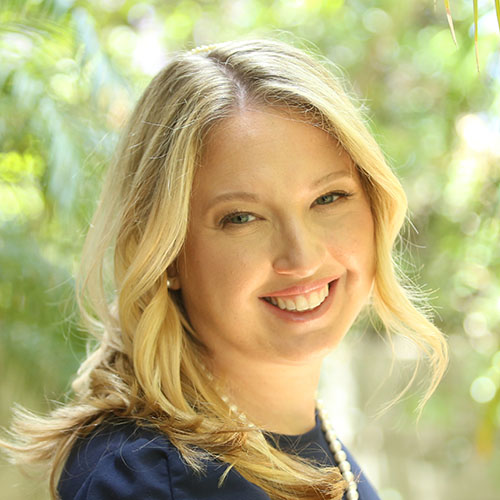
Rabbi Nicole Guzik is senior rabbi at Sinai Temple. She can be reached at her Facebook page at Rabbi Nicole Guzik or on Instagram @rabbiguzik. For more writings, visit Rabbi Guzik’s blog section from Sinai Temple’s website.

































