

Abraham plants, says Genesis twenty-one thirty-three,
an eshel, tamarisk, a tree symbolizing the tribe of Israel’s producer.
Why? The reason that he planted this exotic tree
is to inform us Israel’s founder, Abraham, was his wife Sarah’s unsisterly seducer,
Hebraically and herbaceously,
auspiciously, audaciously,
transformed by bricolage
plus ibricolage.
Gen. 21:33 informs us that Abraham planted a tamarisk tree:
וַיִּטַּ֥ע אֶ֖שֶׁל בִּבְאֵ֣ר שָׁ֑בַע וַיִּ֨קְרָא־שָׁ֔ם בְּשֵׁ֥ם יְהֹוָ֖ה אֵ֥ל עוֹלָֽם׃
He planted an, eshel, tamarisk, in Beer-sheba, and invoked there the name of the Everlasting God.
The eshel, tamarisk, that Abraham plants symbolizes the embryonic origin for Yisrael, ישראל, when the name of Sarah, שרה, his Hebrew wife, is added to it!
The very name of Israel is based on bricolage, a process Christoph Levin discusses in thetorah.com (“Abraham and Sarah in Egypt: A Story Composed to Prefigure the Exodus”):
The sister-wife story of Abraham and Sarah in Egypt reworks the sister-wife story of Isaac and Rebekah in Gerar. The passage is an intertextual bricolage, composed to have Abraham, the paradigmatic “first Israelite,” personally experience the nation’s core redemptive event.
Genesis 12:10–20 should be considered a bricolage, a term coined by the great twentieth century structural anthropologist Claude Levi-Straus to describe a work compiled from already standing building blocks or bricks.
Once we realize that this passage is an intertextual bricolage, it becomes clear that in studying it we have by no means drilled down to “the bed-rock of Hebrew folklore” (John Skinner)—to use another archaeological metaphor. Instead, we have unearthed a mosaic floor, a text composed from known texts, just as a mosaic is composed out of many existing stones.
Christoph Levin’s article suggested to me that the eshel, tamarisk, that Abraham planted may be a bricolage, coined in a program that might bilingually be called “ibricolage,” echoing the reference to stones in the narrative of the Tower of Babel in Gen. 11:3
The eshel, tamarisk, that Abraham plants symbolizes the embryonic origin for Yisrael, ישראל, when the name of Sarah, שרה, his Hebrew wife, is added to it!
וַיֹּאמְר֞וּ אִ֣ישׁ אֶל־רֵעֵ֗הוּ הָ֚בָה נִלְבְּנָ֣ה לְבֵנִ֔ים וְנִשְׂרְפָ֖ה לִשְׂרֵפָ֑ה וַתְּהִ֨י לָהֶ֤ם הַלְּבֵנָה֙ לְאָ֔בֶן וְהַ֣חֵמָ֔ר הָיָ֥הלָהֶ֖ם לַחֹֽמֶר׃
They said to one another, “Come, let us make bricks and burn them hard.”—Brick served them as stone, and bitumen served them as mortar.—
The eshel, tamarisk, that Abraham planted in Gen. 21:33 may be the product of bricolage that I call “ibricolage,” a process introduced in Gen. 11:3, in the story of the Tower of Babel. By means of “ibricolage” eshelbecomes Israel in Gen. 21:33 when two Hebrew letters, sin and resh, in the name of Sarah, the wife of Abram-Abraham are added to eshel.
Anticipating this “ibricolage,” Abram- Abraham is called ha’ibri, the Hebrew, in Gen. 14:13:
וַיָּבֹא֙ הַפָּלִ֔יט וַיַּגֵּ֖ד לְאַבְרָ֣ם הָעִבְרִ֑י וְהוּא֩ שֹׁכֵ֨ן בְּאֵֽלֹנֵ֜י מַמְרֵ֣א הָאֱמֹרִ֗י אֲחִ֤י אֶשְׁכֹּל֙ וַאֲחִ֣י עָנֵ֔ר וְהֵ֖ם בַּעֲלֵ֥יבְרִית־אַבְרָֽם׃
And a fugitive brought the news to Abram ha’ibri, the Hebrew, who was dwelling at the terebinths of Mamre the Amorite, kinsman of Eshkol and Aner, these being Abram’s allies.
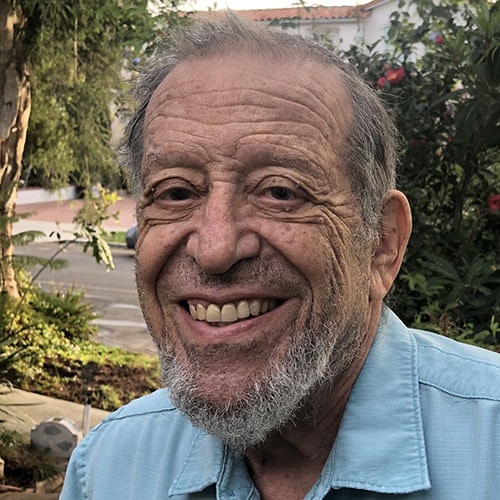
Gershon Hepner is a poet who has written over 25,000 poems on subjects ranging from music to literature, politics to Torah. He grew up in England and moved to Los Angeles in 1976. Using his varied interests and experiences, he has authored dozens of papers in medical and academic journals, and authored “Legal Friction: Law, Narrative, and Identity Politics in Biblical Israel.” He can be reached at gershonhepner@gmail.com.
































