I was changing after my workout today. The locker room was crowded; my locker sat between two others—one occupied, one temporarily empty. As the man to my right finished up and walked away, he said, “You’ve got the space to yourself, except for the [Iranian slur].”
In that moment in time, words of Ecclesiastes surfaced: “There is a time to be silent and a time to speak.” I chose to speak.
I looked at him and said, “That’s not okay.”
He replied, “Relax. He’s a friend of mine.”
“But people hear you,” I said. “They don’t know your connection. And even if they did, it’s a terrible way to talk about an entire group of people.”
He shrugged and left.
We live in an unfiltered world, where people feel licensed to say ugly things out loud, often without consequence. This time I spoke. But in another place, or with another person, that choice could have ended badly.
There’s no crystal ball—only conscience.
Life is full of moments like this. When do we speak? When do we stay quiet? And at the end of the day, which choice lets us live with ourselves?
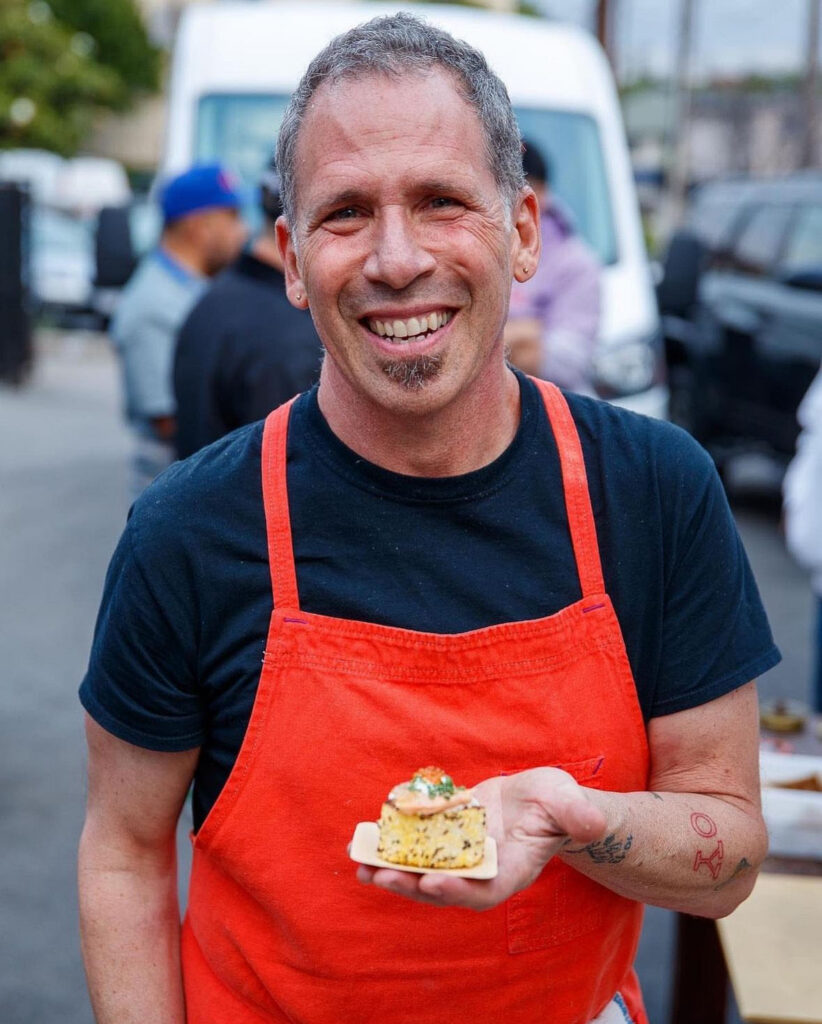
An innovator in the LA food scene, Jeff Strauss, chef/owner of Oy Bar and Jeff’s Table, had a whole other creative life before embracing his culinary path.
For 30-plus years, Strauss, now 63, worked as a comedy writer and producer with credits on shows, such as “Friends,” “Dream On” and “Reba.” However, his cooking habit – and love of bringing people together through food – was something he constantly nurtured.
“I have cooked with joy and passion and love for most of my life, since I was about five or six years old,” Strauss, who grew up on the East Coast – and whose mother loved exploring different cuisines, told the Journal. “I spent my life cooking for friends, for parties, for catering, for people, just for fun.”
Encouraged by his wife, a producer in the entertainment business, Strauss – at age 56 – took the leap to pursue his culinary dreams. In 2019, he officially opened Jeff’s Table, a sandwich shop located inside the liquor store Flask in Highland Park. He followed that up in 2022 with the opening of Oy Bar in Studio City.
“I have this thing where [whenever] I would eat something, it would always remind me of something else,” he said. “I would eat some brisket and it would remind me of shredded beef in a taco, or whatever it was … these little bridges of flavor and food style … floated around in the soup of my brain.
“What I’ve come up with is my understanding that food is a way that cultures speak to each other, even when sometimes the cultures themselves won’t talk.”
Foods also transformed over time. For instance, the potato pancake didn’t exist until the 1800s. Yet, the concept of the latke started evolving way before that.
“Our potato latke was not a potato until potatoes went from the New World to Germany,” he said. “Before that, the latke was just a pancake, and, before that, that pancake didn’t even have wheat; that pancake historically was cheese and it was then buckwheat… it was a fried thing that came out of the Middle East, but it was not a potato pancake.”
Los Angeles, he said, is a great example of the multi-cultural intersection of food.
“Los Angeles is like this incredible, massive, international food court, where people are cooking for themselves and sharing it with each other,” he said. “For me, there’s this constant source of inspiration.”
In LA, he explains, you could go to a strip mall and there would be five businesses: four restaurants and a mailbox store.
“The four restaurants would each be something different: there would be an Indian place, a Salvadorian spot, a Korean restaurant maybe and a deli,” he said. “They can all be in the same place, and the smells and the ideas live next to each other.”
Strauss’ menus, which showcase Los Angeles’ authentic blend of many cultures, are his love letters to this multitude of flavors, ingredients, cultures and people he’s encountered. Dishes at Strauss’ restaurants include Cured Salmon Yaki Onigiri, Wagyu Pastrami Quesadilla, Yuzu Kosho Turkey and Hainan-Style Turkey Salad sandwiches. One of his favorite recipes is his emergency Jewish deli dill pickles. That recipe is below.
You can also see the influence of his writer-background on his food.
“As a creative person, I try to talk about stuff that’s meaningful to me,” Strauss said. “Stuff that feels joyful and fun or profound in some way.”
He likes to draw connections between things that are not that obvious. When he was writing comedy, he thought the best way to mine a joke was to make a bridge between two ideas, where no one would normally make a connection.
“Then maybe you could get a laugh,” Strauss said.
“Then the other piece … I learned in writing for half-hour television is [how to] provide for people a moment in their life when they could just be there, and maybe let go of all of the other things that are stressing them out,” he said. “They were watching a show with a chance to laugh, a chance to think for a moment.”
Strauss tries to do that at Oy Bar and with Jeff’s Table,
“I just try to create something that’s its own little experience that’s engaging not just of your taste buds, but a tiny bit of your mind,” he said. “And [it’s] just engaging enough to give you that break, give you a thought, give you a moment, give you something to share with the person you’re with.”
Learn more about chef Jeff Strauss at OYBarLA.com and JeffsTableLA.com. Follow @OyBarLA and @Jeffs___Table on Instagram.
These are great for snacking, or you can use them on burgers and sandwiches. It’s really a slightly sweet, slightly salty, garlicky cucumber salad pretending to be a pickle. While nothing matches the magic of a truly great, traditionally-fermented deli pickle, the freshness brings a playful flavor that beats many bottled/store-bought pickles. I think the last two words in the instructions: “taste” & “adjust” (use your senses, think, use your skills) are the essence of cooking. I think they’re so important that I have them tattooed on my wrist. So don’t just learn a recipe, learn to taste and adjust.
Ingredients
4 Persian cucumbers, medium large
2 teaspoons sugar
1 teaspoon salt
1 large clove of garlic grated on a microplane or finely minced
1 tablespoon minced fresh dill
Instructions
Slice off the ends of cucumbers; then slice them into roughly 1/8-inch-thick rounds. Make them look like sliced pickles, or just slightly thicker. Actually, you can make whatever pickle shape you like: spears, halves, chunks… Larger pieces take a little longer to pick up the flavors, but they all work!
Combine these with the other ingredients in a nonreactive bowl and stir gently once or twice over 10 minutes.
Taste. Adjust.
Serve immediately, or refrigerate to use within a few hours.
Debra Eckerling is a writer for the Jewish Journal and the host of “Taste Buds with Deb.” Subscribe on YouTube or your favorite podcast platform.Email Debra: tastebuds@jewishjournal.com.
In Christianity’s second millennium, Christian polemicists labelled/libeled the Jewish people as killers of God and so cruel as to slaughter children to bake their blood into their ritual bread (matzah). The evil fabrication provided cover for an unending cycle of segregation, discrimination, killings, pogroms, torture and expulsions of Jews. The Jews never could stop the spread of the libel. Instead the Nazis exploited the aura of demonic cruelty which it conferred on Jews, to identify the Jews as the evil ones who must be exterminated in order to bring about the millennium for humankind. After the Holocaust, Western Christianity — especially the Catholic Church — recognized its role in setting up the Jews for genocide. It repented and sought to treat Judaism and Jews with respect and dignity. But the six million murdered Jews could not be called back.
In this decade, jihadi Islam, aided and abetted by a biased United Nations and ideologically warped human rights organizations (who have identified with the worst aspects of their clients’ behavior, e.g. terror and genocidal impulses) have pinned a label of committing genocide on Israel, for its war of self-defense against Hamas’ all-out terror attack. They falsely alleged that Israel was inflicting mass starvation on civilians. Zionism, the national liberation movement of the Jewish people, was demonized as a colonialist-settler project. In fact, the Jewish state is the only case of an indigenous people, exiled and displaced by conquerors, who came back and successfully regained and rebuilt their homeland. The “genocide” libel is a declaration of open season on Jews and the Jewish state. It has already served as cover for murdering Jews praying at synagogue in America, for massacring them at a holiday celebration in Australia, for killing them when going to a museum, and for Iran’s plans to inflict nuclear holocaust on the citizens of Israel.
We reject the genocide accusation with contempt, but it is already out there and out of control. It serves as a shorthand shutdown of Jews trying to defend Zionism and Israel. It isolates Israel as beyond the pale, leaving it subject to violence and boycott with no right to defend itself. However, the Jewish people alone cannot stop the relentless spread of the onslaught. We must call on all decent people, on all who believe in justice and security in the Middle East, to sign on with us and to act together to stop the spread of this pathological falsity before it leads to catastrophic assaults on the Jewish people worldwide. We do not want another mass murder of Jews to be carried out in order to stop the spread of the libel.
As for the Gaza war, the difference between war as tragedy and war as genocide lies in intent. In this war, only one side intended to commit genocide and that is Hamas. In the Gaza war, Israel went to war to break the hostile ring of fire of Iranian allies such as Hezbollah in Lebanon and Hamas in Gaza, which threatened to make life unlivable in the Jewish state.
There have been an estimated 70,000 deaths and casualties in Gaza. But terrorists/fighters make up about 25,000 of those killed. The ratio of civilians killed to fighters is less than 2 to 1. While we mourn every single innocent individual killed in Gaza, the ratio is historically unprecedentedly low — evidence of Israel’s all-out effort to minimize civilian casualties. Considering that Hamas built miles of tunnels to hide its soldiers, embedded its terrorists among the civilian population and deliberately put Palestinians in harm’s way as human shields, the Israeli results are a testimony to the tireless effort —ranging from evacuation of civilians from neighborhoods about to become the scene of fighting, to phone warnings and knock-on shells to alert people to leave before fighting engulfs them, to use of special armaments to reduce scatter and collateral damage, to military missions scrubbed due to the presence of civilians.
The most outrageous aspect of the genocide charge is that it is aimed at the one state that has been threatened with genocide all the years of its existence. Adding moral insult to injury, the Nazi nomenclature in trying to exterminate the Jews has been twisted and applied to besmirch Israel. The libel is intended to delegitimate the Jewish state and isolate it so that it can be liquidated.
We call on all decent people to join us and foil this vicious plot. There is a healthy debate among Jews and Israelis as to the morality of all of the steps pursued in the Gaza war as well as the spread of Israeli settlements in the West Bank. But stopping this libel is beyond politics.
We call on all decent people to join us and foil this vicious plot. There is a healthy debate among Jews and Israelis as to the morality of all of the steps pursued in the Gaza war as well as the spread of Israeli settlements in the West Bank. But stopping this libel is beyond politics. All society must unite to declare that this falsification is beyond the pale. Even those who support a two-state solution (currently 80% of Israelis have given up hope that a Palestinian state will live in peace with Israel) must join in checking this monstrous libel which leaves no room for the existence of a Jewish state. Justice for the Palestinians as well as the Israelis can only be worked out, once the poisonous libel is stopped dead in its tracks.
Those of you who want to act on Yitz Greenberg’s condemnation of the genocide libel against Israel can click on this link and sign the mass petition rejecting the libel. https://forms.gle/cRcyCRJgq2nV81pn9
Rabbi Yitz Greenberg serves as the President of the J.J. Greenberg Institute for the Advancement of Jewish Life (JJGI) and as Senior Scholar in Residence at Hadar.
Under the Trump Administration, the U.S. Department of Education has laid off most of the staff responsible for special education oversight, and many disability-related programs across agencies face uncertainty about future funding and management. As we honor Jewish Disability Awareness, Acceptance and Inclusion Month, the Jewish community must step up to support its members by making proactive, genuine commitments to inclusion – not because external pressure demands it, but because our values do.
When a synagogue elevator breaks down, some congregants simply take the stairs. Others stop coming. When a Jewish day school tells a family, “We’re not equipped to meet your child’s needs,” that family loses a community. When Jewish organizations design programs without considering accessibility, we send an unspoken message about who is, and isn’t, meant to belong.
Over the past 35 years, our country has made real strides toward inclusion, from the landmark Americans with Disabilities Act to the Individuals with Disabilities Education Act. These laws have helped to reshape schools, workplaces and public life. Yet, Jewish communal life has too often remained stagnant. Surveys have found that less than one-in-five American Jews with disabilities felt Jewish institutions were doing “very well” or “extremely well” in including disabled people; more than 20% report being turned away due to lack of accommodations; and nearly 20% identify synagogues as having the most challenges regarding accessibility. In addition, Jews with disabilities are twice as likely to live in poverty and only 15% can name a disabled leader in their faith institutions.
This failure isn’t just a missed opportunity, it’s a contradiction of our Jewish values of justice, dignity and belonging that we teach and treasure. And as changes in federal priorities now threaten to roll back hard-won gains on disability inclusion, the urgency for Jewish communities to lead, not follow, has never been greater.
“Disability” includes a wide range of experiences including neurodiversity, developmental and cognitive disabilities, mental and chronic health conditions, sensory challenges and more. Whether visible or invisible, each one shapes how people engage – or don’t engage – with Jewish life.
The COVID-19 pandemic forced Jewish life to adapt quickly, and for many people with disabilities, that shift was a revelation. Virtual services, online learning, and “Zoom meetings” opened doors that previously had been closed, especially for people with disabilities who finally had access to Torah study, community events, and leadership opportunities from home.
These innovations showed us what true inclusion could look like. But many have abandoned the adaptations that made Jewish life more accessible, jeopardizing relationships built with a generation of Jews who finally felt welcomed.
Today, approximately one-in-four people in the United States lives with a disability. Inclusion isn’t charity – it’s smart communal planning.
Studies show that only a small minority of Jews with disabilities feel included, with many reporting that their access needs go unmet. These are not merely data points. They are our friends, parents, children and neighbors who want to belong and to participate in Jewish life, but who are stopped by avoidable barriers. As we celebrate Jewish Disability Awareness, Acceptance and Inclusion Month right now, we should remember that these barriers are not inevitable — they are choices.
Inclusion is not a special-interest cause or an act of kindness. It’s a fulfillment of our deepest Jewish commitments: that every person is created b’tzelem Elohim, in the image of God, and that the strength of our community depends on everyone’s participation. Disability inclusion enhances our synagogues, schools, JCCs, and agencies. When spaces are designed for a broader range of human experience – including sensory, cognitive, emotional and physical needs –everyone benefits. From parents pushing strollers, to older individuals with hearing loss, to anyone who has ever needed flexibility or understanding – inclusion isn’t about “them,” it’s about “us.”
Disability inclusion must be treated with the same urgency as any other communal priority. Disability is universal: it touches every corner of our community, in moments of joy and in times of crisis. It includes people who are young and old, Ashkenazi and Sephardi, queer and straight, interfaith and observant, liberal and conservative. When we exclude people with disabilities, we diminish the whole. That means, as a Jewish community, we must:
• Make inclusion a core value by embedding it into your mission statement, budget and strategic plan. Include specific, measurable goals for access and belonging in annual priorities, solicit feedback, and report progress publicly.
• Build capacity at every level by training all staff, clergy, and lay leaders in accessibility, communication, and universal design principles; incorporate inclusion training in onboarding for new employees and volunteers; create cross-department “access teams” that regularly review policies and practices through an inclusion lens.
• Prioritize representation by recruiting, hiring and promoting people with disabilities in all areas of professional and lay leadership, and ensure that advisory boards and committees include individuals with lived disability experience. Compensate consultants with disabilities for their expertise, just as you would any other professional voice.
• Design for access from the start, planning programs, spaces and events that anticipate and assume a wide range of access needs. Use inclusive design checklists for physical, sensory and communication access (captioning, lighting, printed materials, etc.); build flexibility into programming by offering hybrid options, quiet spaces, visual supports and multiple ways to participate.
The time for slow progress is over. With essential disability-related programs now under threat across the nation, the Jewish community has an opportunity to lead – to demonstrate that inclusion, especially disability inclusion, is a timeless Jewish value. The Jewish community must commit to action, not only because people with disabilities deserve to belong, but because the future of the Jewish community depends on it.
Meredith Polsky is the executive director of Matan, a non-profit that helps Jewish organizations take the necessary steps to be inclusive of individuals with disabilities.
Auguste Comte didn’t set outto invent “the West.” He set out to invent a science of society. He coined the term “sociology,” attempted to map the immutable laws of human development and imagined progress. Yet Georgios Varouxakis argues in his new book, “The West: A History of an Idea,” that Comte helped popularize a term that eventually became one of modern politics’ most useful, and most slippery, brands.
Varouxakis’ argument (in an almost unfairly simplified form) is not that the West label arrived late, for practical reasons. By the 19th century, the older labels – “Europe” and “Christendom” – were no longer useful. They were too untidy. An awkward fact was Russia. Russia was European enough to complicate “Europe,” and Christian enough to complicate “Christendom.” The Western powers preferred a club without Russia. A new term was needed, one that could say “us” excluding Russia.
This book is a history, not a repair manual. It will not rescue the Atlantic alliance from fatigue, nor does it offer a roadmap for the current geopolitical crisis. But it helps explain why the idea remains so contested. As the narrative reaches the post-Cold War era, we encounter the familiar debate between end-of-history proponents vs. clash-of-civilizations proponents. Both were talking about “the West,” but in different registers – one as a universal destination, the other as a bounded camp.
In the years since, the obituary business has boomed. The “end of the West” has been predicted many times, but the predictions grew louder after Donald Trump’s election in 2016 and again after his return in 2024. Trump is not merely a politician; he is a stress test for alliances, institutions and the meaning of the Western club.
Simultaneously, China’s Xi Jinping offers a competing slogan: a “multipolar” world. In a recent meeting with leaders from Russia and India, he outlined a vision less organized around a single U.S.-led bloc. In that vision, “West versus East” belongs in a museum. And yet the diagram keeps being redrawn, sometimes by people who claim to be erasing it. When Trump talks about Greenland – buying it, taking it, securing it – his argument is that Russia and China must not dominate strategic territory. That is bloc thinking in plain language. The only ambiguity is the pronoun: is he defending America alone, or the whole West?
This confusion regarding definitions has real-world consequences. For over a century, the definitions were relatively tidy: The “West” was the home of capitalism and democracy; the “East” was the domain of tyranny and totalitarianism. But this created strange geographical anomalies that we simply accepted. Japan was considered part of the West, despite sitting at the far edge of the East. Turkey is a member of NATO, the “Western” military alliance, yet its internal conduct today resembles Russia far more than it resembles France.
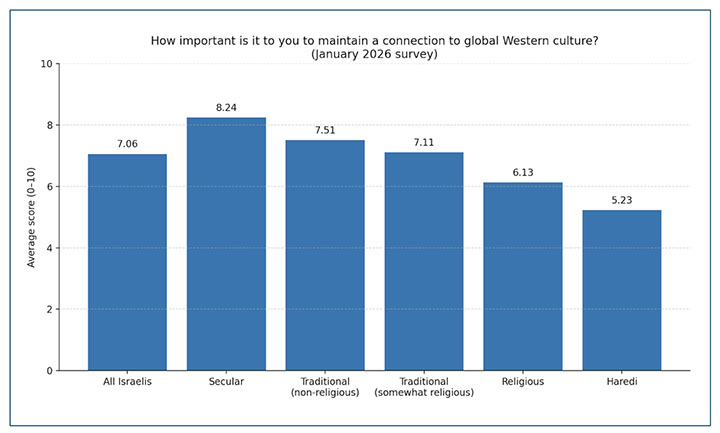
Israel is a good place in which to ponder the meaning of the West, because we are both inside the Western story and perpetually insecure about our place in it. In the monthly Jewish People Policy Institute (JPPI) survey, Israelis were asked about the importance of maintaining a connection to “global Western culture.” The average score was 7.06 on a zero-to-10 scale. This is quite high, though not the highest among the values Israelis rank – lagging behind the “Jewish character of the state” (7.17) and the “pursuit of compromise and unity” (7.45).
Predictably, the demographic split is sharp. Secular Israelis score the connection significantly higher (8.24) than religious Israelis (6.13); the Center and Left score it higher than the Right. But what, exactly, are respondents scoring? When a secular Israeli hears “the West,” they likely picture democratic institutions, markets, universities, innovation, individual freedom and tolerance. When a religious conservative hears “the West,” they may picture Europeans scolding Israel, hesitations toward Iran, fashionable contempt for religion and bureaucratic moralizing. Two Israelis who share many values might still have a different answer on “the West” because they imagine different “West” brands. One group believes “The West” represents the values they cherish; the other believes it represents a betrayal of those values.
That puzzle is not uniquely Israeli. It is now a Western puzzle. Consider a recent document from U.S. State Department circles. One paragraph praises a shared transatlantic tradition — Athens and Rome, natural law, inherent rights and the common inheritance. In the next breath, it accuses Europe of betraying Western civilization through censorship, mass migration, restrictions on religious freedom and other sins. Europe, in other words, is painted as both the cradle of the West and a suspect actor against it. The term does not settle arguments; it hosts them.
Perhaps “the West” is like pornography: hard to define, yet many insist they know it when they see it. Or perhaps it is simply a brand – useful precisely because it is vague – allowing rival tribes to wrap their preferences in a single grand term. If so, debates about the West’s collapse will remain muddled until we admit what we are really debating: not the fate of a civilization, but the meaning of its name.
Something I wrote in Hebrew
This time, it is actually something I wrote in English, but someplace else, when the three Arab parties decided to run as a merged list. This will only complicate their ability to join a coalition. Here’s one paragraph from a Moment Mag article:
Could an Israeli coalition run another such war while in coalition with Arab parties and depending on their support? Probably not. The majority would be constantly frustrated by attempts of Arab members to tame the war, while Arab members would be under constant pressure from their constituents to pull out … The bottom line is troubling: A fifth of the population almost never gets to use its political leverage. It’s also nearly unavoidable, because Arab parties aren’t being excluded from government primarily based on racism – though that exists – but on real, deep differences regarding the most crucial dilemmas the country faces.
A week’s numbers
Israelis value their country’s connection the “the West,” but not at the same level (JPPI numbers).
A reader’s response
Marcia asks: “Shmuel, what is your best guess on Iran?” My response: Iran attack? Iran regime change? I deliberately refrained from writing about Iran this week. It is all much too fluid and my guess is a good as everyone else’s (or worse).
Shmuel Rosner is senior political editor. For more analysis of Israeli and international politics, visit Rosner’s Domain at jewishjournal.com/rosnersdomain.
(EDITOR NOTE – This episode was filmed on 07/30/25)
Boaz Hepner had the BEST time speaking to a group of 13 incredible poker pros, including the most recent winner of the World Series of Poker! Watch these 13 pros as they laugh, love & discuss. The first half is all about the world of poker. The second half covers their thoughts on Israel and antisemitism.
If I told you this was a fun episode to watch, it would be an understatement.
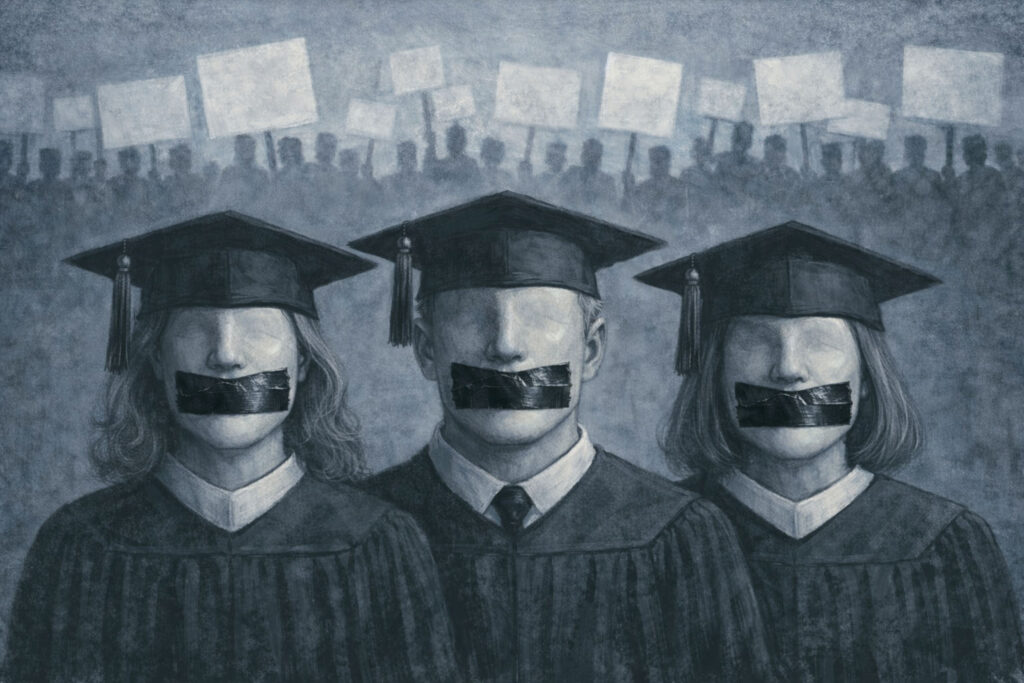
So much of what we hate about universities today boils down to a conformist environment of leftist groupthink that iced out conservative voices.
Take the announcement of a new class this Spring at Princeton University titled, “Gender, Reproduction, and Genocide.” Per the syllabus, the course will “place Palestine at center, [and] we will situate Gaza within the comparative history of the Armenian genocide, the Holocaust, and genocide against Black and indigenous populations” and will “[explore] genocide through the analytic of gender, with a central focus on the ongoing genocide in Gaza.”
The course is blatant propaganda, but no one at Princeton will lift a finger because it conforms with leftist dogma. There are hundreds of similar examples of how higher education has been infiltrated by leftist ideology, but no one wants to come right out and say it.
So when people are forced to recognize the problem, they hide behind polite language like “the need for greater viewpoint diversity.”
Strip out that elegant phrasing, though, and you get a brutal reality of political bias, with recent polls showing that up to 95 percent of university faculty identify as Democrats.
“This left-leaning supermajority is responsible for rampant discrimination against non-left job seekers, both conservatives and moderates, and the trend is likely to worsen,” according to a 2023 report in The Independent Review titled, “The Hyperpoliticization of Higher Ed.”
In a December 2025 report, the Buckley Institute at Yale found that, among Yale undergraduate and law and management school faculty:
82.3 percent were registered Democrats or primarily supported Democrats.
15.4 percent were independents.
Only 2.3 percent were Republicans.
Twenty-seven out of 43 undergraduate departments had not a single Republican on the faculty.
A faculty survey published in the Harvard Crimson in 2022 found that only sixteen percent identified as “moderate” and 1.7% as “conservative.”
And a recent Georgetown study, as pointed out by law professor Johnathan Turley, found that only nine percent of professors at the top 50 law schools identify as conservative.
You get the picture. The problem is not just lack of viewpoint diversity. It’s lack of conservative voices.
This epic failure is getting lost amidst all the grand talk about free speech and academic freedom.
“The last two years have seen a dramatic increase in the scrutiny of free speech and academic freedom on university campuses,” Edward Yingling and Leslie Spencer write this month on the Princetonians for Free Speech site. “There has been important progress during this period that bolsters awareness of the importance of free speech and academic freedom principles.”
Yes, but as the authors themselves point out, free speech and academic freedom are meaningless if everybody thinks the same way.
American college students deserve better.
The “search for truth” that defines the great ideal of higher education shouldn’t be limited to one ideological bubble. The truth is a large canvas that comprises a multitude of voices. It’s outrageous that one even needs to point this out.
Groupthink inevitably leads to indoctrination, which inevitably leads to a distorted and corrosive national conversation. Until universities wake up to that truth, and start bringing in more conservative voices, the shameless propaganda we’re seeing in courses like “Gender, Reproduction, and Genocide” will continue to proliferate.
The disease in academia today is not free speech; it’s speech for some but not for all.
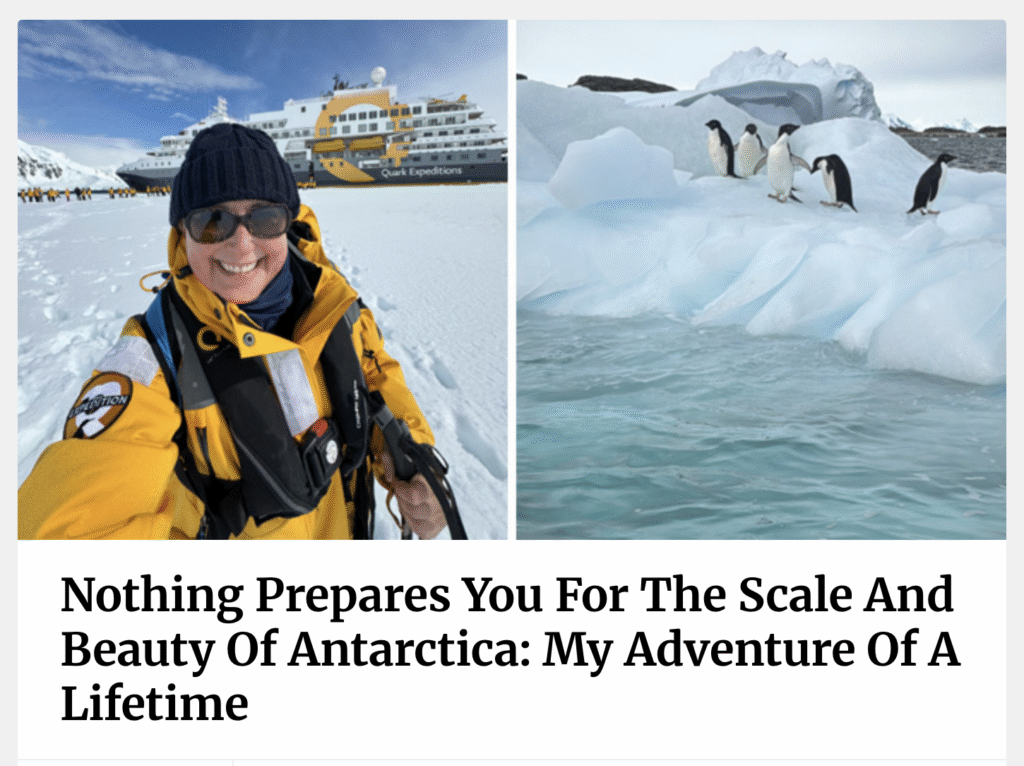
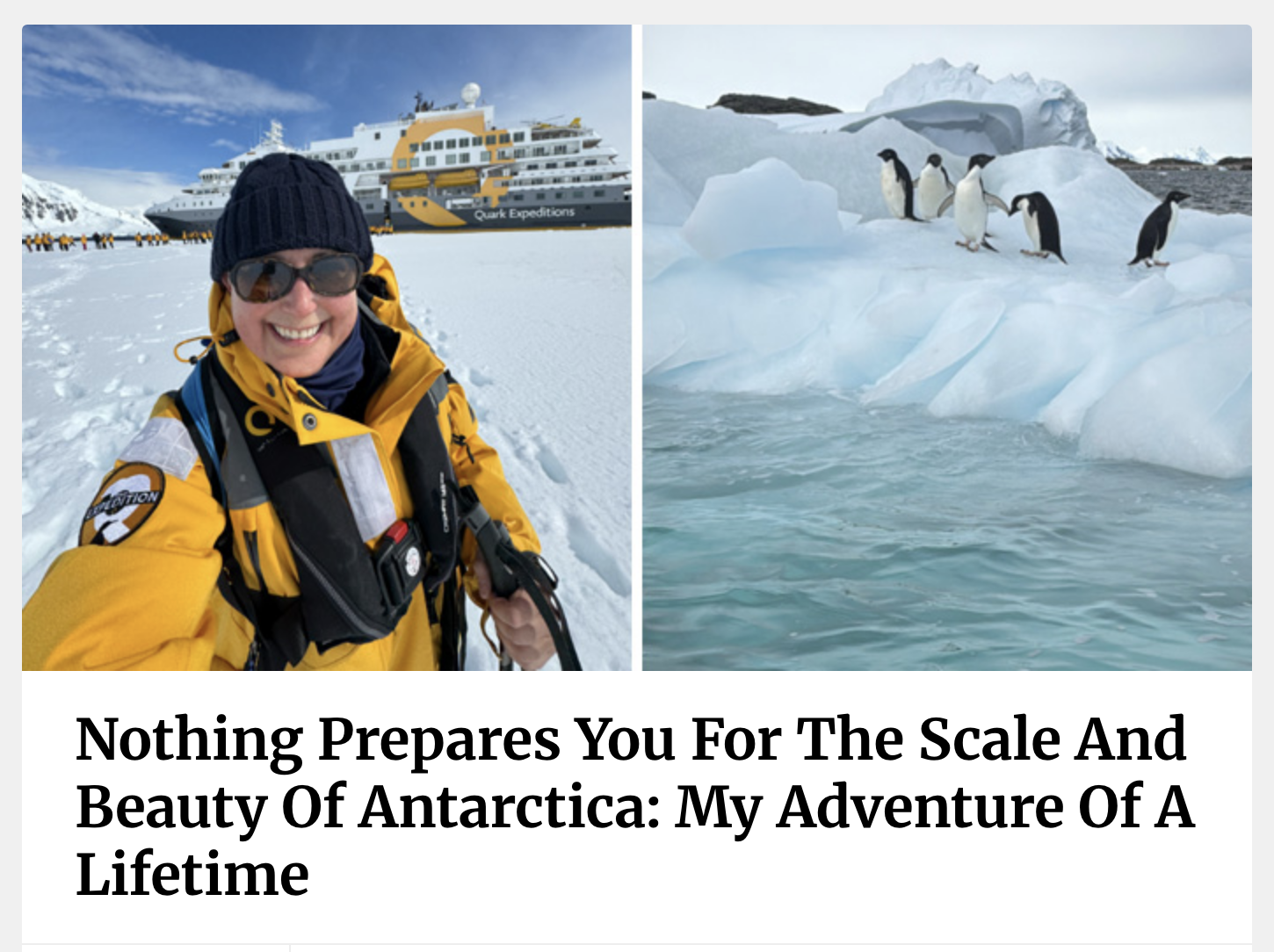
As Seen on Bored Panda: Nothing Prepares You For The Scale And Beauty Of Antarctica: My Adventure Of A Lifetime
Very few places on Earth feel truly untouched. Antarctica is one of them. It’s the coldest, driest, and windiest continent, yet it draws travelers who are curious, determined, and ready to be humbled.
In all of human history, only about 800,000 people have ever visited Antarctica. Even fewer, around 100,000, have crossed south of the Antarctic Circle. To step foot here is to join a very small chapter of human experience.
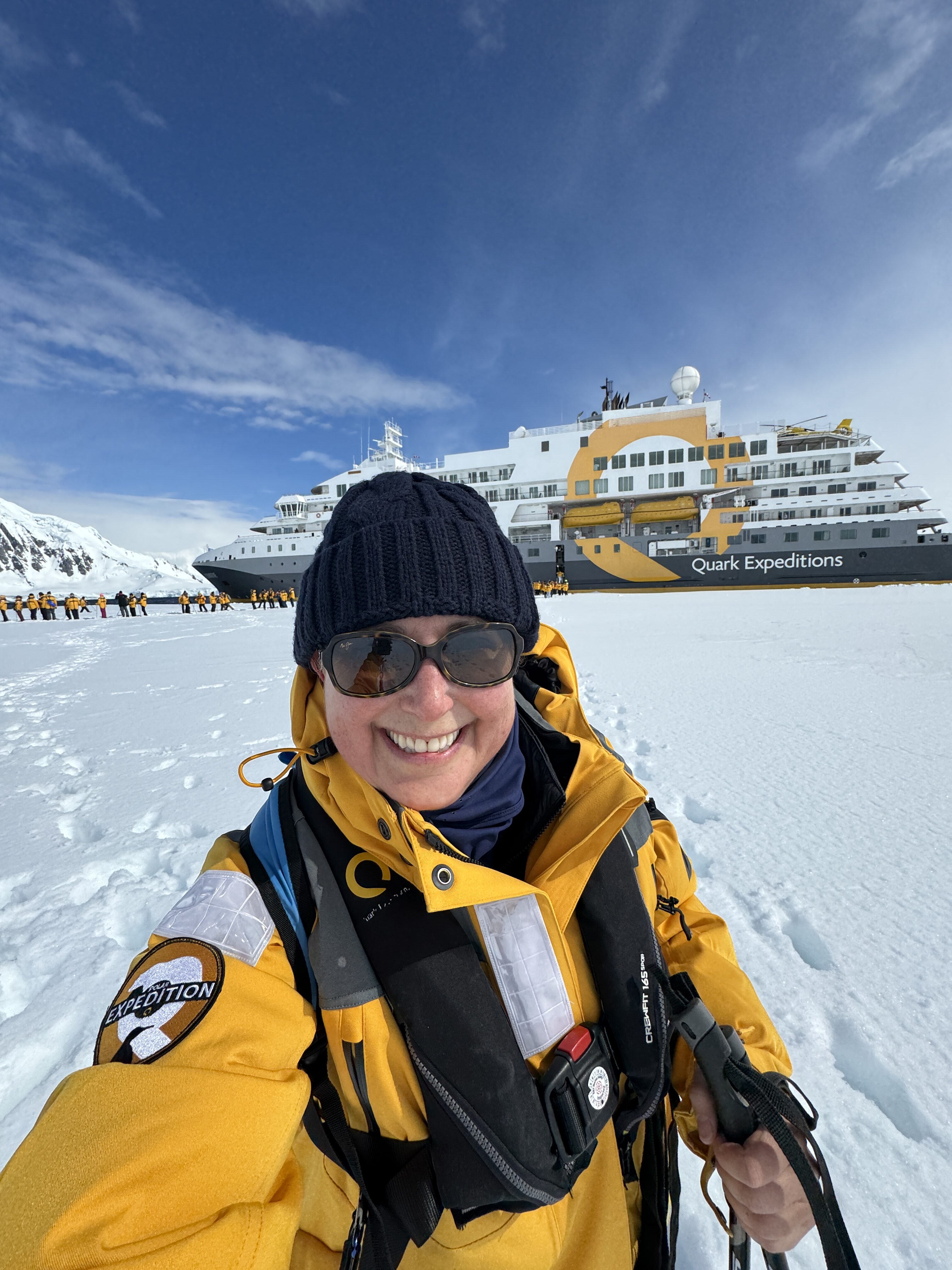
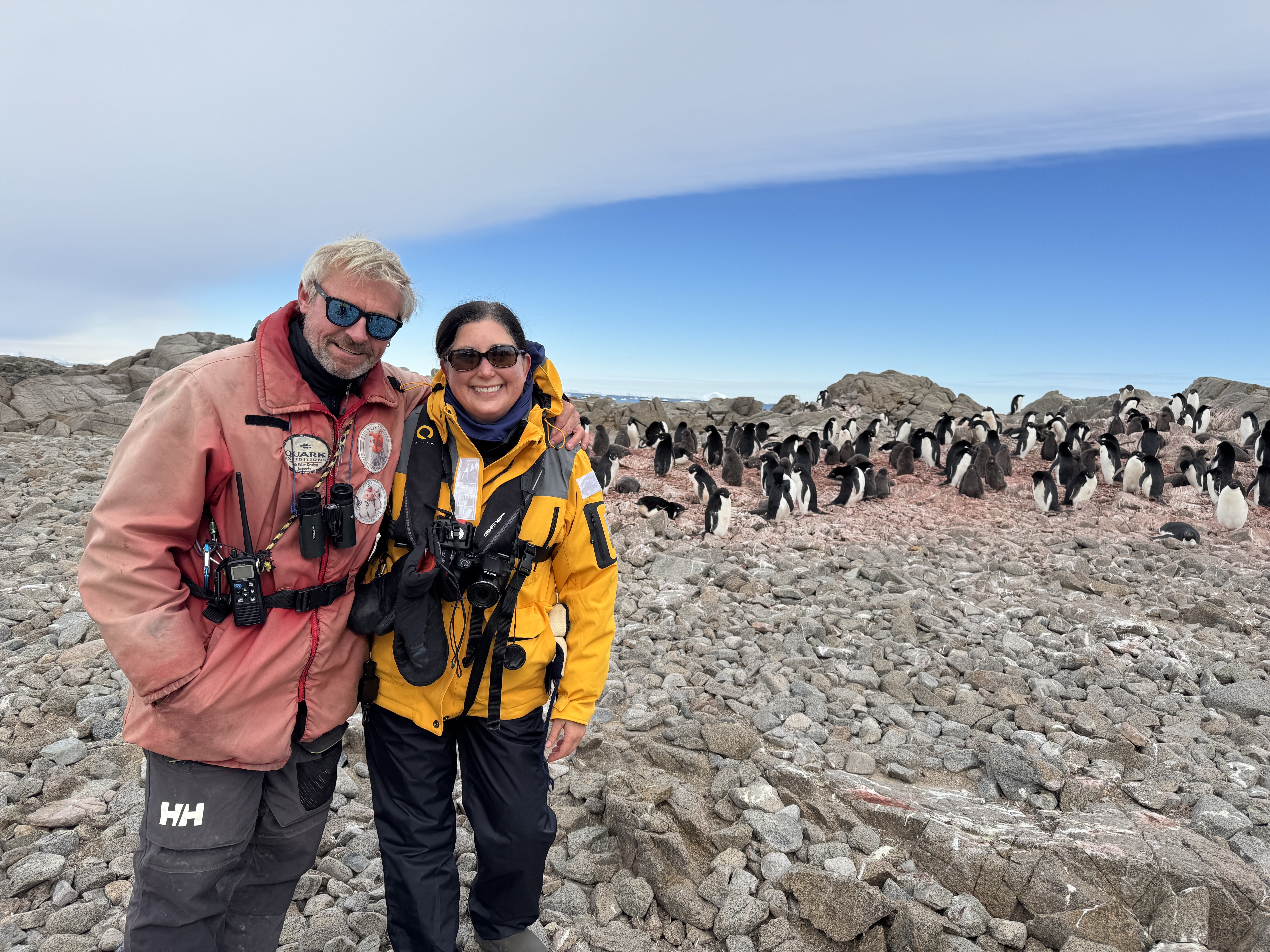
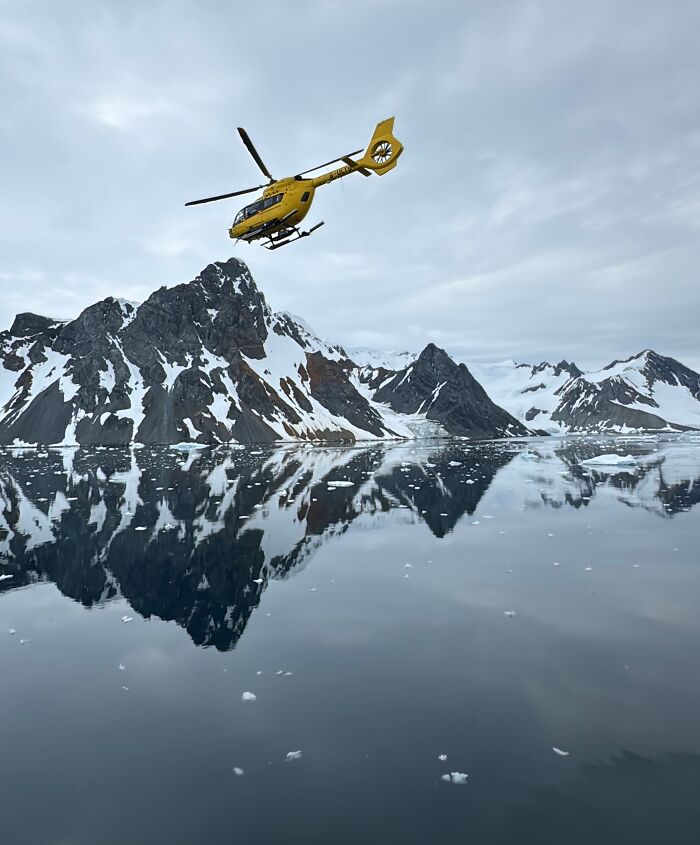
This journey marked my seventh continent, a milestone I had dreamed of for years. I traveled with Quark Expeditions, a leader in polar travel. From the start, it was clear — this wasn’t a cruise. It was an expedition. Each day was shaped by weather, ice, wildlife, and science. Nothing was scripted. The adventure unfolded moment by moment. That was the magic.
Antarctica became the most remarkable classroom I’ve ever known
On board, our days alternated between outdoor exploration and lectures from experts in glaciology, ornithology, marine biology, and polar history. I’ve sat in classrooms all over the world, but learning about climate systems while surrounded by the glaciers we were studying felt entirely different. Our lecturers didn’t just teach — they connected the dots. They showed us how Antarctic currents influence global temperatures, how krill sustain nearly every species here, and why the ice shelves matter to all of us — not just scientists.
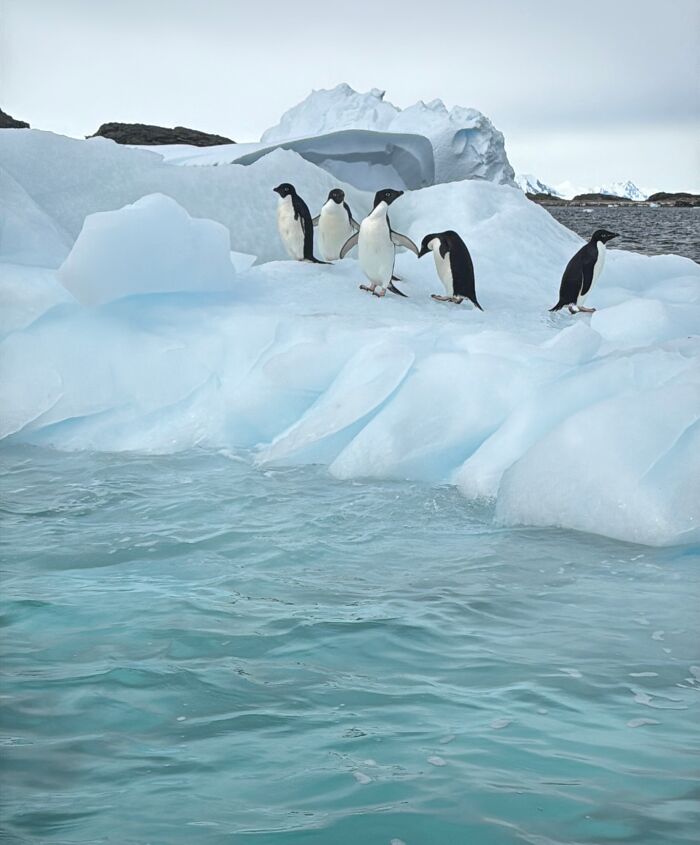
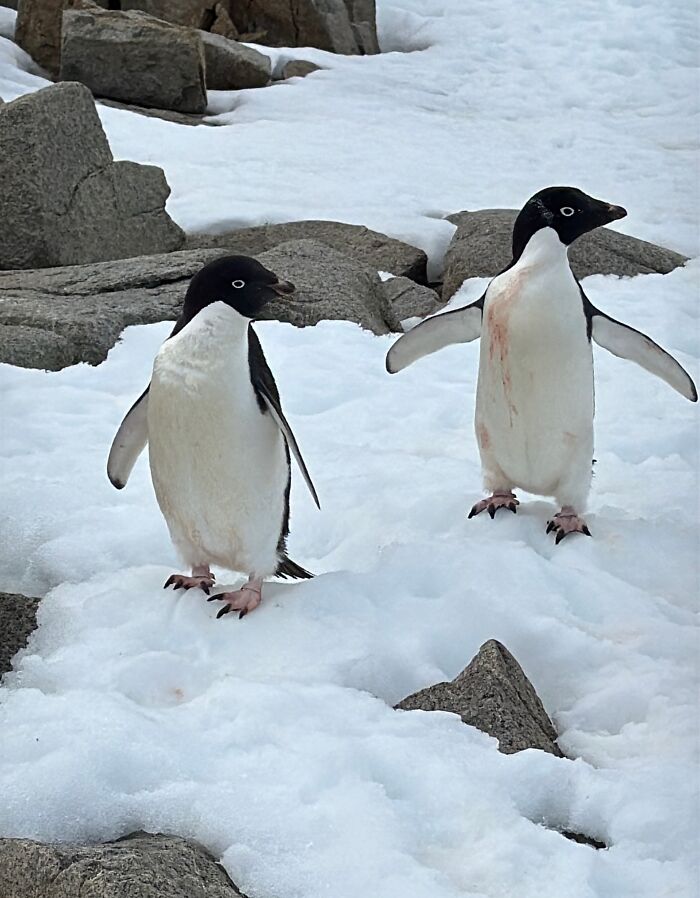
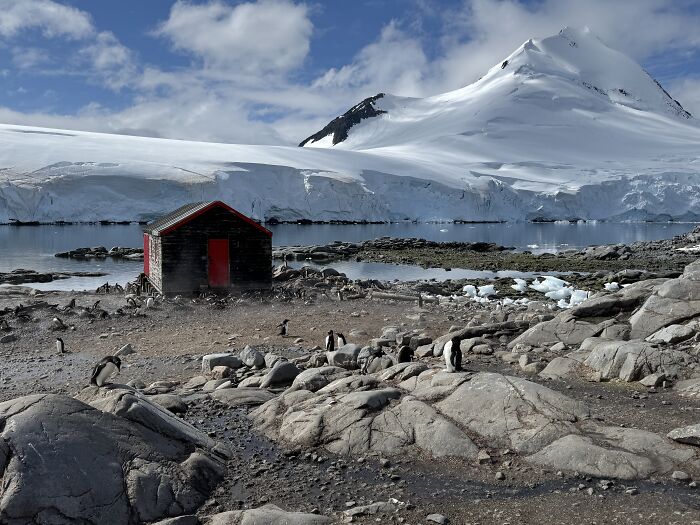
One of my favorite sessions was about penguins. Antarctica is home to several species, but three in particular shaped our landings: gentoo, adelie, and chinstrap. I used to think of penguins as almost cartoonish, but watching them navigate their daily lives made them feel like heroes in their own epic story.
Gentoos, with their bright orange bills and curious personalities, often waddled right up to us — close enough to look, never to touch.
Adelies were pure energy, moving with constant purpose, as if they were always running late.
Chinstraps looked perfectly formal, their sleek black line across the chin like a tuxedo for an Antarctic gala.
They weren’t just cute, they were resilient, strategic, and deeply adapted to one of the harshest environments on Earth.
ADVERTISEMENT
The small boat journeys showed me how vast Antarctica really is
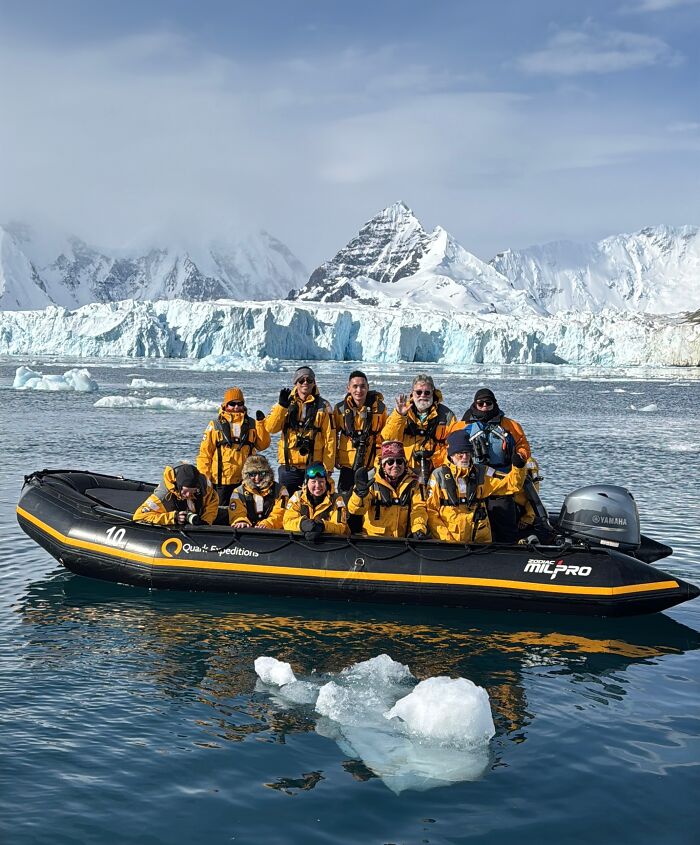
Every time we went ashore, we traveled by Zodiac — small, sturdy inflatable boats that carried us between the ship and the ice. Zodiac life quickly developed its own rhythm: boots on, life jacket clipped, gloves secured, camera ready, step, sit, slide into place.
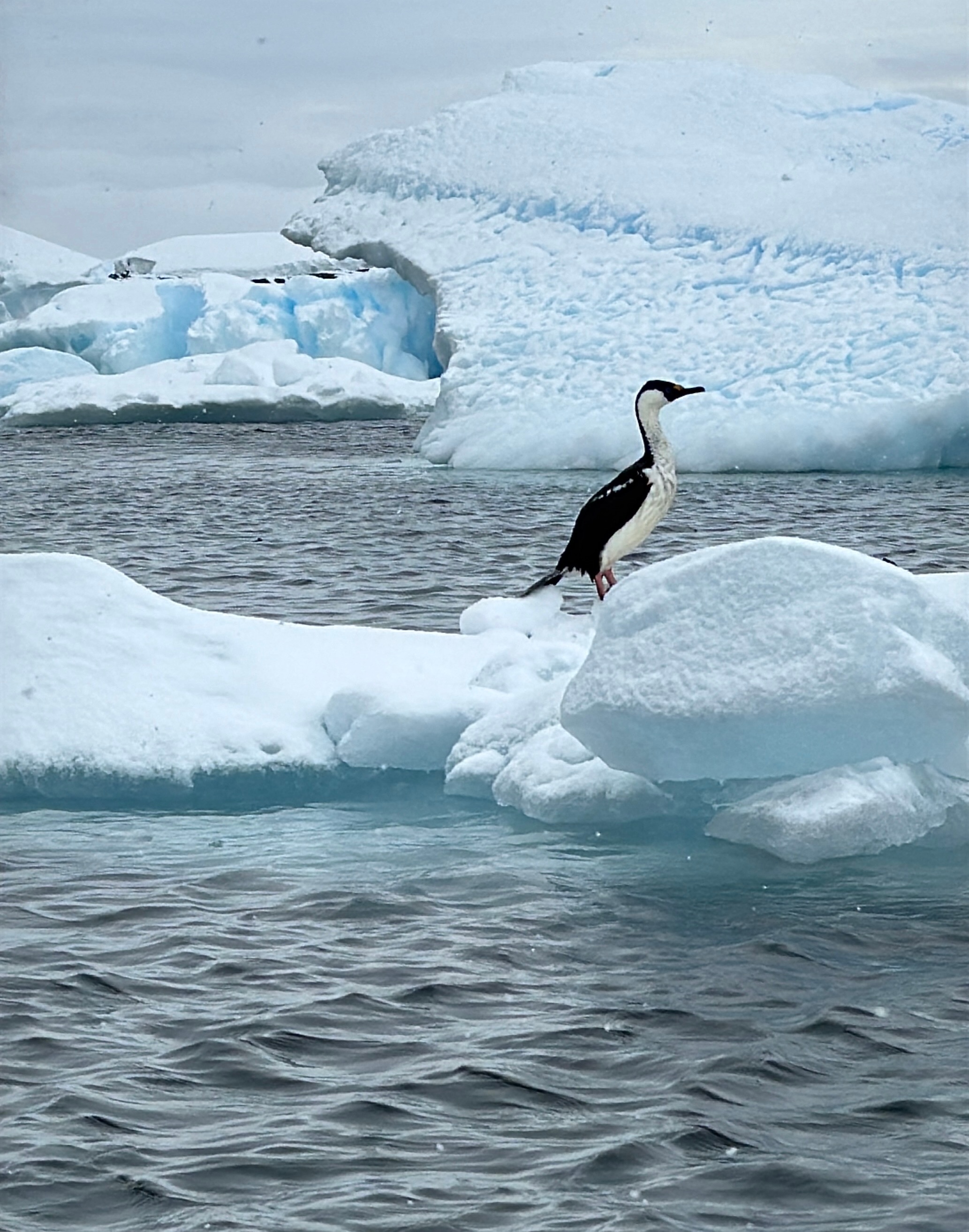
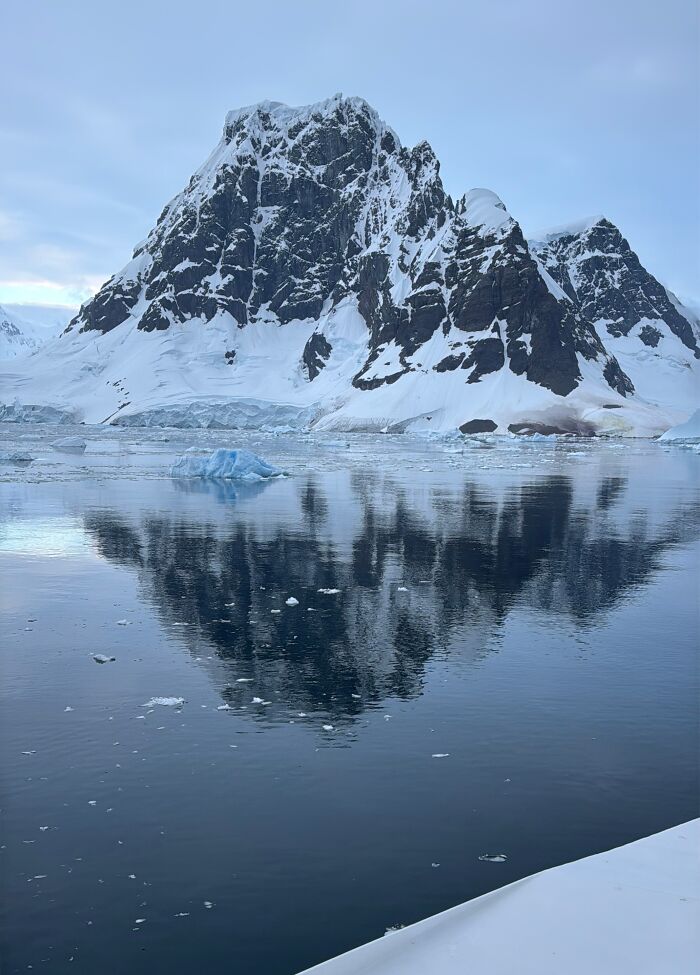
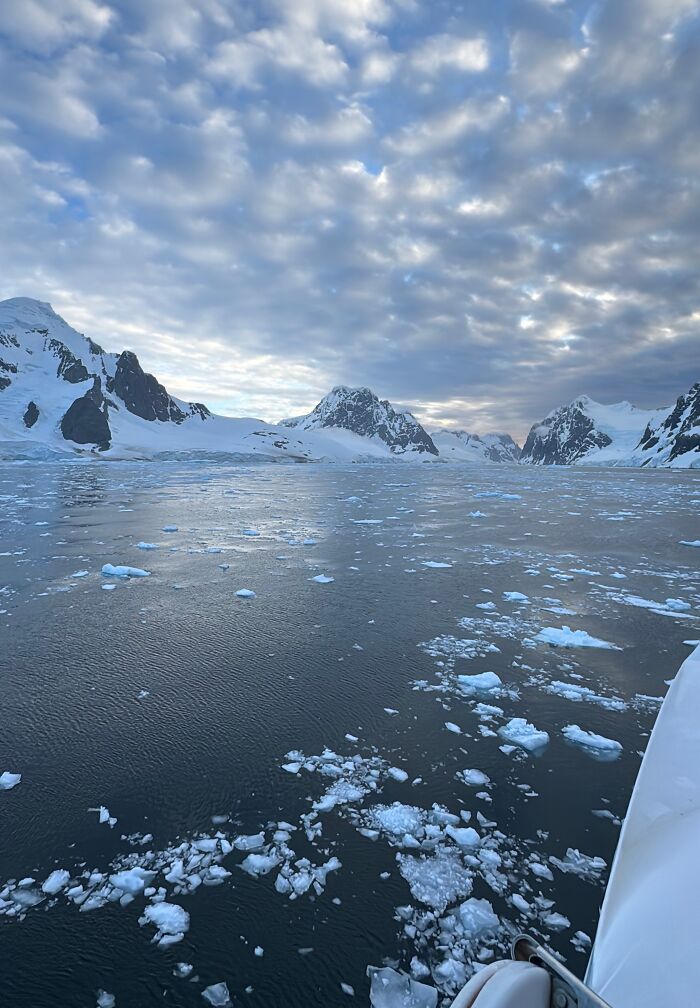
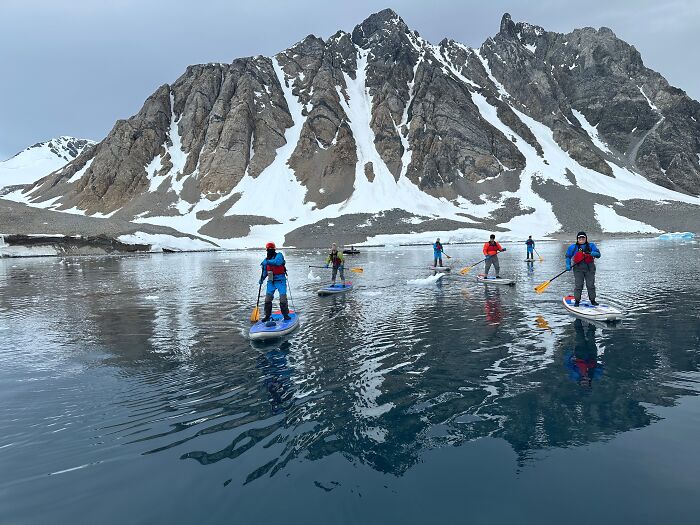
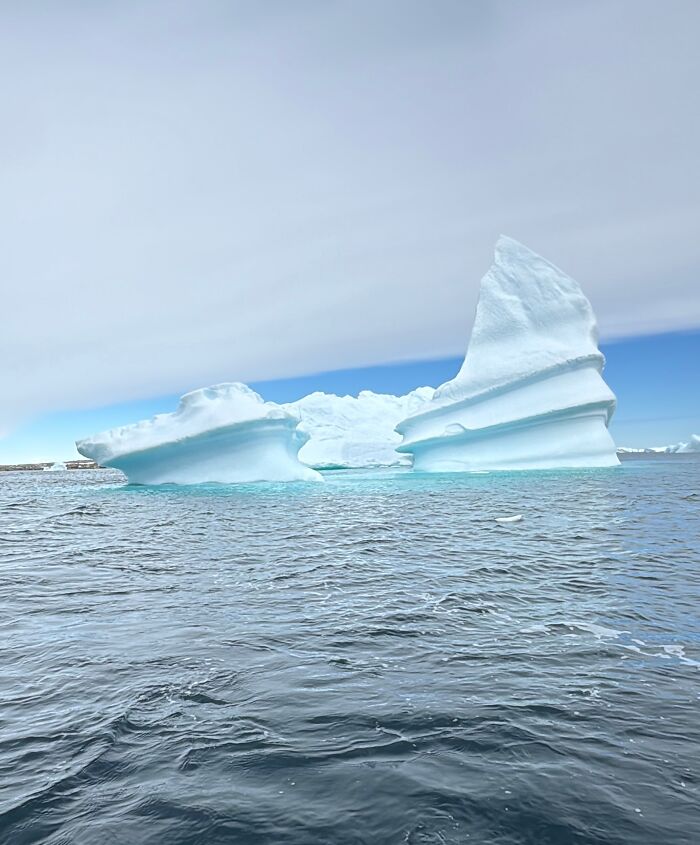
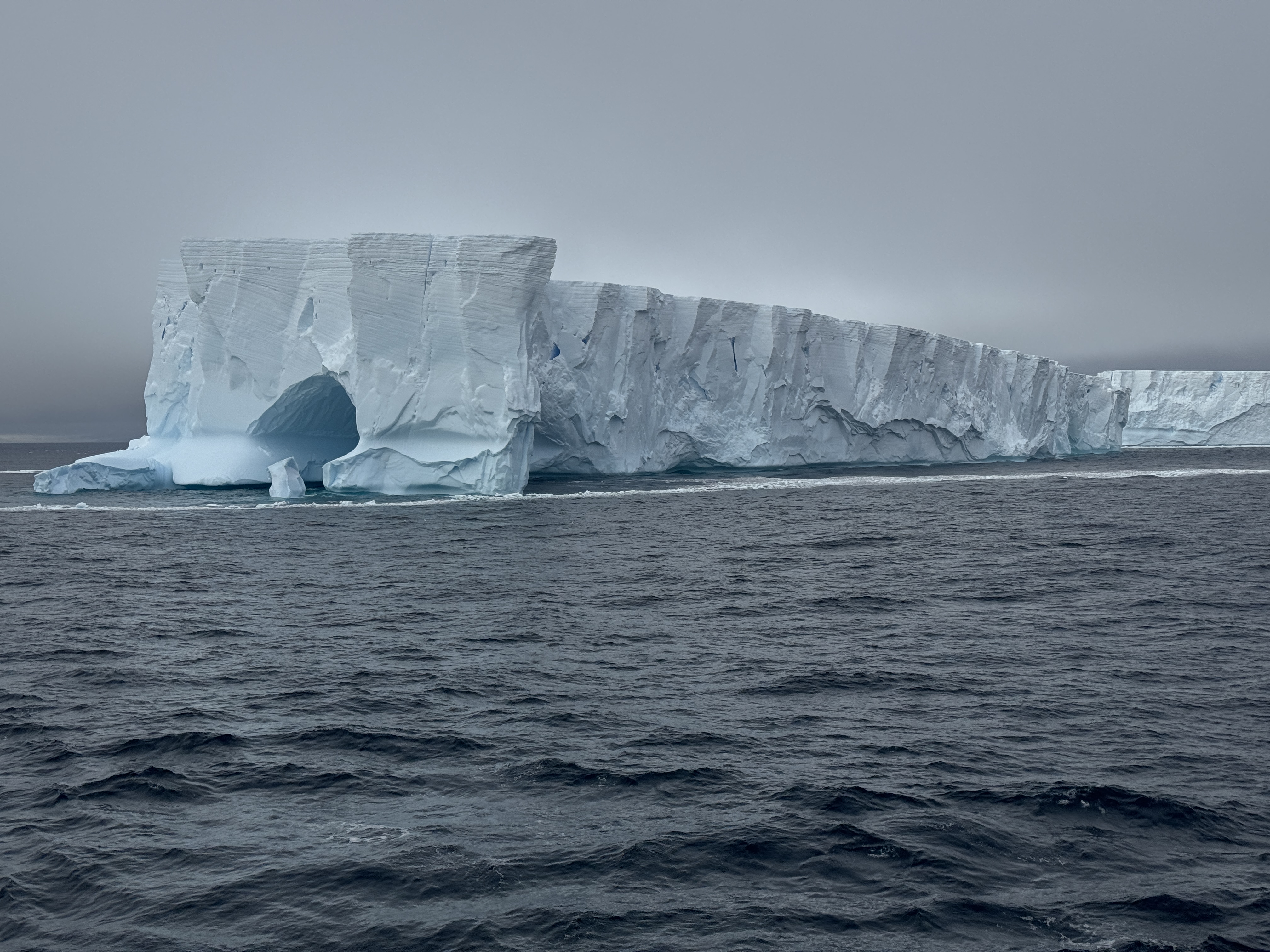
Sometimes we’d cruise past towering blue icebergs that shifted in the light like stained glass. Other times we’d land, walking across ice and rock to watch penguin colonies, observe seals resting on ice floes, or simply stand still and gaze at the horizon.
The landscape defies scale. What looks like a hill is actually a mountain. What looks like a piece of ice you could toss is the size of a building. There are no trees, no roads, no power lines — nothing to compare against except your own memory of how big the world usually feels.
Here, perspective resets.
Standing on the Antarctic circle was probably the most surreal moment of my life
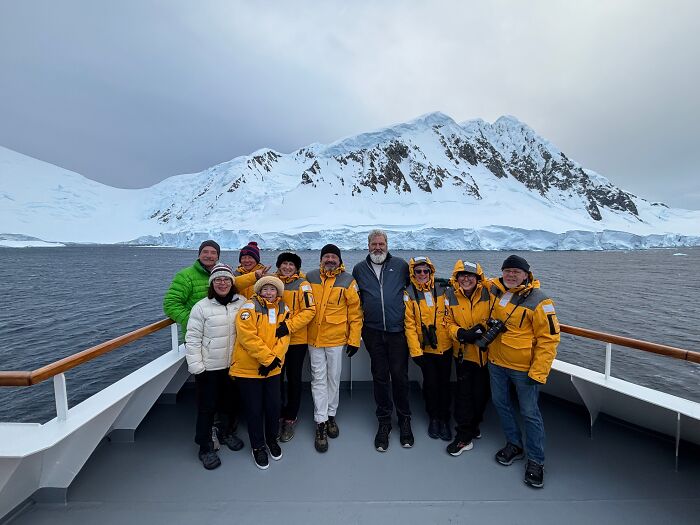
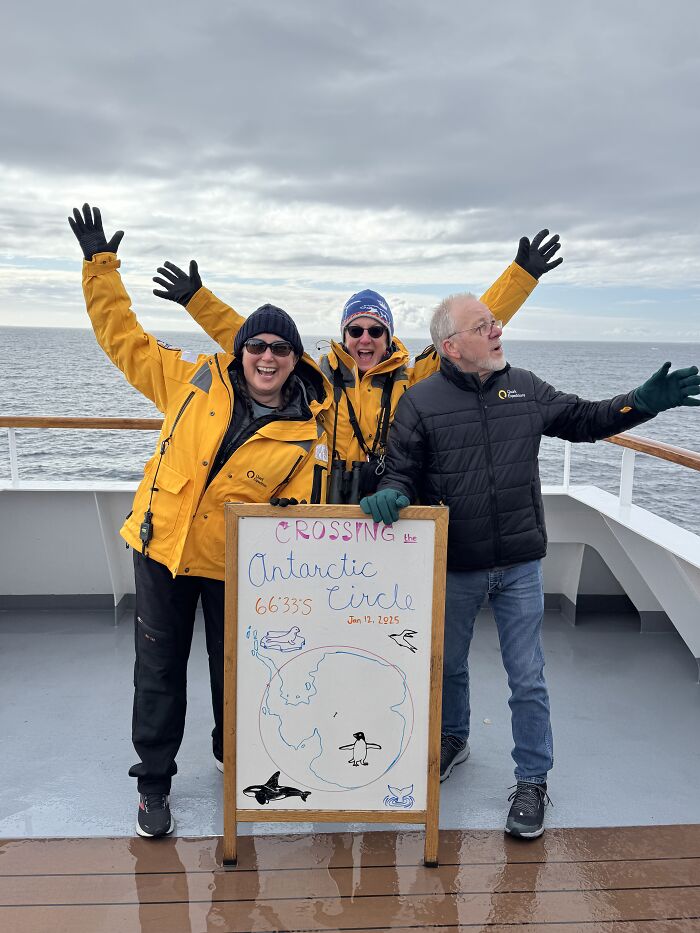
Crossing the Antarctic Circle — 66°33′ south — felt like an initiation. Only about 100,000 travelers have ever gone this far. The air was sharper, the silence deeper. It wasn’t eerie — just vast.
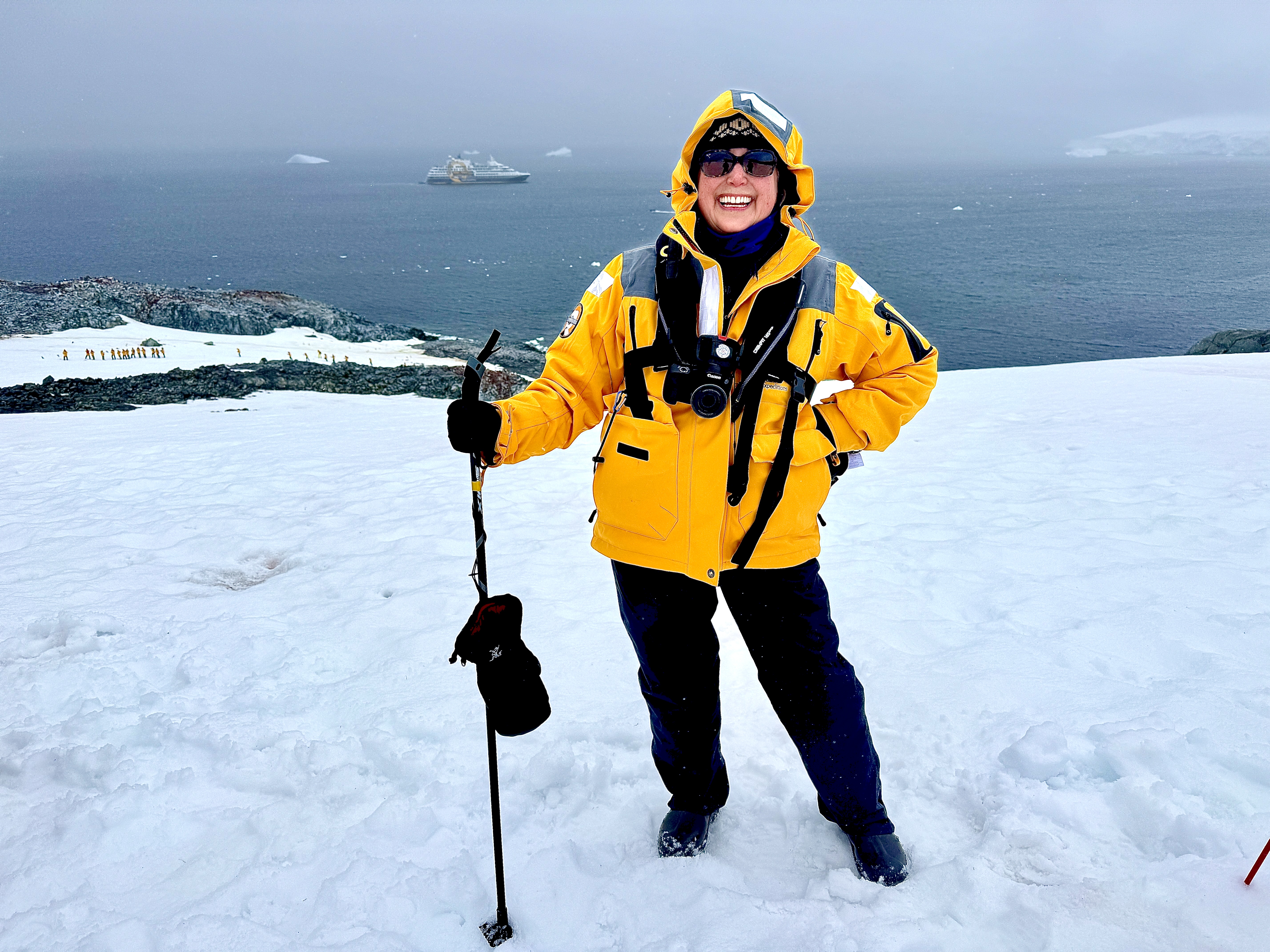
The expedition team gathered us outside as the GPS ticked past the line. We cheered, we hugged, we watched the horizon, and then it sank in: we were standing in a part of the planet most people will only ever imagine.
A tiny ship and its crew turned my Antarctic expedition into something truly extraordinary
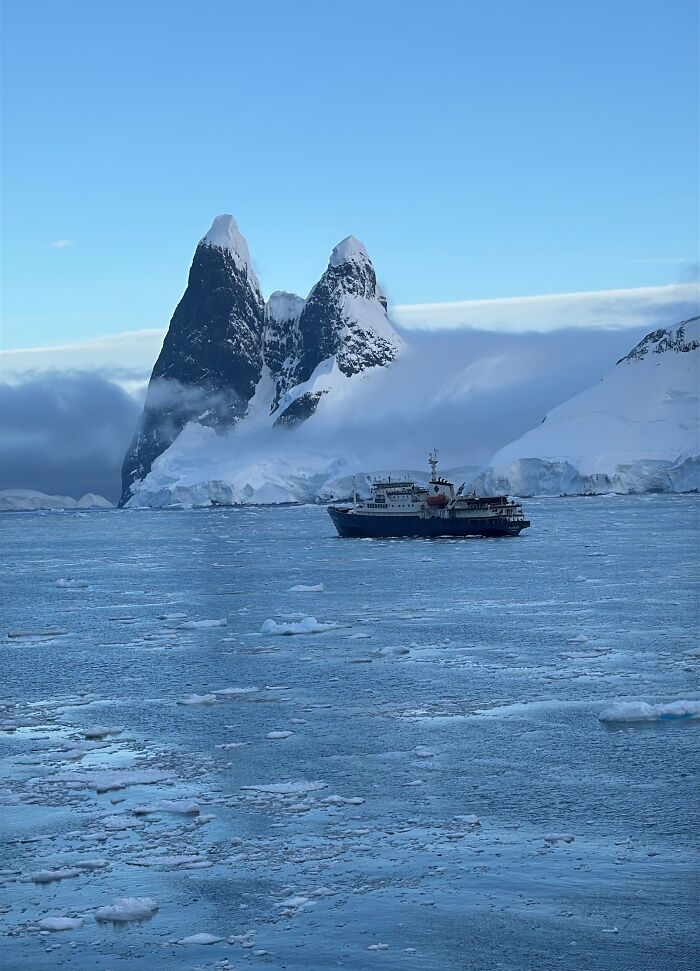
Our ship wasn’t large, and that was crucial, because smaller expedition ships allow for more time ashore and deeper exploration.
The spaces were thoughtfully designed: windows everywhere so you never lost sight of the ice, warm gathering areas for tea and conversation, and a bridge open to visitors where we could watch navigation in real time.
The crew was the heartbeat of the journey. They guided, briefed, adapted, and kept us safe. When the weather shifted (and it always did), they seamlessly redesigned the day. When wildlife appeared, they alerted the whole ship within minutes.
Every landing felt intentional, meaningful, and safe.
Standing on the ice made me feel still, small, and very grateful
Standing with my boots on the ice, I felt something I hadn’t expected: stillness. Not the absence of movement, but the absence of noise, the kind that fills our lives without us noticing.
I realized that Antarctica doesn’t just show you new landscapes, it shows you new internal space.
My book was in the ship’s library. My feet were on the land I had dreamed of for decades. I was part of the small fraction of humans who have ever seen this place with their own eyes.
And I was grateful for every moment of it.
I believe everyone should experience Antarctica at least once
Antarctica is not a vacation. It’s a perspective shift. You don’t go to check a box — you go to understand something about the world and something about yourself.
Seeing our planet in its rawest form reminds you why it matters that we care for it.
If you have the chance to go — go. Not someday. Not “when things slow down.” Go when your curiosity calls.
Because Antarctica isn’t just a place you visit. It’s a place that stays with you.