Dear all,
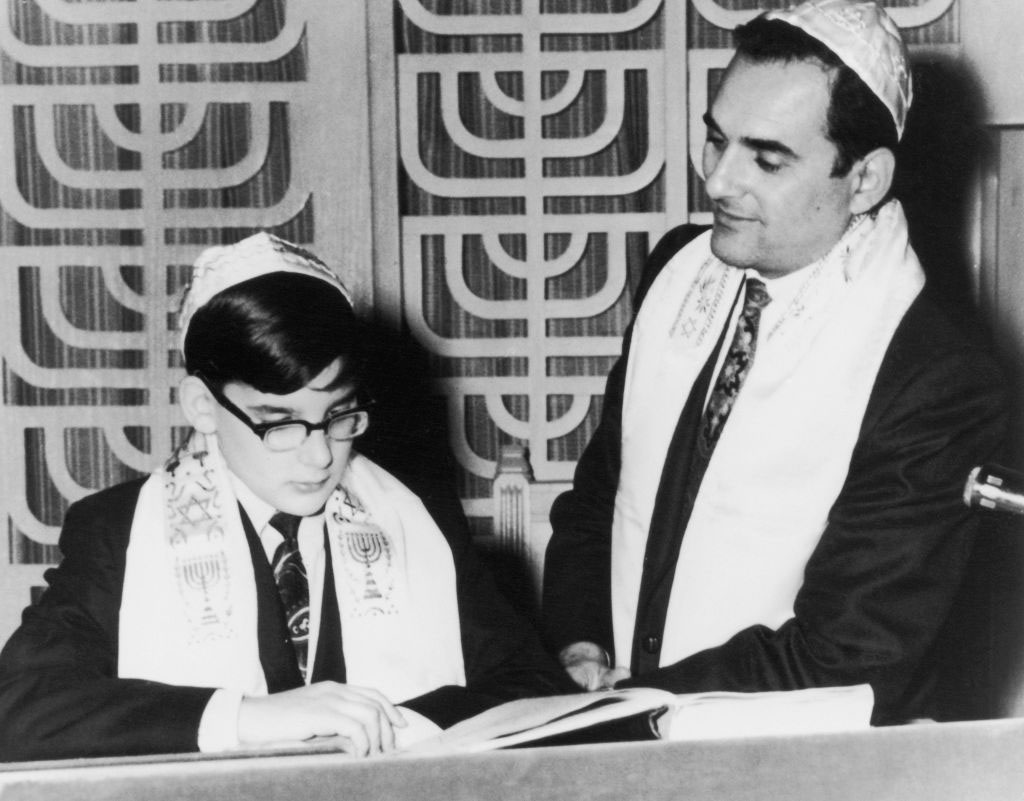
As we observed my father’s yahrzeit last week, I found myself returning to the bond we shared through aviation. Dad was a private pilot; my passion leaned toward commercial flight. As a teen I collected airline timetables, and from my twenties until today, I’ve never lost the thrill of boarding a plane.
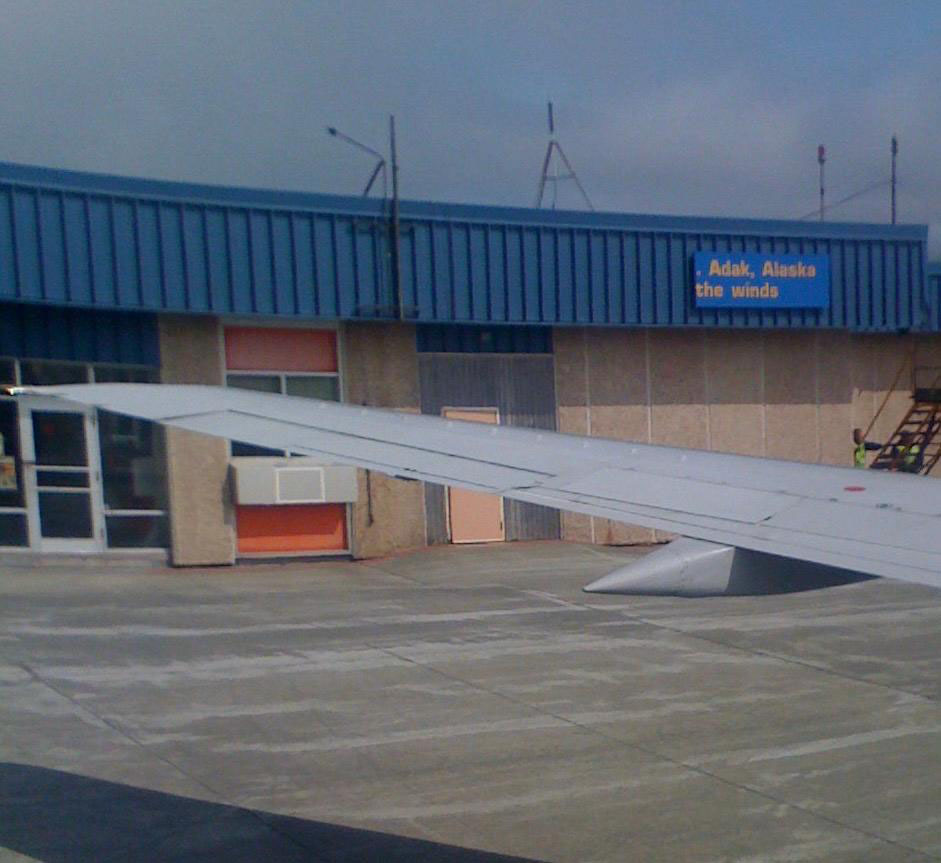
We took a few flying expeditions together. One brought us from Anchorage to Adak, out in the Aleutian Islands. Our ticket on Alaska Airlines gave us only about 35 minutes on the ground in Adak.
When we stepped off the plane, the station manager greeted us at the door: “You must be the Shapiros—you’re the only non-military passengers on the flight. Welcome to Adak.” Then she handed us her car keys. “Here—take my car and drive around the island.”
Dad and I exchanged an excited glance. “What if we miss the flight out?” we asked.
She smiled. “Trust me—you won’t miss it.”
Her car was waiting out front. We explored what we could, grabbed a quick snack at the island store, then returned the car—keys still in the ignition—and boarded with a moment in time to spare.
I have never forgotten her kindness. In that brief encounter, she lived a core Jewish value: to welcome the stranger.
We live in complicated times. Yet moments of simple humanity still bridge time and space with holiness.
With love and Shalom,
Rabbi Zachary R. Shapiro