“If you can’t solve a problem, make it bigger.”
We have all spent the weeks surrounding America’s 250th anniversary being reminded, encouraged and sometimes inspired by lessons from this country’s fight for independence. But the above quote comes from a military leader of somewhat more recent vintage, former president Dwight Eisenhower, who offers advice for those who feel like we’re facing a seemingly unresolvable challenge. Many of us have become frustrated or perhaps frightened by the growing scourge of antisemitism that has reemerged over the last few years, but perhaps there are lessons in Eisenhower’s counsel that can help us move forward.
“Make it bigger” is Ike’s way of telling us that the outlines of a solution often appear when a problem is viewed within its broader context. And what problem could be bigger than antisemitism?
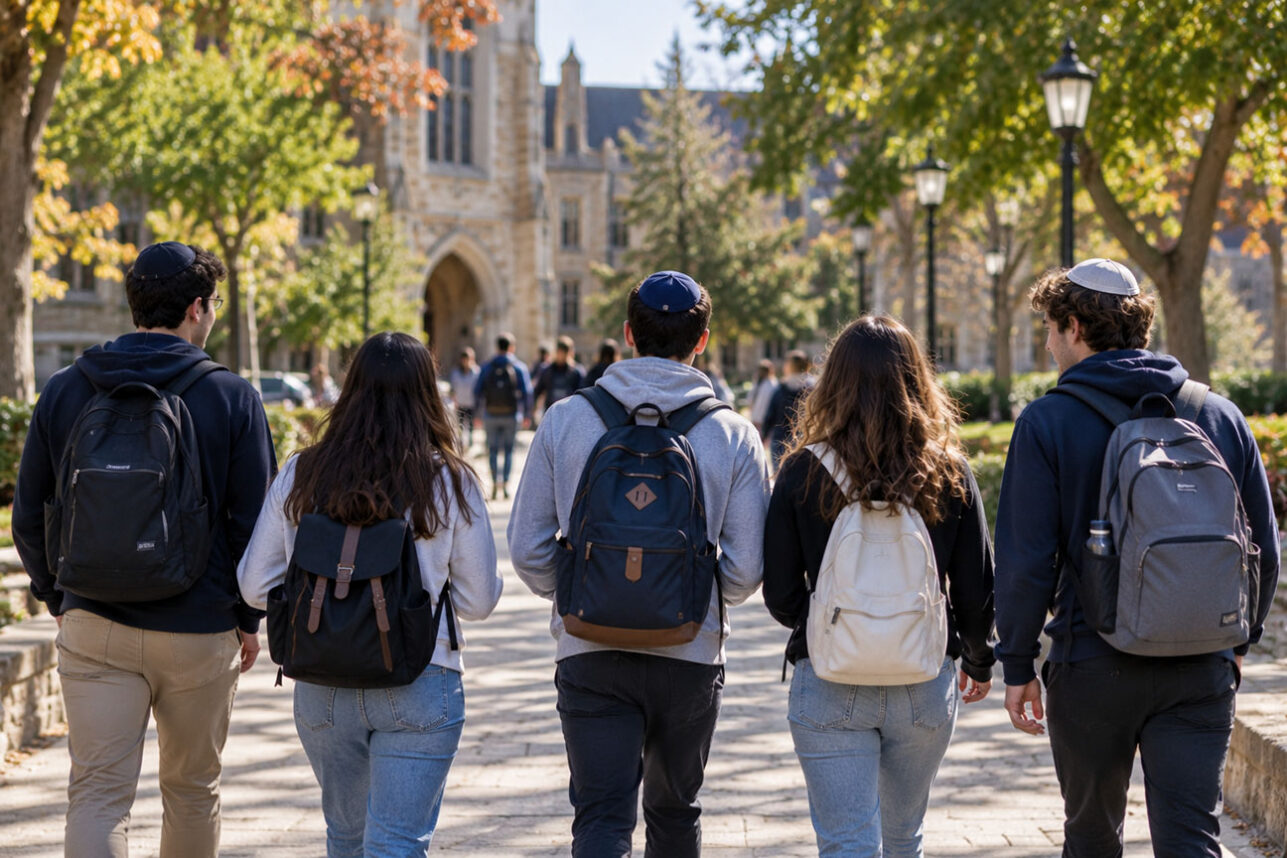
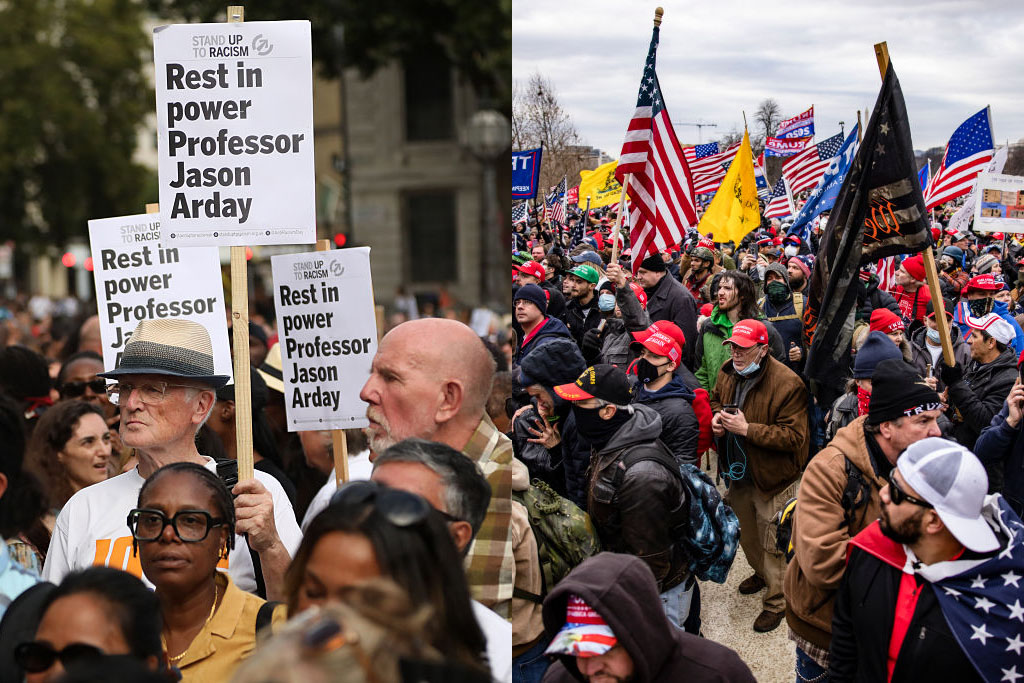
We often regard this type of noxious bigotry as our own singular challenge, and we have been consumed by ongoing debates about how and whether to fight back, over the false choice between assimilation and isolation, and the most effective methods to ensure our protection, safety and security. But Eisenhower’s advice reminds us that the heightened threat of hatred against the Jewish people is but one aspect of a much larger crisis in which our society has become increasingly polarized and dangerously divided.
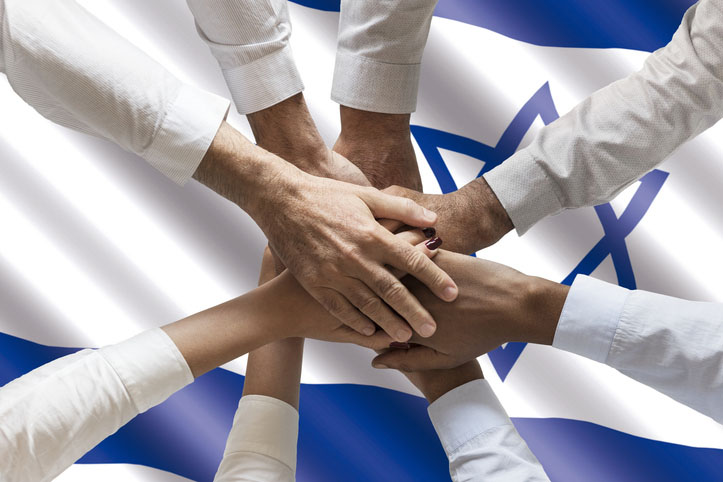
It’s possible that the best way to effectively confront this one intensely personal type of intolerance is by becoming part of a larger effort to improve the environment in which such anger now thrives. If we agree that antisemitism is only one example of a widespread and pernicious instinct toward division and “other-ization,” then it becomes clear that we can only eradicate these animosities as part of a far broader effort.
Jews are certainly not the only underrepresented community in this country that suffers from irrational prejudice and bias. But even beyond the other minority groups that must navigate an overly and unnecessarily hostile landscape, there is a much larger population of exhausted Americans who are waiting and hoping for a level of public discourse that is more civil, more respectful and more enjoyable than the bitterness and acrimony to which we have become accustomed.
One of the oldest and most unsolvable discussions in the Jewish community is over how special we are. Some argue that because we are God’s chosen people, the challenges we face and the obstacles we must confront are fundamentally different that those of other underrepresented communities. Others maintain that our unique status does not absolve us of the obligation to work with others navigating similar difficulties. But the qualities that make us distinct allow us to lead, and the universality of our goals can allow us to join forces with those whose objectives are comparable — but not identical — to ours.
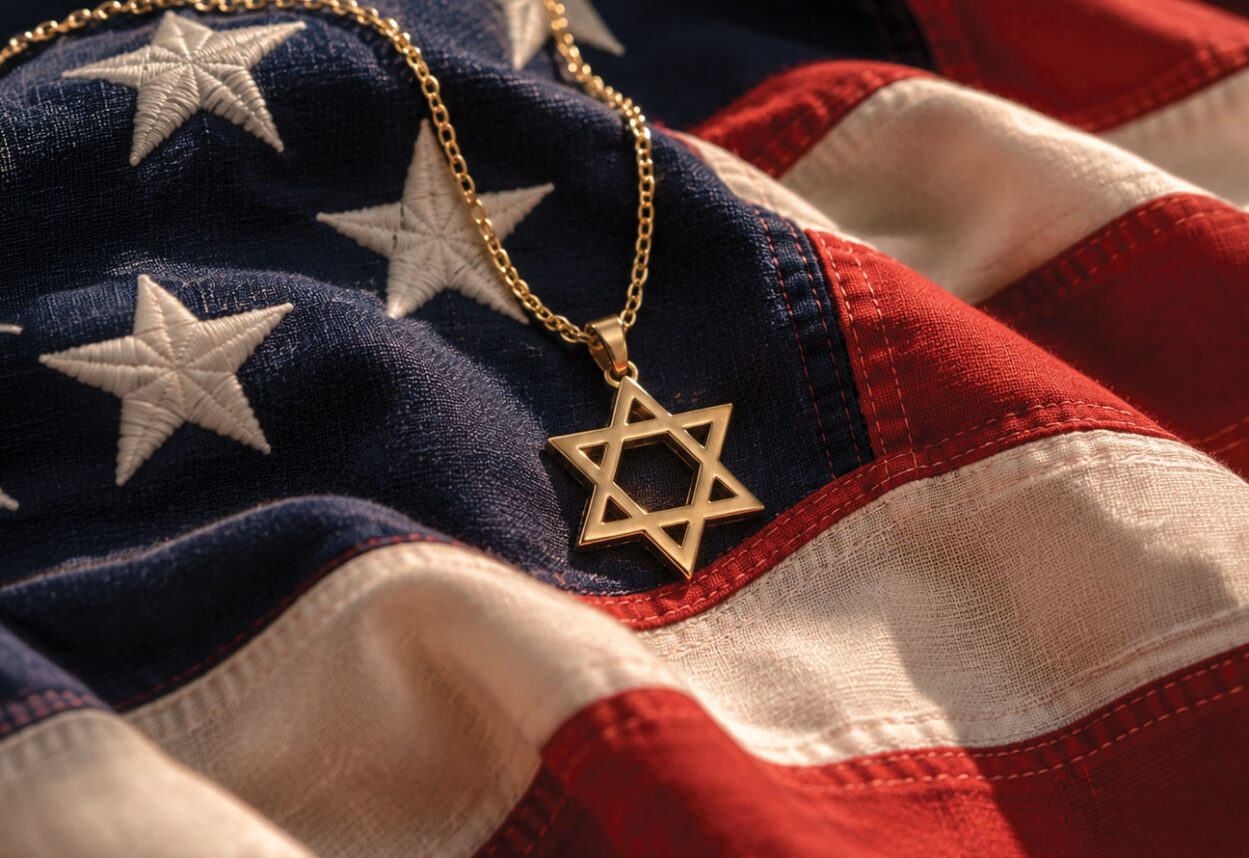
Even as we celebrated the Fourth of July last week, the word “United” that is the most important element of our country’s name may have seemed almost taunting for many of us. We recognize that we are deeply politically and culturally divided, and the path back toward reestablishing that sense of unity will be a long and difficult one. But the first step on that path requires outreach to those who are different, a tolerance to hear them when they disagree with us, and a willingness to find common ground with those who share many – but not all – of our desires and dreams.
Call it patriotism, or if that term itself now seems too divisive, call it civic-mindedness or community-building or any other less challenging language. In addition to our current efforts to fight antisemitism, that will require us to join and to lead these types of broader bridge-building efforts, to be part of projects that create an environment where discrimination and division is less comfortable and where antisemitism is no longer welcome. Achieving such a utopian vision is admittedly improbable, but even the efforts to move even slightly in that direction can be a big solution to the sort of big problem that our former president was encouraging us to meet.
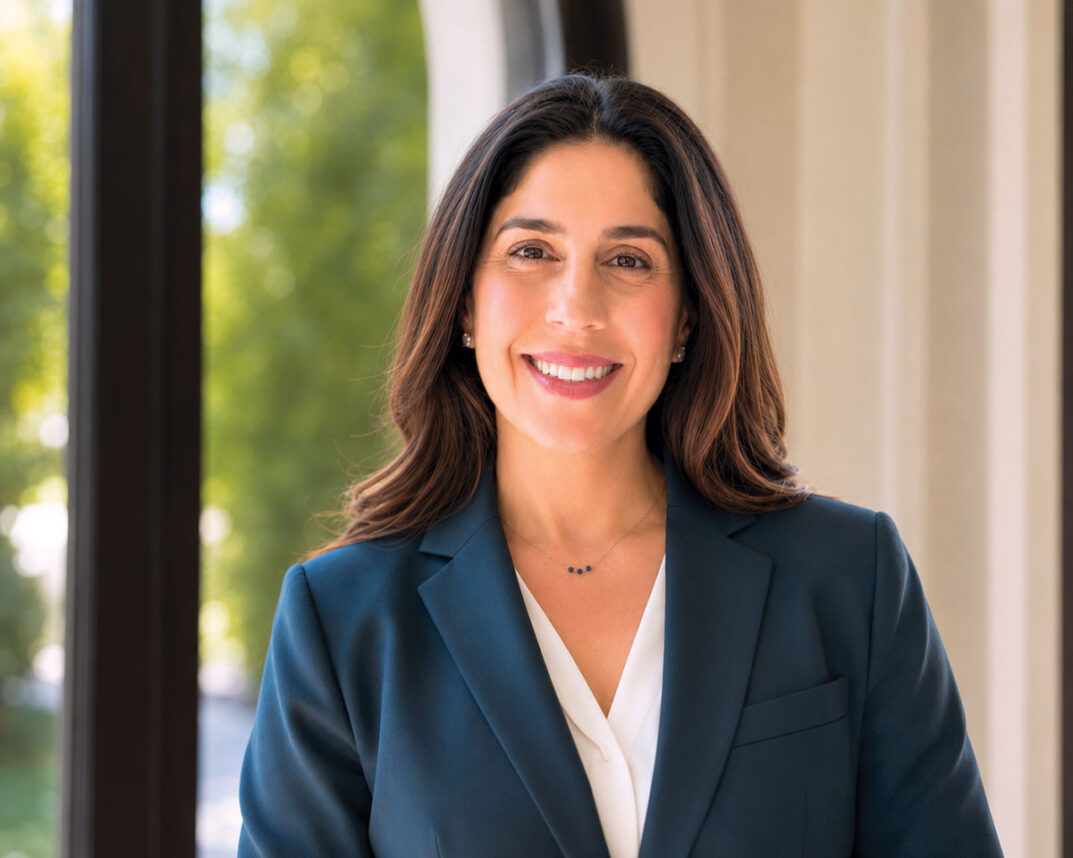
Dan Schnur is the U.S. Politics Editor for the Jewish Journal. He teaches courses in politics, communications, and leadership at UC Berkeley, USC and Pepperdine. He hosts the monthly webinar “The Dan Schnur Political Report” for the Los Angeles World Affairs Council & Town Hall. Follow Dan’s work at www.danschnurpolitics.com