As a Rabbanit in an Orthodox Jewish congregation and as a multifaith hospital chaplain, I have had the privilege of joining people in their most vulnerable moments, sometimes (God forbid) on the worst days of their lives. There is a biblical image that regularly informs my approach to such moments: In the book of Exodus (Shemot 3:5), God says, “Take your shoes off your feet, because the place upon which you stand is holy soil.”. In many cultures, the act of removing one’s shoes immediately symbolizes humility, awe, and vulnerability. In the Torah, I hear God alerting Moses, “This place is holy. Do not hide in the metaphorical comfort of shoes. As you encounter holiness, be fully present in your vulnerability, even painfully aware of the ground beneath you. This is how you answer My call for moral courage and fortitude— seeing what is, as well as what can be.”
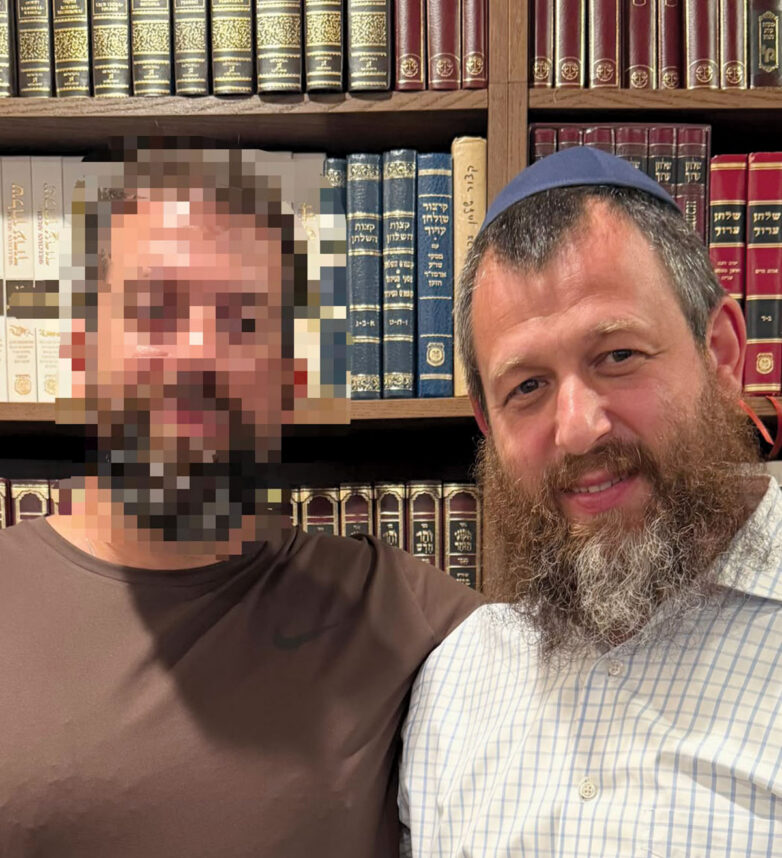
At the American Muslim and Multifaith Women’s Empowerment Council Conference last week, I offered this image in my invocation to frame our holy work together. I mentioned afterward to a colleague that participating in this conference may have been one of the single most powerful and impactful things I have ever done. Led by courageous Muslim women, over one hundred people across faiths came together to combat hate, extremism, and antisemitism. The AMMWEC leadership, Anila Ali, along with Zebunnesa Zubair and Soraya Deen, their AMMWEC fellows, and Sheikh Musa Drammeh showed up with Muslim and interfaith leaders, not only to support their Jewish friends, but to explicitly call out antisemitism at a time when many in their communities will not.
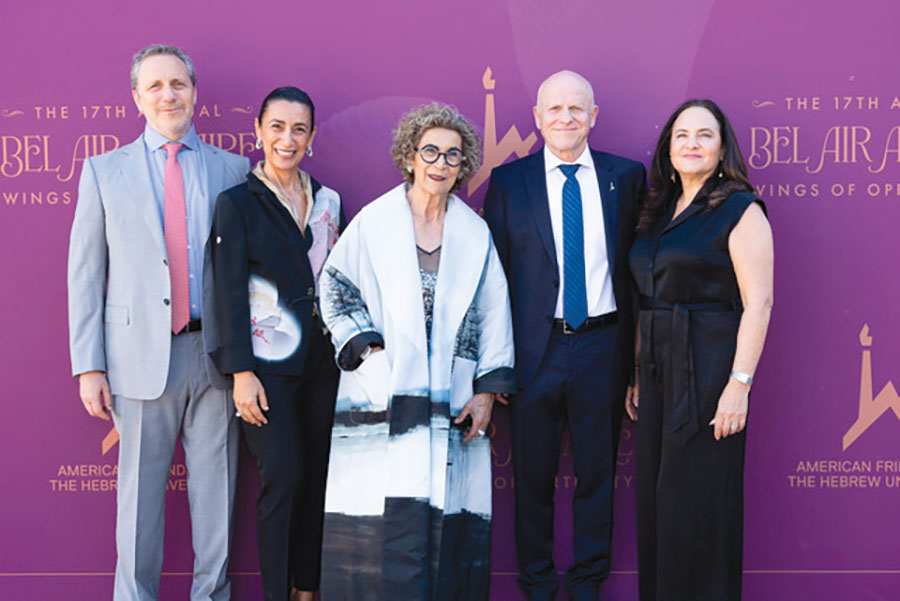
We broke bread, halal and kosher. There was a moment of silence for Sarah Milgrom z’’l and Yaron Lischinsky z’’l, who were murdered as they were leaving an event at the Capital Jewish Museum nearby in DC just a few months ago. Interfaith prayers were offered. There were panels on antisemitism in healthcare and antisemitism in education, as well as panels on how we can build bridges in our home communities through grassroots work. Dr. Miri Bar-Halpern spoke about her and Dr. Jaclyn Wolfman’s recent research on Traumatic Invalidation in the Jewish community, and we learned about the role of social media, which can be weaponized or used to unite us. There was a gala dinner honoring changemakers who are trailblazing these values in their own communities, and the day after, all were invited to Capitol Hill to advocate for stronger legislation against all forms of hate, including the alarming rise in antisemitic violence and religious hate crimes. To combine idioms, we metaphorically removed our shoes and prayed with our feet.
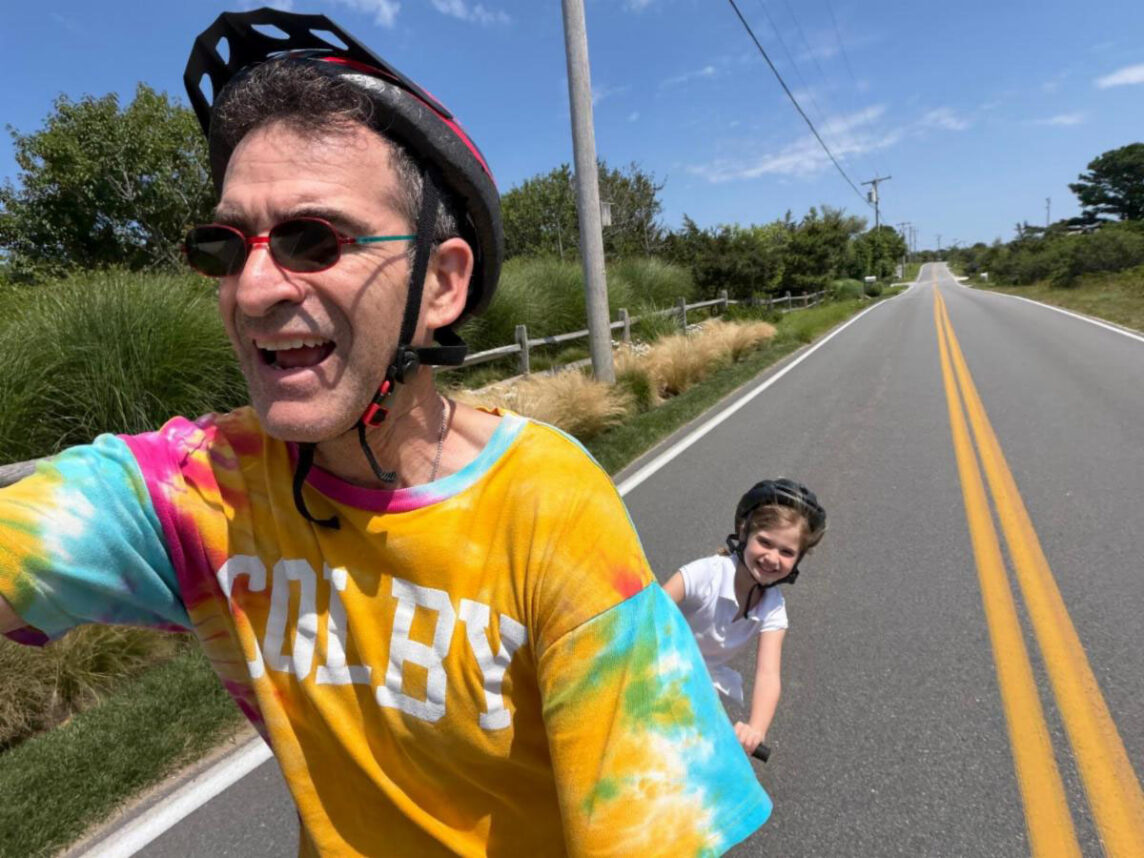
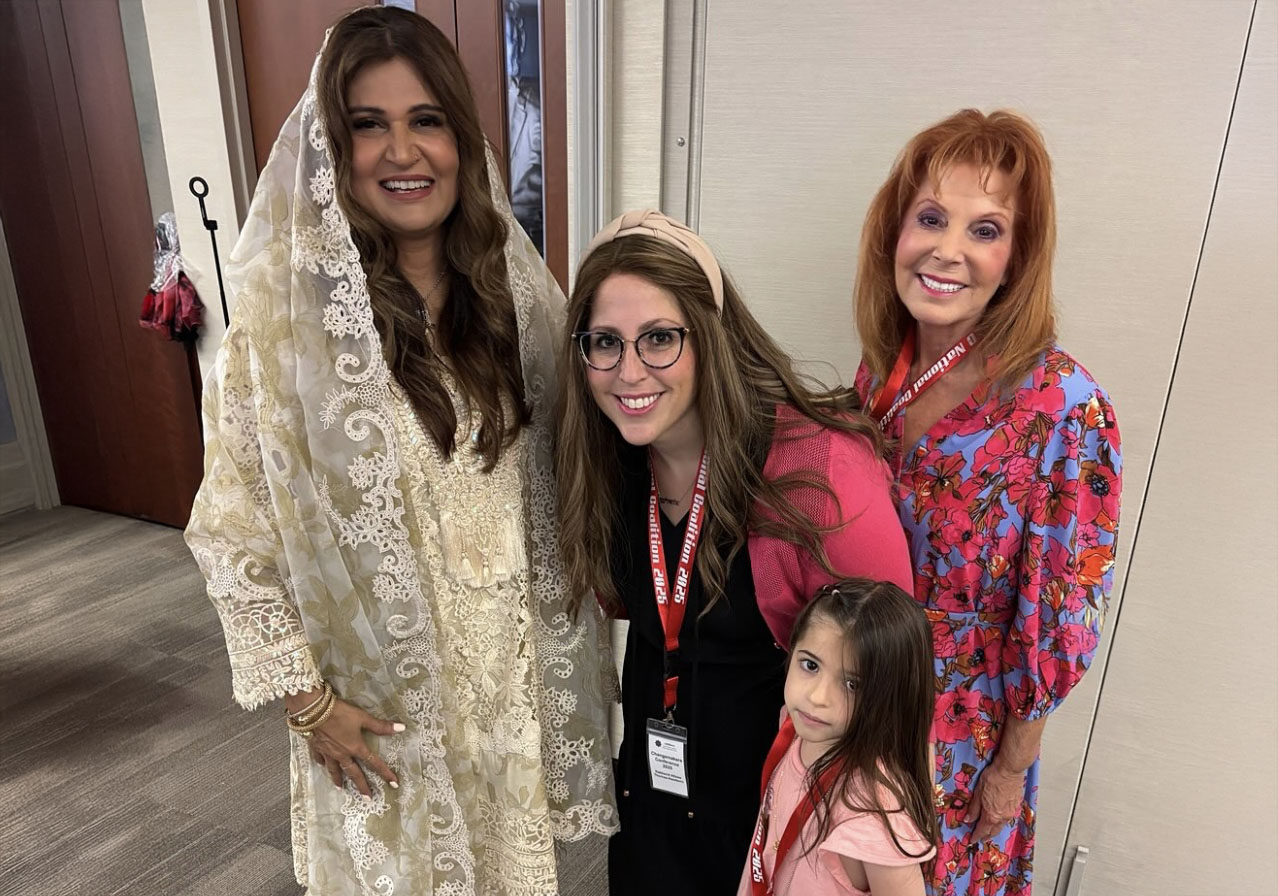
As president of Neshama: Association of Jewish Chaplains, I gave an invocation and was a presenter. But perhaps most importantly, I brought my 5 year old daughter and my mother with me. I wanted three generations of women in my family to be part of supporting this day.
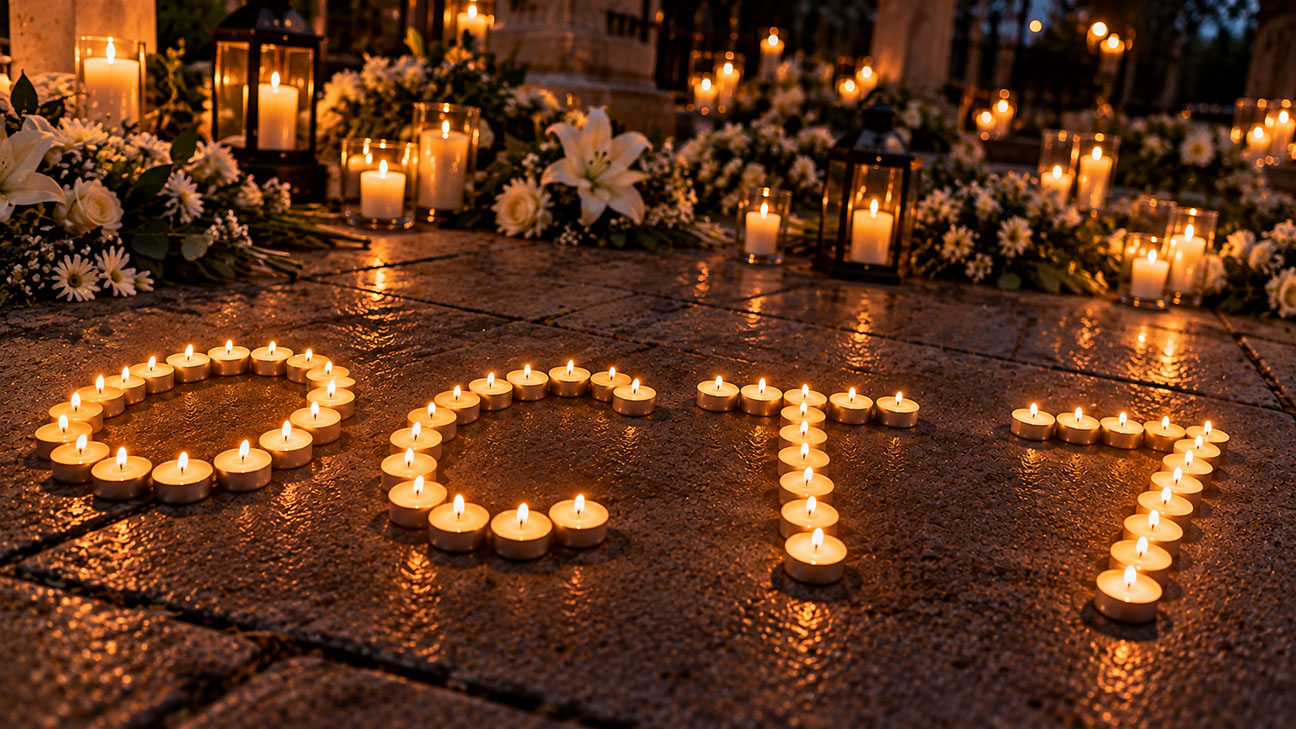
And I was so grateful I did. Other Muslim women brought their children too. Not only was I with others who included their children in this moment, but for the first time in a long time, I was able to physically, spiritually, and psychologically exhale. I was with a large group of interfaith leaders who fully validated and listened to the reality my community has been living since October 7th. They listened, and they joined the Jewish people in combating antisemitism, without apologies or caveats, undeterred by fear of the consequences they would face in their own communities.
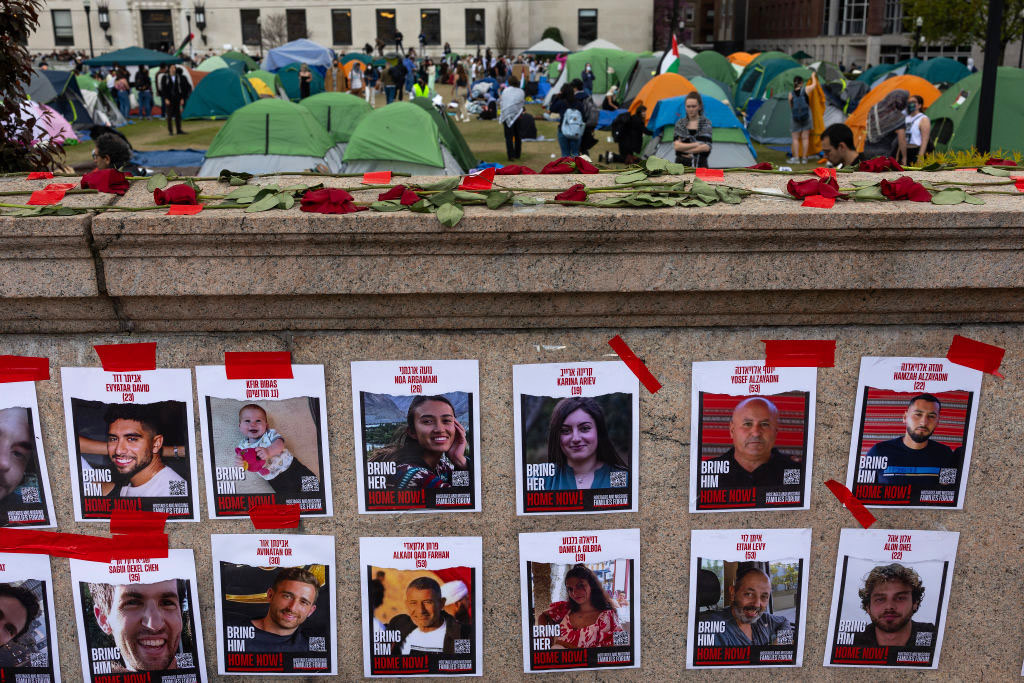
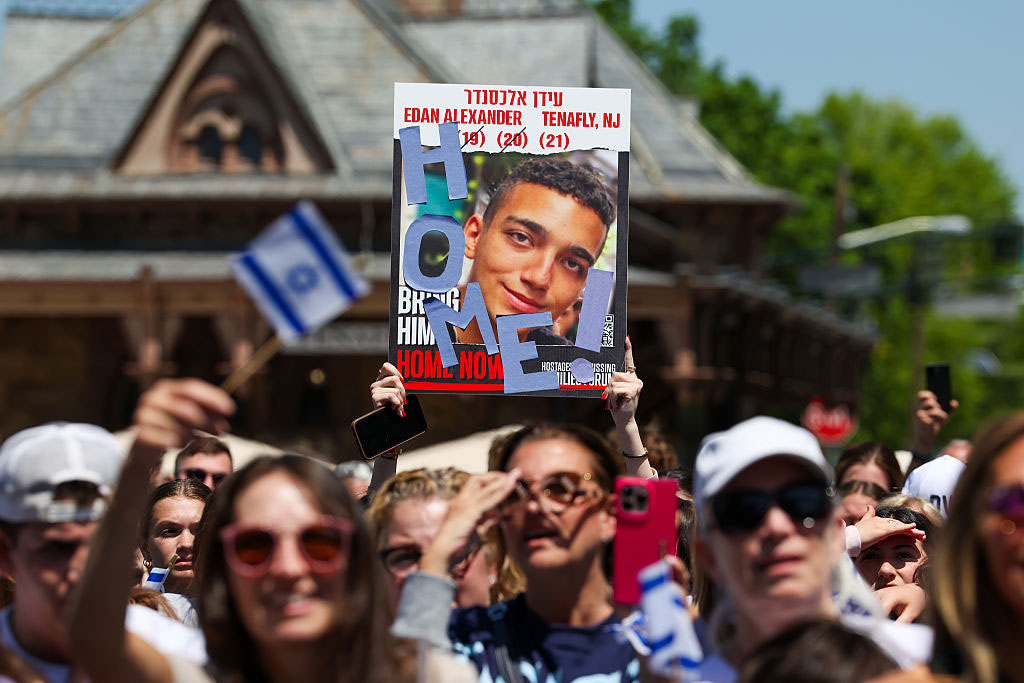
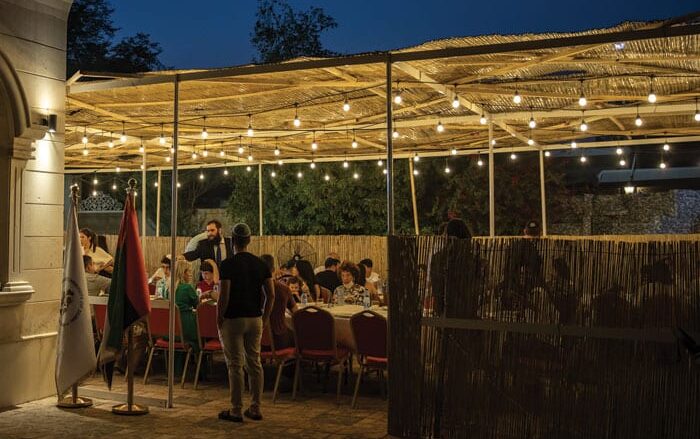
The truth is, many of us had already shown up for each other’s communities when tragedy struck. Among those present, several of us had already spoken publicly together to combat the Uyghur genocide in China. We had already attended vigils when the Hindu community in Kashmir was attacked. We had met with family members of the hostages still held captive in Gaza, not only to witness their stories, but to find out what we could do to help. I had personally met with several of the AMMWEC fellows socially, having visited some of them in their neighborhood in Queens. There, they welcomed me with love and hospitality, showing me the businesses they ran with pride and generosity. I had mourned with some of them when their relatives had passed. And some already knew my daughter, having celebrated my son’s birth and bris together with our family in 2024.
I could finally exhale because I was in a room with so many of the people who had given me hope over the last year and ten months. It was a reunion of souls and an opportunity to meet new partners in true allyship. Upon reflection, I am reminded of the first step in trauma therapy: establishing safety. At this conference, the leaders of AMMWEC created an otherwise elusive sense of safety and hope— both spiritual and psychological in nature. Now, it may sound odd that I felt safest at an interfaith conference on antisemitism. But, then again, it actually makes a lot of sense! None of us was blind to our differences, and we were willing to show up for each other, including to combat hate.
For me, this gets at the key to successful interfaith bridge-building post-October 7th: it has to be relational. We show up, in each other’s lives, in the good times and the bad. As Sheikh Musa (who himself visited Israel immediately after October 7th to bear witness, and who made a point to increase his outreach to his Jewish colleagues) emphasized, “I don’t want to hear about ‘Muslims and Jews meeting’. I want us to be human beings, one family. And nothing will break that. Nothing will happen in the Middle East or anywhere else that will ever tear that. And no rabbi or imam should deal with pain alone…Let’s forget about the talking. Let’s forget about the books. Let’s go back to the heart”. No more ‘interfaith dialgoue’– instead we show up for each other with courage, love, and humility.
After the conference, one of the Muslim women leaders called me. She said one of AMMWEC’s supporters was at the end of life and in need of prayer. She would say the Muslim prayer, but she asked if I could say the Jewish prayer. And so, over the phone, we prayed together. She reflected afterward that what our communities are truly up against now, is “a human-to-human problem. We need to build real relationships”. I thank her and AMMWEC for modeling the kind of path I want not only for myself, but for my children.
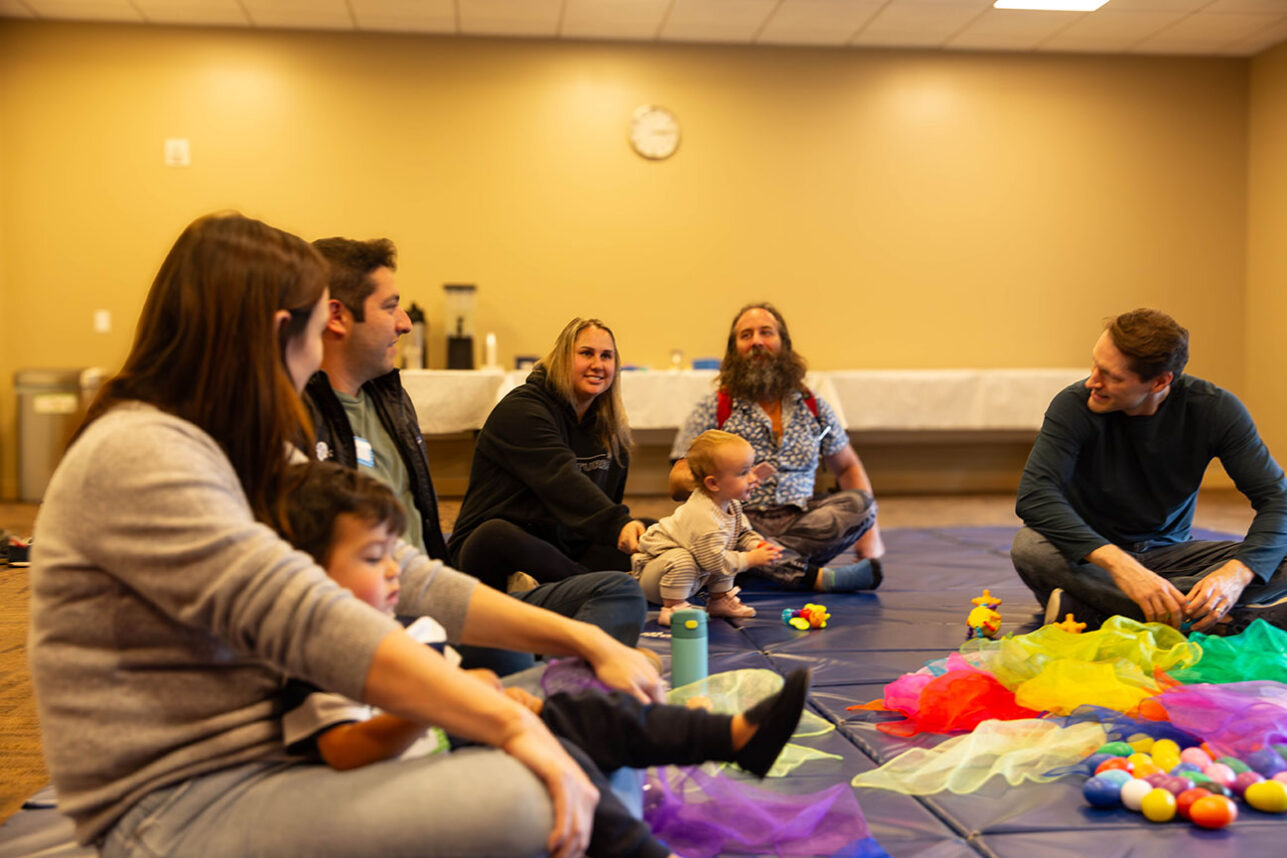
So what comes next? I am excited to share that with the support of Atra and the Russell Berrie Foundation, this year I will be working with local interfaith leaders in New Jersey to pilot a grassroots initiative to begin building these real relationships locally between neighbors. In partnership with some amazing local Muslim, Jewish, Hindu, Catholic, and Christian leaders, we will come together in “Culinary Conversations” to create positive experiences between our communities. We will cook dishes from our different cultures together (kosher, halal, and vegetarian) in a community center, and we will invest in building trust and connection, showing up for each other. We will enjoy learning recipes that come from our different cultures and communities. The food will come from a menu created by our interfaith grassroots leaders, in partnership with a local caterer. We will taste the foods together and then send food home as a way of addressing local food insecurity, doing a good deed together. In this way, we will move from words to action, and God willing over the course of 7 months, we will cultivate real investment in each other, in a way that allows everyone to come to the table with open hearts, without minimizing anyone’s trauma or pain, and with a eye towards our shared humanity and relationship as neighbors. The goal is for this to be replicated in small communities across the country. If you are interested in bringing this effort to your community, please contact me at rabbanitalissa@gmail.com.
It is not lost on me that the AMMWEC gathering took place during The Three Weeks, the saddest time of the year in the Jewish calendar, when tragedy has plagued our people most throughout history. It leads up to Tisha B’Av, when we tell the story of our greatest suffering, when we re-live our traumas and mourn together as a nation. On Tisha B’Av, we will mourn the calamities of the day, as well as those murdered on October 7th, during the Holocaust, Spanish Inquisition, and more. We will mourn the destruction of the Temples, which exemplify when God’s presence is (or appears to be) removed from this world. Last Tisha B’Av, I focused on the line from Psalm 121, “From where will my help come? From God, Maker of heaven and earth.” I remember reading this with heartbreak, emphasizing how help would not come from man. This Tisha B’Av, I am grateful to read this line with renewed hope. From where will our help come? Certainly from God, Maker of heaven and earth. And also God-willing, from earth. From God’s creations who have the courage and vision to show up for each other.
(With gratitude to Hadassah, Neshama: Association of Jewish Chaplains, Jewish Orthodox Feminist Alliance, Yeshivat Maharat, and many others for co-sponsoring with AMMWEC)
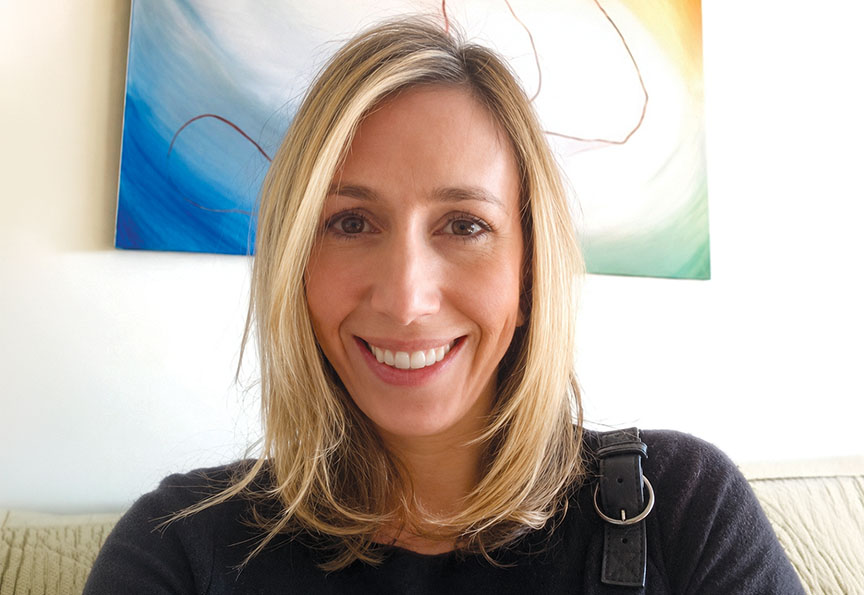
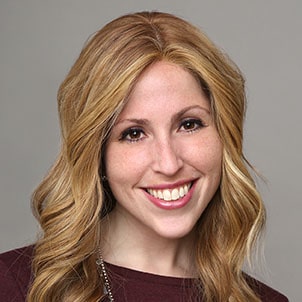
Rabbanit Alissa Thomas-Newborn, BCC is the Rabbanit at Congregation Netivot Shalom in Teaneck, NJ. She is also a hospital chaplain and the president of Neshama: Association of Jewish Chaplains.