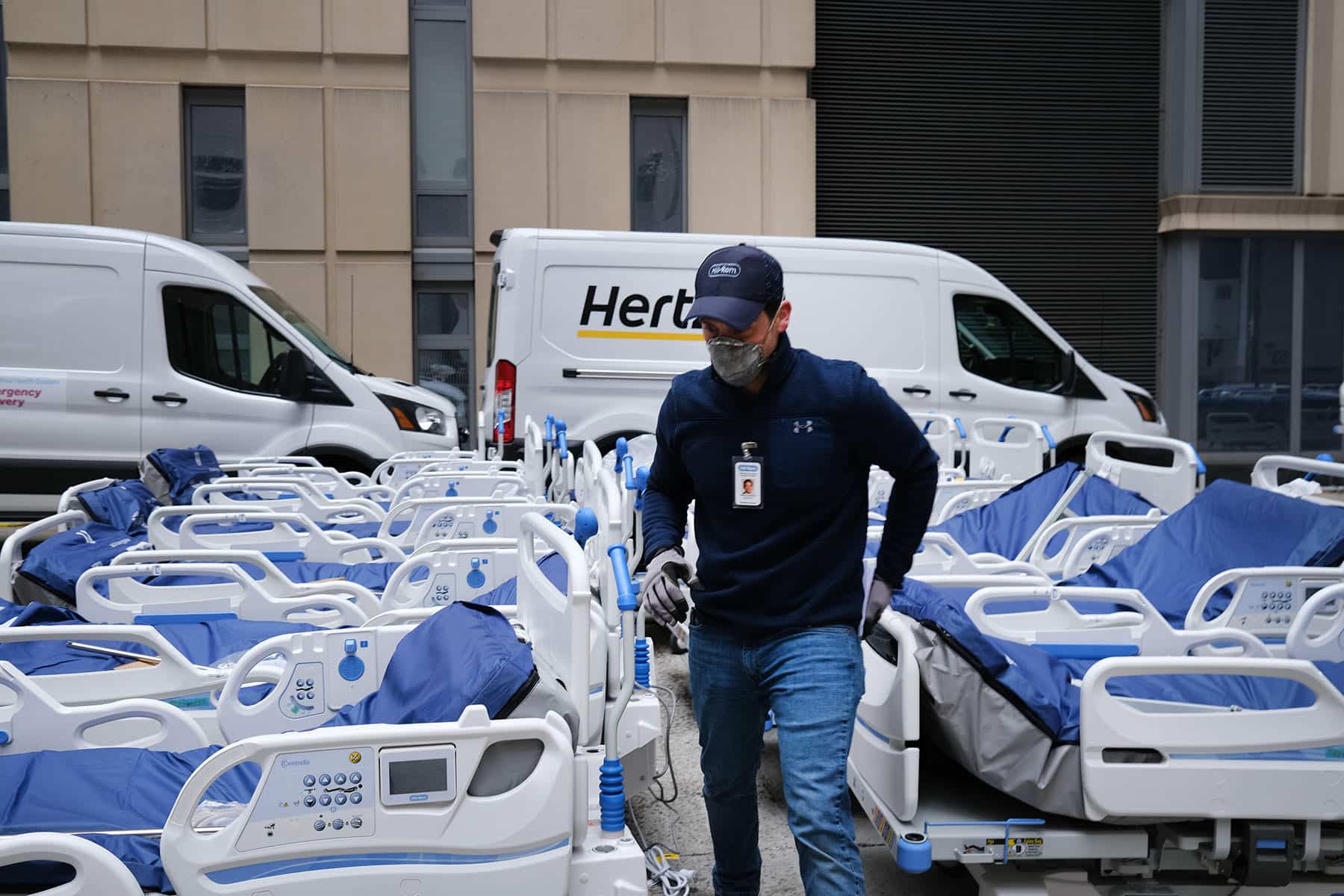
The U.S. economy is in virtual freefall. Millions of Americans are losing their jobs and livelihoods. Thousands are dying from the COVID-19 virus, while hospitals and health care workers can barely keep up. And around the world, the virus is no less devastating.
As the darkness of the pandemic stares us in the face, I’ve been seeing more and more commentaries trying to “explain” why this plague is upon us. The point is to tell us there’s a “message” to this nightmare, either from God or karma or some other higher source.
It’s a wake-up call, we’re being told, a detox for humanity. We were consuming too much, fighting too much, polluting too much, wasting too much. It’s as if humanity has messed up, and the virus is our penitence.
If you listen to Pope Francis, the pandemic is “certainly nature’s response” to humanity’s apathy toward the “partial catastrophes” of climate change.
Some mystics believe the global pandemic is a sign the Messiah is on its way. Others believe it’s some kind of sinister conspiracy.
It’s a wake-up call, we’re being told, a detox for humanity. We were consuming too much, fighting too much, polluting too much, wasting too much. It’s as if humanity has messed up, and the virus is our penitence.
I understand this impulse. It’s tempting to make sense of a catastrophe by turning it into a transcendent message. It helps us “frame” the darkness. It gives it meaning. It makes us feel better.
We can go too far, however, in trying to interpret the unknown. Right now, all we know is how much we don’t know. All of us, experts included, are fumbling through the fog of a uniquely vicious war and improvising as we go.
No one has any idea, transcendent or otherwise, what this pandemic means. The only thing we know for sure is that it’s a bloody disaster.
Yes, there’s always an opportunity to look for light in the darkness, but an opportunity is neither a message nor an explanation. It’s simply something useful we can see.
We can see, for instance, that in these pandemic times, many families are reconnecting, people are going through deep and meaningful introspection, empathy for others is spreading, the earth is getting cleaned and traffic deaths have been drastically reduced.
When we try to explain or interpret calamities, we’re more likely to overlook victims and the harsh realities on the ground.
But none of this light, however consoling, can explain, much less justify, the devastation being inflicted on humanity. When we try to explain or interpret calamities, we’re more likely to overlook victims and the harsh realities on the ground. We put ourselves on a higher plane, in an all-knowing position, as if we can control or dominate the calamity itself.
As I write, the pandemic has killed more than 20,000 in the United States and put more than 16 million out of work. The numbers are only getting worse. Last Friday was our deadliest day, with 2,057 deaths.
There is no message or “explanation” that can console those who are grieving and suffering. There is only a dark reality.
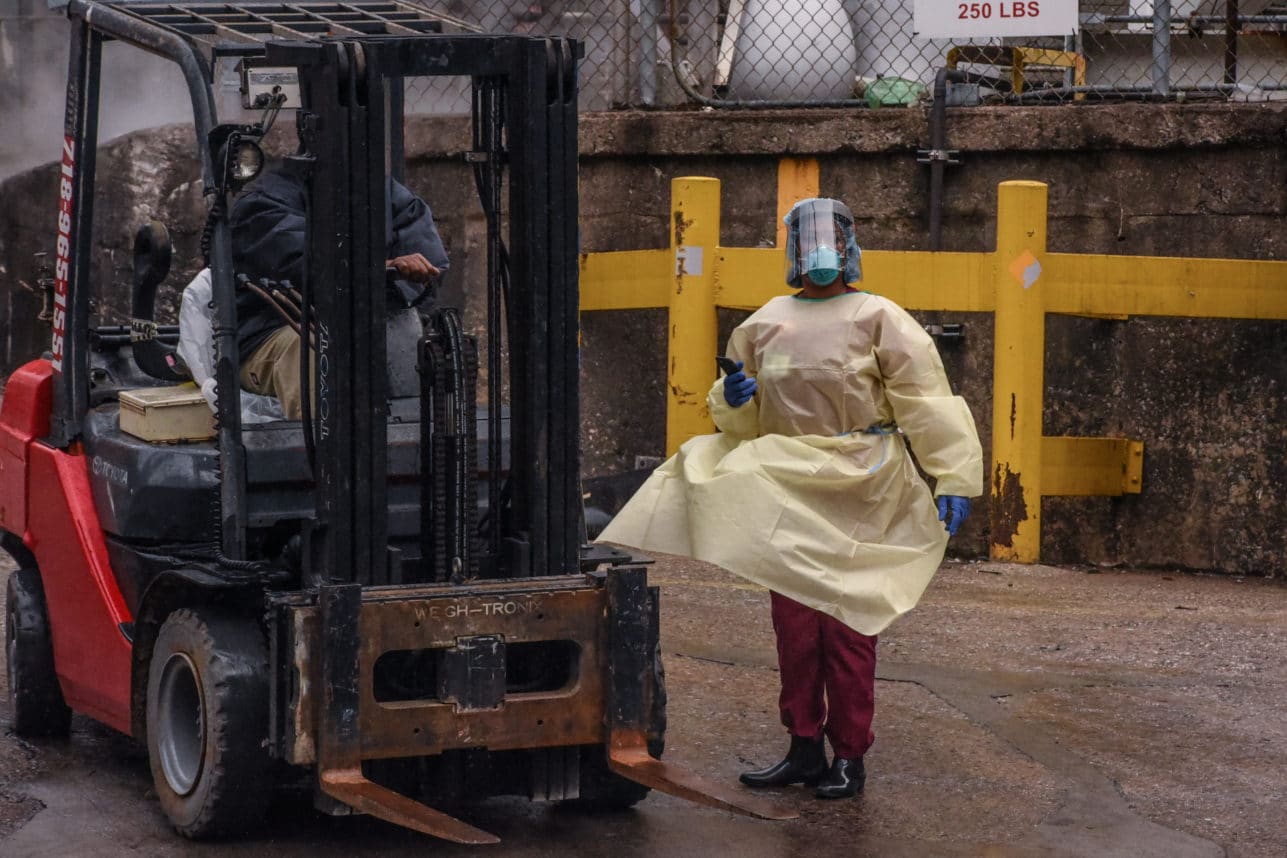
But that reality also includes, as Jonah Goldberg writes in The Dispatch, “the people doing small acts of kindness, the people making masks and sending meals for health workers, the people voluntarily staying put when staying put has enormous consequences, the countless corporations and universities dropping everything to work on ventilators, masks, vaccines, tests, etc., and the countless charity groups and voluntary associations jumping into the fray.”
Jumping into the fray to help the less fortunate is the primary message we need right now. Promulgating speculative and consoling “reasons” for the coronavirus can only distract us from the responsibility at hand– which is to fight the pandemic as hard as we can.
If we can find some light and meaning along the way, if we can use these sobering times to learn valuable lessons, to become better humans, to clean up our planet, to improve our relationships— that’s all for the good. This growth is our private journey. We can decide for ourselves what the “message” is.
We’ve been humbled. Let’s accept it. Not everything must happen for a reason. For a world under siege, there is no redeeming reason for the COVID-19 disaster.
There are hidden blessings, certainly, but right now, above all, there is a glaring need to keep fighting, each of us in our own way, until we all get through this darkest of tunnels.
There are hidden blessings, certainly, but right now, above all, there is a glaring need to keep fighting, each of us in our own way, until we all get through this darkest of tunnels.