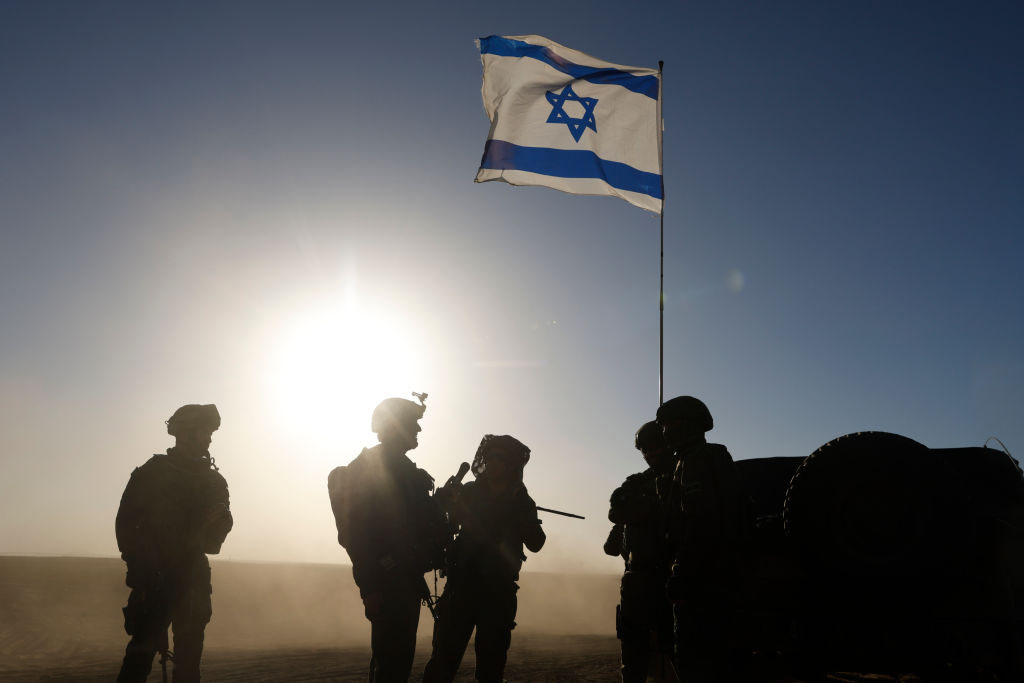
The Gaza War was always destined to be a uniquely complicated and violent mess.
First, Israel had no choice but to respond ferociously after 1400 of its civilians were brutally murdered, raped, beheaded and abducted on Oct. 7, 2023. At that point, holding back on severely punishing Hamas and regaining deterrence was the last thing on any Israeli’s mind.
Second, Prime Minister Netanyahu, who had long billed himself as Mr. Security and was in power during the monumental breakdown of Oct. 7, was forced into maximalist positions like “destroying Hamas” and “total victory,” positions that, while in sync with an enraged population, were anything but clear and unambiguous and set up the “forever war” dilemma.
Third, the presence of 250-plus hostages and a labyrinth of terror tunnels among two million civilians in Gaza made it impossible for Israel to avoid huge civilian casualties AND fight a war of “total victory.”
And finally, Bibi’s far-right coalition partners, who’ve dreamed of resettling Gaza since the evacuation of 2005, became the #1 stumbling block to any ceasefire–hostage deal, given that it has zero interest in ending the war.
In short, Israel met a perfect storm of factors that led to the deaths of an estimated 50,000 Palestinians, accusations of genocide and arguably the worst stretch of bad press in the country’s history. Sure, Hamas started the war and by using its own people as human shields should be held ultimately responsible for the tragic results of the war. But that context means little when the casualty metrics are so brutal against Israel and much of the world already has it in for the Jewish state.
In a sense, Israel was forced into a nasty trap where a justified war inevitably led to Israel looking like a war criminal, notwithstanding the remarkable military accomplishments against Hamas in the toughest possible terrain.
What is perhaps most galling is that in other danger zones like Lebanon, Syria and Iran, Israel had the exact opposite experiences that it had in Gaza– clean, strategic victories with minimal casualties and international support.
And yet, despite this significantly improved security outlook, Gaza will remain an albatross around Israel’s neck, not least because an end game is still far from view with Hamas determined to survive in any form.
Even assuming we can reach that end game, we can only look forward to the world press re-entering Gaza and reporting on the utter devastation, unleashing yet another avalanche of bad press for Israel and all that entails on college campuses and city streets.
While we can certainly envision a more hopeful future with an expanded Abraham Accords and Israel becoming a crucial resource in a more stabilized region, the violent mess in Gaza will remain a dark spot for Israel for the foreseeable future.
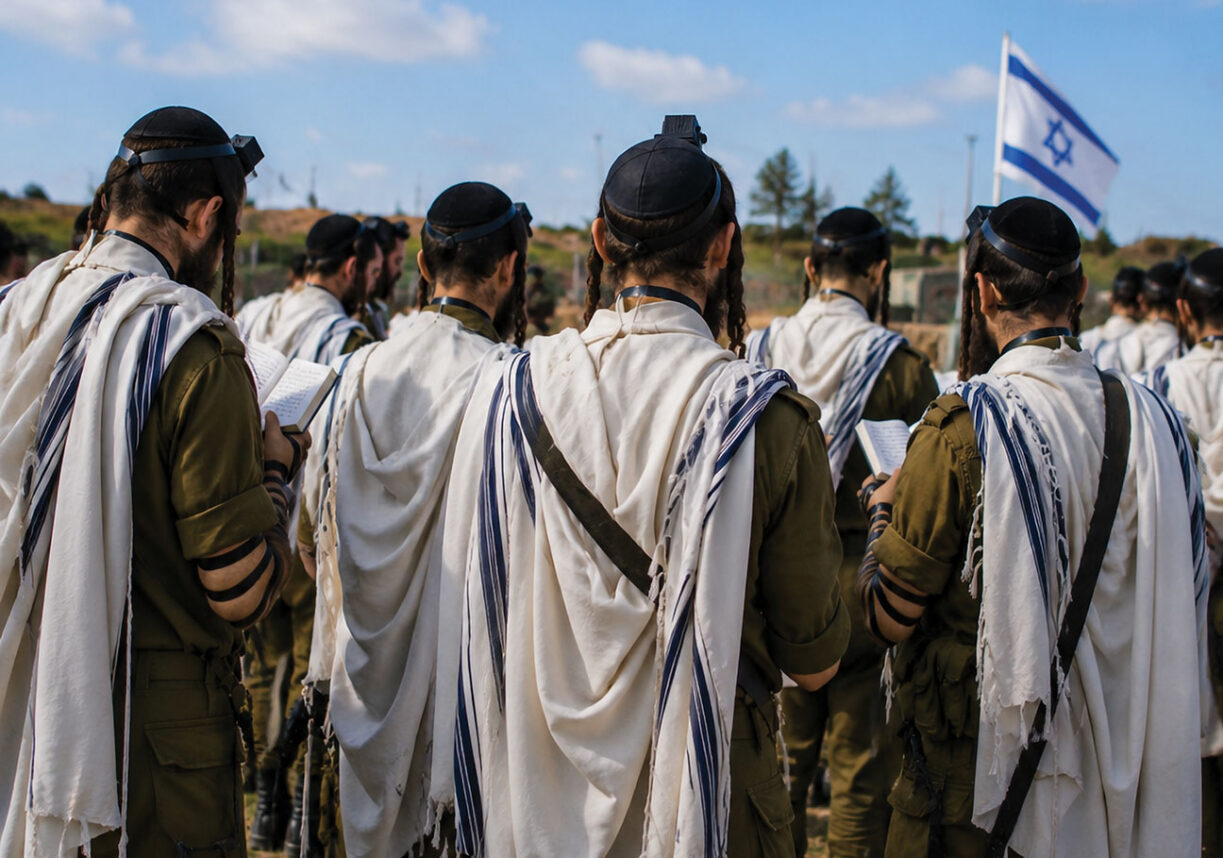
Israel must brace itself. The internal divisions around such fundamental issues as the Haredi draft, the hostage crisis, the judicial reforms and the Gaza end game will only make things worse. And the growing accusations of genocide from around the world will keep Israel under diplomatic siege.
The twin consolations for Israel supporters is to hope for new elections and a governing coalition that doesn’t include extremists, and to remember that the future looks a lot more promising than the present.