
In cities like Los Angeles, where affordable housing is increasingly out of reach, I propose a vision for a new Jewish initiative called “Door to Door” that would address the staggering shelter costs for both older adults and younger generations. If adapted, this program would directly address pressing housing challenges by connecting seniors with spare bedrooms to young people searching for a place to call home. The goal? To create mutual support, community, and connection within the Jewish community one household at a time.
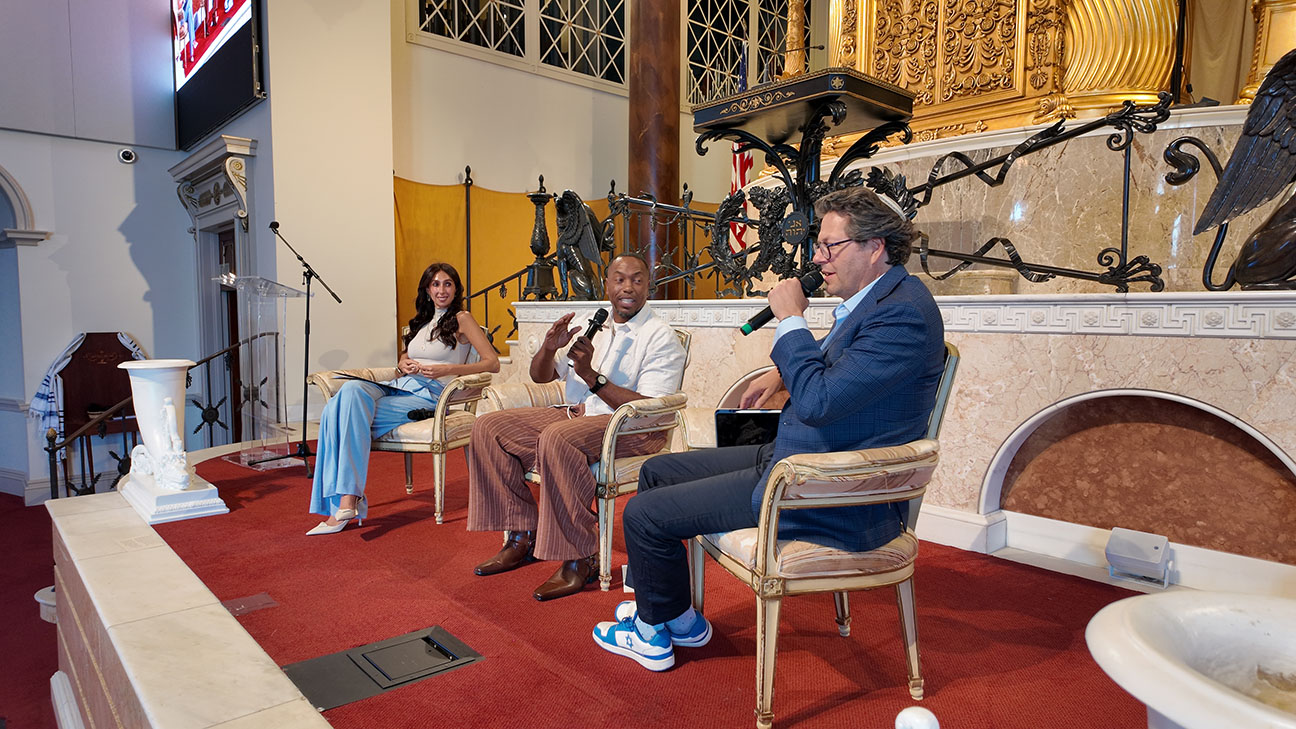
Inspired by a recent event produced by the USC Casden Institute and the USC Davis School of Gerontology titled “Honor your Father and Mother: How the Jewish Community Can Support Our Senior Citizens in Los Angeles in a Climate of Housing Insecurity, Food Insecurity and Rising Healthcare Costs”, the “Door to Door” program is more than just a housing solution; it’s a practical adaptation of the Hebrew phrase le dor va dor which so appropriately means “from generation to generation.” The event highlighted the urgent challenges faced by seniors in Los Angeles, bringing together experts, advocates, and community members to explore innovative ways to address these issues and reaffirm the importance of intergenerational support. At its core, the program would match older homeowners or renters who have extra space with younger adults seeking affordable accommodations. This mutually beneficial arrangement not only provides relief for those struggling with housing expenses, but also combats loneliness and social isolation among seniors, while offering younger adults a welcoming and nurturing environment.
Carefully designed to foster intergenerational relationships woven together by the common thread of Jewish values and continuity, “Door to Door” would draw on the Jewish tradition of caring for one another and building resilient communities with a sense of shared responsibility to care for our senior members who are often left behind when one’s wealthspan does not match one’s lifespan. The program aims to cultivate meaningful connections through shared meals, cultural celebrations, and collaborative activities, encouraging participants to learn from each other’s experiences and strengthen communal ties that unify one generation to the next in meaningful and sustainable ways.
For older adults, including our community of Holocaust survivors experiencing these aforementioned challenges, participating in “Door to Door” offers a host of meaningful benefits. Specifically, by welcoming a younger roommate, seniors can continue to age in place in familiar surroundings. The extra income from renting a spare room helps supplement retirement budgets, easing financial pressures. Just as importantly, regular companionship reduces feelings of social isolation, while younger housemates can lend a hand with daily tasks, errands, or technology to bridge the digital divide.
For younger participants, “Door to Door” provides a rare chance to secure affordable housing in high-cost areas like Los Angeles. Many young adults today face daunting student debt and uncertain job prospects, especially as artificial intelligence reshapes the employment landscape. By joining this program, they not only find a safe and welcoming place to live but also form meaningful relationships with older community members—gaining wisdom, support, and a sense of belonging.
Safety and harmony are at the heart of “Door to Door.” Every applicant would undergo a rigorous background check, and the program includes a thoughtful matching process to ensure compatibility in lifestyles and expectations. This careful approach helps build trust and sets the stage for lasting, respectful partnerships between generations. The program benefits from best practices developed by ALA Shared Housing and Nesterly, which prioritize safety and compatibility for participants.
In essence, “Door to Door” is more than a housing program—it’s a movement to strengthen Jewish community bonds and honor the wisdom of our eternal values embodied by the concept of le dor va dor. As housing challenges persist, programs such as this remind us that it does take a village. These efforts don’t just provide shelter; they build resilient communities where every member feels valued, connected, and empowered to contribute. Who will join me in bringing this vision to fruition? Together, we can shape a future where every door opens to opportunity, compassion, and the enduring spirit of our people.
Lisa Ansell is the Associate Director of the USC Casden Institute and Lecturer of Hebrew Language at Hebrew Union College-Jewish Institute of Religion Los Angeles.