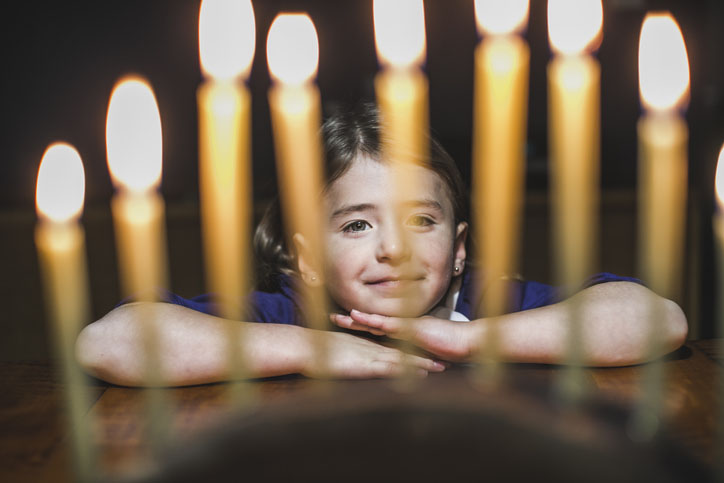
The month of Kislev brings back moments of Jewish sacred and treasured time. Cheshvan, the one month in the Jewish calendar without a holiday, passes the torch, quite literally, on the wheel of the Jewish calendar, rekindling for us all a way to celebrate, experience joy and acknowledge heroes in our history. Sometimes referred to as MarCheshvan, “mar” meaning bitter, it reflects how empty and forlorn we are as Jews when our calendar feels barren, when we don’t have an important marker to acknowledge, commemorate or observe. As December appears, we anticipate, with delight, the holiday of Hanukkah, filled with song, dreidel spinning, delicious fried delicacies and, of course the brilliant flow of lights atop delicate-colored candles.
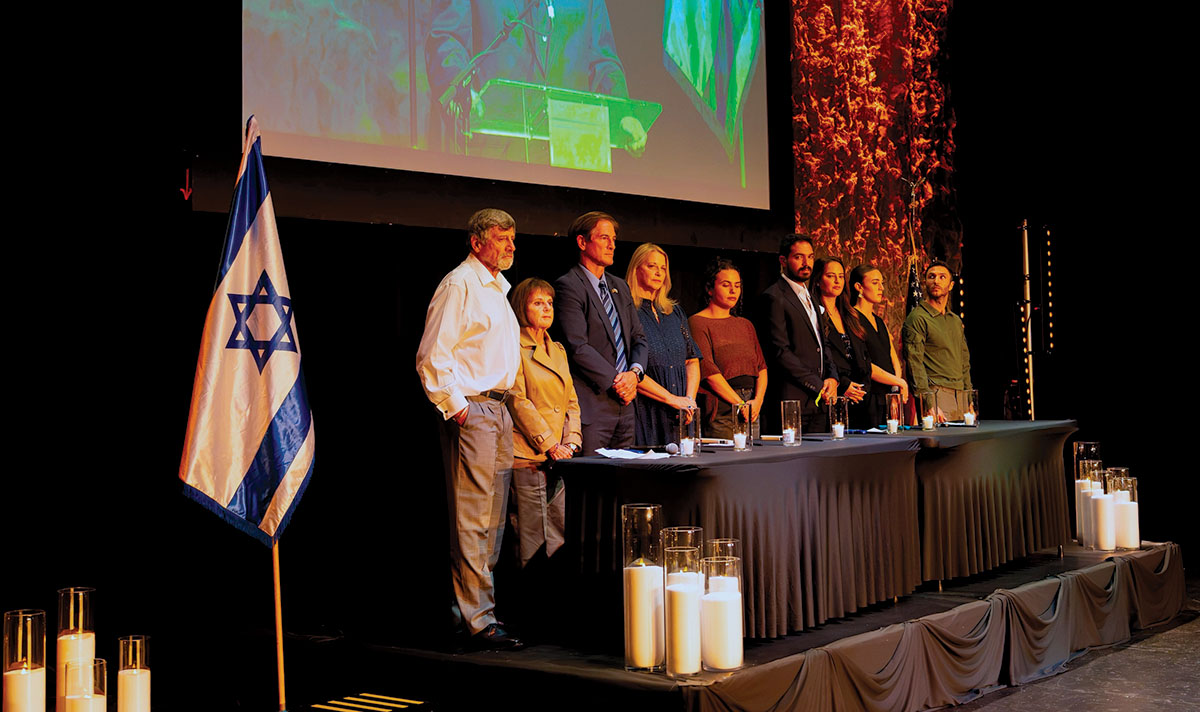
As the days shorten and darkness pervades, we welcome the glow of candlelight, with all that it means physically, spiritually and metamorphically. In a world filled with darkness from the hatred we see around us triggering internal fear of antisemitism and terror for immigrants amongst us, as well as a lawless and immoral political climate, we so desperately need the warmth and promise the flame brings when we stand for a mindful moment gazing as it twirls and dances before us. The beauty of the light, burning bright, fills our souls, renewing something we as Jews value more than anything, hope. The word Kislev means hope, as we see in Psalm 78, “They might set ‘their hope’ (Kislam) in G-d.” The month comes to remind us that even in darkness we can find the light of hope; “Even the darkness is not dark to You; the night is bright as the day, for darkness is as light with You,” Psalm 139.
While Kislev reminds us of embracing hope, Hanukkah means dedication. Finding sparks of goodness within the days we engage in, our work and life, we then come to consecrate ourselves to our tradition, the values and principles on which it stands. For eight days we set aside sacred time to be reminded of the past when a band of brothers committed themselves to withstand the pressure and power of the heathens that ruled our land. They stood up and fought retaking our holy Temple, then immediately purifying and cleansing it of filth and depravity. They lit a small flame that burnt mightily for eight days bringing continuous light to emblazon on the hearts of our people, strength, courage, and pride.
Oct. 7 reminded us of how vulnerable and targeted we can be, and though many question “how” and “to what extent” we responded, we all must take great pride in knowing that men and women in Israel are willing to, once again, stand up and protect Jews. Hanukkah, in America, has come to be part of the growing cultural emphasis on gifts, yet we so need and welcome the glowing lights that sparkle throughout the city, the magic of music that pervades the airways, and the comfort food that satisfies our appetites and emotional well-being.
In the Zohar we read of the blessings that flow upon us, that filter down from the highest rungs of the Tree of Life, through seven earthly emanations till they fill Her, the feminine indwelling of the Holy One, Shechinah, who then pours them upon us. We in turn bless G-d, praising Hashem, blessing the Hanukkah candles and the prayers of the Hallel: “Wherever Israel praises the Blessed Holy One from below, G-d’s glory ascends consummately … For blessings to be received, they descend from above to below, radiance of radiancies, ascending and descending, they are treasured away …”
Sparks of holiness are released in all that we engage in during Hanukkah – through the tasting and ingesting the sacred nourishment released from our food, through hearing, singing and feeling the vibrations of joyful musical notes, and through seeing and envisioning dancing flames upon candles that move with grace, inspiring our commitment once again.
It is truly in darkness, the night which starts the Jewish day, that we come to face our fears and uncertainties, to find the glow of light that reignites faith, hope and possibility. May this coming sacred time bring blessings and joy and let peace reign throughout the world.
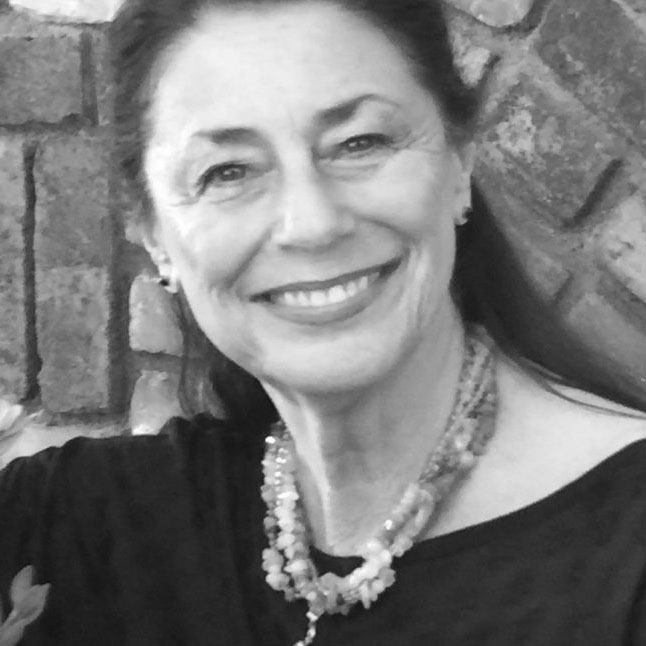
Eva Robbins is a rabbi, cantor, artist and the author of “Spiritual Surgery: A Journey of Healing Mind, Body and Spirit.”