
Rock of Ages, let our song, praise Thy saving power;
Thou, amidst the raging foes, wast our sheltering tower.
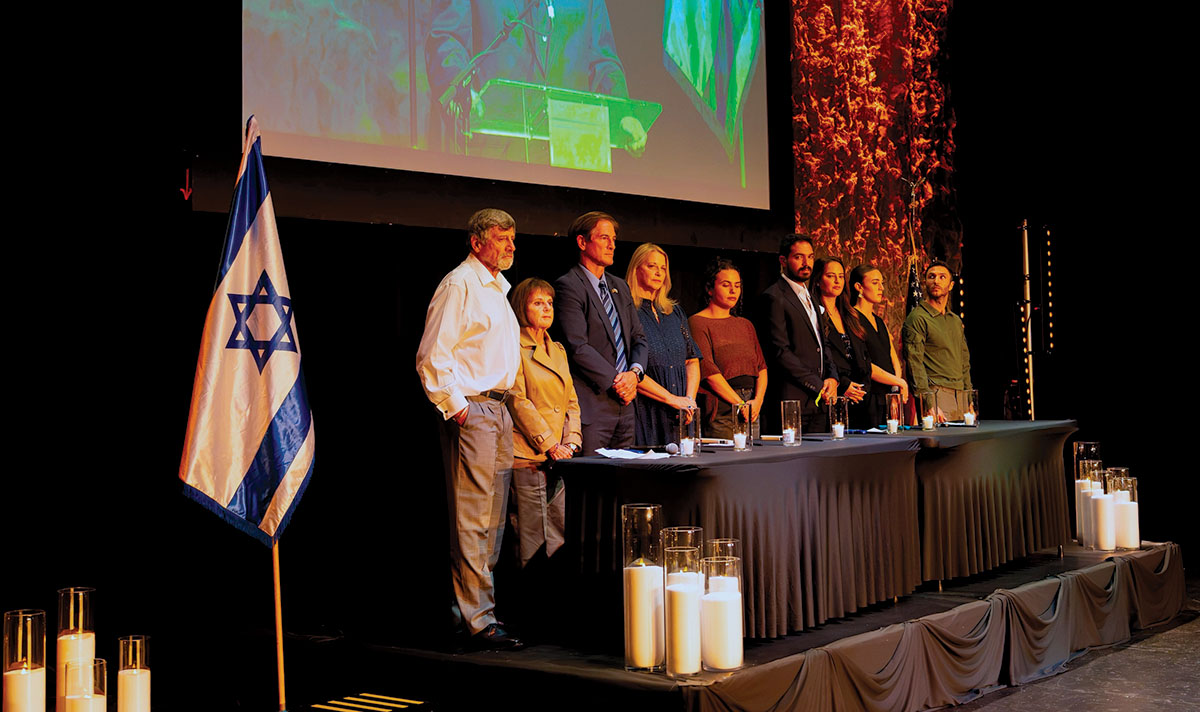
“Rock of Ages” has always been my favorite Jewish holiday song (edging out “Dayenu”, “Avinu Malkenu” and Adam Sandler’s “Hanukkah Song”). But after the slaughter at Bondi Beach, this year the words of that holiday hymn resonate much differently than they have before.
What we sing at Hanukkah is an excerpt from “Maoz Tzur”, a medieval Hebrew liturgical poem set to German folk music. It was written to give thanks to God for protecting the Jewish people through numerous challenges, but we sing it as a joyous celebration of our survival as well as our gratitude. Given the cold-blooded murder of fifteen innocents at a Chabad festival in Australia on the first day of the holiday, most of us are not in the mood for joyous celebration right now. But this year, let’s instead sing this as a song about persistence, determination and perseverance. Let’s use it as a reminder of our tenacity, resolve and stubbornness, even in the face of daunting and sometimes discouraging adversity.
Furious they assailed us, but Thine arm availed us,
And Thy Word broke their sword, when our own strength failed us.
The phrase “when our own strength failed us” suggests that the children of Israel relied on God to rescue us when we were unable to defeat our enemies. But the lesson of the Maccabees is not about resigning ourselves to our fate and hoping that God will protect us. It is about remaining stalwart no matter the challenges we confront.
There may have been divine intervention for Judah and his brothers, but they certainly did not wait for God to defeat their foes for them. They fought for their own beliefs and for our future. They suffered casualties along the way. But they endured and they ultimately reclaimed the Temple and regained the ability to worship as they chose.
Children of the martyr race, whether free or fettered,
Wake the echoes of the songs where ye may be scattered.
Some contemporary versions of “Rock of Ages” change the first words of this stanza to “Children of the wanderers”, which is both more accurate and more optimistic. The term “martyr race” suggests suffering for no purpose other than sympathy and perhaps pity. But we endure to achieve much greater goals, as the Maccabees demonstrated in their victories. And as wanderers, we remind ourselves that even as we still face anger and hatred from so many quarters we will continue to seek those places where we are welcome.
Yours the message cheering that the time is nearing
Which will see, all men free, tyrants disappearing.
In the face of tragedies such as Poway and Pittsburgh and now Sydney, it’s easy to feel that such a time is impossibly far away. But the Hanukah story reminds us that an outnumbered and seemingly marginalized Jewish people have overcome such obstacles many times in our history. The original “Moaz Tzur” poem recounts our victories over Pharoah, Nebuchadnezzar and Haman in addition to Antiochus. Those victories were made possible by God, but each required fierceness and fortitude from the Jewish people of those eras. Those Jews were not passive recipients of divine largess: they were resilient and resourceful protagonists committed to shaping their own stories.
The true miracle of Hanukkah is not the Maccabees’ victory, but how one single day’s allotment of oil somehow kept the eternal flame burning for eight days. After the Bondi Beach massacre, we must again sustain ourselves through what seems like a long and unfriendly night. It feels like we have only a small amount of fuel to get us through until dawn. Our job is to make that oil last until the sun shines on us again. Our Hanukah miracle has been and will continue to be our ability to persevere.
There is a lesson for us to learn from Bondi Beach. It’s that once again we must continue on our path, so we can write a better ending for this Hanukkah story too.
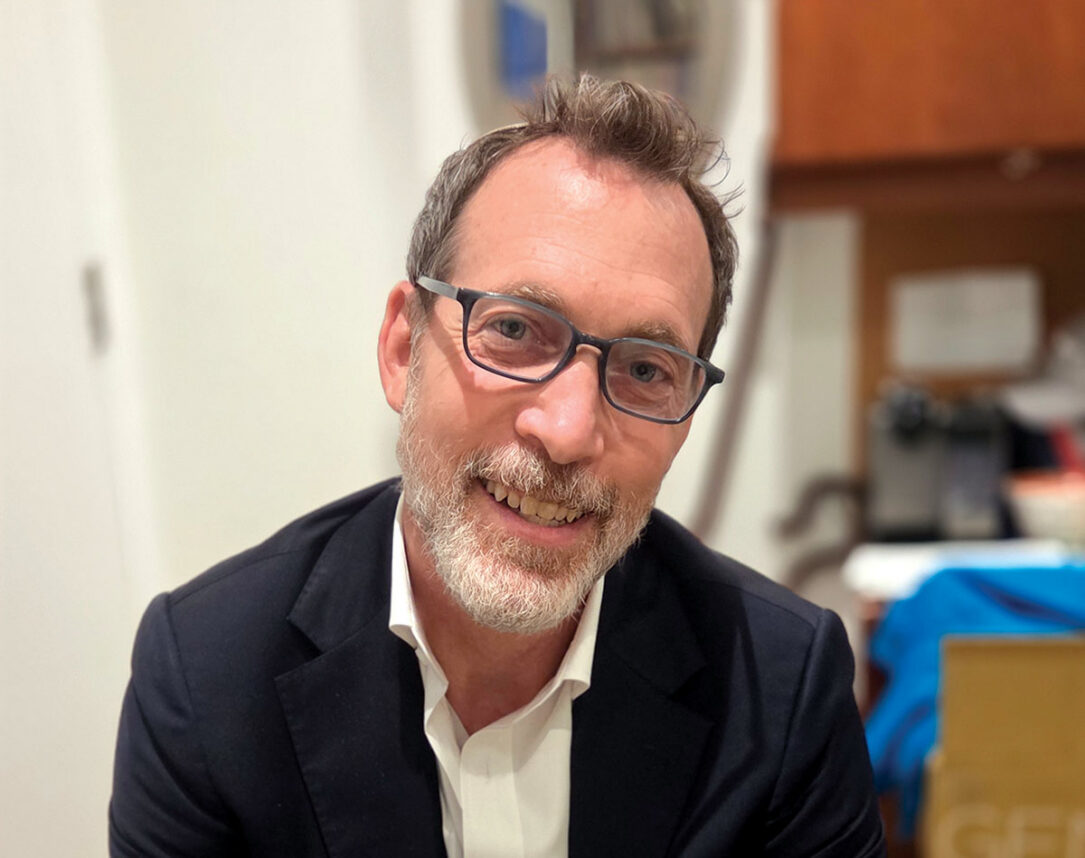
Dan Schnur is the U.S. Politics Editor for the Jewish Journal. He teaches courses in politics, communications, and leadership at UC Berkeley, USC and Pepperdine. He hosts the monthly webinar “The Dan Schnur Political Report” for the Los Angeles World Affairs Council & Town Hall. Follow Dan’s work at www.danschnurpolitics.com.