
The football soared high in the air and landed comfortably in my arms. It was a clear path to a touchdown. For sixth graders, football at recess was our escape before we returned to class. Then seemingly out of nowhere, Dennis, a fellow student who was taller and stronger than me, lunged and tackled me to the ground. “Get off me!” I yelled as he kept my shoulders pinned to the ground. “Shut up you dirty Jew,” he shouted back.
The public elementary school I attended in San Jose, California had about 2,000 students. Six were Jewish and the rest a patchwork of various forms of Christianity. All my friends knew I was Jewish and as far as I knew, nobody cared. The neighbors all knew my family was Jewish, especially since my parents, both Holocaust survivors, still carried European accents. So when Dennis’ anger overtook him, he went straight to where he thought it would hurt most. Reminding me and everyone standing around that I was not one of them. I was a Jew.
For some reason this childhood incident has stuck with me all these years. But it wasn’t the words, it was where he learned that ugly phrase. It was decades before social media. The most controversial television show was “Leave It to Beaver.” The press had real journalists not partisan commentators. Yet, he learned it somewhere and knew how and when to weaponize it.
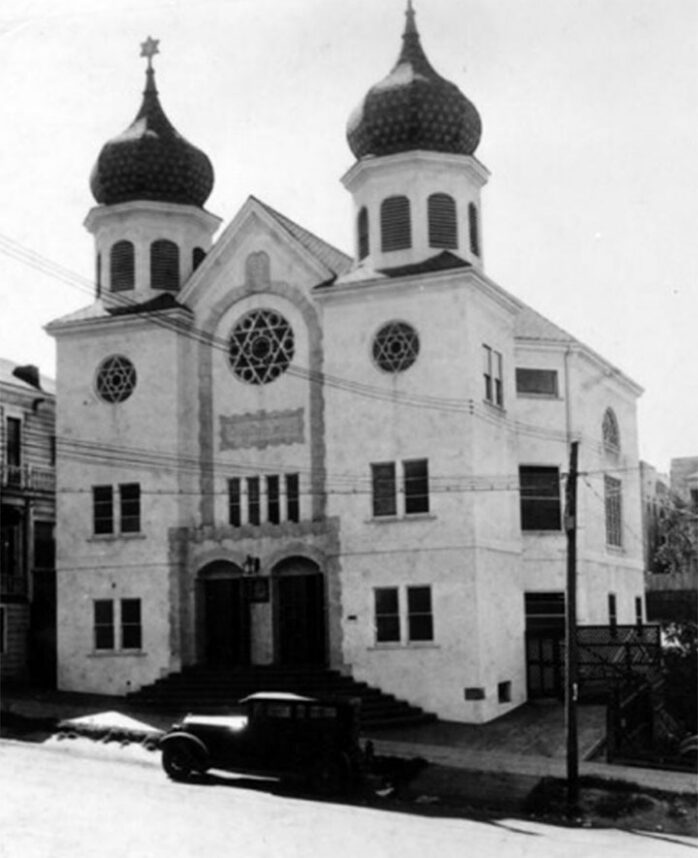
I thought it could have come from only two places: either overhearing his parents in the privacy of their home, or at Catechism. Catechism was the Christian version of Hebrew School. Twice a week after school I would ride my bike to the one shul where in a back office I had to attend Hebrew School and learn Torah. My non-Jewish friends did the same by attending Catechism at their church. I just assumed they learned about Jesus while we learned about Moses.
Hundreds of books, articles and lectures have tried to explain antisemitism.
We Jews want answers. Why does it exist? What have we done or not done that it simply won’t go away?
The more I think about it, the more I am coming to accept that perhaps there just isn’t an answer. Why does every question require a sensible explanation? The Talmud is a compendium of disagreements. We should be accustomed to asking questions that have no answers. Maybe the curse of antisemitism is the same.
This by no means suggests that antisemitism is something we just live with. It must be fought and called out whenever and wherever we find it. And we do.
Most infuriating are “progressive Jews” who proclaim, “I am Jewish!” as they march holding a Palestinian flag. They believe that being born Jewish proves they can’t be anti-Jewish. But a closer look will undoubtedly reveal that many if not most don’t practice Judaism in their daily lives. Apparently being a proud Jew only comes in handy when used to justify attacking Israel and those who support it.
People hate because they choose to hate and as tempting as it is to uncover the root cause of this hatred, it might just be an exercise in futility. In the meantime, our efforts should focus on eradicating the real-life consequences of this scourge, and leave the academic hand-wringing for when antisemitism is truly wiped out and relegated to the pages of history.
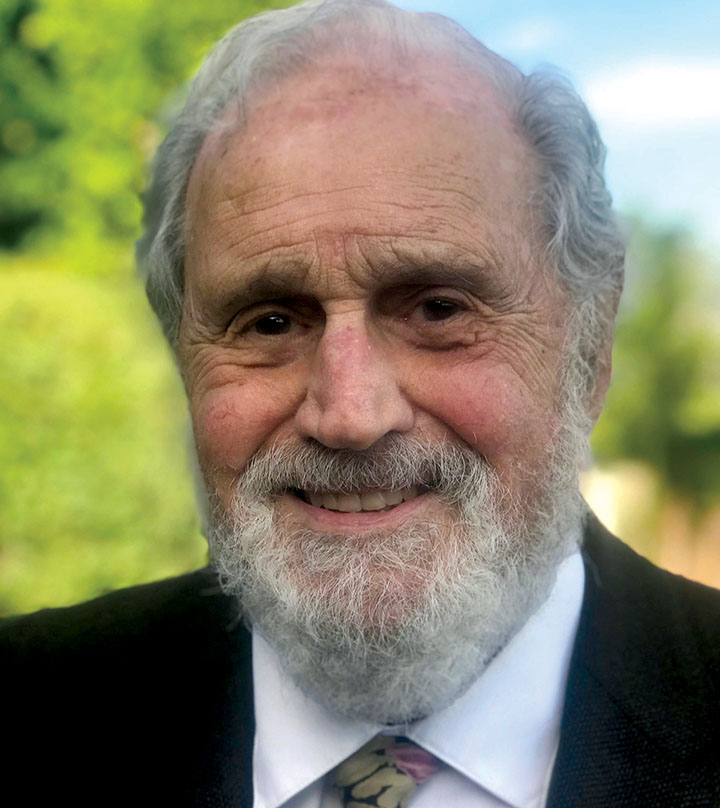
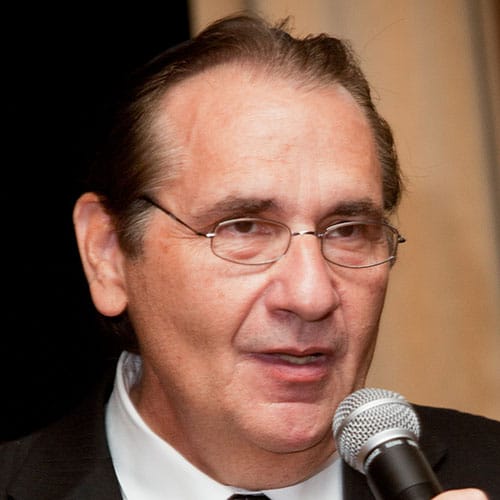
Harvey Farr is a local community reporter for the Jewish Journal.