“When a human-designed software program applies a model that no human recognizes or could understand,
are we advancing towards knowledge? Or is knowledge receding from us?”
is a question for which Henry Kissinger and two most brilliant collaborators in the Age of AI all demand.
The latter answer seems redoubtable, according to this Doubting Thomas.
While knowing almost nothing about AI, I fear a tohu flaw may lurk in its vohu program,
a pre-creation waste and void that might lead to a defeat of all humanity,
whose absence in it recalls a problem that perhaps caused God to consult with Abraham,
refusing to prevent Sodom’s destruction with Abraham’s pro-semitic sanity.
Just as Almighty God did not rely upon the power of His quite mind-numbing numen,
so humans should not on AI, which might perhaps be called II, Intelligence that ‘s Inhuman,
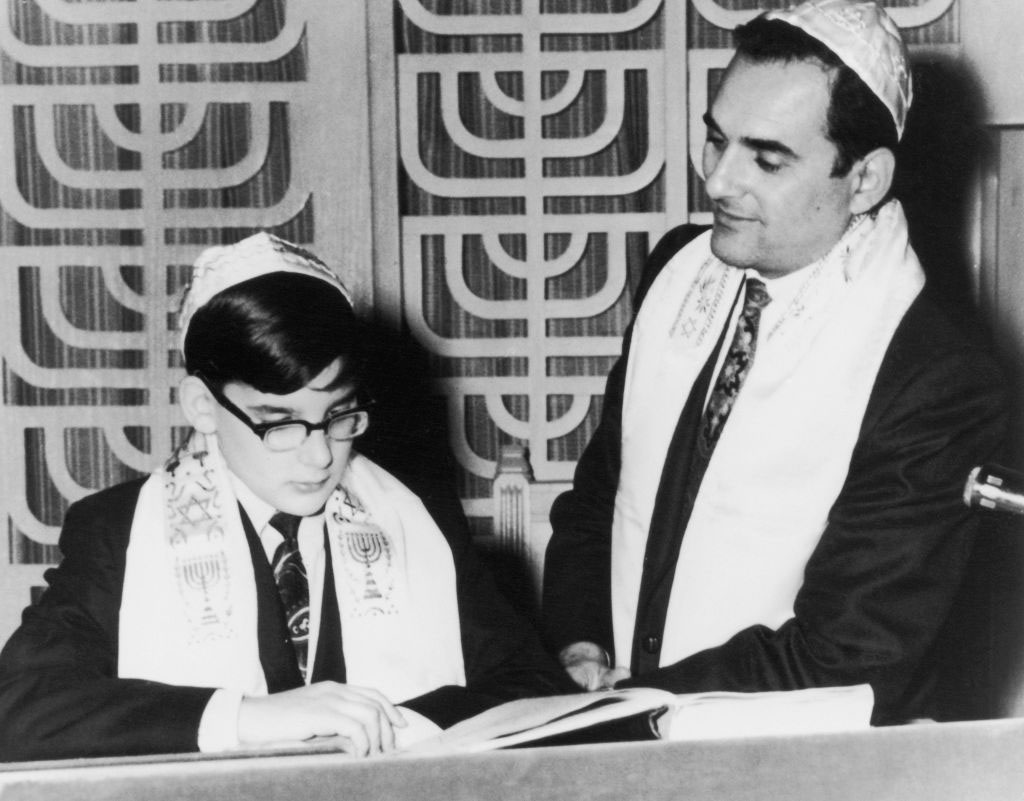
divining God’s Religious Intelligence, R. I., promoted by tefillin, phylacteries
that need to be inscribed by pious Jewish scribes, not printed in frum factories.
Reviewing the concepts of “panopticon” and ”apophenia.” I wonder whether the rationale of tephillin, the phylacteries that Orthodox Jews place between their eyes every weekday, may be related to the fact that the Torah sees the world as a panopticon in which God surveils all humans with His R. I.,Religious Intelligence, and whether the reason that tephillin, phylacteries, must be placed between the eyes (Exod. 13:9, 26; Deut. 6:8;,11:18) is to enable Jews to access God’s R. I. Perhaps it also enables God to access Jews’ minds with His R.I., finding significance in facts that might deserve derision, being derived from apophenia, a word that may have bilingual roots, as I suggest with a very open mind regarding the description of what Ezekiel describes as a Divine Chariot in Ezek. 1:16:
מַרְאֵ֨ה הָאוֹפַנִּ֤ים וּמַֽעֲשֵׂיהֶם֙ כְּעֵ֣ין תַּרְשִׁ֔ישׁ וּדְמ֥וּת אֶחָ֖ד לְאַרְבַּעְתָּ֑ן וּמַרְאֵיהֶם֙ וּמַ֣עֲשֵׂיהֶ֔ם כַּאֲשֶׁ֛ר יִהְיֶ֥ה הָאוֹפַ֖ן בְּת֥וֹךְ הָאוֹפָֽן׃
As for the appearance and structure ha’ophanim, of the I, they gleamed like beryl. All four had the same form; the appearance and structure of each was as of one ophen, wheel, within another ophen, I.
I italicize ‘wheels’ above to indicate wheels within wheels, more easily recognized by A.I. than by our human brains.
Gershon Hepner is a poet who has written over 25,000 poems on subjects ranging from music to literature, politics to Torah. He grew up in England and moved to Los Angeles in 1976. Using his varied interests and experiences, he has authored dozens of papers in medical and academic journals, and authored “Legal Friction: Law, Narrative, and Identity Politics in Biblical Israel.” He can be reached at gershonhepner@gmail.com.