Shabbat Thought
The Architecture of Will: Decision and the Structure of Transformation
This Shabbat we arrive at the fourth conversation in our exploration of Roberto Assagioli’s remarkable book The Act of Will, a work devoted to one of the central capacities of the human spirit: the ability to choose the direction of our lives.
In our first session we explored the nature of the will. Assagioli argues that the will is not merely stubborn determination or “white-knuckle” effort. Rather, it is the inner faculty that allows a person to step back from impulses, observe the movements of the psyche, and consciously choose a direction.
In our second session we examined resistance. Whenever we attempt to move toward growth, something within us pushes back—fear, inertia, self-doubt, or habit. Jewish spiritual psychology gives this resistance a name: the Yetzer Ha-Ra. Transformation requires learning how to recognize and work with these forces rather than being unconsciously governed by them.
Our third session focused on training the will. The will is not a fixed trait that some people possess and others lack. Like a muscle, it can be strengthened through awareness, practice, and deliberate effort. As we exercise the will, our lives gradually become less reactive and more intentional.
This fourth teaching turns to something even more practical: the architecture of willing itself.
Assagioli suggests that a genuine act of will unfolds through a series of stages that gradually translate intention into reality. It begins with purpose—a sense of aim or direction. Without a clear aim, our energy scatters. The next stage is deliberation, the thoughtful weighing of possibilities and consequences.
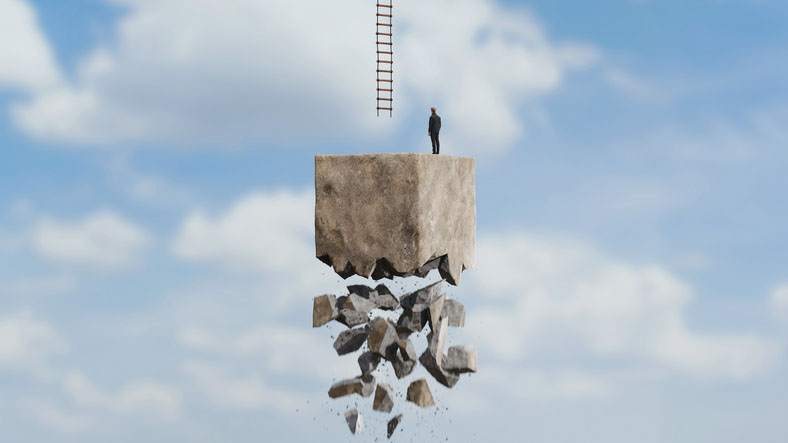
Eventually deliberation must give way to decision. This is the central moment of willing. Decision gathers our energies and commits them to one direction. But for the will to hold, the decision must be affirmed inwardly. In some deep place within ourselves we say, “Yes—this is the path I choose.”
A real decision is rarely casual. It can feel almost painful, because choosing one path means relinquishing others. Yet it is precisely this seriousness that gives the will its strength. A decision that costs us nothing rarely has the power to reshape a life.
After decision comes the quieter work of willing: planning the steps that will move us forward and then carrying those steps into action with persistence and attention. In this way the will gradually builds the structure of a life, one deliberate act at a time.
Assagioli believed that human beings are capable of far greater inner coherence than we often imagine. When we learn to choose deeply and deliberately, our lives begin to gather around what truly matters.
Transformation does not begin with heroic effort.
It begins with the courage to decide.
And Shabbat, with its stillness and spaciousness, may be the perfect moment to listen for the decisions our lives are quietly asking us to make.
7 PM Friday evening Pacific time