
The past few weeks saw elections both in Israel and the United States. Whether pleased or distressed by the outcomes, we should celebrate the incredible privilege we enjoy of being able to participate fully in our democracy. As Jews, we know that this has generally not been the case throughout our history. Despite our justified concerns about growing antisemitism in our nation, we must not forget how extraordinarily blessed we continue to be here in America and how fortunate we are to live in a time when a vibrant, strong State of Israel exists.
Still, with so many candidates and voter propositions in play, in the wake of such important civic moments there are disappointments as well as victories. Some of the candidates we care about lost. Some of the values that matter deeply to us are potentially threatened as result of the outcomes of these elections. Not surprisingly, we can find wisdom and comfort in the words of our tradition. Parashat Vayera, begins: “The ETERNAL appeared to [Abraham] by the oak-trees of Mamre; he was sitting at the entrance of the tent as the day grew hot” (Genesis 18:1).
Why does the Torah include information about where Abraham was sitting and the temperature at that particular time? Generally our sacred text lacks such mundane details. The commentators teach that this helps highlight a fundamental aspect of Abraham’s character. On a hot day, one would expect him to be inside the tent, enjoying its shade. Instead, he sits at the entrance, looking out. Why? As Rashi, the great medieval commentator teaches: “that he might see whether there were passers-by and invite them in.” Abraham works actively to remain open to outsiders, to strangers who might, especially on a warm day, appreciate his hospitality.
And that’s just what happens. Three men happen to pass by and Abraham invites them to enjoy a cool drink, a bite to eat, and some shade. Then Sarah and Abraham together prepare a sumptuous meal for the strangers. The lesson is clear: To be descendants of Abraham and Sarah is actively to seek opportunities to open ourselves to the other, welcoming all those we might encounter.
It’s an urgent lesson that we desperately need right now.
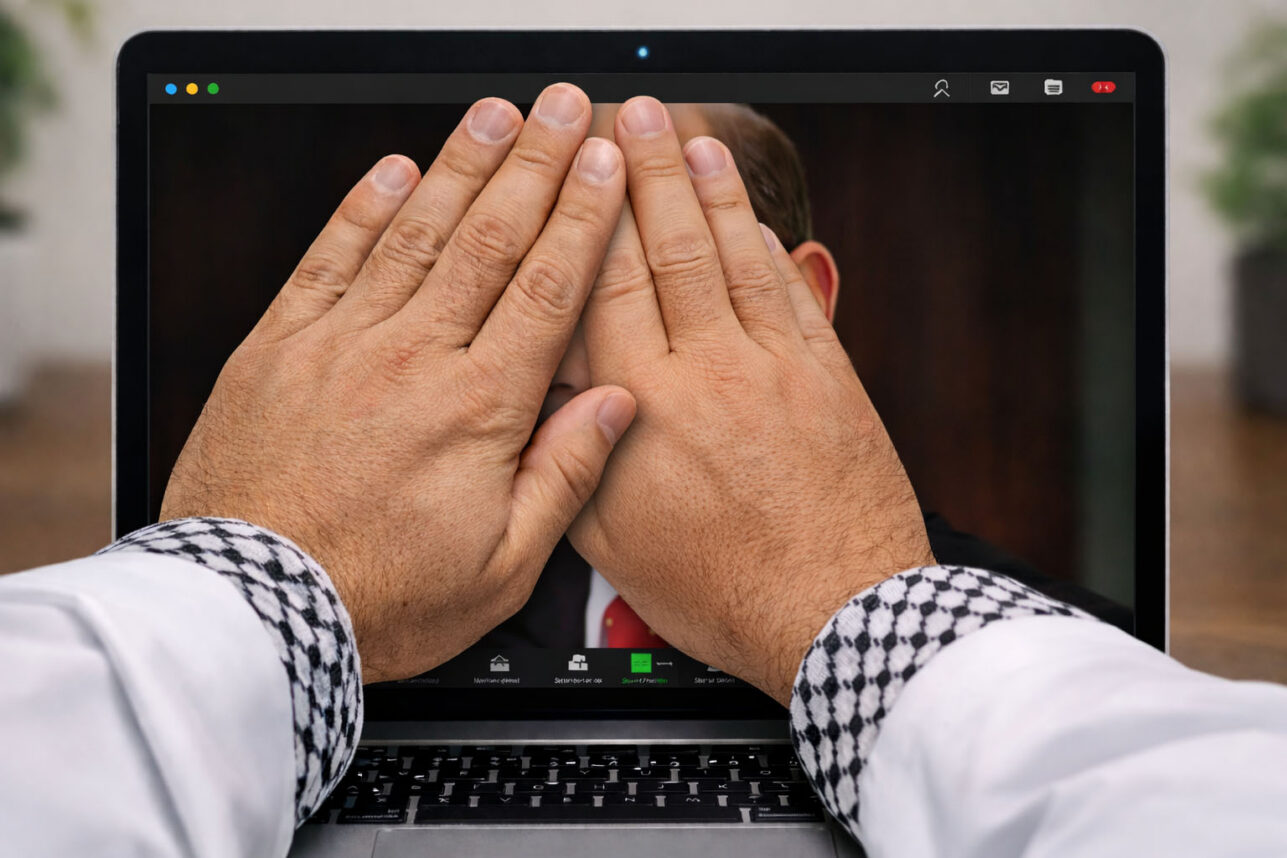
In a time of such deep divisions, its easy and tempting to retreat to our “bubbles,” to vilify others with whom we disagree, to avoid rather than embrace the stranger.
In a time of such deep divisions, its easy and tempting to retreat to our “bubbles,” to vilify others with whom we disagree, to avoid rather than embrace the stranger. We stay in our cozy echo-chambers where we hear opinions that are mostly no different from our own.
This is not the Jewish ideal.
The famous and painful story in the Talmud of Rabbi Yochanan and Resh Lakish illustrates this powerfully. Resh Lakish was Rabbi Yohanan’s student. At one point in their relationship, they have a falling out. Soon after, Resh Lakish dies. Rabbi Yochanan is inconsolable; he misses his friend terribly. To comfort him, Rabbi Elazar ben Padat comes and sits by Yochanan’s side. When Yochanan would teach a matter of Jewish law, Elazar would immediately cite an opinion that supported Yochanan’s ruling. Instead of being comforted, Yochanan is greatly upset by this. He laments: “I used to sit with my friend Resh Lakish and when I would state an opinion, he would raise 24 counterarguments. Then I would respond with twenty-four counterarguments of my own! In the end, this process would clarify the matter!” (Babylonian Talmud, Bava Metzia 84a).
Especially in times of heated debate and conflict, we would be wise to follow the examples of Abraham, Sarah and Rabbi Yochanan. Now is not the time for echo chambers. Instead, we should remain open to others with whom we might disagree. Our teachers made space in their tents, in their thinking, and in their hearts for others, treating them, even when they disagreed, with dignity and respect.
If we and all of our fellow citizens and elected officials could emulate these qualities, how much more united would we be as a nation?
Rabbi Yoshi Zweiback is the Senior Rabbi of Stephen Wise Temple in Los Angeles, California.