Societies are born from war
and cooperation it requires and creates,
with altruism at its core,
so the establishment of any nations and great states
arises from the sort of factors
we see described in Genesis fourteen before the Cov-
enant the narrative’s redactors
associate with war and altruism, not with love.
Altruism is quite vital,
creating force when Abraham in Salem—-meaning peace—
never claimed the warrior’s title
to booty, causing altruistically that war would cease.
Although warfare is a major source of social headache,
it led to endorsement of Abraham by Melchizedek
and the covenant of peace God gave to Phinehas, like the prize
whose source was deadly dynamite invented Nobel-wise.
Num. 25: 11-12 states, after Phinehas killed an Israelite, a Simeonite, and the Midianite woman who seduced him Cozbi the daughter of Zur, that God makes the following statement:
פִּֽינְחָ֨ס בֶּן־אֶלְעָזָ֜ר בֶּן־אַהֲרֹ֣ן הַכֹּהֵ֗ן הֵשִׁ֤יב אֶת־חֲמָתִי֙ מֵעַ֣ל בְּנֵֽי־יִשְׂרָאֵ֔ל בְּקַנְא֥וֹ אֶת־קִנְאָתִ֖י בְּתוֹכָ֑ם וְלֹא־כִלִּ֥יתִי אֶת־בְּנֵֽי־יִשְׂרָאֵ֖ל בְּקִנְאָתִֽי׃
Phinehas, son of Eleazar son of Aaron the priest, has turned back My wrath from the Israelites by displaying among them his passion for Me, so that I did not wipe out the Israelite people in My passion.
לָכֵ֖ן אֱמֹ֑ר הִנְנִ֨י נֹתֵ֥ן ל֛וֹ אֶת־בְּרִיתִ֖י שָׁלֽוֹם׃
Say, therefore, ‘I grant him My pact of peace.
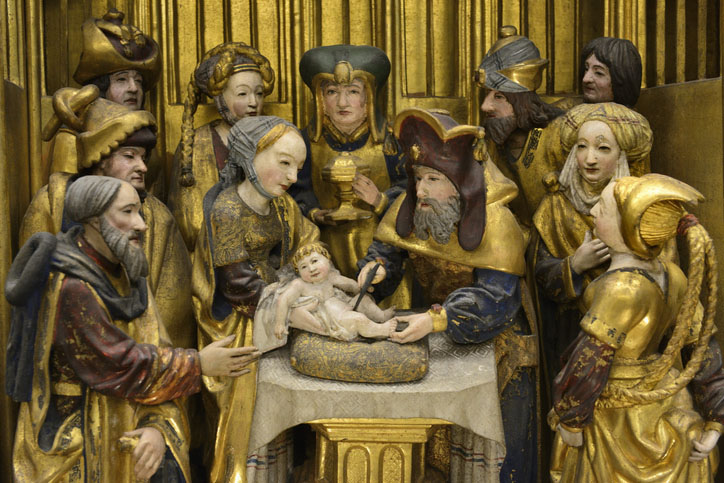
It occurred to me after rereading this poem with my granddaughter Ada, that Moses’ reluctance to circumcise one of his two sons, either Gershom or Eliezer, while leaving Midian, was motivated by an aversion to the violence associated with the act of removal of an infant’s foreskin. This suggestion might be an explanation of the traditional belief that the prophet Elijah attends every ritual circumcision; Elijah is traditionally identified with Phinehas, whose violence was validated when God awarded him the covenant of peaceafter he had performed an act of violence that Moses had refused to perform either against an Israelite or a Midianite.
After hearing my hiddush, Ada suggested an innovative explanation for God’s decision not to appoint Moses head of the priestly dynasty, appointing his brother Aaron instead of him. Ada suggested that God may have thought that Moses’ reluctance firstly to perform ritual acts of violence such as the circumcision of his son that he neglected to do but was determinedly performed by his Midianite wife Zipporah, and secondly the killing of two sinners which had to be performed by Phinehas, a priest, instead of by him, made Moses an unsuitable candidate for the position of leader of a priestly dynasty, since one of the main responsibilities of priests is the supervision of acts of violence: animal sacrifices.
Gershon Hepner is a poet who has written over 25,000 poems on subjects ranging from music to literature, politics to Torah. He grew up in England and moved to Los Angeles in 1976. Using his varied interests and experiences, he has authored dozens of papers in medical and academic journals, and authored “Legal Friction: Law, Narrative, and Identity Politics in Biblical Israel.” He can be reached at gershonhepner@gmail.com.