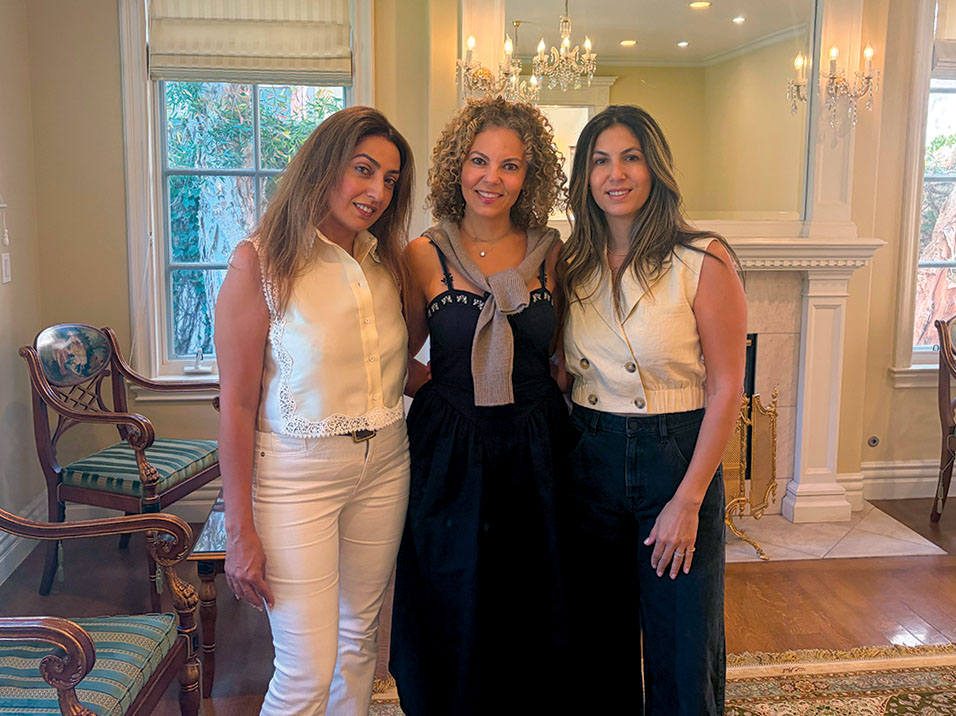
What renowned food writer Joan Nathan likes best about Passover is the tradition. And, like so many things with Nathan, it’s a family affair. “My family always looks forward to making the dishes — each has a favorite,” Joan Nathan, author of “My Life in Recipes” and “A Sweet Year,” among others, told The Journal. “My daughter Daniela makes the matzah balls, my son David chops the apple nut American haroset – one of at least five from around the world that adorn our table — and my daughter Merissa prefers to set the table.”
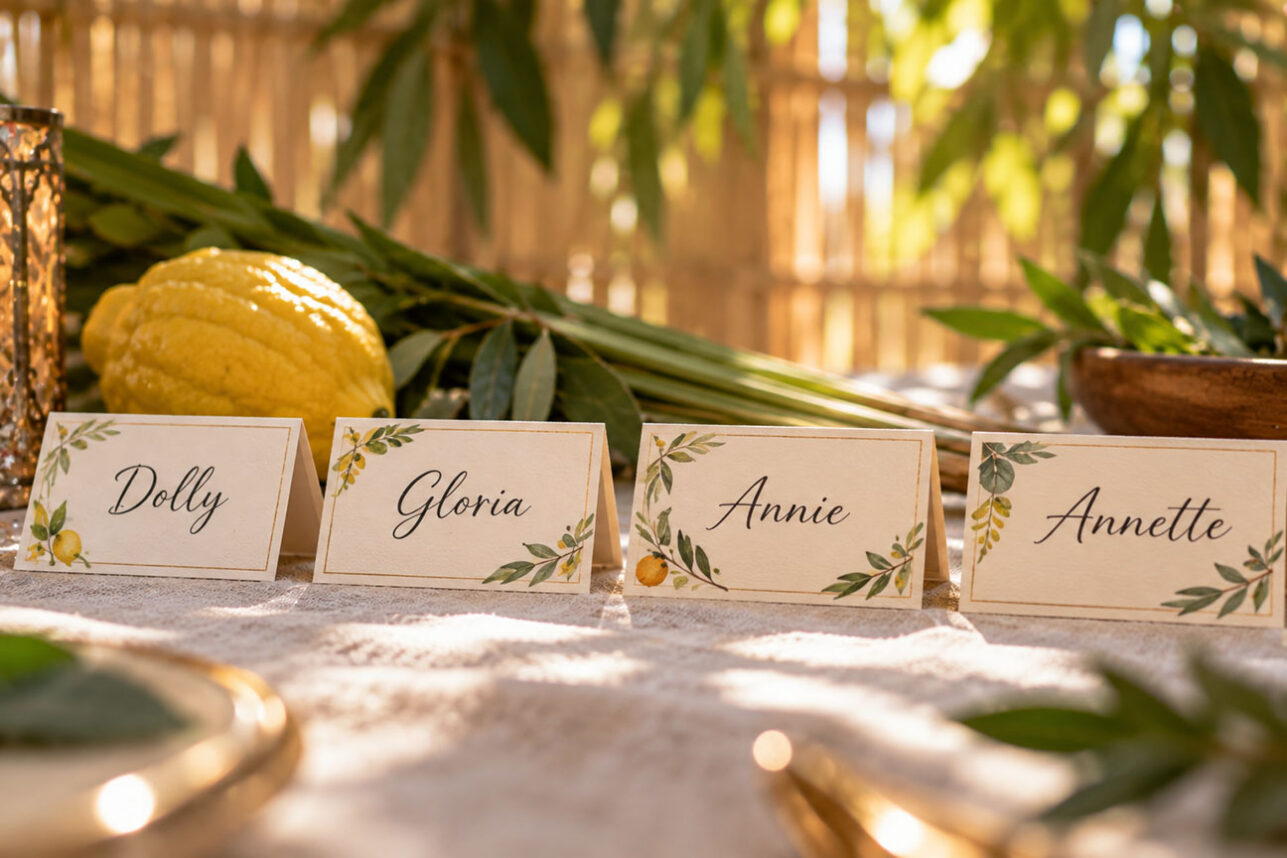
She added, “My grandchildren make the place cards for our guests, help Merissa with the seating and this year will help me make Pharoah’s cake from the Rady Schoenberg family, as well as help roll Sephardic haroset into balls.”
Nathan’s family holidays go back 46 years with rotating guests and a community that forms around her ever-changing table. Brisket is a Jewish holiday staple. Her flourless chocolate cake is another special dish. Those recipes are below.
“I have many incarnations of a flourless chocolate but like this one that came to me at a dinner party at Ingy Lew’s home in Chilmark, Massachusetts,” Nathan said. “It is delicious but even better it is so very easy that it can be made at Passover and all through the year.”
Happy Passover.
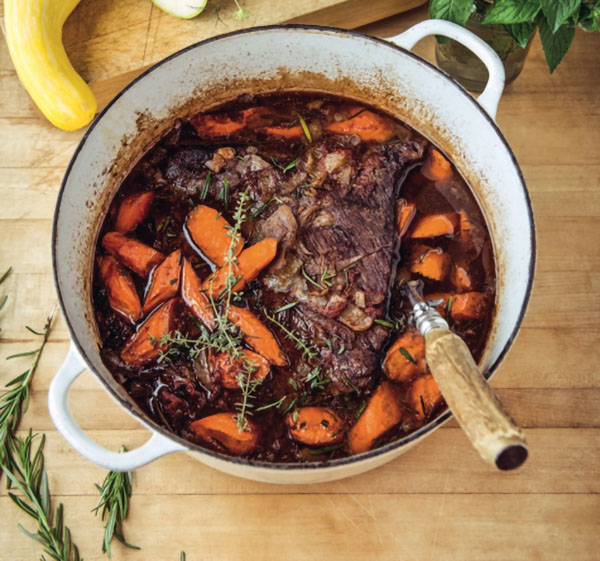
My Favorite Brisket
Serves 8 – 10
3 onions, cut into chunks
1 5-pound (2.6 kilogram) brisket of beef, shoulder roast of beef or chuck roast
2 tsp kosher salt
Freshly ground black pepper to taste
2 cloves garlic, peeled
One 15-ounce (425-gram) can diced or crushed tomatoes
2 cups (473 ml) dry red wine
2 stalks celery with leaves, chopped
1 bay leaf
1 sprig fresh thyme
1 sprig fresh rosemary
1⁄4 cup chopped fresh Italian parsley
6 to 8 carrots, peeled and sliced on the diagonal
1. Preheat the oven to 350°F, and scatter the onions in a 9-by-13-inch Pyrex pan.
2. Sprinkle the brisket with salt and pepper, and rub it with the garlic. Lay it, fat side up, on top of the onions. Top this with the tomatoes, red wine, celery, bay leaf, thyme and rosemary. Cover and seal with foil, and bake for about 3 hours, basting every 1⁄2 hour with the pan juices.
3. Add half the parsley and the carrots, and bake, uncovered, for about 30 minutes more, or until the carrots are cooked. To test for doneness: Stick a fork in the flat (thinner or leaner) end of the brisket.
4. When there is a light pull on the fork as it is removed from the meat, it is fork-tender. Bring the meat to room temperature, then remove it to a cutting board and trim all visible fat from the brisket. Place the brisket with what was the fat side down, on a cutting board. Look for the grain — the muscle lines of the brisket — and, with a sharp knife, cut slices across the grain.
5. Return the sliced brisket to the roasting pan with the sauce, and refrigerate overnight or freeze. When you’re ready to serve, reheat it in a preheated 350°F oven for 20 minutes. Some people like to strain the gravy, but I prefer to keep the onions, because they are so delicious. If the gravy needs reducing, put the meat on a serving platter and reduce the gravy in a saucepan until it has the correct consistency. Pour some over the meat, and put the rest in a gravy boat. Cover the meat with the carrots and the remaining parsley, and serve.
Flourless Chocolate Cake from Joan Nathan
Recipe courtesy of Joan Nathan “King Solomon’s Table.”
Yields 8 to 10 servings

8 ounces (226 grams) good bittersweet chocolate such as Callebaut or Guittard
8 Tbsp (1 stick/113 grams) unsalted butter or coconut oil
6 large eggs, separated
3/4 cup (150 grams) sugar
Pinch of salt
1 tsp vanilla
Unsweetened cocoa powder for dusting
Raspberries and blueberries for topping
Whipped cream or ice cream (optional)
1. Preheat the oven to 350°F and butter a 9-or 10 inch spring-form pan with spray, or a little of the butter or coconut oil.
2. Melt the chocolate and the butter or coconut oil in a double-boiler or in a microwave for a little more than a minute. Let cool.
3. In the bowl of an electric stand mixer using the whip attachment, beat the egg whites with 1/2 cup (100 grams) of the sugar and the salt until soft peaks form. In a separate bowl, whip the yolks with the remaining 1/4 cup (50 grams) sugar and vanilla. Using a spatula, slowly stir in the chocolate in the egg yolk mixture. Then carefully fold in the egg whites. Don’t overmix or it will deflate.
4. Pour batter into prepared pan. Bake for 28 to 35 minutes, or until the cake is fully set around the edges. You want it to be slightly gooey in the center.
5. Let cool in the pan for a few minutes, then remove from the pan and cool completely, and dust with cocoa.
6. Serve topped with berries and, if you like, with whipped cream or ice cream.