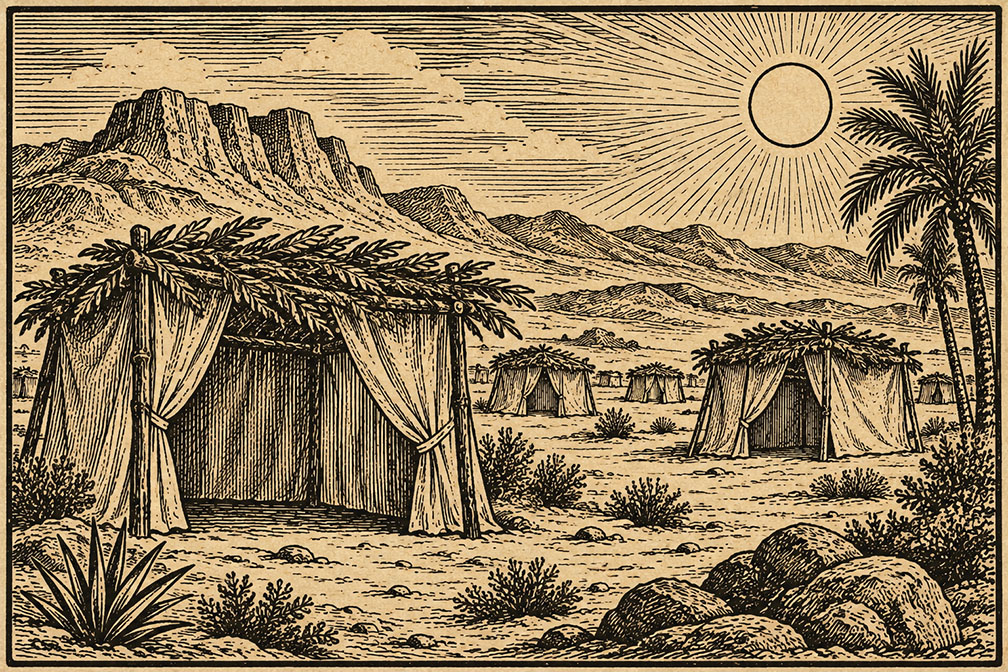
A sukkah’s walls are temporary, its roof porous. For around a week we trade the security of our houses for a structure that seems almost designed to remind us how little stands between ourselves and the elements. Its configuration evokes frailty, even weakness.
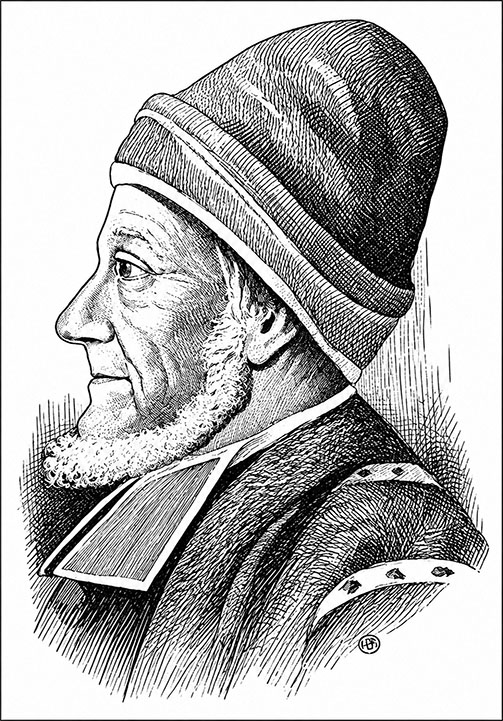
Yet to Rabbi Eleazar ben Judah of Worms (1176-1238), the medieval German pietist known as the Rokeach, the sukkah symbolized Jewish military might. In his commentary on the laws of Sukkot, he suggested that the booths commemorated by the holiday were the temporary shelters in which the Israelites lived while conquering the cities of Canaan after wandering the desert wilderness for 40 years.
“When they [the Israelites] besieged the nations,” he writes, “they sat in sukkot.”
The sukkah, to the Rokeach, was, in effect, a battle tent.
The referent of the biblical verses explaining the holiday’s central practice, “Live in temporary shelters for seven days: All native-born Israelites are to live in such shelters so your descendants will know that I had the Israelites live in temporary shelters when I brought them out of Egypt. I am the Lord your God” (Leviticus 23:42-43) is the subject of a well-known rabbinic debate between Rabbi Akiva and Rabbi Eliezer. One (rabbinic texts differ as to which) suggests the allusion is to the Providence-provided pillar of fire by night and cloud by day, while the other suggests it refers to human-built huts.
Seemingly glossing the latter option, the Rokeach’s radical reading suggests that these tents were not the ones dwelt in when the Exodus took place, at the beginning of the journey to the Promised Land. Rather, they were the ones utilized at journey’s end, while conducting the Israelite campaigns against the Canaanite kings.
Observers of this commandment, the Rokeach writes, should not think, “that we dwell in the land because of our fathers Abraham, Isaac and Jacob.” They should remember instead that the legions of Israel “went out from Egypt, besieged the cities, and [God] gave them into the hands of Israel.”
One cannot help but posit the Rokeach’s reading of an unstoppable sukkah-dwelling strike force is a projection into the past of a wistful fantasy. In the Rhineland, his own community lived under Christian rule and had little control over its physical security. The idea of a Jewish army was but a remnant of an archaic past.
In a heart-searing tragedy that he was helpless to prevent, the Rokeach’s beloved wife, Dulcea, whom he would recall as “A valorous wife, crown of her husband, daughter of princes – A God-fearing woman praised for her good deeds,” along with two of their daughters, Bellette and Chana, were murdered by Christian men, possibly Crusaders, in November of 1196. “And I was left,” he recounted, “bereft of everything with pain and tremendous suffering.” He composed his lament in an elegy that spelled, along the spine, “Eleazar the little, the miserable, and the needy.”
We cannot know whether Rokeach’s radical reading of the resonance of the Sukkah was written before or after this awful calamity. The uncertainty makes the passage more, rather than less, haunting. The same sage who could describe the sukkah as the shelter of a conquering Israel would know, or already knew, what it meant for Jews to be defenseless. The fighters of Israel marching in victory was a wish, a scene drawn from conjecture, conjured by desperation.
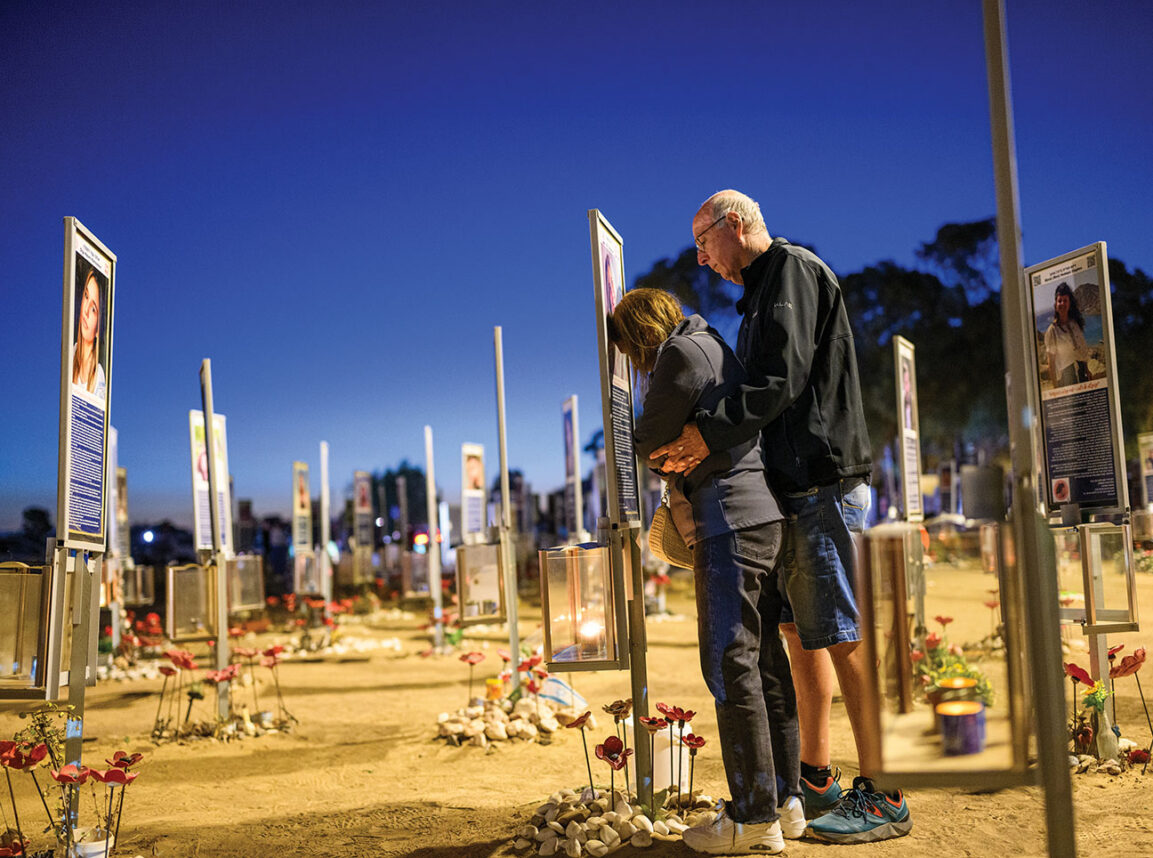
In revisiting the Rokeach’s suggestion, one cannot help but take comfort in the context of our own day. The Israeli Defense Forces, armed in defense of the Promised Land, stand steadfast to protect its inhabitants. In our post-Oct. 7, 2023 era, the Israeli army’s subsequent successes in battle have ensured that Jewish national survival would not be subject to the unimpeded medieval-style slaughter of a helpless population. They have preserved a people, and a land, the Rokeach could only have pictured as existing millennia before his own moment, in biblical times.
This Sukkot, as we sit beneath our temporary roofs, whether in Israel or the Diaspora, we can give thanks that the Jewish people no longer depend on the Rokeach’s imagined sukkah-dwelling army of the past for their protection, but have the means to defend ourselves in the present.
Rabbi Dr. Stuart Halpern is Senior Adviser to the Provost of Yeshiva University and Deputy Director of Y.U.’s Straus Center for Torah and Western Thought. His books include the newly released “Jewish Roots of American Liberty,” “The Promise of Liberty: A Passover Haggada,” “Esther in America,” “Gleanings: Reflections on Ruth” and “Proclaim Liberty Throughout the Land: The Hebrew Bible in the United States.”