

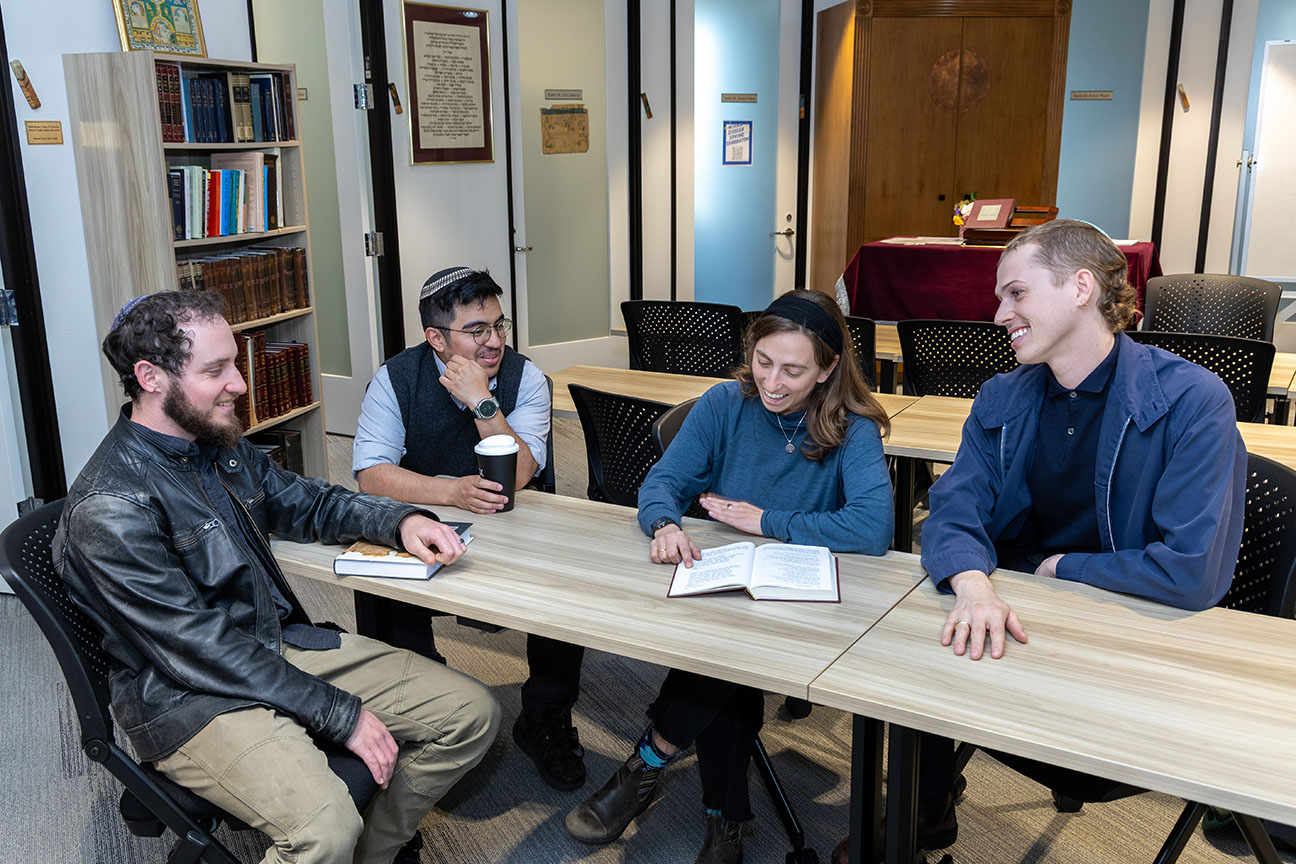
American Jewish University has reopened admissions at its Ziegler School of Rabbinic Studies for fall 2027, following a yearlong pause during which the university reviewed how it prepares rabbis for the changing demands of Jewish communal leadership.
Founded in 1996, AJU’s Ziegler School of Rabbinic Studies trains rabbis for the Conservative movement and Jewish communities across the country and beyond.
“We are reopening the admissions process for Ziegler because we believe deeply in the importance of exceptional rabbis and in the role they will play in building the Jewish future,” Jay Sanderson, president and CEO of American Jewish University, told the Journal. “The world has changed, the role of the rabbi has changed, and rabbinic education must change with it. Our goal is to reimagine what rabbinic education can be.”
As AJU rethinks how it trains rabbis, the university says Ziegler will remain grounded in Jewish learning and committed to Israel as the homeland of the Jewish people.
“We’re prioritizing students who see Israel as the center of the Jewish experience,” Sanderson said. “To be an effective Jewish leader you have to understand Israel’s essential role in our story.”
“The reopening of admissions marks an important moment for the Ziegler School and for the future of rabbinic education,” said Rabbi Cheryl Peretz, interim dean of the Ziegler School of Rabbinic Studies. “We remain committed to deep Jewish learning, spiritual growth, rigorous preparation, and individual mentoring, while ensuring our future rabbis are equipped to meet the evolving needs of Jewish communities. We look forward to welcoming a new cohort of students.”
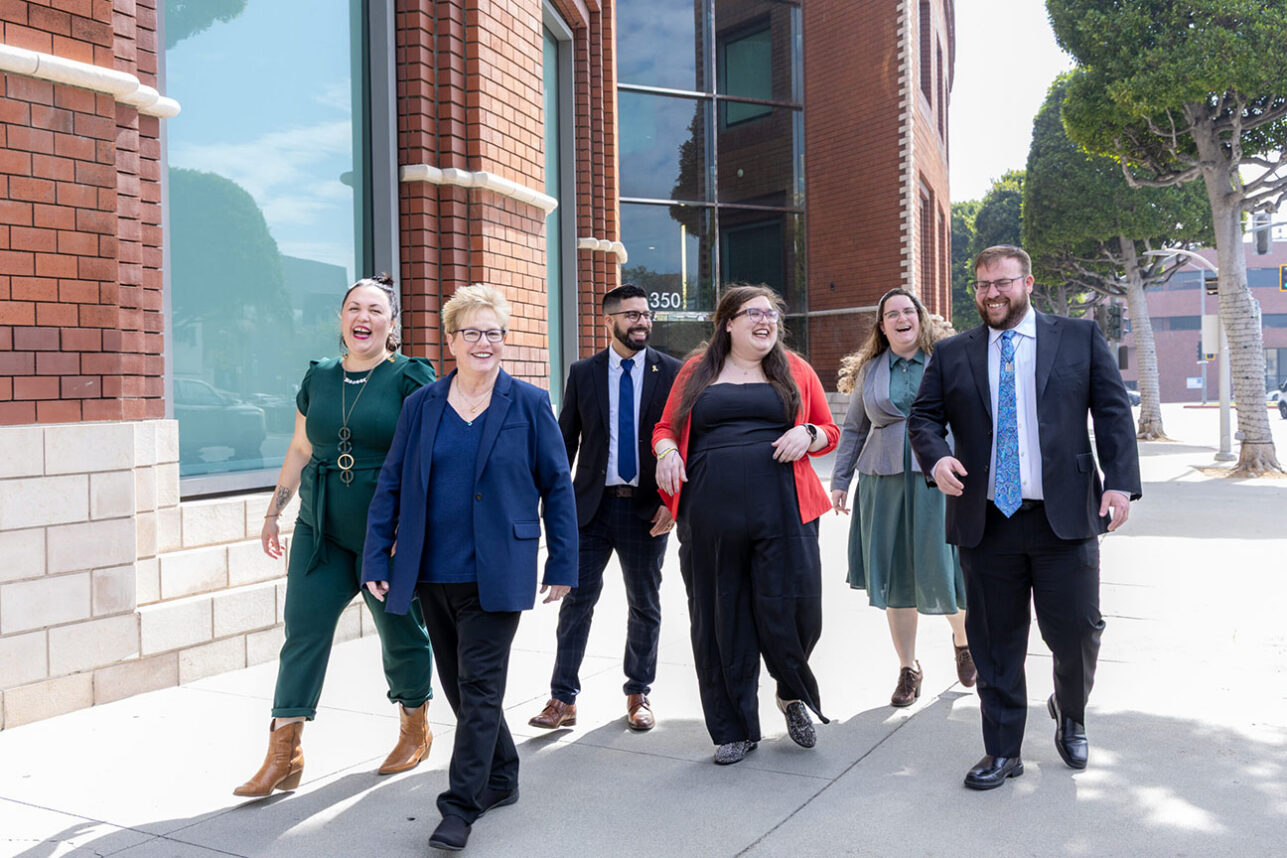
Over the past year, AJU commissioned an independent review examining both the Ziegler School and the broader landscape of rabbinic education. The review process included interviews with students, faculty, administrators, alumni, lay leaders and Jewish communal leaders. AJU also engaged with the research of Atra: Center for Rabbinic Innovation and consulted with major stakeholders in rabbinic education, including leaders of the Conservative movement.
“Today’s rabbis are expected not only to be rooted in Jewish text and tradition as teachers and spiritual leaders, but also institution builders, fundraisers, managers, communicators, community organizers, and conflict navigators,” Sanderson said. “They are increasingly called upon to lead in a world shaped by rapidly evolving technology and profound global challenges.”
At the same time, the seminary’s curriculum will expand to include training and coursework in artificial intelligence, business management, fundraising, critical thinking, communication and conflict resolution, alongside traditional Jewish studies.
“We are exploring the opportunity of offering two degrees,” Sanderson said. These plans, he said, are under development.
AJU has also brought in Rabbi Stewart Vogel, emeritus rabbi of Hamakom in West Hills, to help recruit students to the school. A respected leader within the Conservative movement, Vogel was named the Ziegler School’s senior advisor for recruitment, admissions and rabbinic innovation. He will be seeking out students who understand that career paths for non-Orthodox rabbis today aren’t limited to congregational roles.
“The Jewish future needs rabbis who understand that leadership extends far beyond the pulpit,” Vogel told the Journal. “We are looking for dedicated individuals who see the rabbinate as an all-encompassing commitment to serving others. They must be deeply grounded in Jewish learning and tradition, but also willing to think creatively, embrace change and help build the institutions and communities Jewish life will need in the years ahead.”
Ziegler is seeking candidates with strong academic records, demonstrated leadership potential, intellectual curiosity, personal character and a commitment to building Jewish community.
Ziegler’s plans come amid broader concerns about the future of the non-Orthodox rabbinate, as seminaries face declining enrollment and the field contends with an aging workforce. A 2025 study by Atra: Center for Rabbinic Innovation, titled “From Calling to Career: Mapping the Current State and Future of Rabbinic Leadership,” examined challenges facing the rabbinic profession.
The Ziegler reopening reflects AJU’s broader goal of helping create a sustainable pipeline of future rabbis. The focus, Sanderson said, will be on quality rather than quantity.
“The measure of rabbinic education cannot simply be enrollment numbers,” he said. “It must be the impact of the rabbis we educate, the communities they build, the people they inspire and the Jewish future they help create.”

































