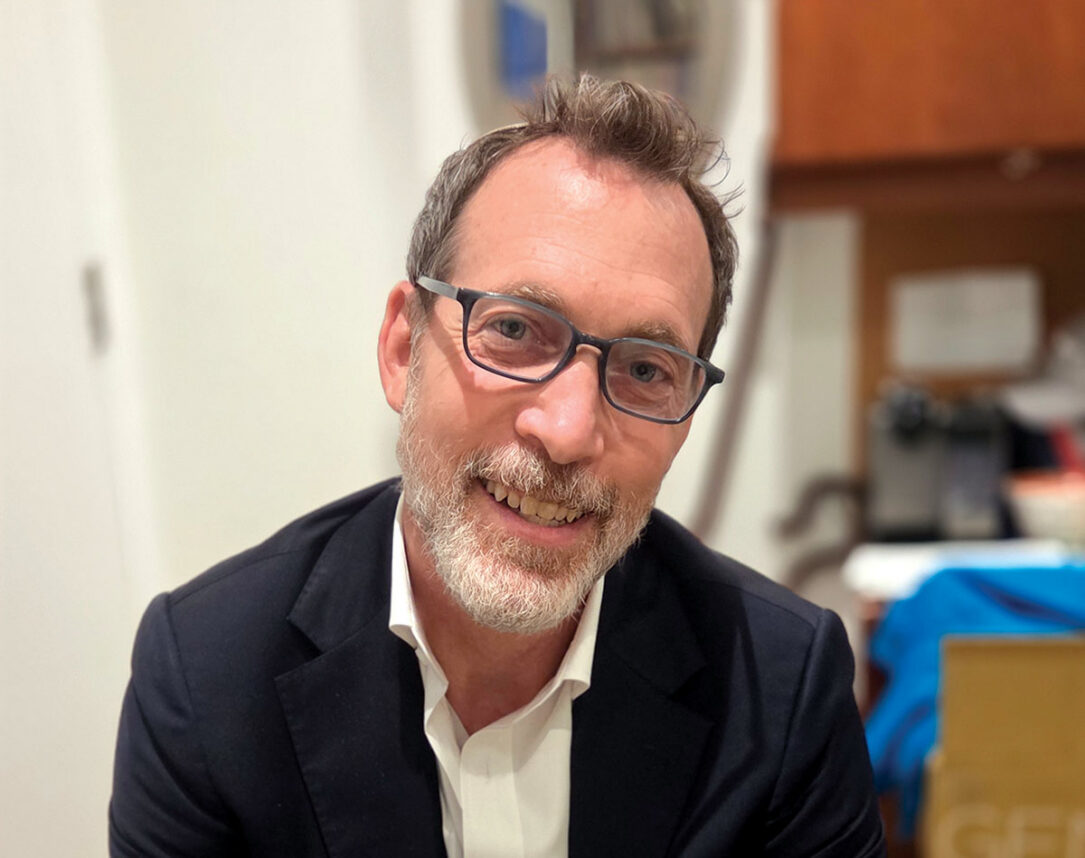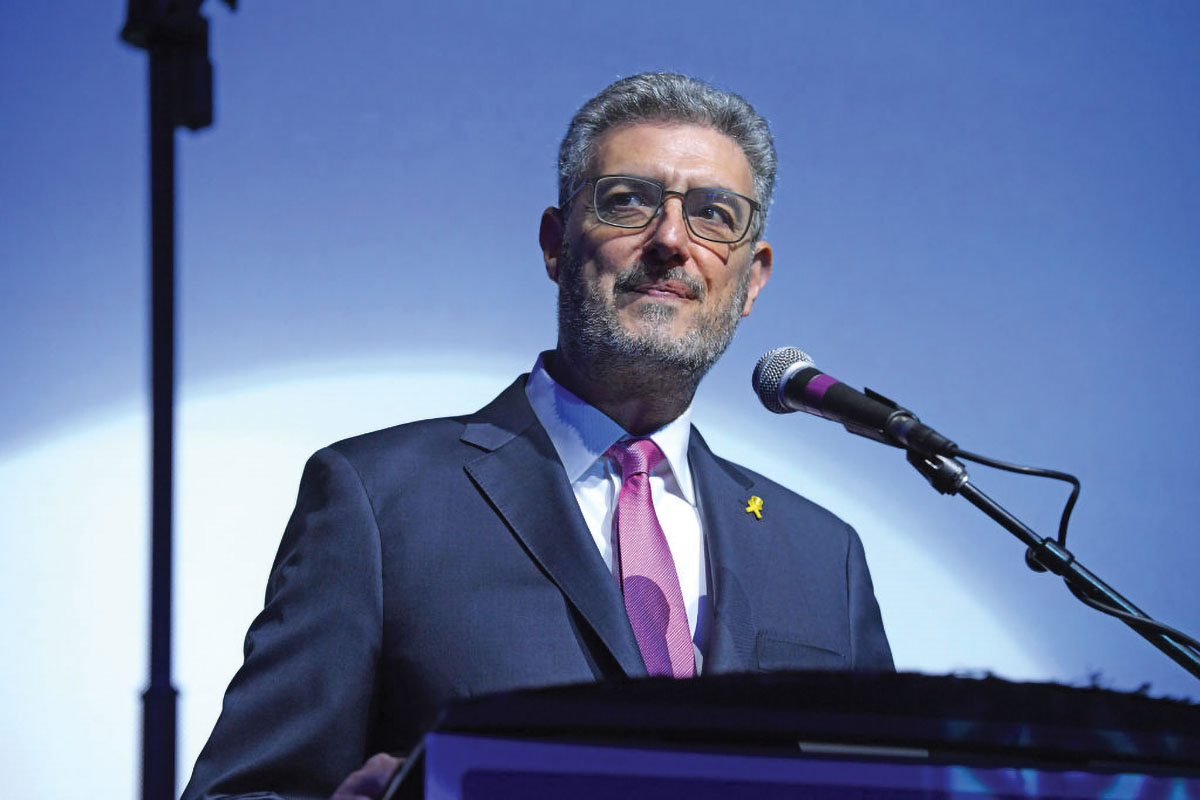
Israel Bachar, Consul General of Israel to the Southwest, did not expect his diplomatic posting in the United States to unfold the way it did. Just one month after his arrival in Los Angeles, Hamas launched its Oct. 7, 2023 attack on Israel, upending any notion of a routine or relatively smooth service. Instead of the anticipated diplomatic engagement, he found himself at the center of an intense battle over public opinion.
Bachar faced multiple, simultaneous challenges: large parts of the media adopted a critical tone, Hollywood distanced itself from Israel and its officials and he was confronted with a troubling rise in antisemitism. Working tirelessly, he addressed narratives as they emerged and represented Israel’s position during a moment of profound crisis.
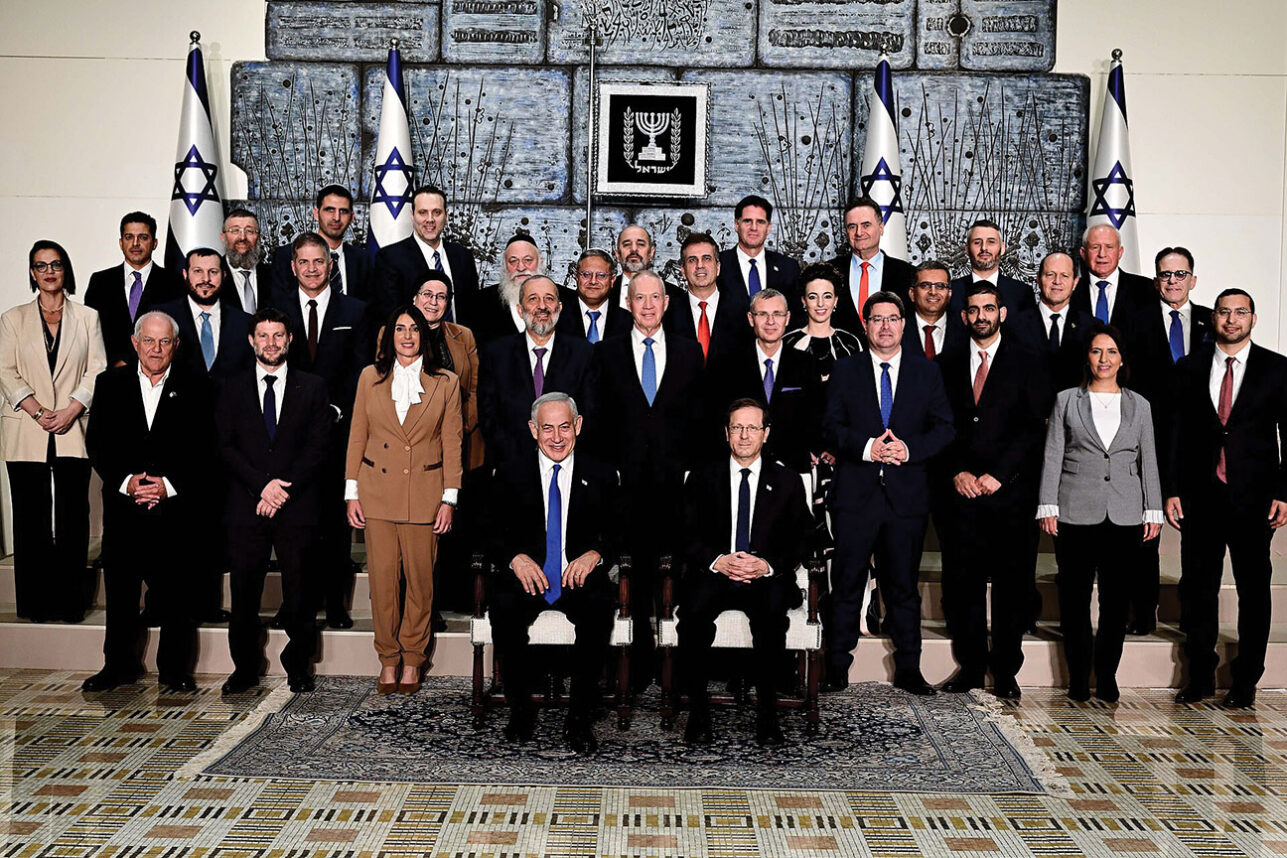
Prior to his appointment, Bachar was not a career politician but a marketing strategist and political advisor. He played a key role in the ultra-Orthodox Shas party’s election campaigns and worked with senior Israeli figures, including Aryeh Deri, leader of Shas, and Benny Gantz, former defense minister, building a reputation in messaging and political consulting.
In an interview with The Journal, Bachar said that despite the criticism against Israel, all in all, we are witnessing historic days. He emphasized that the current reality is fundamentally different from past conflicts, with the United States acting alongside Israel rather than Israel standing alone in the Middle East. While some voices on the far left and far right attempt to portray Israel as dragging the U.S. into war, Bachar stressed that this is not the reality, noting that the United States is acting based on its own strategic interests.
“If I had told you three years ago that the U.S. would join Israel in a war against Iran, you would have thought I’d lost my mind. There was no way — and the Iranians thought so too. This was also President Biden’s perception; no one thought the U.S. would take military action. Today, however, we are in a very strong position. The military campaign is progressing effectively. There may not be an immediate regime change in Iran, but the campaign is going well.”
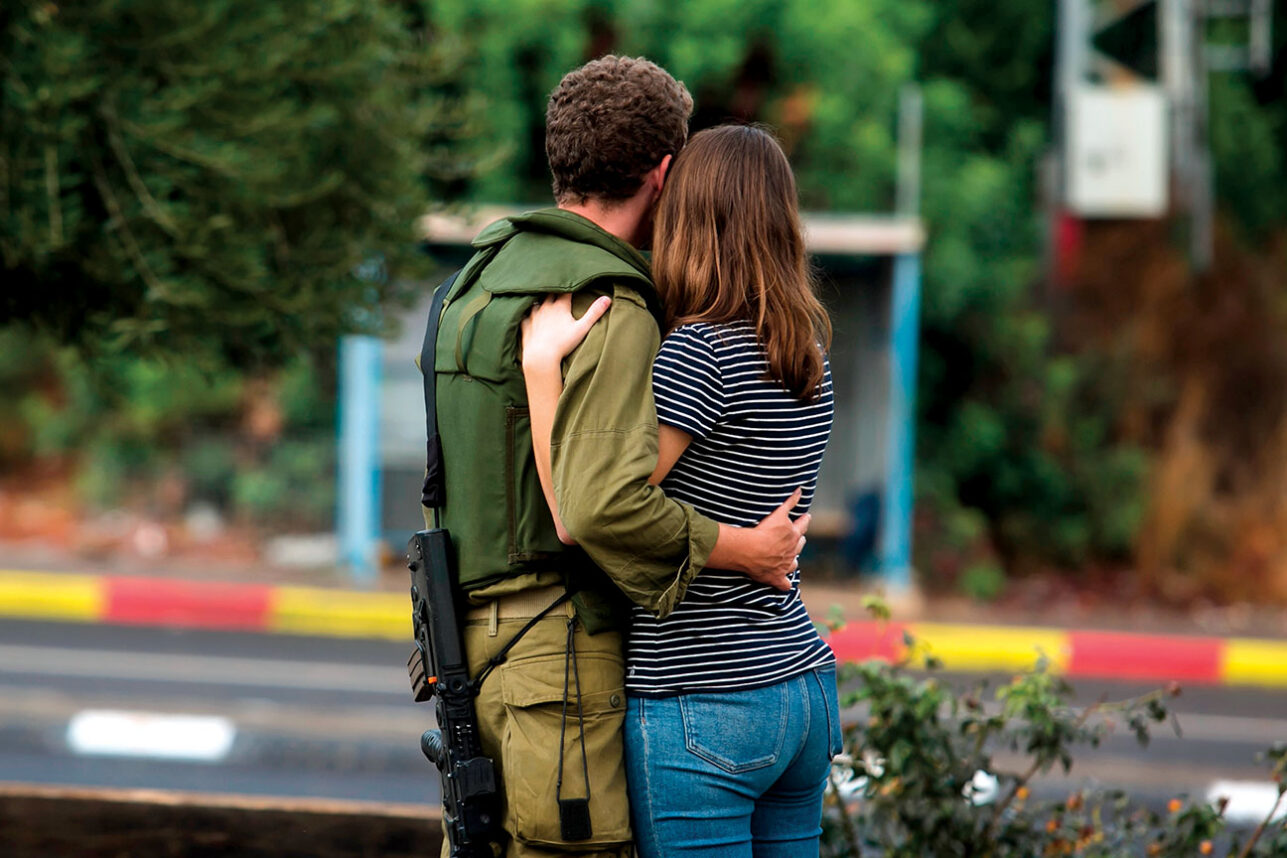
Over the past two and a half years, Bachar witnessed something remarkable. Even during wartime, Israeli men living or vacationing in the U.S. were eager to return to Israel and join their units, while others continued making Aliyah. This, he said, is a phenomenon particular to Israel. He attributes much of this desire among Americans to move to Israel to the rising tide of antisemitism.
“It goes against survival instincts to move to a country at war, but there is a growing antisemitism worldwide, and people understand that if you want to live openly as a Jew, Israel is where you can do that.”
Bachar said that there are many more antisemitic incidents happening than people realize. Those that make headlines are mostly violent in nature, but verbal harassment, discrimination and intimidation occur regularly. What frustrates him most is how those are being handled.
“We need a change in policy — the police and FBI need to be proactive, and there needs to be more prosecution of hate crimes. It’s not a positive sign when Jewish kindergartens feel like compounds; it’s a failure of the system.”
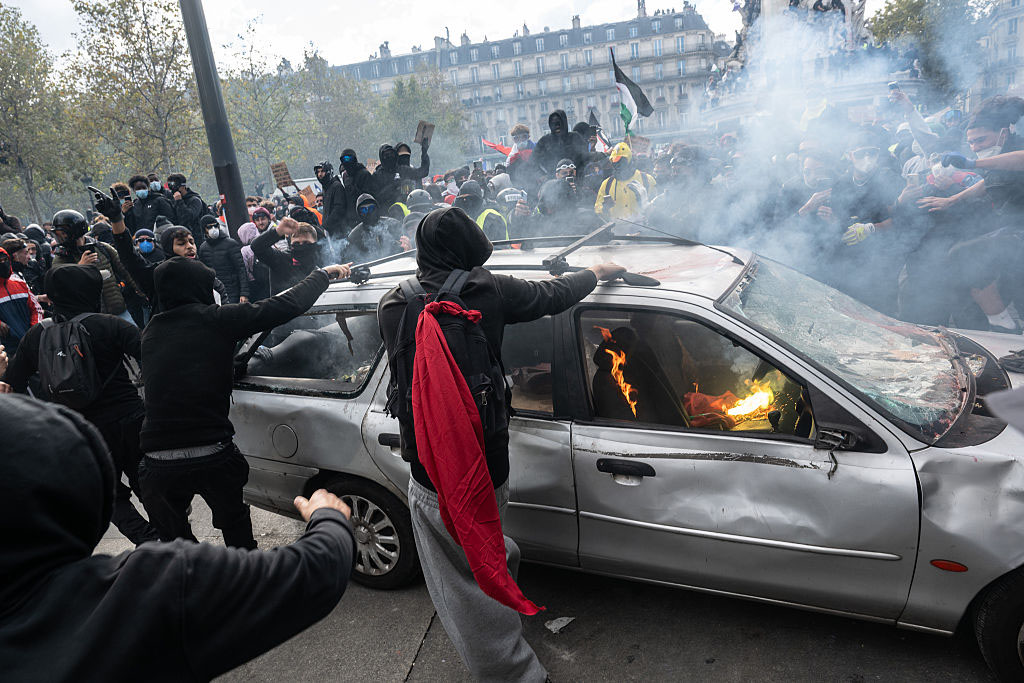
He points to an event held at Wilshire Boulevard Temple in Koreatown in December 2025. A group of about 15 protesters – their faces masked with keffiyehs – harassed attendees arriving for a lecture meant to promote bridge-building between the Israeli, Jewish and Korean communities. Despite police presence, nothing was done to stop the demonstrators from shouting at synagogue goers: “Zionist pigs” and “baby killers.”
People bringing their kids to daycare at the temple needed to face those pro-Palestinian demonstrators, while the police stood aside and didn’t do anything to stop them, because of “Freedom of Speech.”
Bachar emphasizes that, time and again, those involved in incidents that clearly qualify as hate crimes against Jews are not punished or tried as such. He saw this during the encampments at UCLA, where Jewish students were blocked from reaching their classes, and chased or attacked both physically and verbally — yet the perpetrators faced no legal consequences. In a more recent incident in San Jose, three young men who brutally attacked two Israeli men were arrested and then released, facing charges only for assault rather than a hate crime.
“We need to ask ourselves: if other minority groups faced those attacks against them, would they have been considered hate crimes?” he said. “If people knew there would be real consequences, things wouldn’t escalate like this.”
Bachar took a unique approach to give prosecutors a firsthand understanding of Israel. He organized a five-day visit to Israel for several district attorneys, seeing it as an important way for them to gain perspective on the country and its people.
“Policy affects everything, how the law is enforced, how incidents are handled. You need to prosecute to the full extent of the law. We need to be clear with policymakers, either you are with us, or against us. The Jewish community has enough voice and influence to demand this.”
Israel is at a disadvantage when it comes to shaping public perception, while Palestinians are backed by significant resources and support, which is clearly reflected on social media. Considering that Jews make up only 0.2% of the world population, compared with roughly 25% for Muslims, the imbalance becomes easier to understand.
Living in Los Angeles for the past two and a half years, Bachar had witnessed how much Hollywood had turned its back on Israel. He noted the silence of many celebrities in reference to the terror Israel faced on Oct. 7. Many in the industry form judgments based on what they see in headlines or short social media clips, rather than on deeper understanding or facts. He finds this both frustrating and disheartening.
“The hypocrisy is staggering. When the issue is Palestinian, it’s ‘human rights.’ When it comes to Iranians, they don’t care. They stay silent when tens of thousands of Iranians living under oppression are killed in Iran during protests. People in Hollywood say things they have no real knowledge of, they are very superficial.”
A few months ago, Bachar organized a remarkable delegation of 1,000 pastors to visit Israel, flying in on three separate airplanes. The five-day trip took them to Yad Vashem, kibbutzim, Shomron (Samaria) and Jerusalem. Bachar sees these delegations as an important way to strengthen Israel’s image and provide context about what is really happening on the ground.
He also initiated the Mobile Museum project, an exhibit designed for Christian communities, including churches and universities. The museum will consist of seven tents each covering a different theme, such as history, Israel, Judaism and Christianity and the events of Oct. 7, and includes a book for pastors. “In the first six months, we plan to take the museum to five states and then expand to others,” Bachar said.
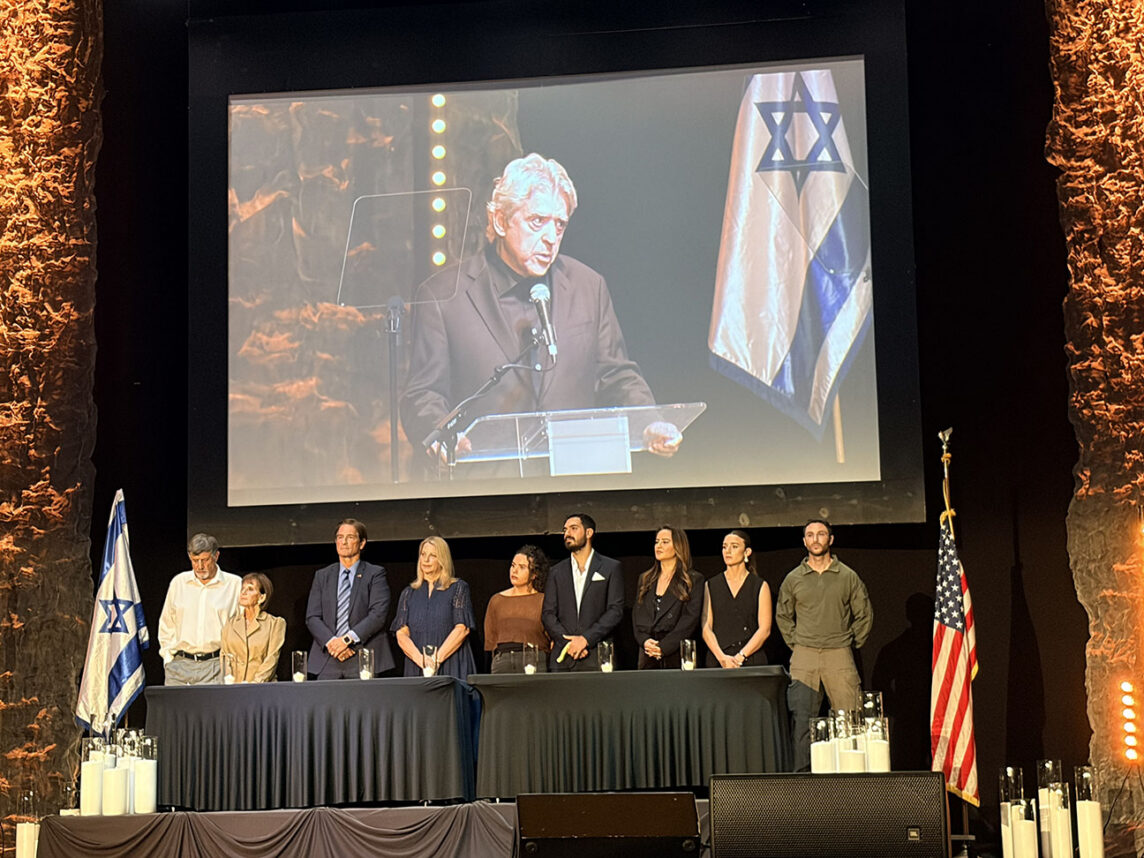
At the end of the summer, Bachar will conclude his service and return to Israel with his wife, Rachel. He said that what touched him most during his time in Los Angeles was seeing the Jewish and Israeli community rally to help Israel in her time of need.
“I have nothing but admiration for the community — it warmed my heart. They set aside disagreements and focused on helping Israel and the victims. You see a unity that’s hard to explain, a deep, almost spiritual connection. Everyone stepped up, contributing in every way — making donations, hosting families of hostages. The community revealed itself in all its glory.”